
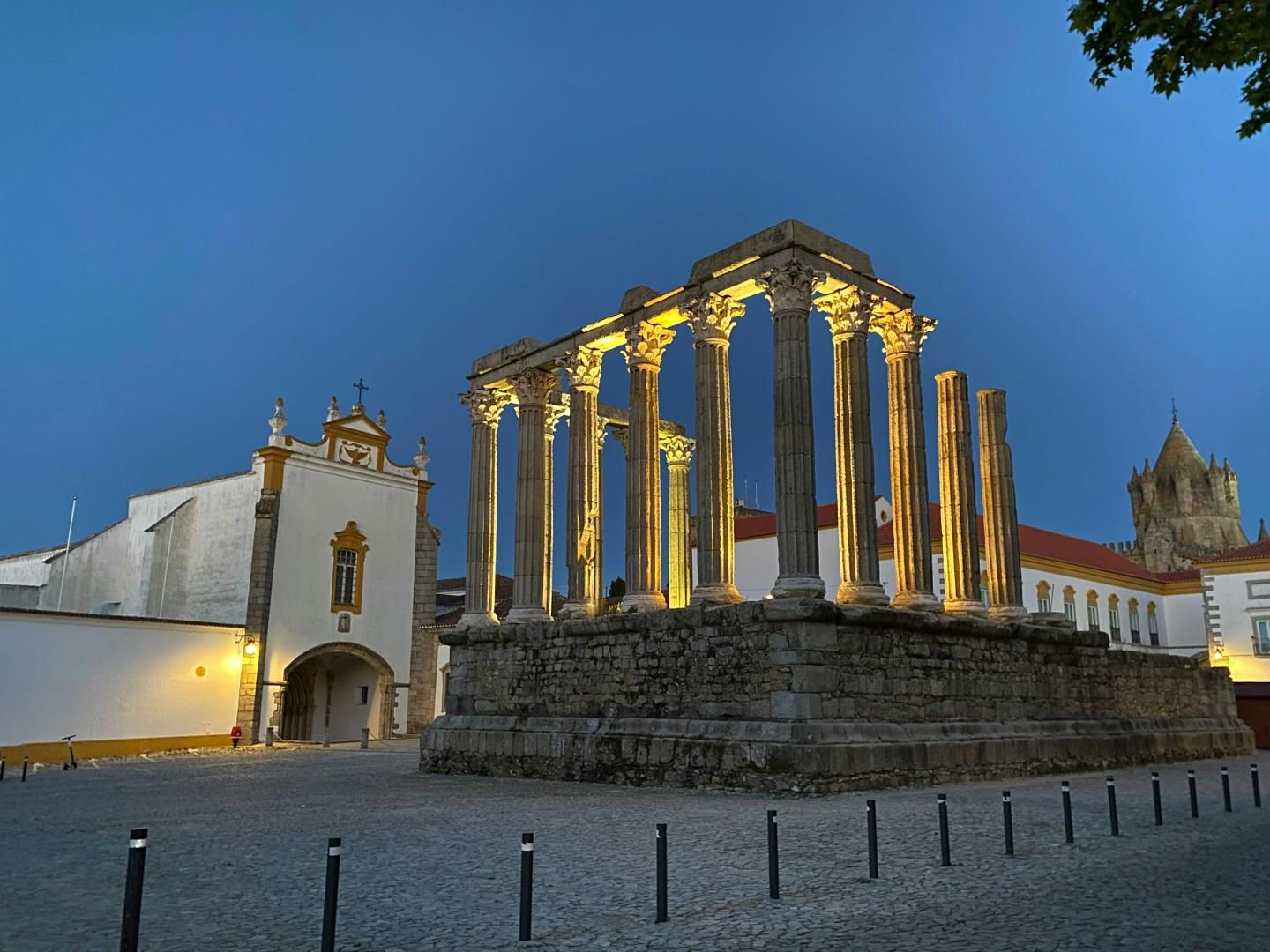
Evora
Évora, in Portugal’s Alentejo region, feels like stepping into a story that spans more than two thousand years. Its Historic Centre was named a UNESCO World Heritage Site for good reason with its ancient walls, homes with wrought-iron balconies, and narrow streets quietly preserve traces of Roman, Moorish, and medieval life. Beyond architecture and monuments, Évora reveals lesser-known treasures that reward exploration.

Wyoming
From Yellowstone National Park to the towering peaks of the Grand Tetons, Wyoming is home to some of the most dramatic and diverse landscapes in the country.

Cadiz
With its captivating blend of ancient history, sun-drenched beaches, and vibrant Andalusian culture, Cádiz, Spain, stands as one of Europe’s oldest continually inhabited cities. Founded over 3,000 years ago by the Phoenicians, this coastal gem in southern Spain offers a rich tapestry of historical sites and modern charms. The old city of Cádiz is a labyrinth of narrow cobblestone streets, whitewashed houses, and hidden plazas that evoke the city’s Moorish past.

The Dolomites
The Dolomites, a spectacular mountain range in northern Italy, offer a captivating blend of dramatic landscapes and outdoor adventure. Renowned for their unique jagged peaks and stunning natural beauty, the Dolomites are part of the Southern Limestone Alps and are a UNESCO World Heritage Site.

Semarang
Semarang is a port city on the north coast of Java, shaped by centuries of trade, migration, and cultural exchange. As an important hub during the Dutch colonial period, it developed into a city where Javanese traditions intersect with European and Chinese influences.
