
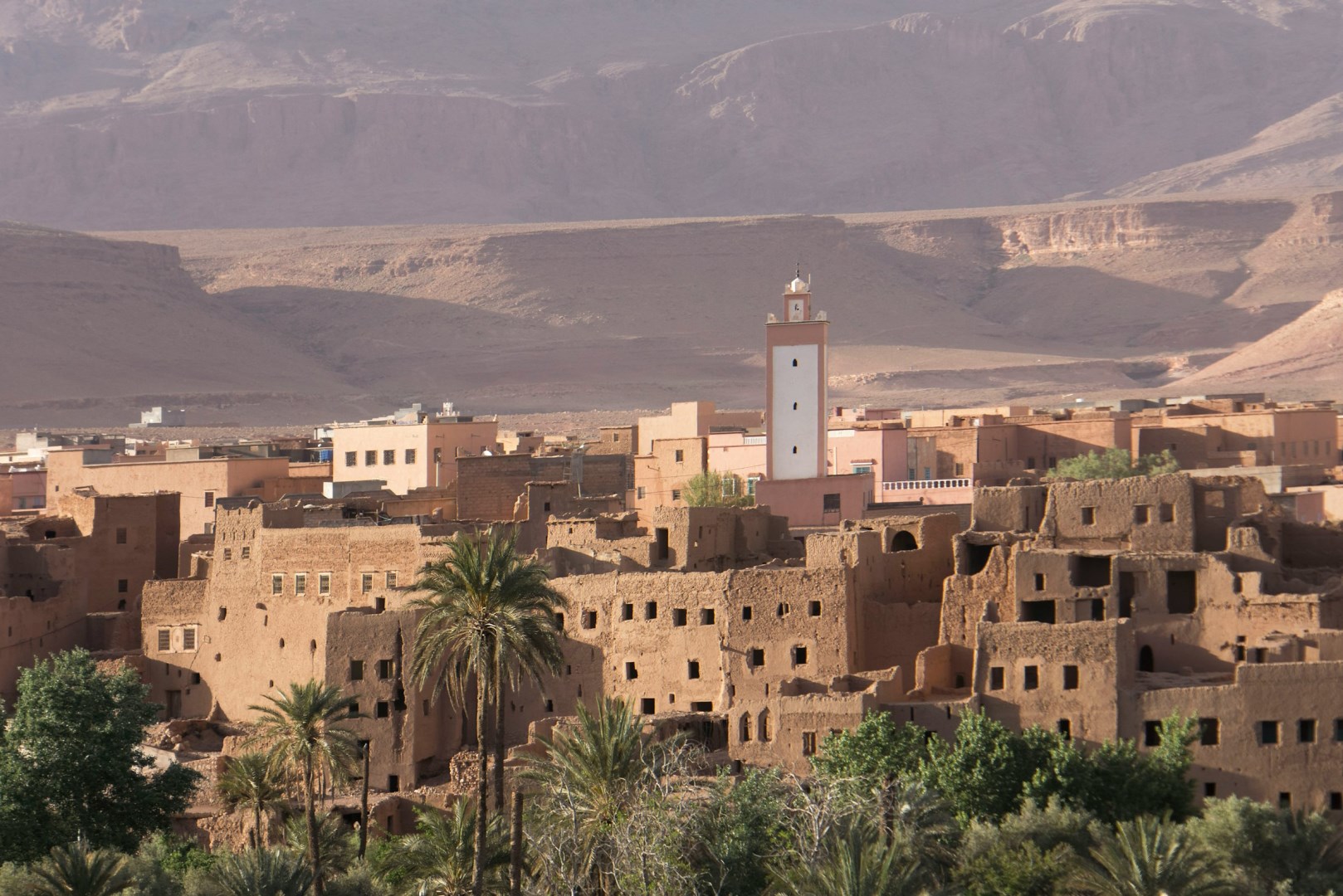
Tinghir
Tinghir is an oasis town in southeastern Morocco, set between the High Atlas and the Anti-Atlas mountains at the entrance to the Todra Valley. The town is surrounded by an extensive palm grove where date palms, gardens, and small agricultural plots follow the Todra River. Its traditional earthen buildings and kasbahs rise above the greenery, creating a clear contrast with the dry mountain slopes nearby.

Las Vegas
Las Vegas, Nevada, is an electrifying city where glitz and glamour meet entertainment and excitement. Known as "The Entertainment Capital of the World," Las Vegas offers an unparalleled array of attractions, from its iconic casinos and luxurious hotels to its world-class dining and live shows. The city's entertainment scene is second to none, featuring legendary headliners, cutting-edge performances, and an array of themed attractions.
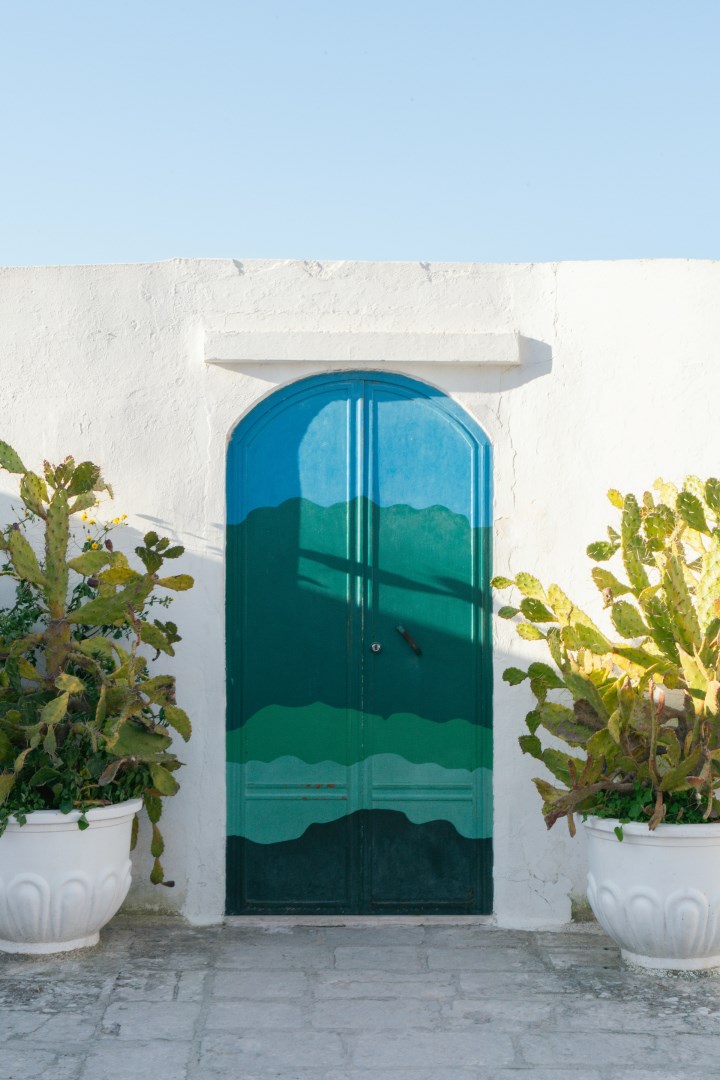
Ostuni
Ostuni is a hilltop town in Puglia, in southern Italy, known for the whitewashed buildings of its historic center and the olive groves that surround it. The town occupies the final slopes of the Murge plateau, with the old quarter, known as La Terra, rising above the surrounding countryside. Narrow lanes, stairways, arched passages, and small squares wind between lime-covered houses, while the higher streets provide views across the olive plain toward the Adriatic Sea.
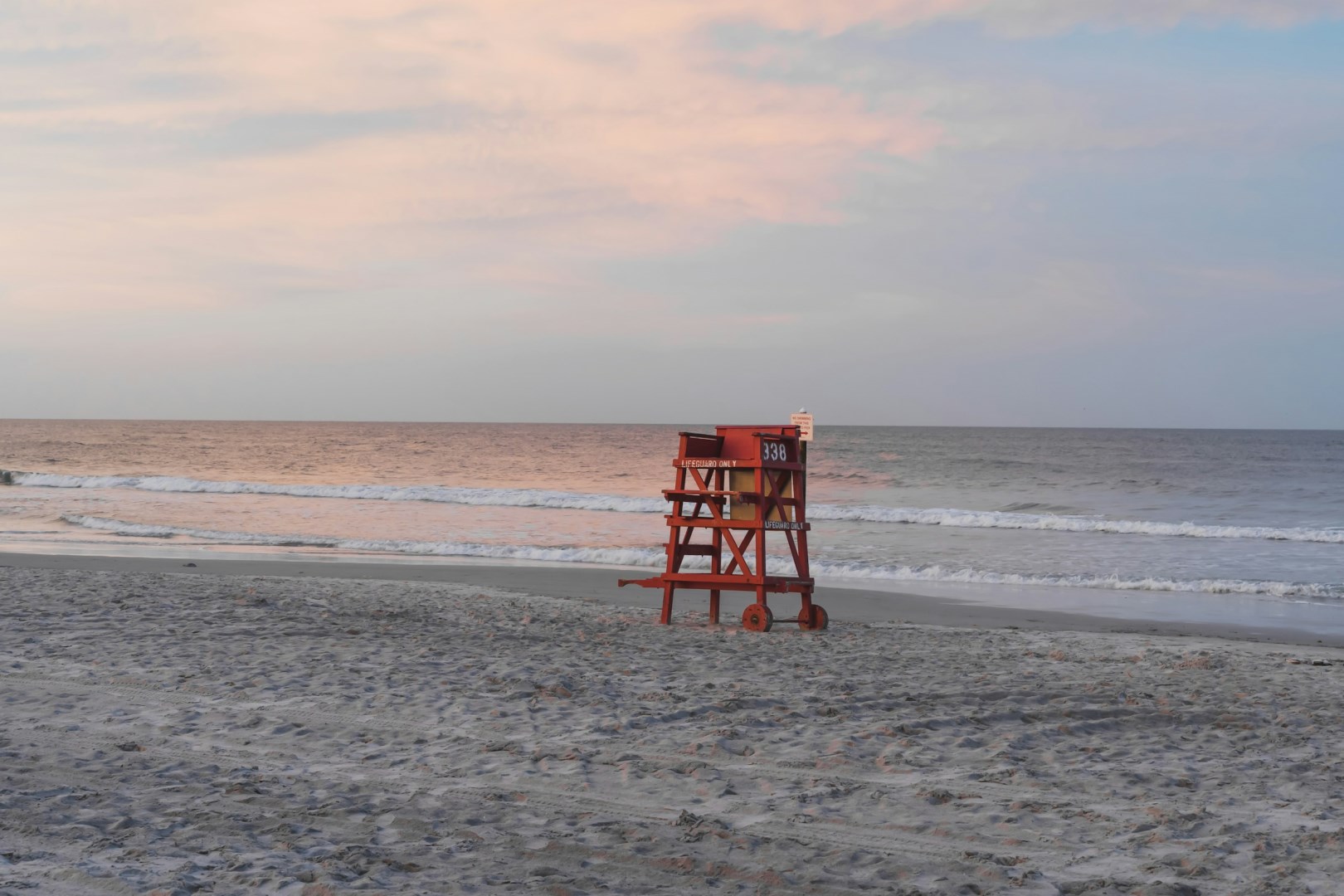
Daytona Beach
Located on the northern coast of the state of Florida in the United States, Daytona Beach is a popular winter sun destination and the site of the famous Daytona 500 car race.
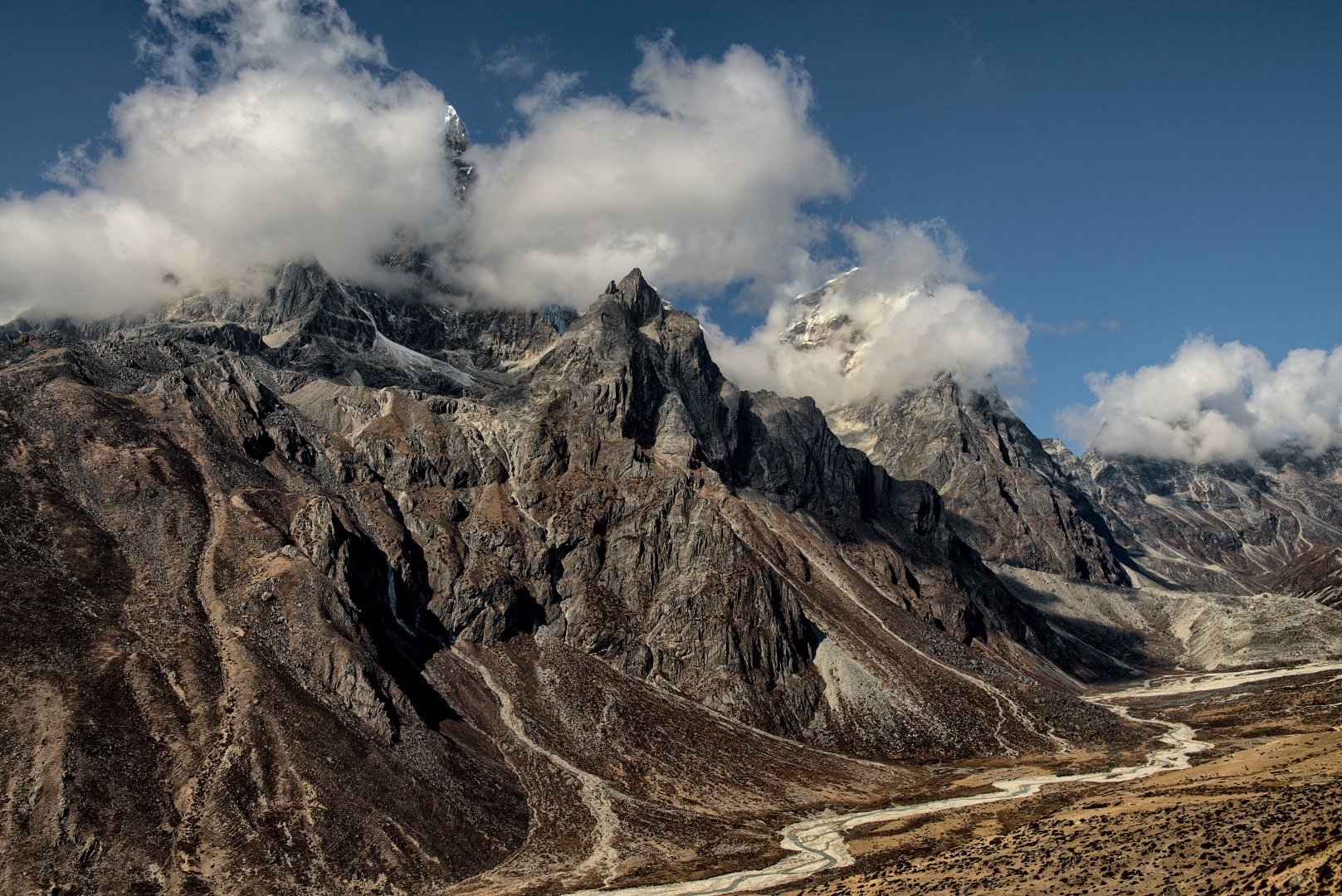
Lobuje
High in the Khumbu region, Lobuche sits in a stark alpine setting along the trail toward Mount Everest. Surrounded by rocky terrain and glacial formations, the village stands close to the Khumbu Glacier, where the landscape shifts into shades of gray, white, and deep blue. The air here is thin and crisp, and the silence is often broken only by the wind moving across the valley.
