
Marbella
Marbella, located between the Mediterranean Sea and the Sierra Blanca mountains, is often associated with its luxury resorts and famous marina, Puerto Banús. But beyond the polished storefronts and designer yachts, the city has a layered past. Its old town, known as Casco Antiguo, is a well-preserved network of narrow streets built during Moorish rule, with whitewashed buildings, flower-filled balconies, and hidden plazas like Plaza de los Naranjos, which dates back to the 15th century.

Manarola
Manarola, one of the most picturesque villages in Italy’s famed Cinque Terre, is a haven for travelers seeking a blend of breathtaking scenery, vibrant local culture, and authentic Italian charm. Perched on a rocky cliff overlooking the Ligurian Sea, the village is known for its iconic pastel-colored houses cascading down the hillside.

Dominica
Dominica, known as the “Nature Island of the Caribbean,” is a haven for eco-tourists and adventure seekers. Nestled between the French islands of Guadeloupe and Martinique, this lush island boasts a remarkable landscape of volcanic mountains, dense rainforests, and stunning waterfalls. Dominica’s most iconic natural wonder is the Boiling Lake, the second-largest hot spring in the world.

Panama
Panama is a country shaped by its geography and defined by its role in global history. The Panama Canal remains its most iconic feature as a 50-mile engineering marvel that connects the Atlantic and Pacific Oceans. Visitors can watch ships pass through the Miraflores Locks from a dedicated observation deck or explore the interactive museum that explains how the canal changed international trade forever.

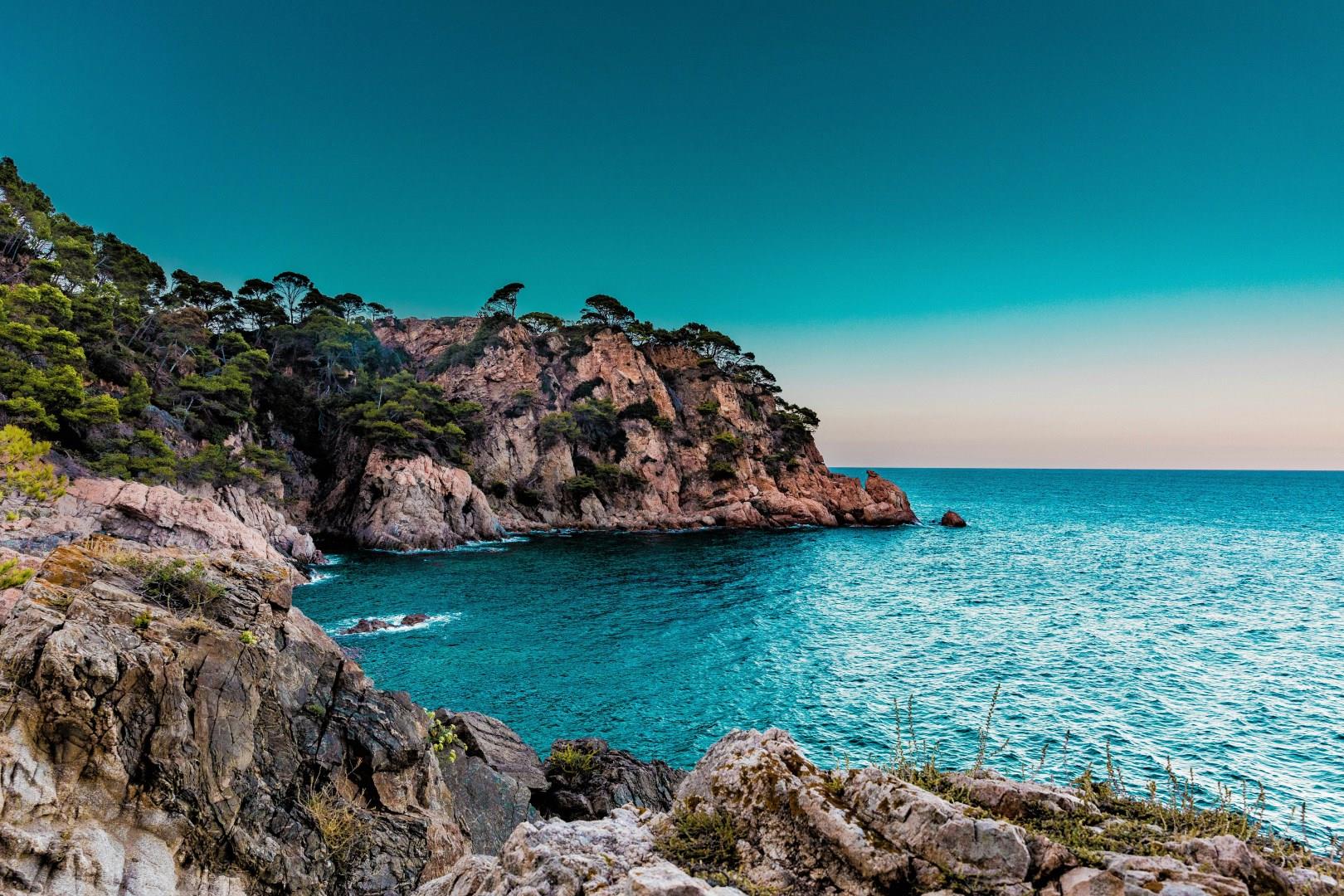
Costa Brava
The Costa Brava coastal region, in northeastern Spain, offers excellent beaches and a typical Mediterranean climate, making it an enticing holiday destination. While parts of the Costa Brava coastline have been exploited by large-scale tourist developments, other areas have retained their traditional roots.
