
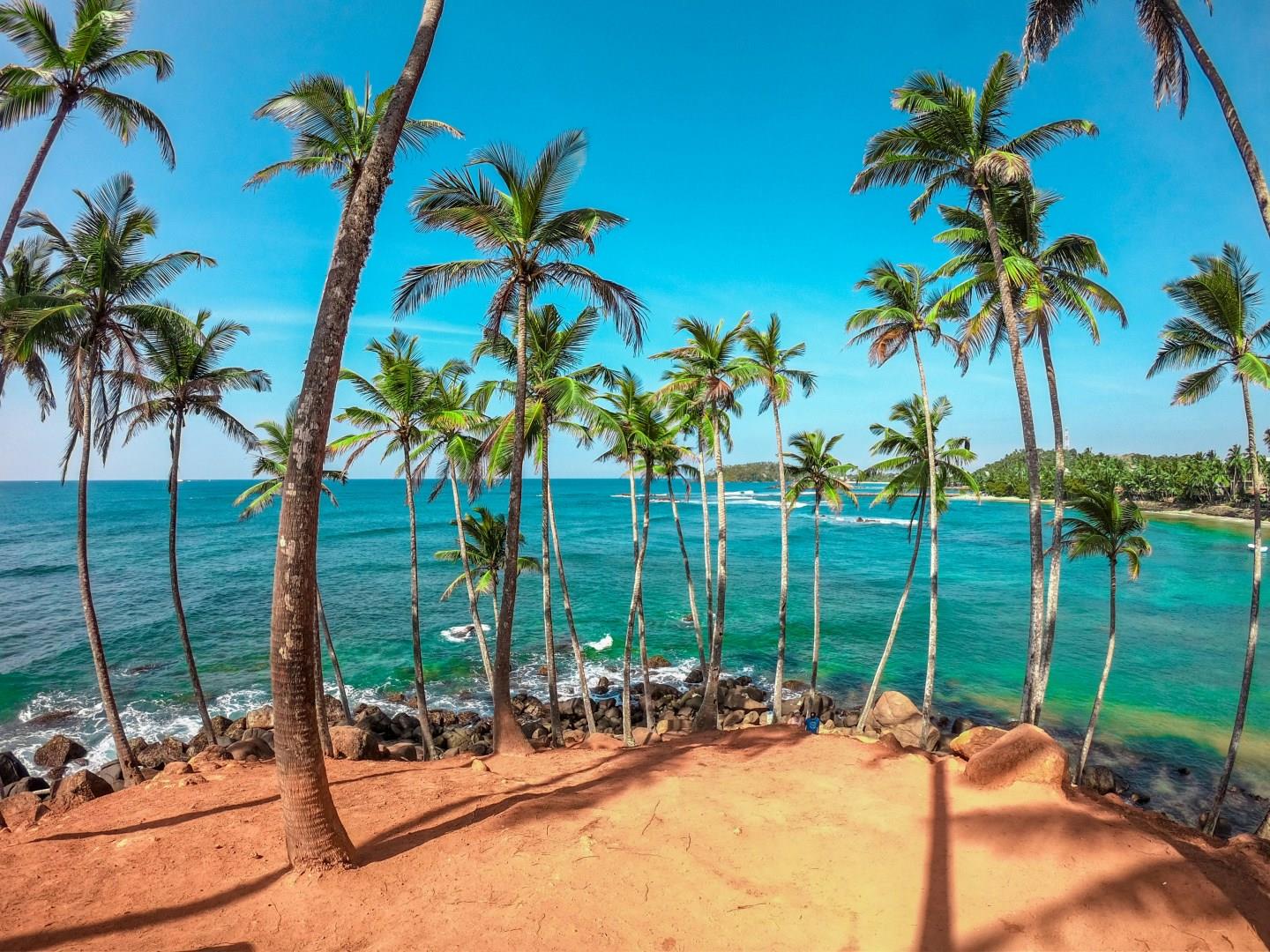
Mirissa
Mirissa, on the southern coast of Sri Lanka, is a seaside town that blends golden beaches, turquoise waters, and a laid-back atmosphere. Known for its crescent-shaped bay fringed with palm trees, it offers one of the island’s most inviting spots for swimming, surfing, and lounging by the sea.

Prince Edward Island
Located in the Gulf of St. Lawrence in southeastern Canada, Prince Edward Island has been nicknamed "The Garden of the Gulf." It was founded in 1534 by French Explorer Jacques Cartier and is primarily a fishing center and summer tourist destination.
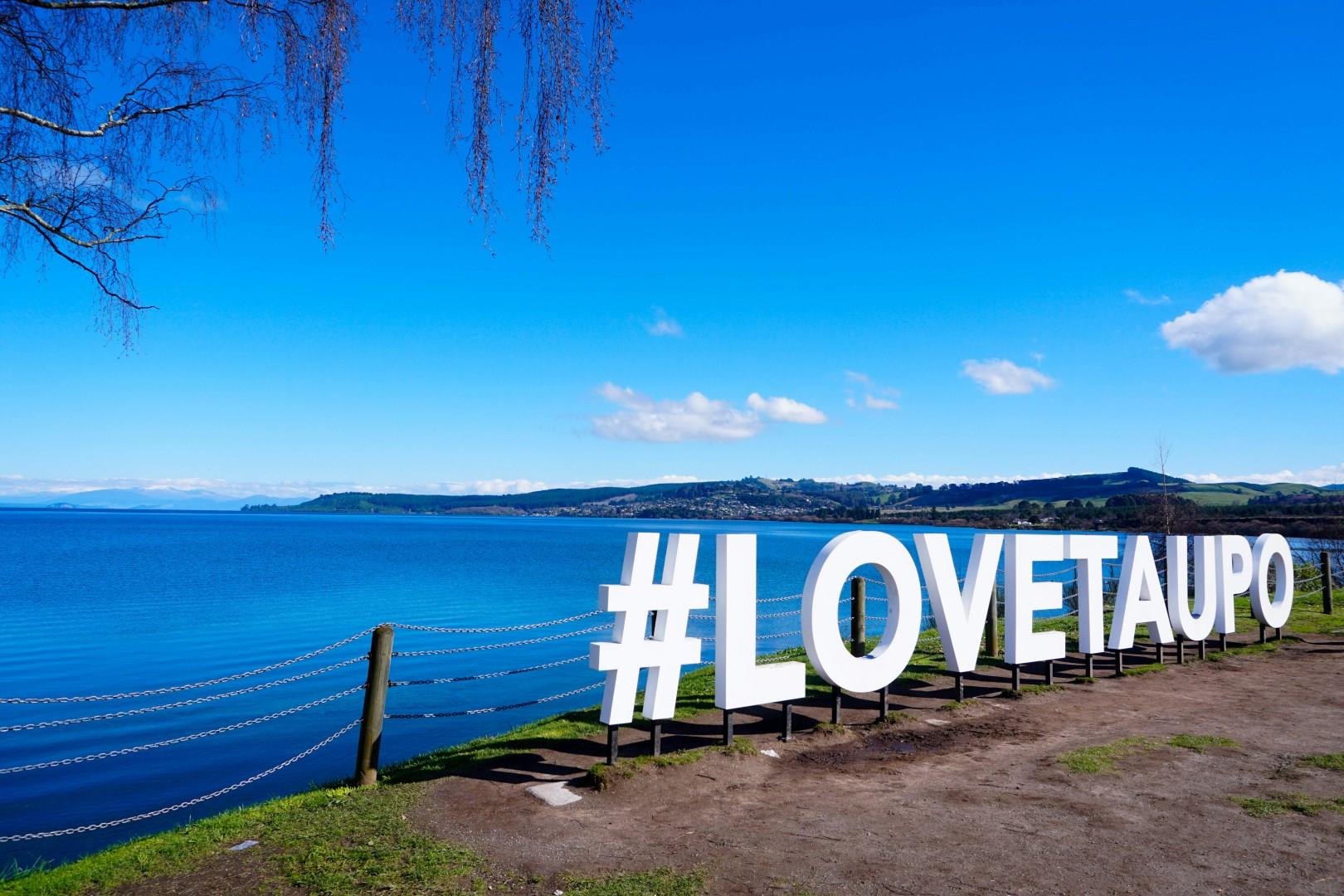
Taupo
Taupō, located in the heart of New Zealand’s North Island, is built along the shores of Lake Taupō, which is the largest freshwater lake in Australasia, formed nearly two thousand years ago by a massive volcanic eruption. That eruption was so powerful, it was recorded in ancient Chinese and Roman texts, even though it occurred halfway across the world. Today, the lake is calm, clear, and central to life in the region, offering everything from trout fishing to kayaking and lakeside cycling.

Oregon
Oregon invites travelers to experience landscapes and stories that shift dramatically from one region to the next. In the south, Crater Lake National Park holds the title of deepest lake in the U.S., formed inside the remains of an ancient volcano. With its intense blue color and dramatic cliffs, the lake draws visitors year-round for hiking, snowshoeing, or simply standing in awe.
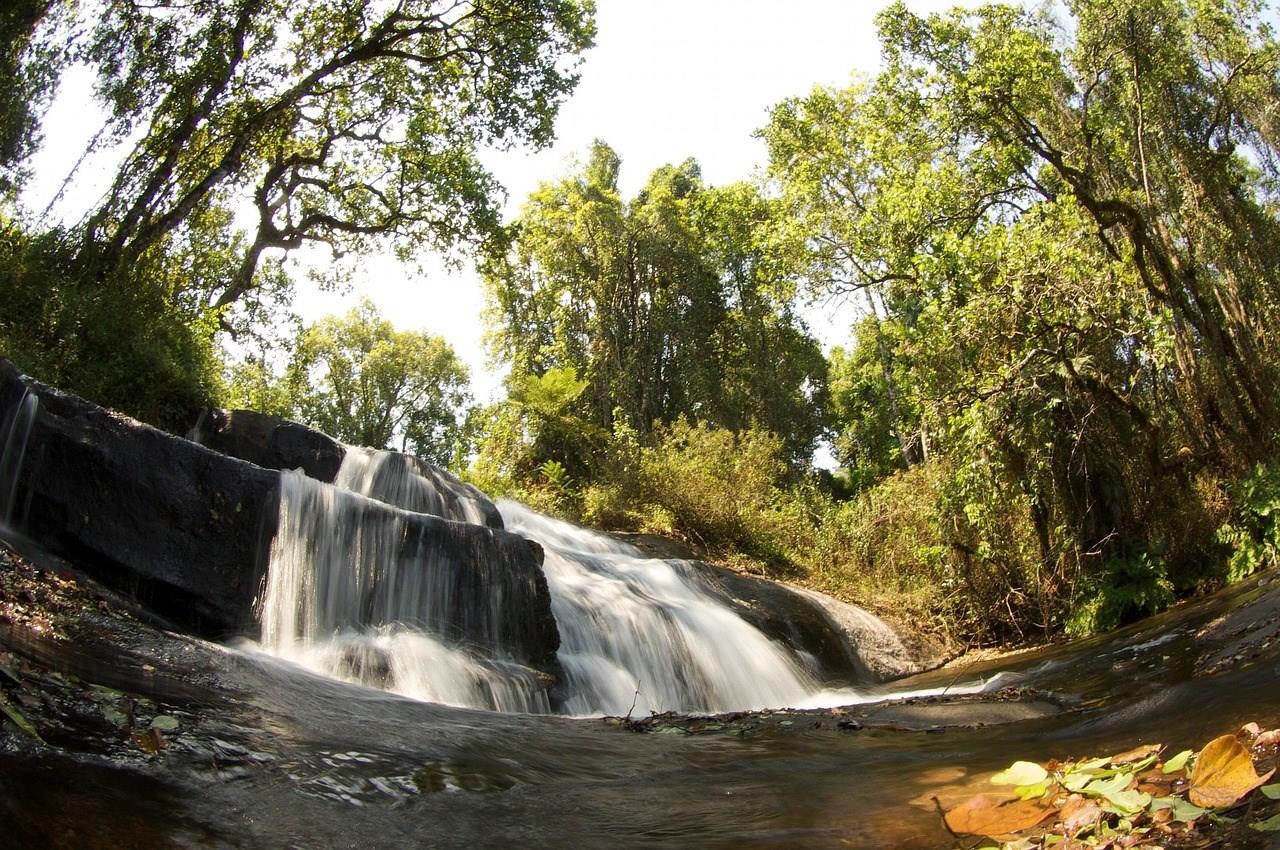
Malawi
Malawi, often called the “Warm Heart of Africa,” is a landlocked country in southeastern Africa known for its welcoming people and breathtaking natural scenery. Despite its small size, the country offers remarkable diversity, from high mountain plateaus and fertile valleys to sweeping savannas and vast lakeshores.
