
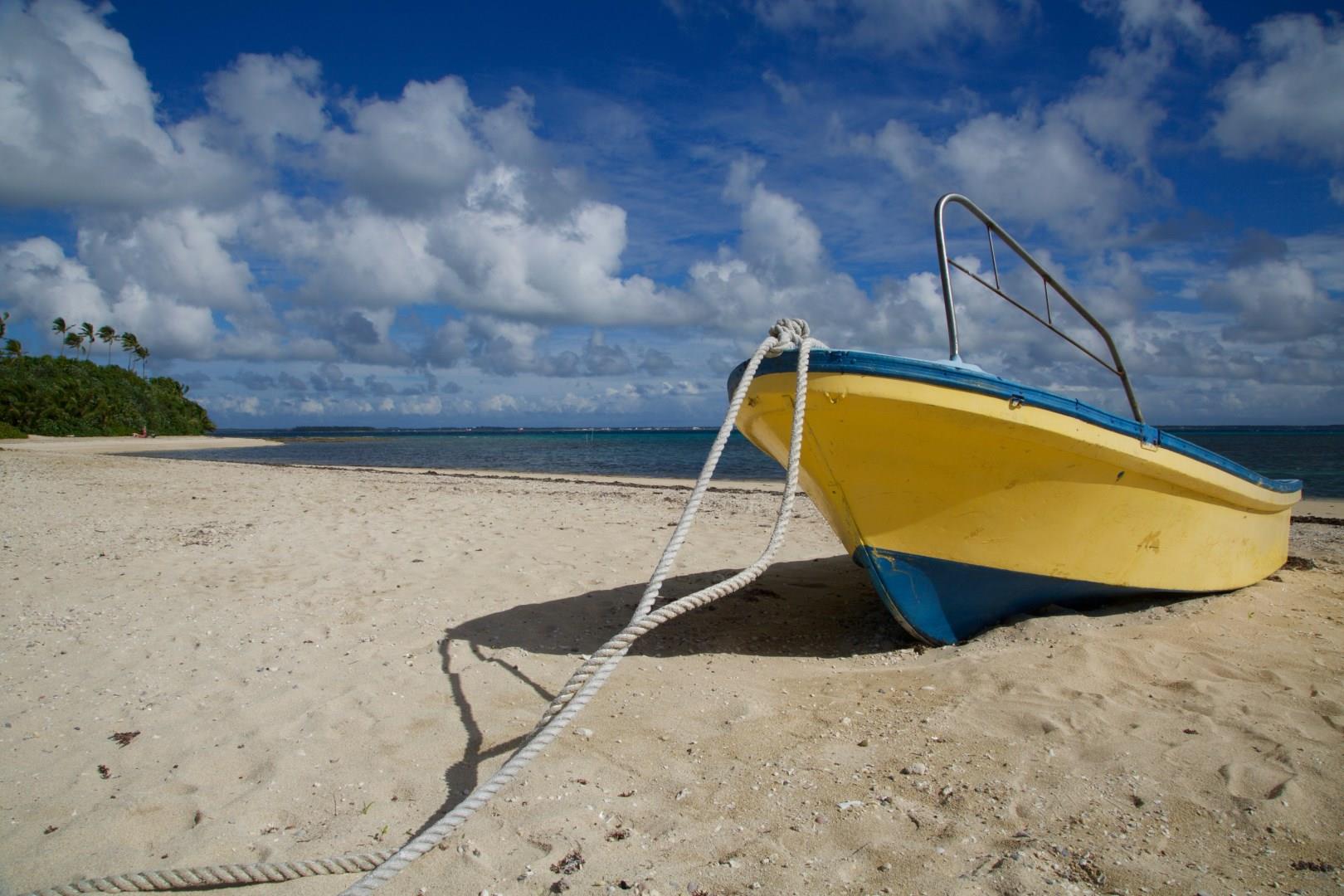
Tonga
Tonga is distinctly different to its neighboring island nations. This Polynesian kingdom, made up of 170 islands, carries a proud history that dates back over 3,000 years. On the main island of Tongatapu, travelers can explore ancient stone structures like the Haʻamonga ʻa Maui Trilithon—sometimes called the Stonehenge of the Pacific. Royal tombs in Lapaha offer a glimpse into the lineage of Tonga’s kings, while village life remains guided by customs that have changed little over centuries.
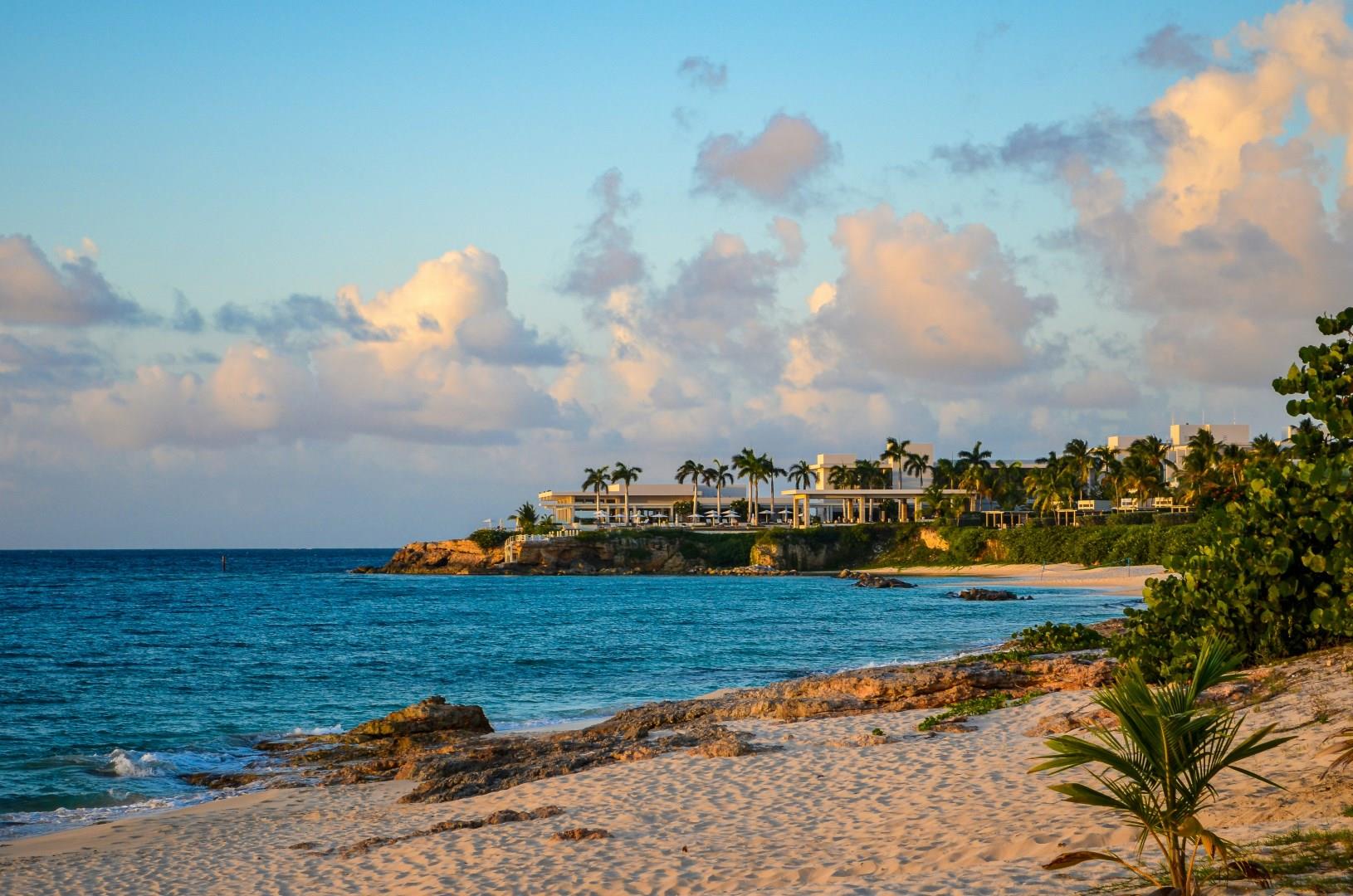
Barnes Bay
Barnes Bay, on Anguilla’s western coast, is one of the island’s most striking beaches, known for its golden sand and dramatic backdrop of rugged cliffs. The bay is less frequented than some of Anguilla’s more famous shores, giving it a serene, secluded atmosphere that makes it a favorite for those seeking a quieter escape.

Melk
Nestled along the south bank of the Danube, this historical Austrian city bursts with charm. A favorite stop on European river cruises, the city's most famous attraction is Melk Abbey, which dates back to the 11th century. The original Benedictine structure was lost to fires and foreign invasion, then rebuilt during the 18th century in lavish Baroque style, including a library and inner church covered in magnificent frescoes and gilded fixtures.

Lahnstein
Lahnstein is located at the confluence of the rivers Rhine and Lahn. Situated between the tranquil Lahn Valley and the bustling energy of the Rhine, Lahnstein has developed a unique character and offers a wide variety of activities for visitors.

Portorož
Portoroz lies on Slovenia’s short Adriatic coast, where its identity has been shaped by the sea and by centuries of salt production in the nearby Sečovlje pans.
