

Kotor
This coastal town in Montenegro is part of the World Heritage Site dubbed the Natural and Culturo-Historical Region of Kotor. It holds several summer events, such as the Summer Carnival or Bokeljska Noc. One of the most notable and charming aspects of the town is the large population of cats that have become a symbol of the city.

Bari
Bari, the capital of Puglia in southern Italy, is a vibrant port city with a rich history and lively atmosphere. Begin your exploration at the Basilica di San Nicola, an iconic pilgrimage site housing the relics of Saint Nicholas. This Romanesque church, dating back to the 11th century, is renowned for its stunning architecture and historical significance (Basilica di San Nicola).
Rovaniemi
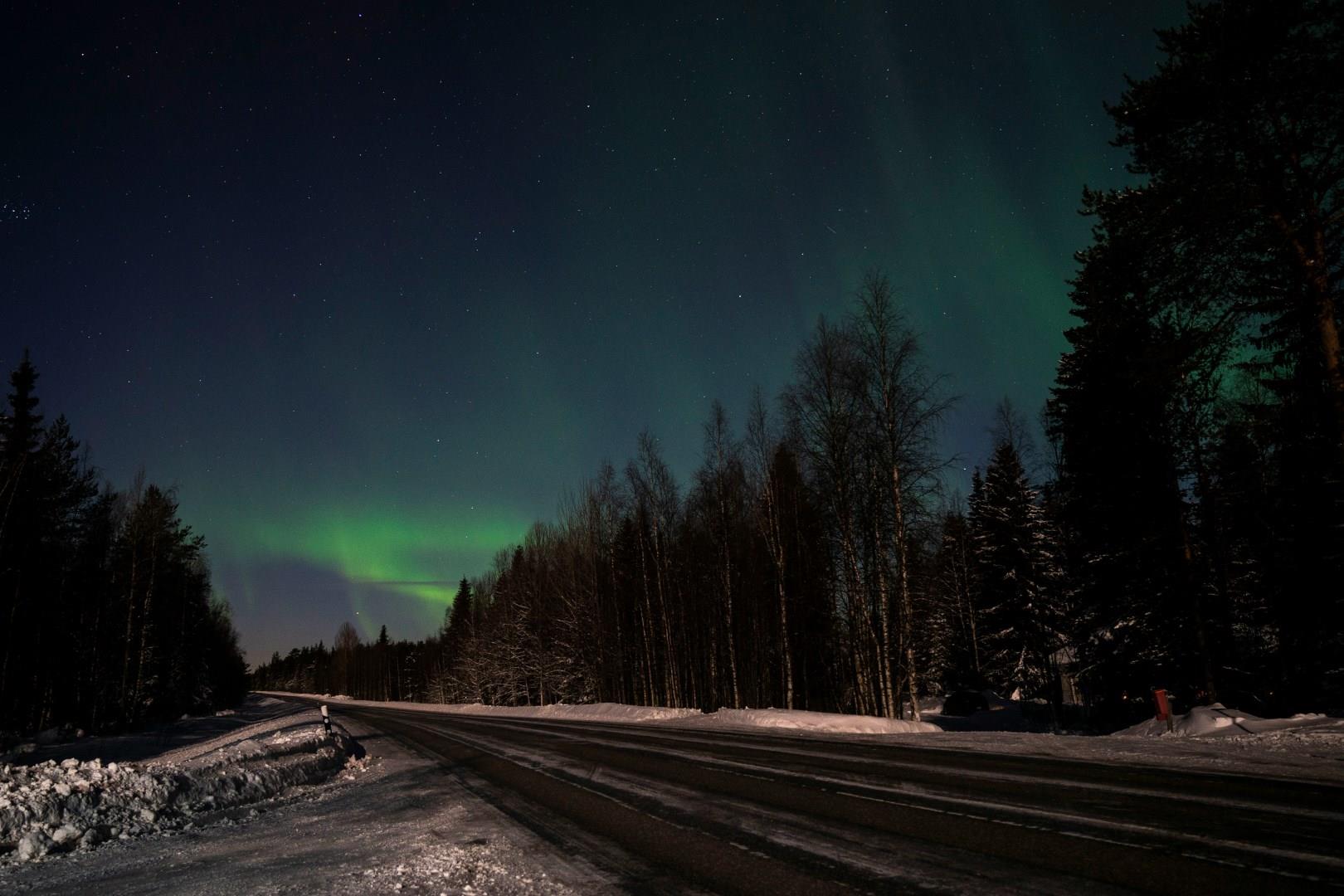
Rovaniemi, located just a few kilometers south of the Arctic Circle, is widely recognized as the official hometown of Santa Claus. From late August through early April, the Northern Lights are visible on clear nights, and several local guides offer nighttime tours to remote locations for optimal viewing. During summer, the sun doesn't set for weeks, giving travelers the rare chance to hike or kayak under a sky that stays bright at midnight.

Semarang
Semarang is a port city on the north coast of Java, shaped by centuries of trade, migration, and cultural exchange. As an important hub during the Dutch colonial period, it developed into a city where Javanese traditions intersect with European and Chinese influences.
Trier
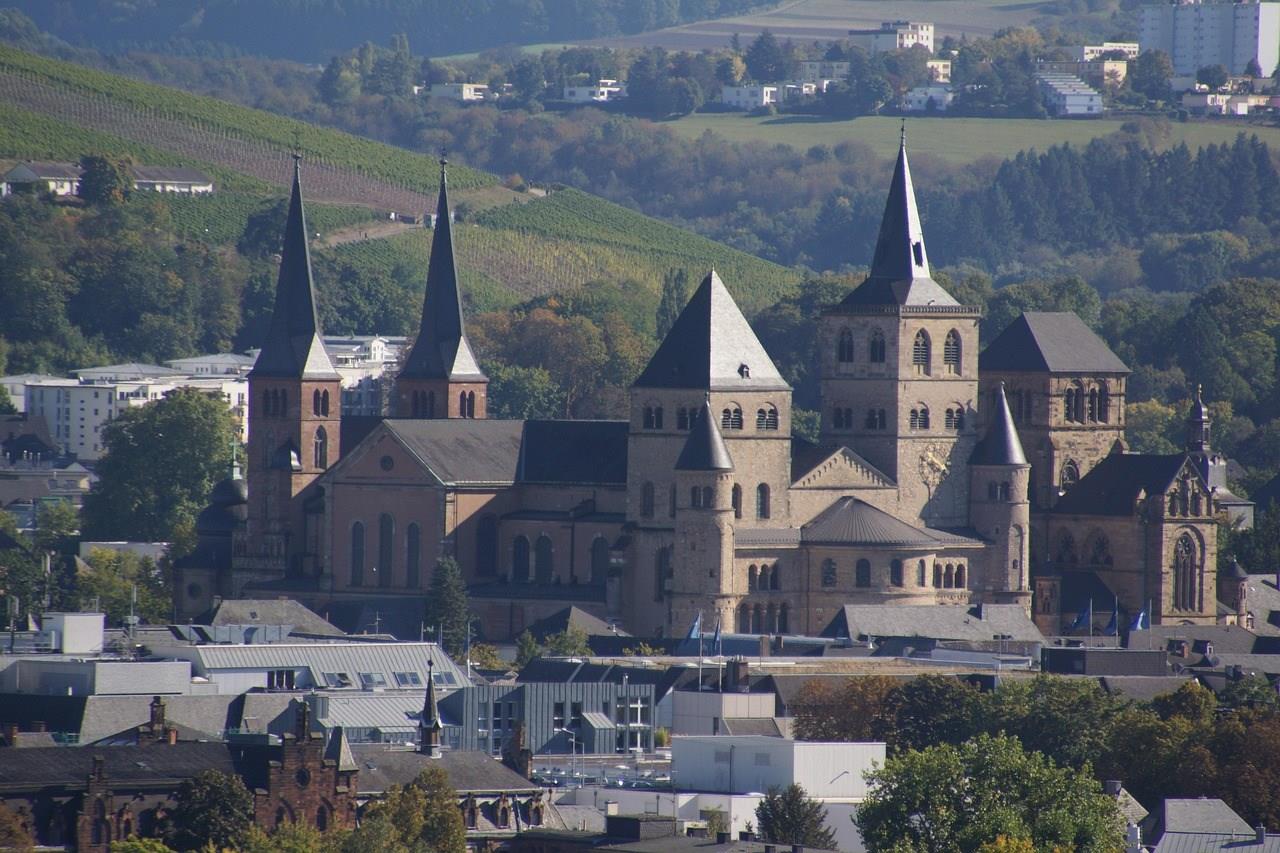
Trier, Germany’s oldest city, is a living museum nestled in the Moselle Valley, where Roman ruins rise beside medieval churches and bustling market squares. Founded by the Romans in 16 BCE, Trier was once known as “Roma Secunda,” the second Rome, and still boasts the largest collection of Roman architecture north of the Alps. The Trier Cathedral (Dom St. Peter), which is a UNESCO World Heritage Site, is the oldest church in Germany and houses a relic said to be the Holy Robe of Christ.
