

Las Vegas
Las Vegas, Nevada, is an electrifying city where glitz and glamour meet entertainment and excitement. Known as "The Entertainment Capital of the World," Las Vegas offers an unparalleled array of attractions, from its iconic casinos and luxurious hotels to its world-class dining and live shows. The city's entertainment scene is second to none, featuring legendary headliners, cutting-edge performances, and an array of themed attractions.
Inuvik
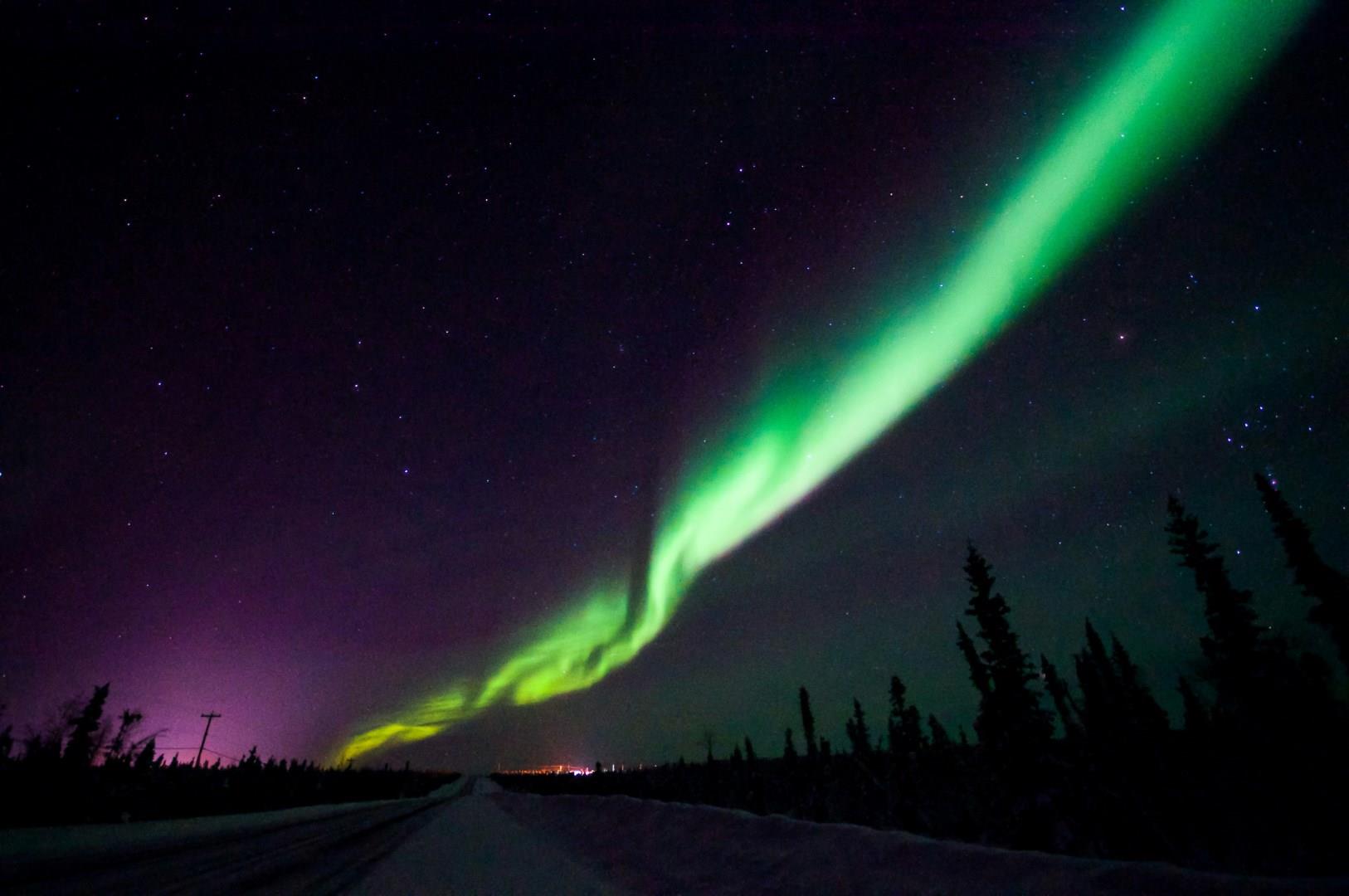
Summer in Inuvik brings the surreal experience of the Midnight Sun where the region experiences 56 days of continuous daylight from late May through mid-July. This natural phenomenon creates ideal conditions for exploring the dramatic tundra landscape and the nearby Mackenzie River Delta, one of the largest in North America. Adventurers can paddle through winding channels, spot migratory birds, or visit Tuktoyaktuk via the Inuvik-Tuktoyaktuk Highway.

Hong Kong
Hong Kong is one of the few places in the world where a 700-year-old fishing village sits minutes away from the headquarters of international banks. Once a British colony and now a Special Administrative Region of China, the city carries traces of Cantonese, colonial, and global influences in its streets, rituals, and food. The city has more than 300 hiking trails, including the well-known Lion Rock hike, which ends at a dramatic cliff overlooking Kowloon’s dense skyline.

Russia
Russia attracts thousands of tourists each year who have a taste for cathedrals and monasteries, fine art, theater, museums, and the Russian culture in general.
Baku
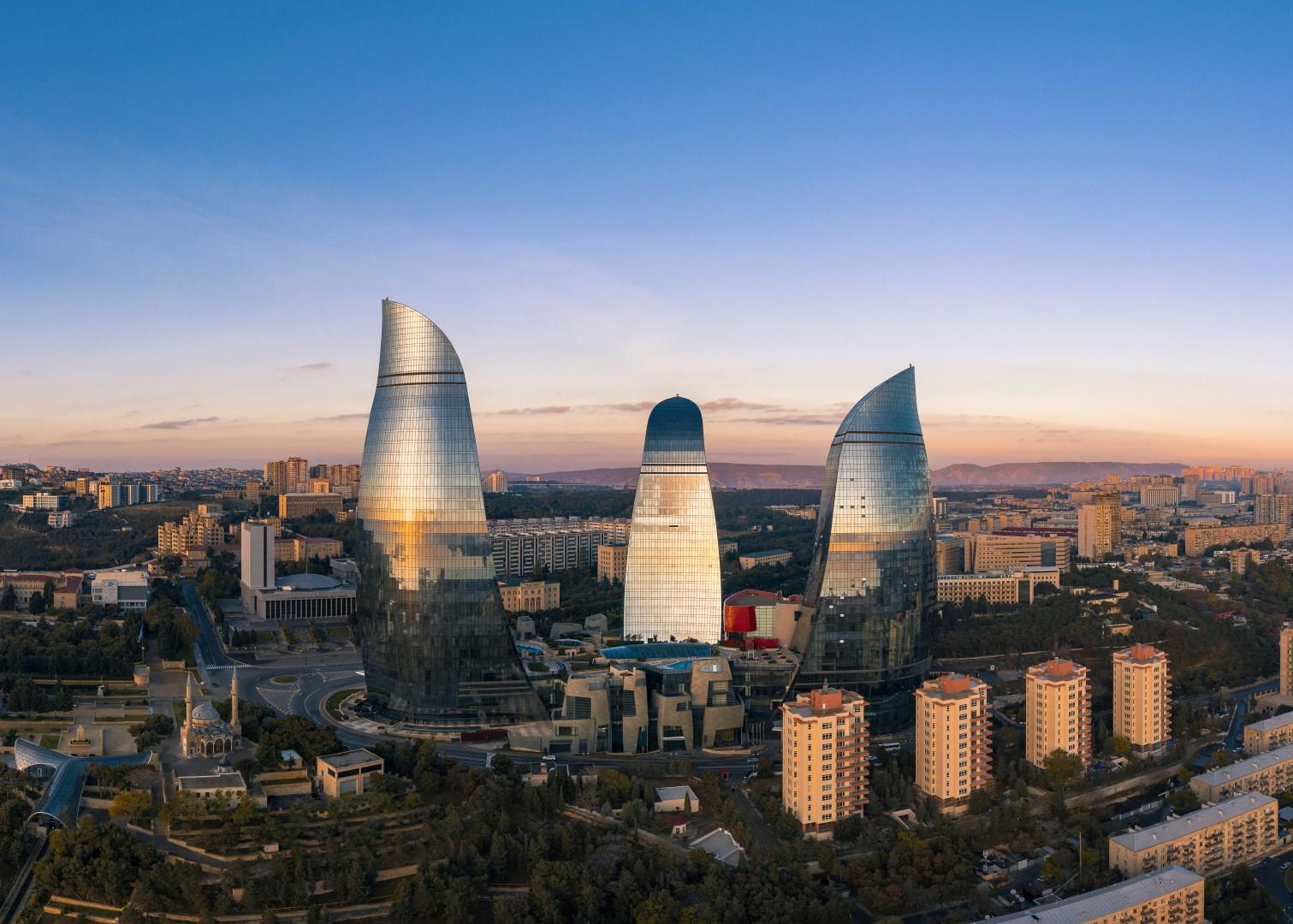
Baku, the capital of Azerbaijan, rises on the shores of the Caspian Sea as a city of striking contrasts. Its futuristic skyline, defined by the Flame Towers, glows each evening in waves of light, while the UNESCO-listed Old City preserves centuries of history within its fortified walls.
