
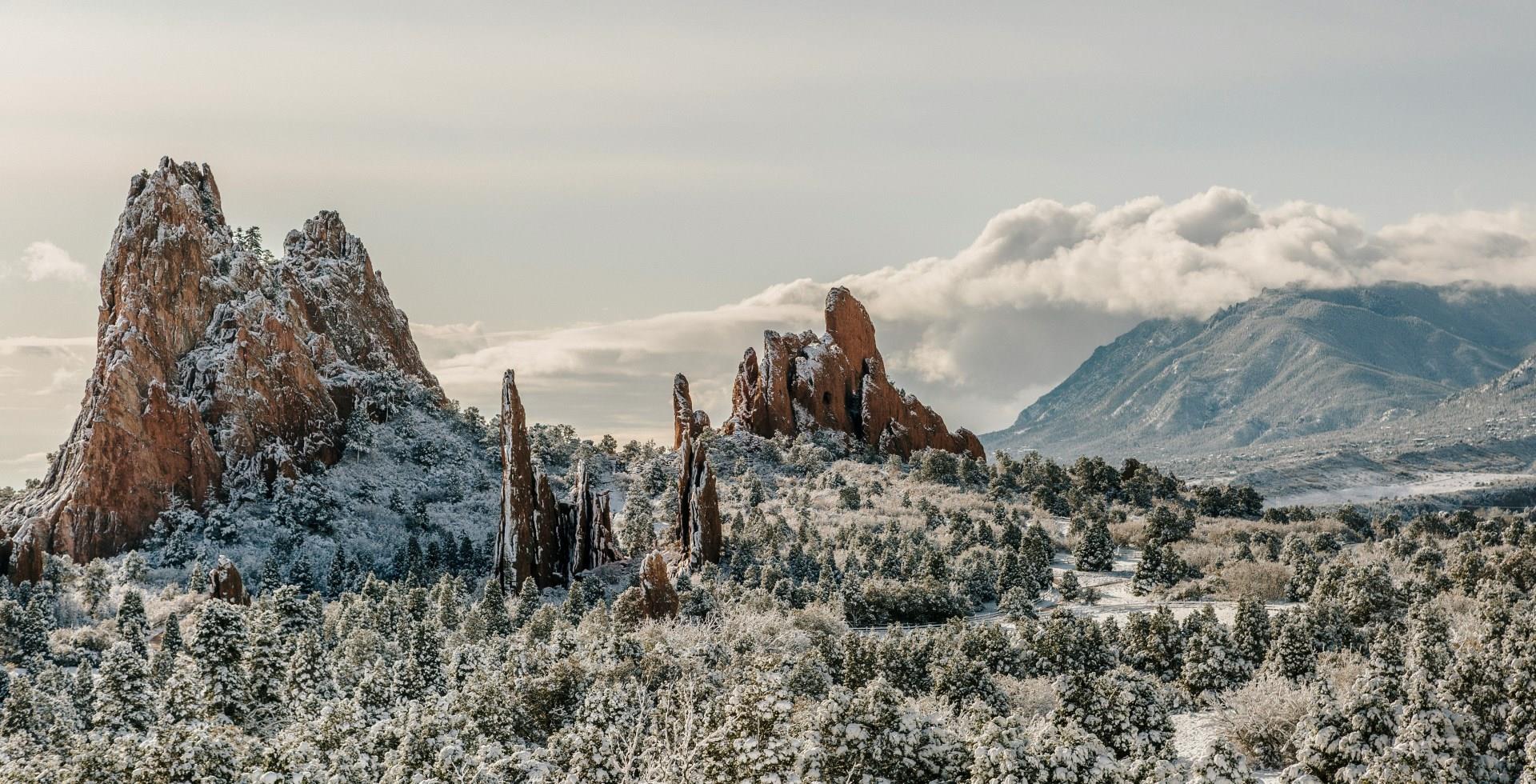
Colorado Springs
Modern-day Colorado Springs is flourishing, as the second largest city in Colorado. Fortunately, the unique features which attracted people long ago still remain. Nature entices with her array of textures and striking colors. People from all over the world visit to appreciate the countless natural and man-made attractions the Pikes Peak region has to offer.
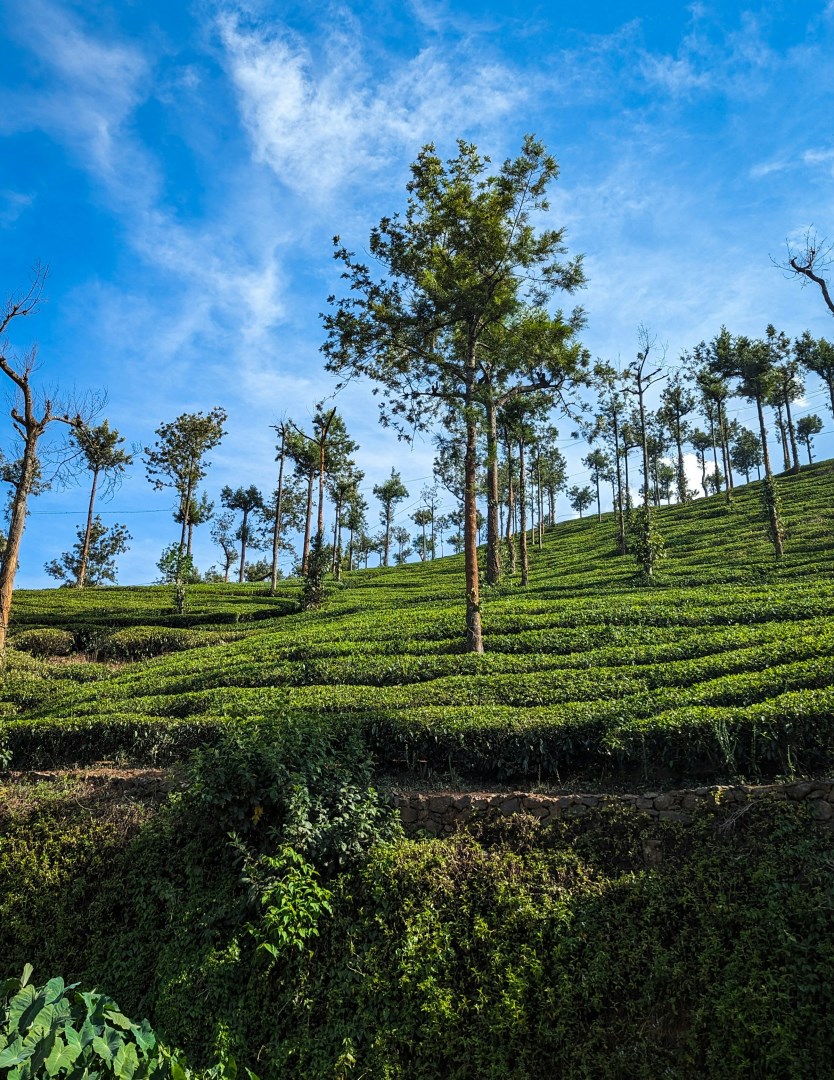
Thekkady
Thekkady is a town in India, located in the Idukki district of Kerala near the Periyar Wildlife Sanctuary in the Western Ghats. It serves as a key entry point to one of the country’s well-known protected forest areas, where hills, dense vegetation, and a large artificial lake define the landscape. The town itself is modest, with roads lined by spice shops, small lodges, and tour offices. Its setting within a highland region gives it a cooler climate compared to the plains, while its proximity to

Chobe National Park
Chobe National Park, located in the far northeastern corner of Botswana, is a haven for wildlife enthusiasts and one of Africa's premier safari destinations. Known for its immense elephant population—estimated at over 120,000—the park offers an unparalleled opportunity to witness these majestic creatures in their natural habitat
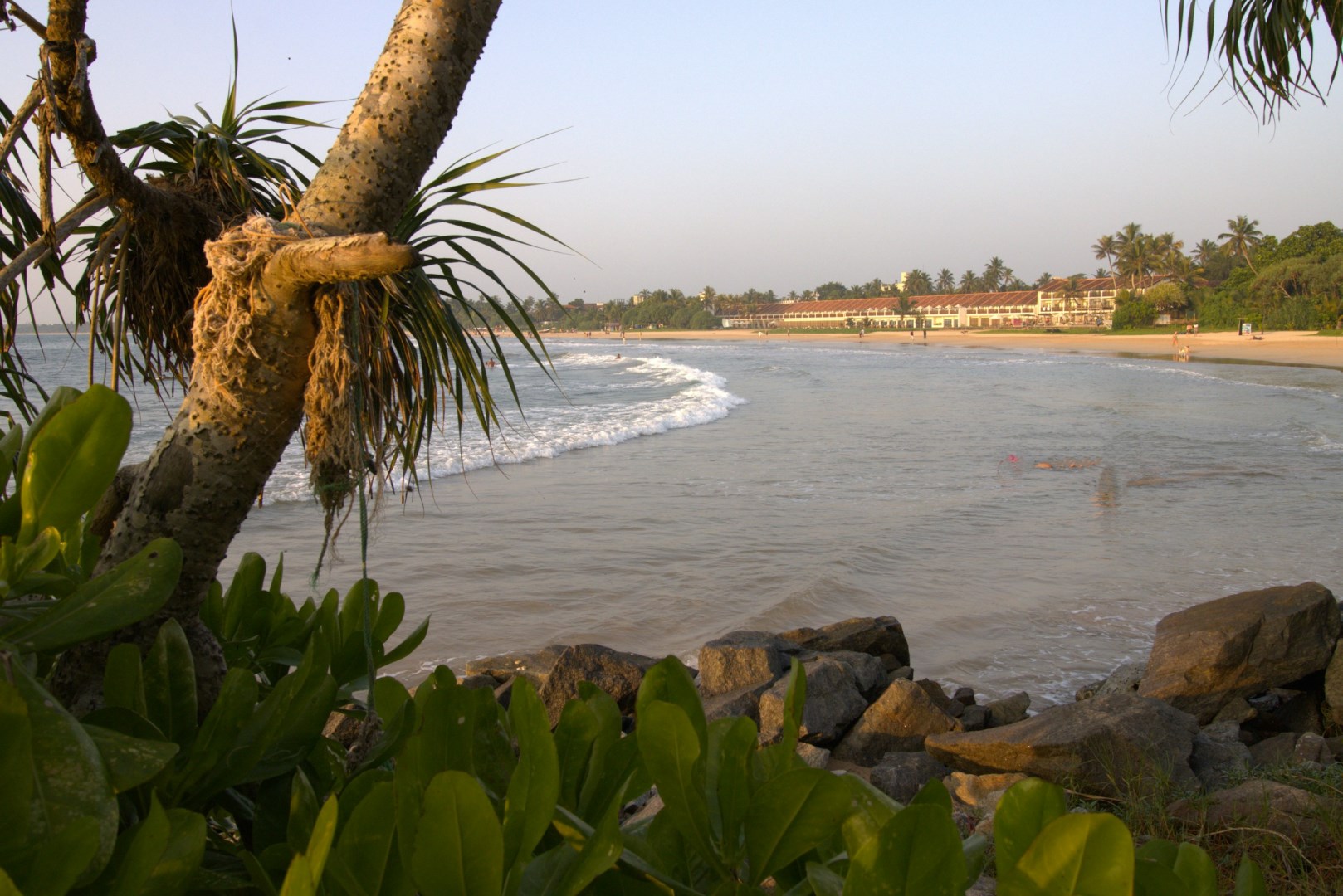
Bentota
Bentota is a coastal town in Sri Lanka’s Southern Province, positioned where the Bentara River meets the Indian Ocean. Its landscape is shaped by a broad sandy beach, the river’s waterways, and tropical vegetation, creating a setting where inland and coastal environments meet. Bentota is particularly associated with water-based recreation, including swimming, river excursions, fishing, windsurfing, waterskiing, snorkeling, and diving. The town is also known for Ayurveda, with wellness treatments
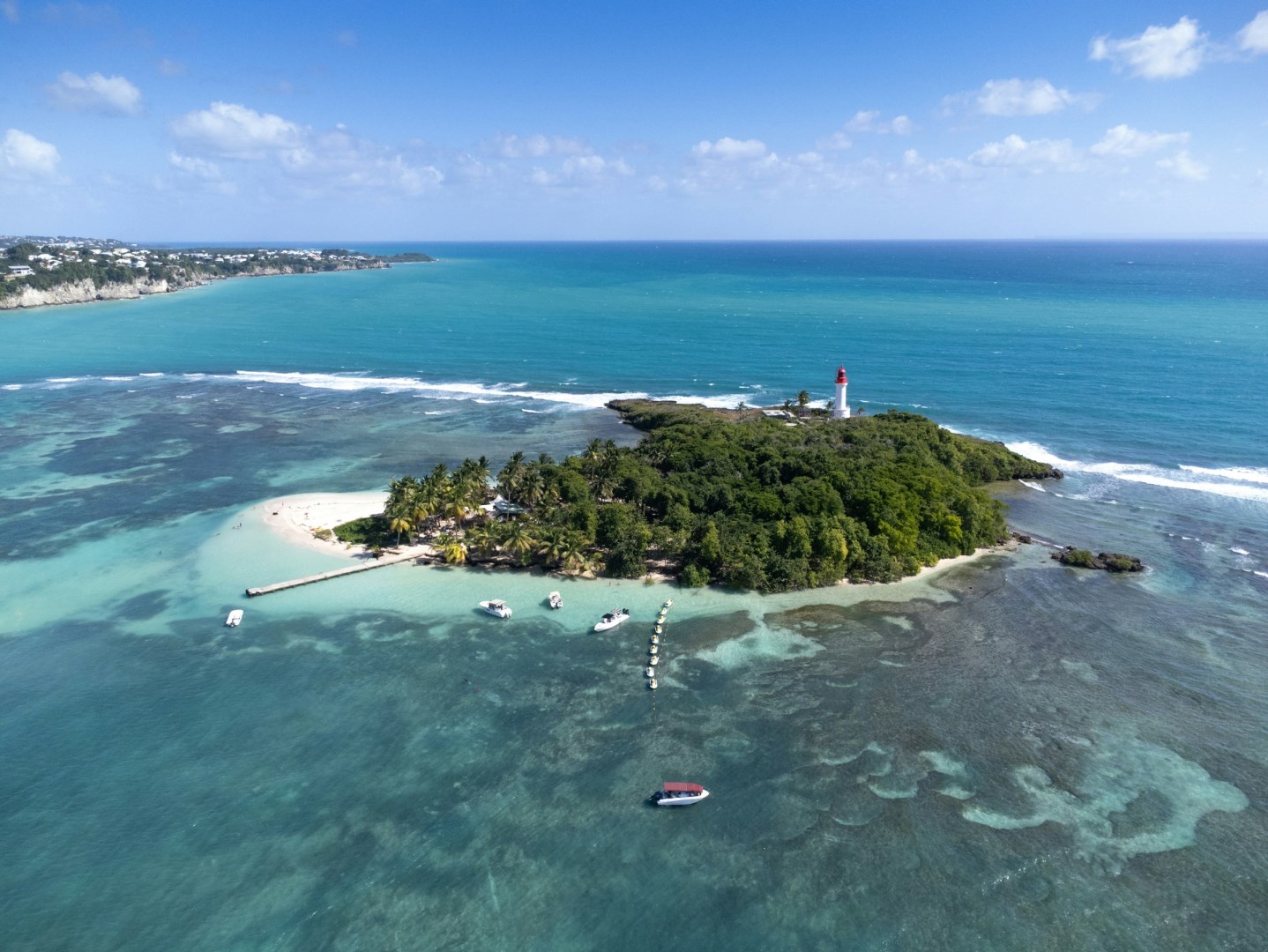
Le Gosier
Gosier, the largest tourist area, has the works - casino, resort hotels, scalloped sandy coves and an original village center which has managed to retain its local character.
