

Sapporo
Sapporo, (säp-pô´rô), capital of Hokkaido prefecture, SW Hokkaido, Japan. One of Japan's most rapidly growing urban centers, Sapporo is famous for its annual snow festival. It was the site of the 1972 winter Olympics.
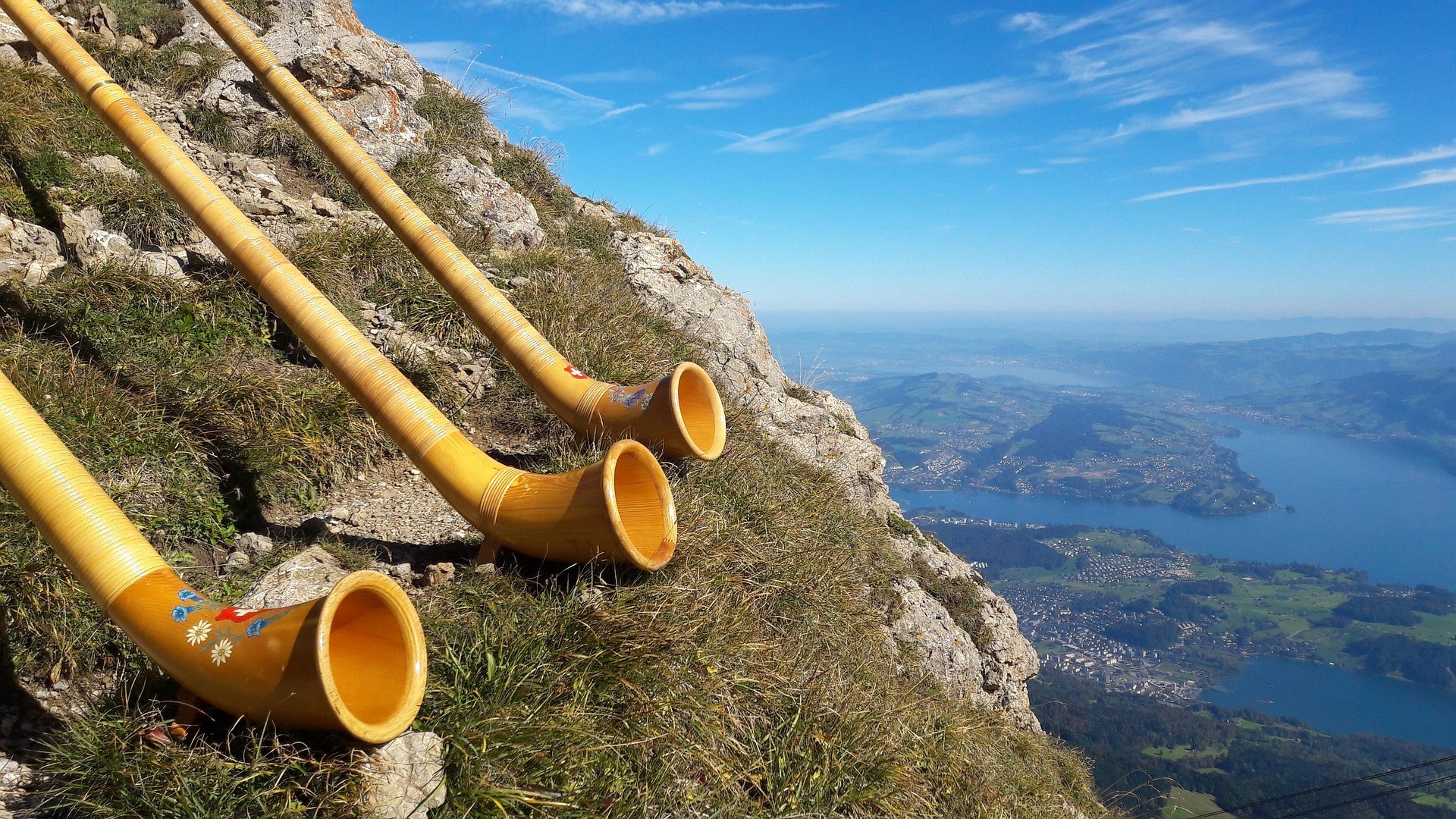
Switzerland
Switzerland's daily life appears to be full of contradictions: the old and the new, natural beauty and industrial production, neutrality and international frankness. These sharp contrasts go hand in hand, and this unity is the real reason that this small country in the heart of Europe has developed into such an important communication and trading partner in the world today. It is Switzerland's contrasts - its diversity which attracts both the businessman and the tourist alike.
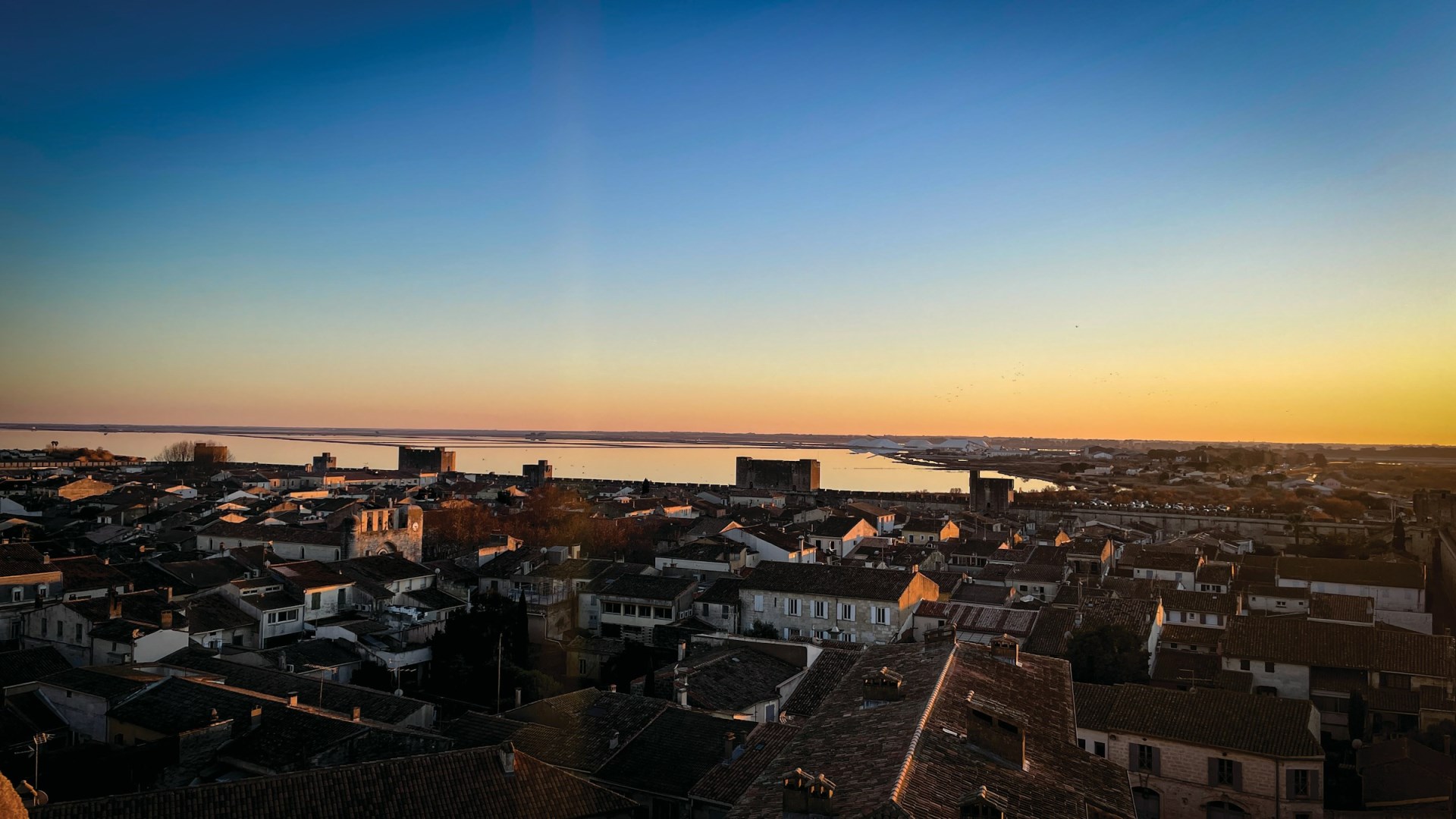
Aigues-Mortes
Aigues-Mortes is a fortified medieval town in the Camargue gardoise of southern France, surrounded by salt marshes, lagoons, and flat coastal plains. Its remarkably preserved stone walls enclose a compact historic centre of narrow streets, small squares, cafés, and historic buildings. The town's name means “dead waters,” reflecting the marshy landscape around it.
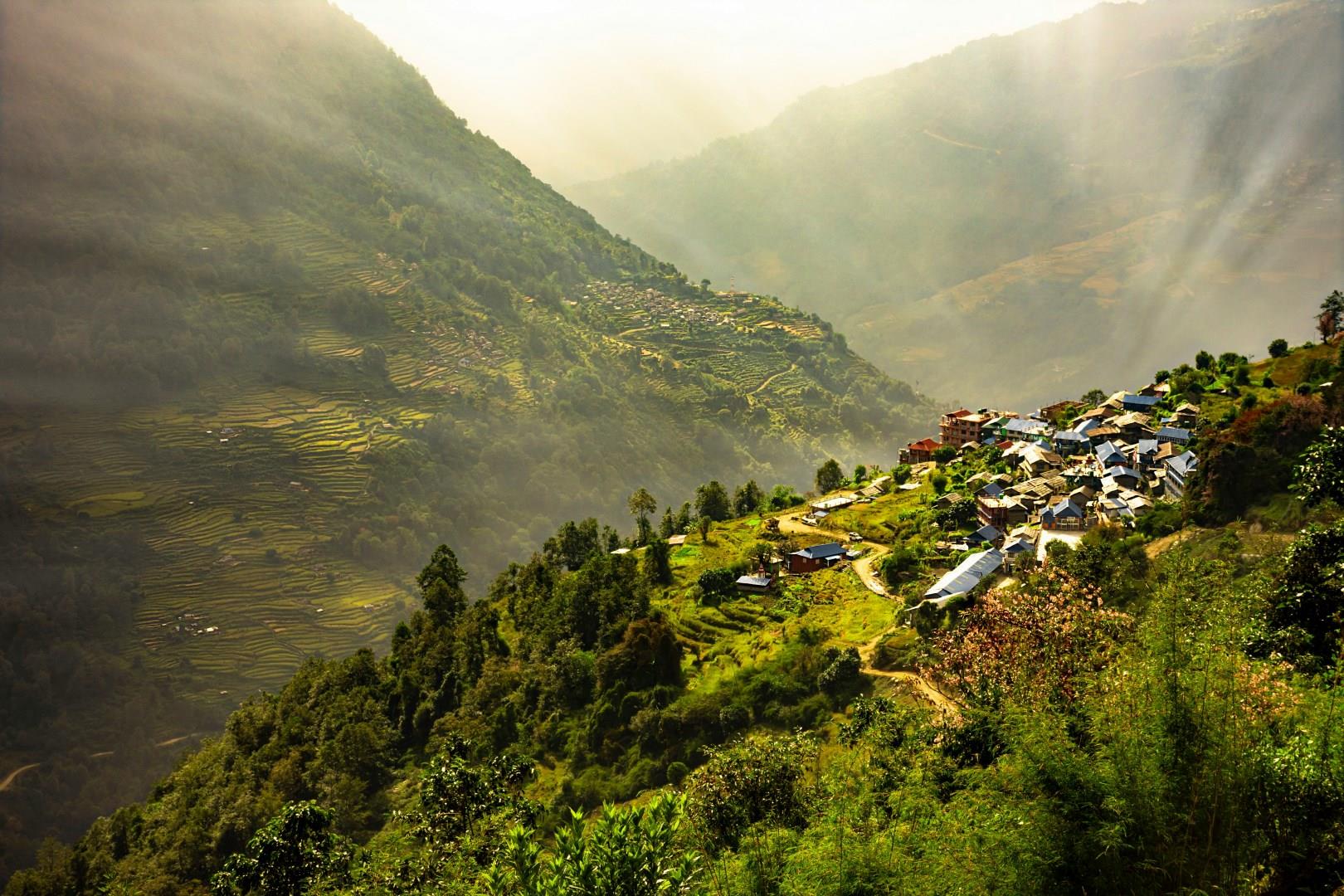
Ulleri
Ulleri is a small village in Nepal, located in the Annapurna region along the popular trekking route to Ghorepani and Poon Hill. It has traditionally served as a resting point for trekkers and local traders, with stone-paved streets and terraced fields reflecting centuries of Himalayan agricultural life.
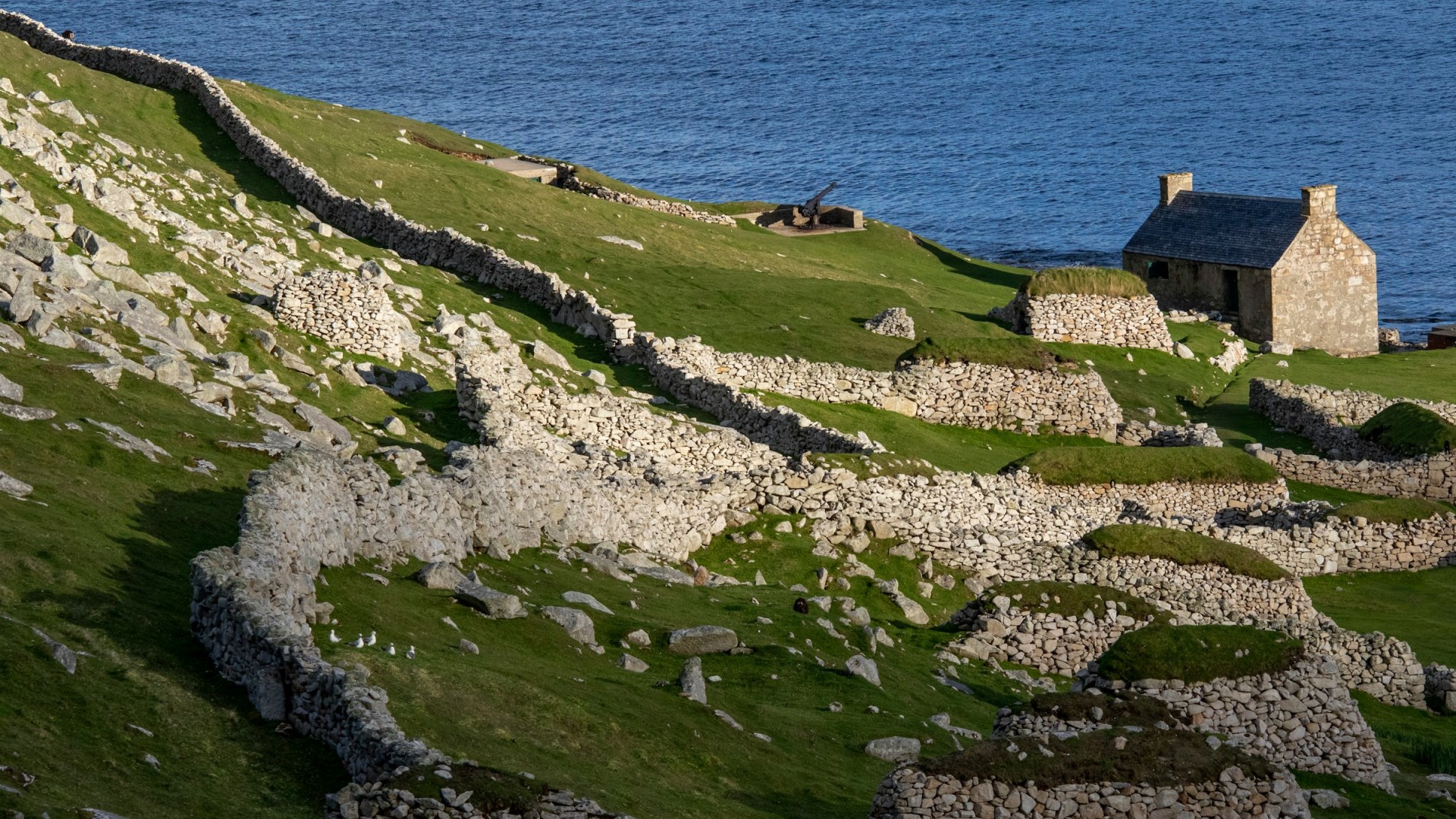
St. Kilda
St Kilda is a remote volcanic archipelago in the Atlantic Ocean, far west of Scotland’s Outer Hebrides. The group consists of Hirta, Dun, Soay, and Boreray, along with numerous sea stacks and smaller formations. Hirta is the largest island and contains the remains of the former settlement around Village Bay. No permanent civilian population lives on St Kilda today, although conservation workers, researchers, and Ministry of Defence personnel occupy Hirta at various times.
