
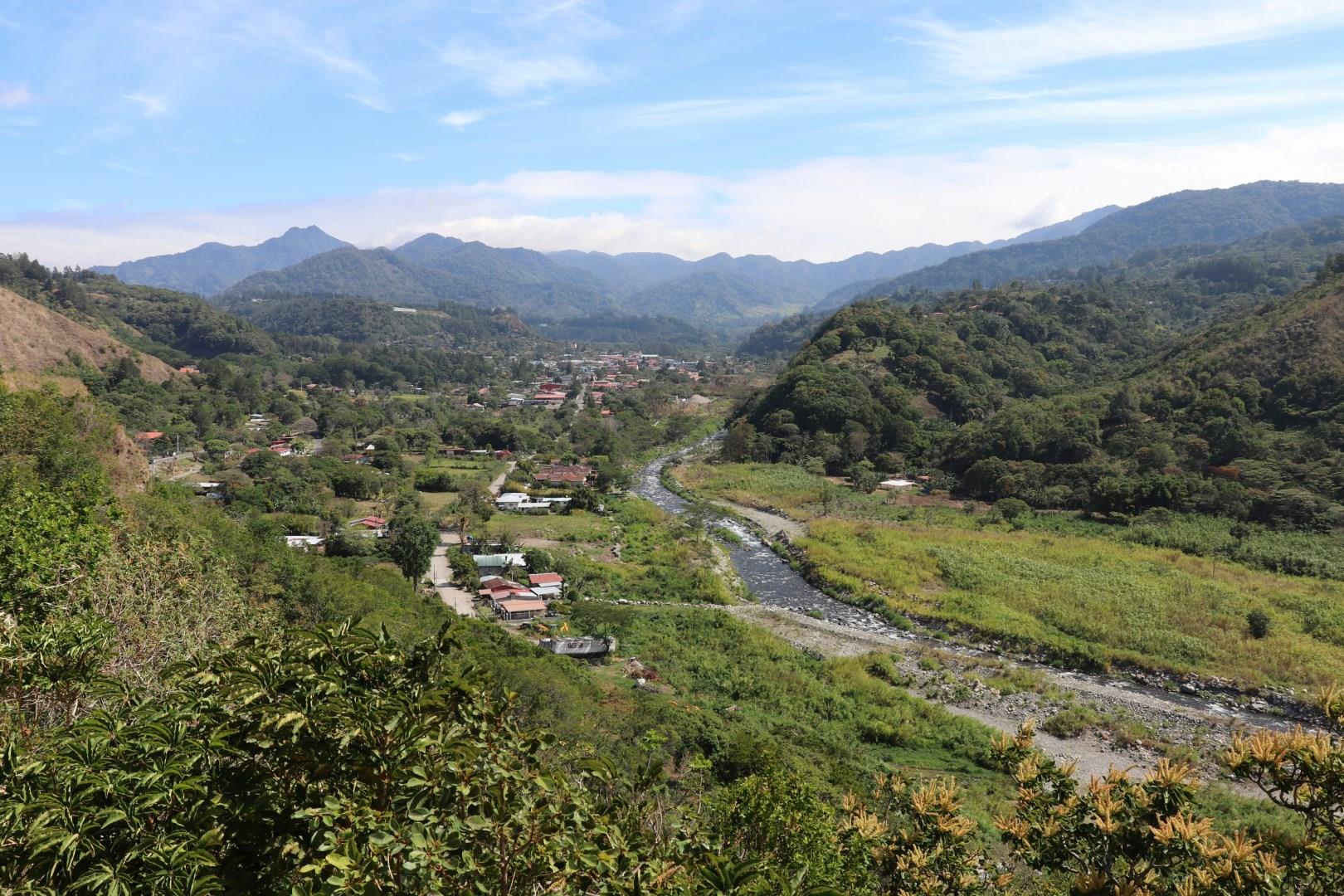
Chiriquí
Chiriquí, a province in western Panama, offers a striking variety of landscapes, from highland cloud forests to golden Pacific beaches. Bordered by Costa Rica to the west, it’s known for its rich agriculture, coffee plantations, and impressive volcano views. The capital city, David, serves as the main hub for travelers, but many of the region’s most memorable experiences are found in its rural towns, mountain valleys, and coastal areas.
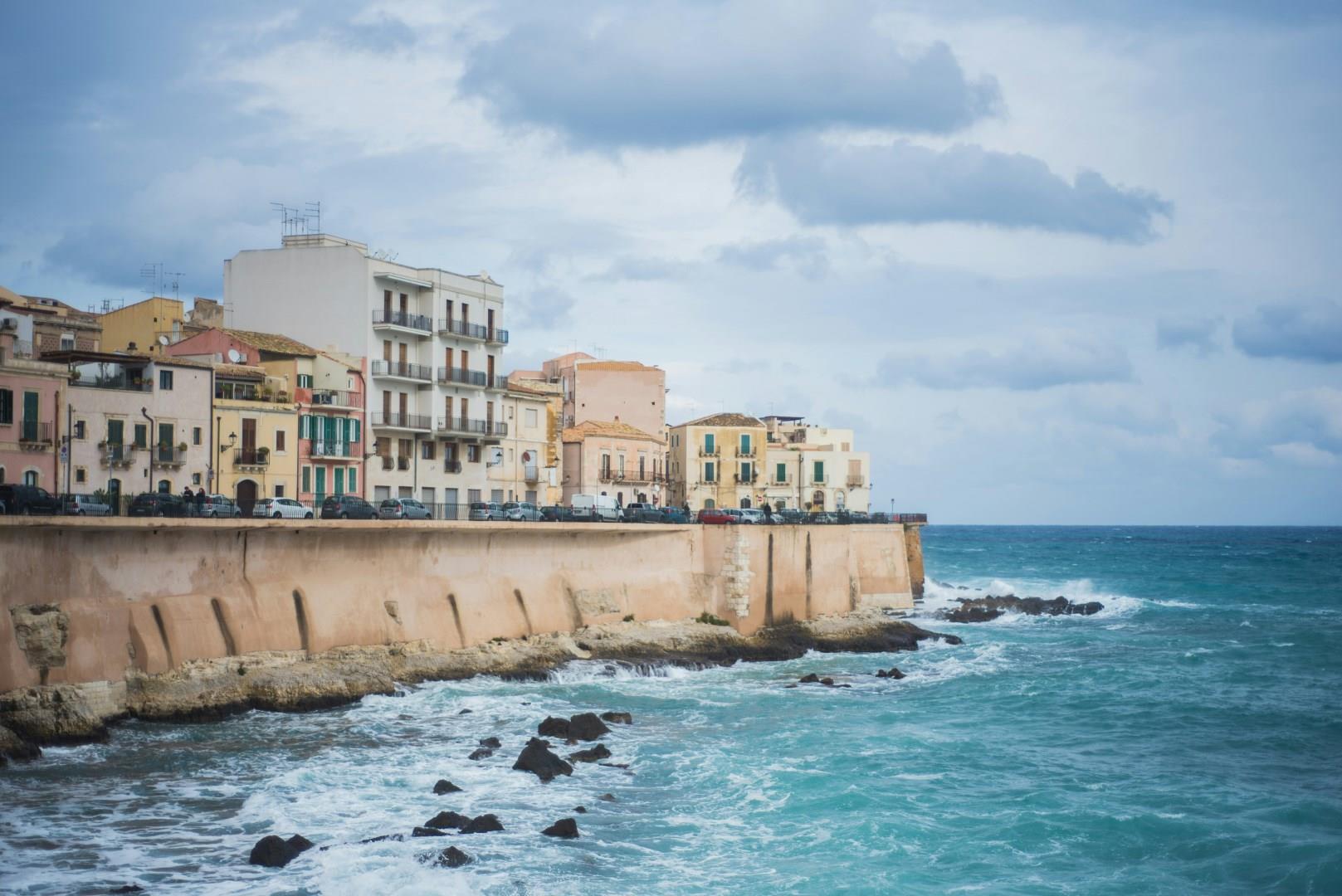
Syracuse
Syracuse, located on the eastern coast of Sicily, is a city where history and the sea converge in unforgettable ways. Founded by ancient Greeks in the 8th century BC, it became one of the most powerful city-states of its time. Today, visitors can explore the impressive archaeological park of Neapolis, which features a vast Greek theatre, Roman amphitheater, and the Ear of Dionysius, a limestone cave known for its remarkable acoustics.

Arles
Nestled between two nature parks and the Rhône River, picturesque Arles will absolutely delight any traveler to the south of France. Situated near Marseille in the Provence-Alpes-Côte d’Azur region, Arles boasts small town charm and its architectural treasures have been heavily influenced by the city’s role as an ancient Roman capital.
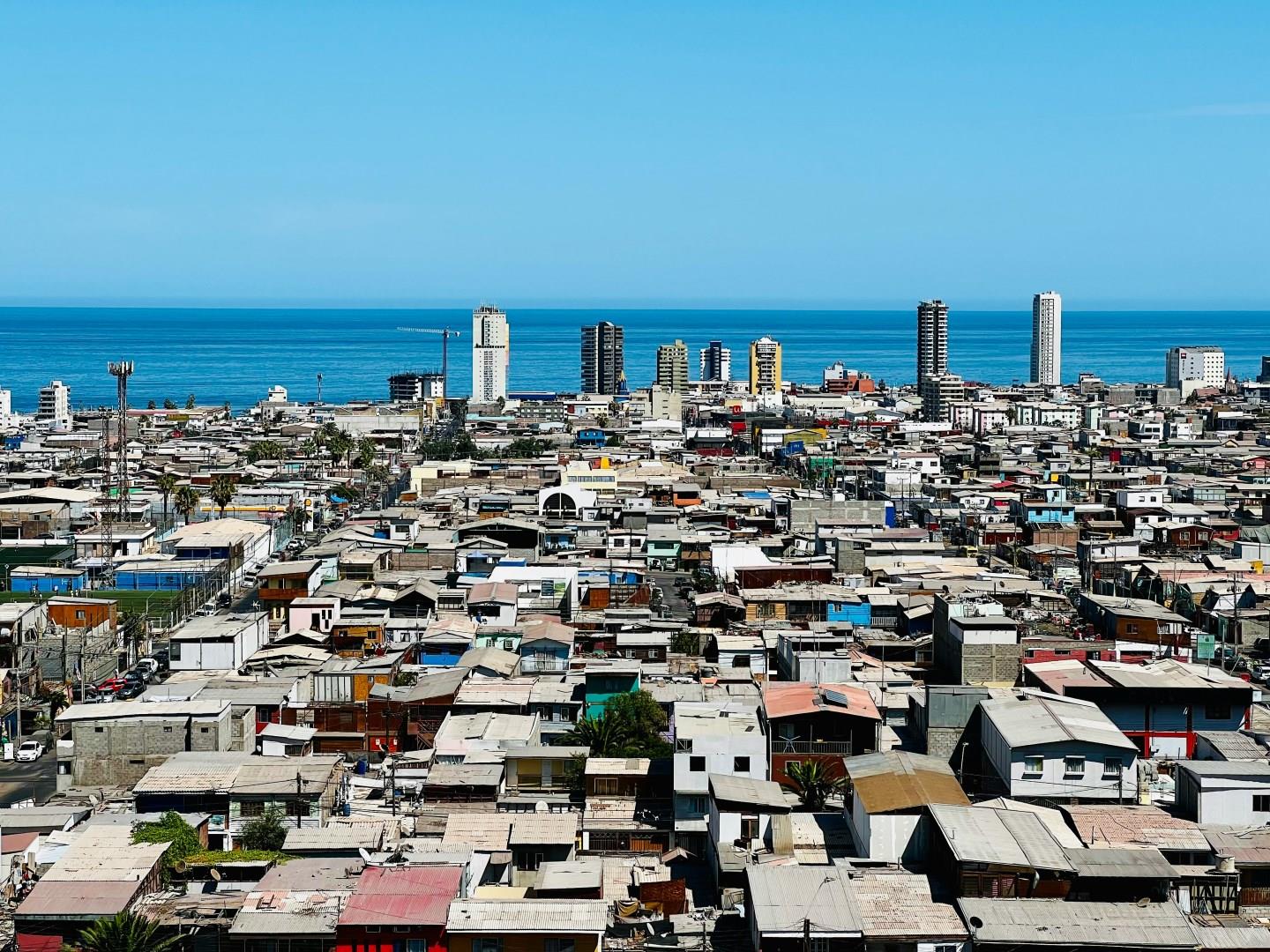
Iquique
Iquique, perched between the Pacific Ocean and the sweeping sand dunes of the Atacama Desert, offers more than just sun and surf. This coastal city in northern Chile is a duty-free port, drawing visitors with its unique blend of high-end shopping, historic districts, and adrenaline-filled adventures. Whether wandering along the palm-lined Baquedano Boulevard or gliding down the towering sand dunes on a sandboard, Iquique surprises at every turn.
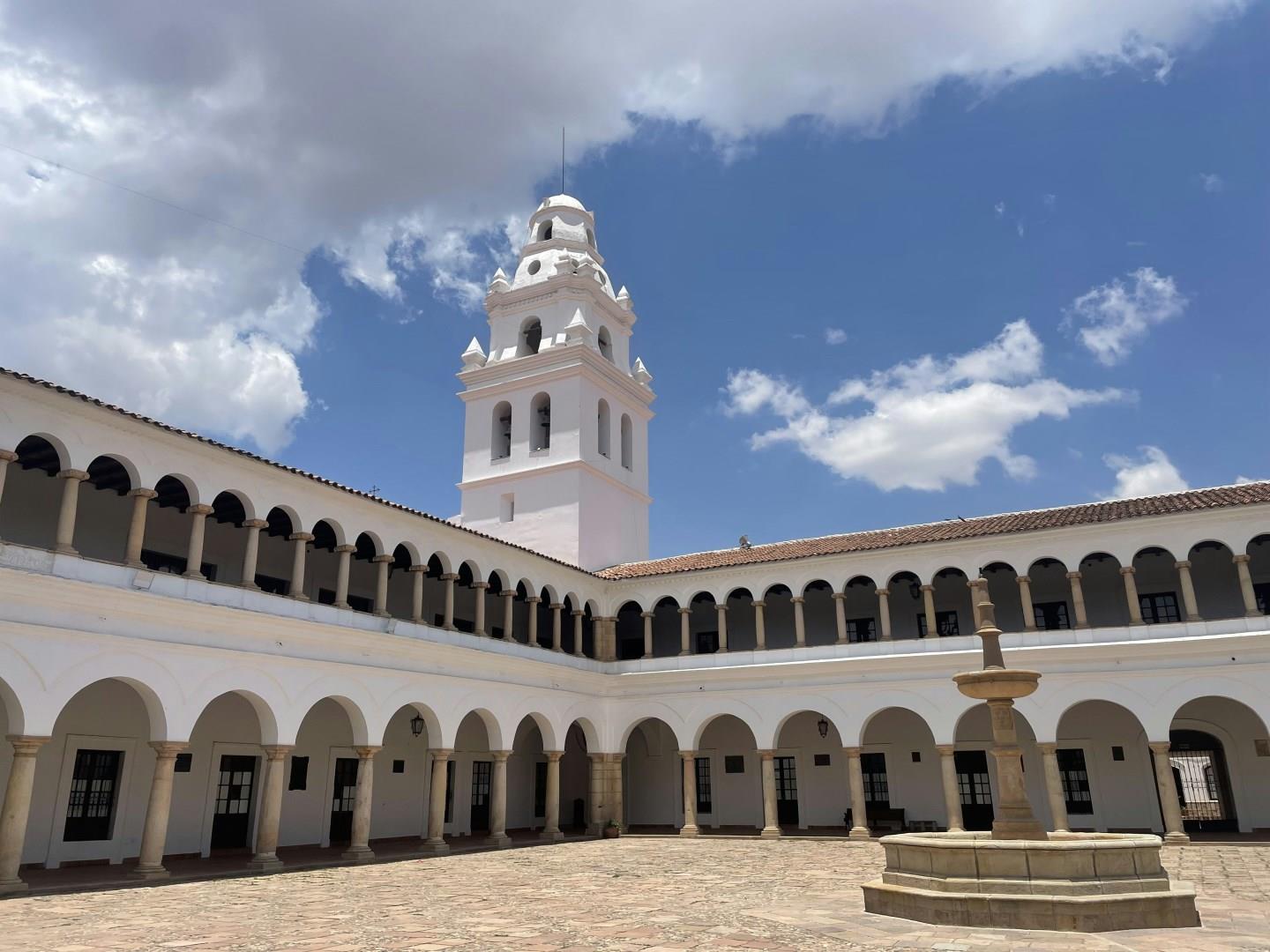
Sucre
Sucre, Bolivia’s constitutional capital, is a city steeped in history and colonial charm. Founded in the 16th century by the Spanish, it played a pivotal role in South America’s independence movements, earning its place as the birthplace of the Bolivian Republic.
