
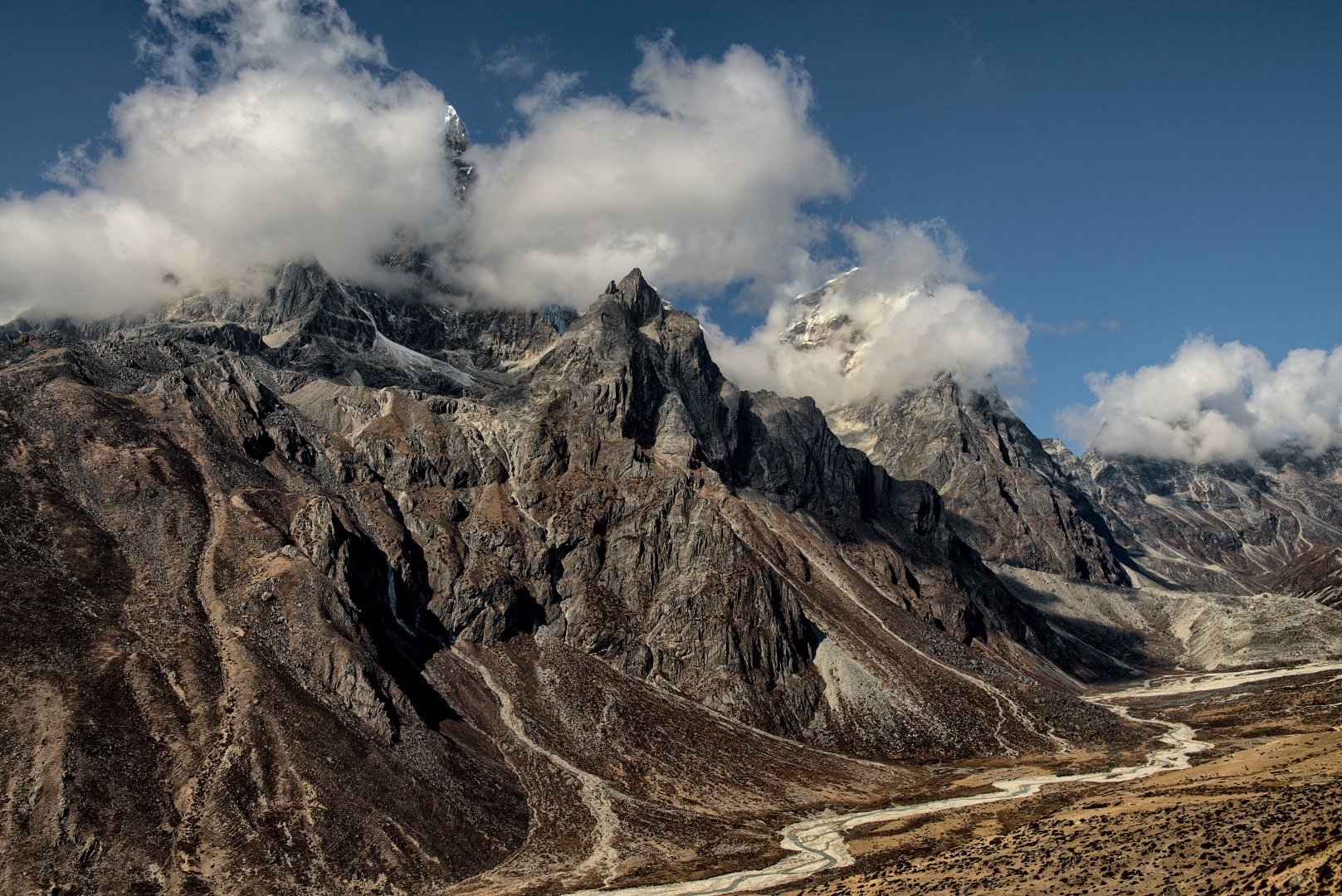
Lobuje
High in the Khumbu region, Lobuche sits in a stark alpine setting along the trail toward Mount Everest. Surrounded by rocky terrain and glacial formations, the village stands close to the Khumbu Glacier, where the landscape shifts into shades of gray, white, and deep blue. The air here is thin and crisp, and the silence is often broken only by the wind moving across the valley.
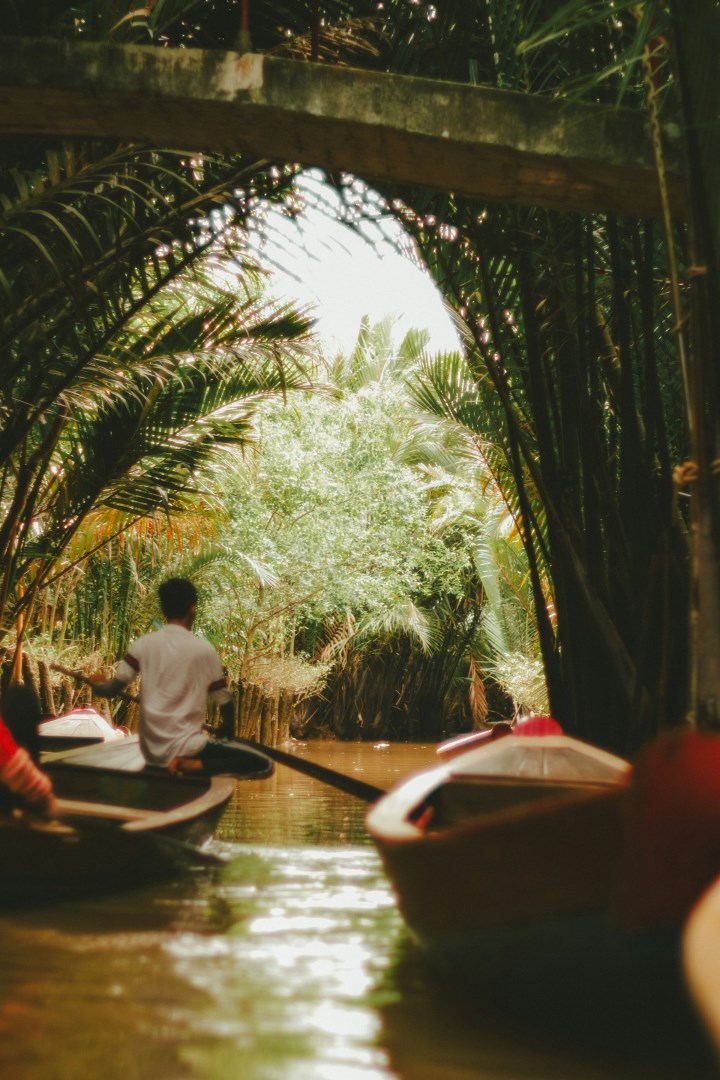
Ben Tre
As the capital of the Ben Tre Province, the city of Ben Tre is located in southern Vietnam on the Mekong Delta. Connected to other provinces by a network of bridges, the town draws less tourist traffic than nearby My Tho and Tra Vinh.
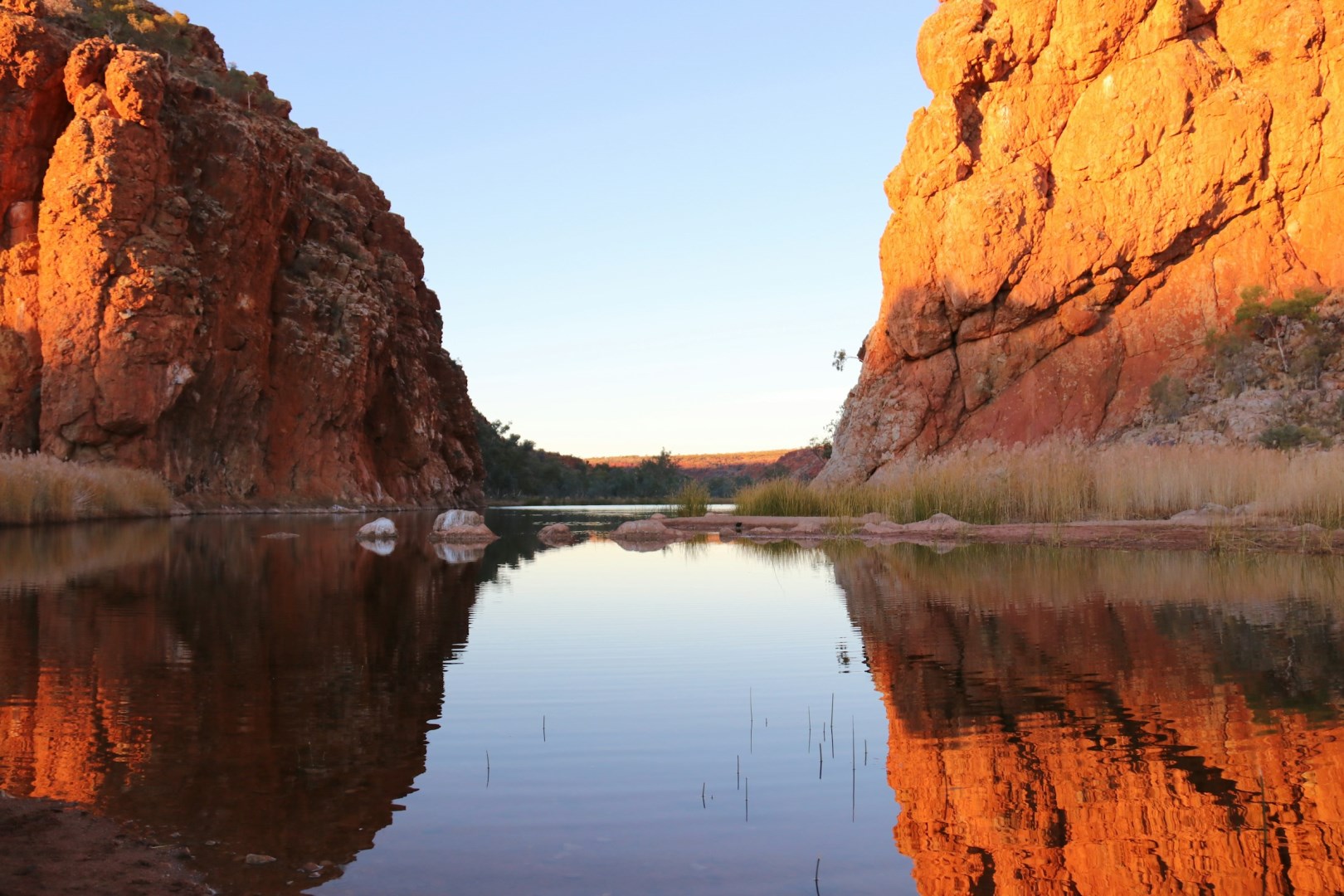
Tjoritja / West MacDonnell National Park
Tjoritja / West MacDonnell National Park lies west of Alice Springs in the Northern Territory, extending for about 161 kilometres along the rugged West MacDonnell Ranges. The park is known for red quartzite ridges, steep-sided gorges, dry riverbeds, and permanent waterholes that provide important refuges for plants and animals. Its landscapes are part of a much older geological setting shaped by erosion and changing climates.

Patagonia
Patagonia, Argentina, is a land of untamed beauty, where jagged peaks, expansive glaciers, and crystal-clear lakes come together to create one of the most awe-inspiring landscapes on Earth.

The Dolomites
The Dolomites, a spectacular mountain range in northern Italy, offer a captivating blend of dramatic landscapes and outdoor adventure. Renowned for their unique jagged peaks and stunning natural beauty, the Dolomites are part of the Southern Limestone Alps and are a UNESCO World Heritage Site.
