
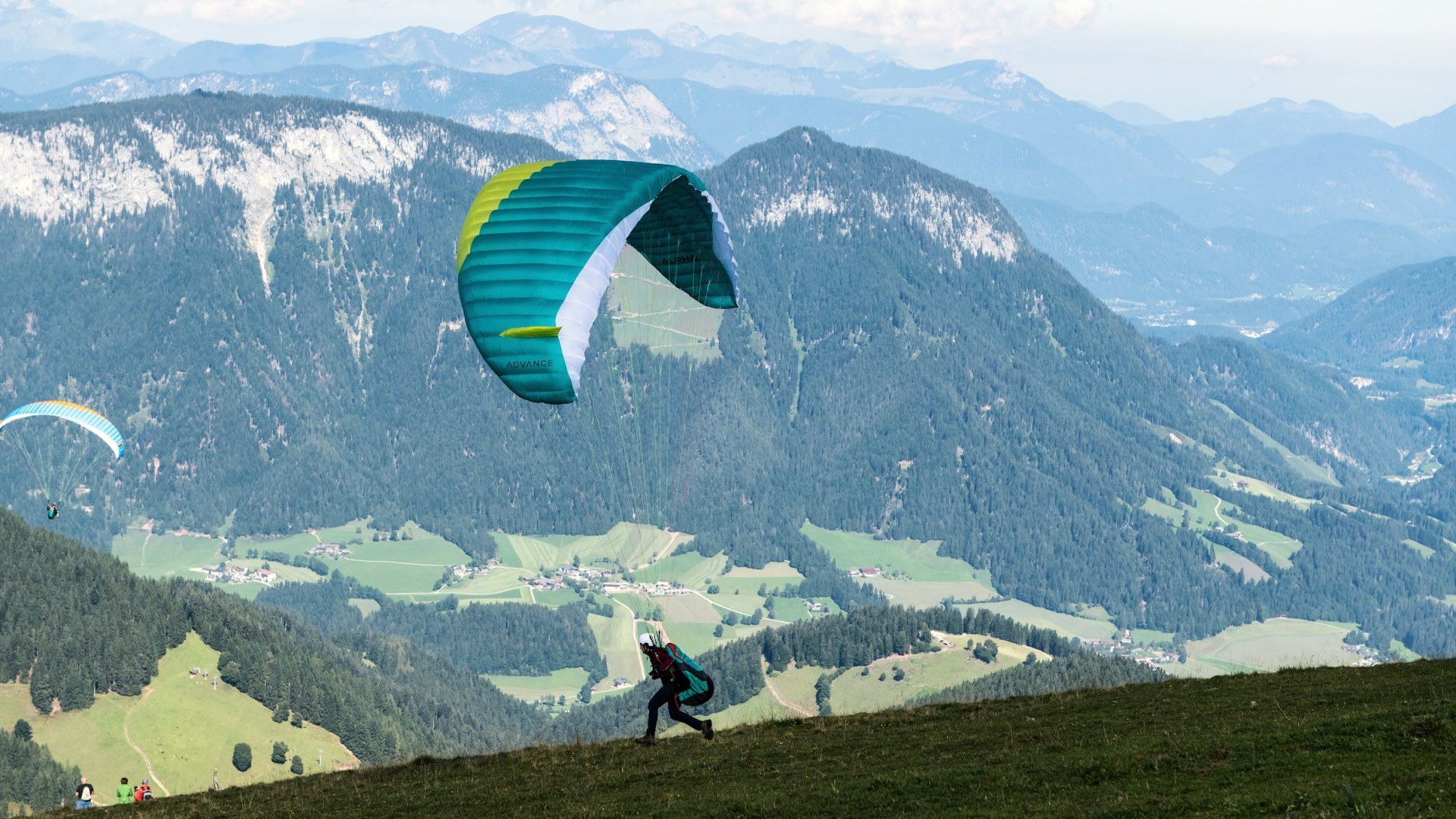
Hopfgarten
Hopfgarten im Brixental is a market town in Tyrol, Austria, located in the Brixental valley beneath the Hohe Salve mountain. The municipality includes a compact historic center surrounded by meadows, wooded slopes, and mountain peaks. Its position within the Kitzbühel Alps makes it a year-round base for outdoor activities, with extensive hiking and cycling routes in warmer months and access to ski areas in winter.
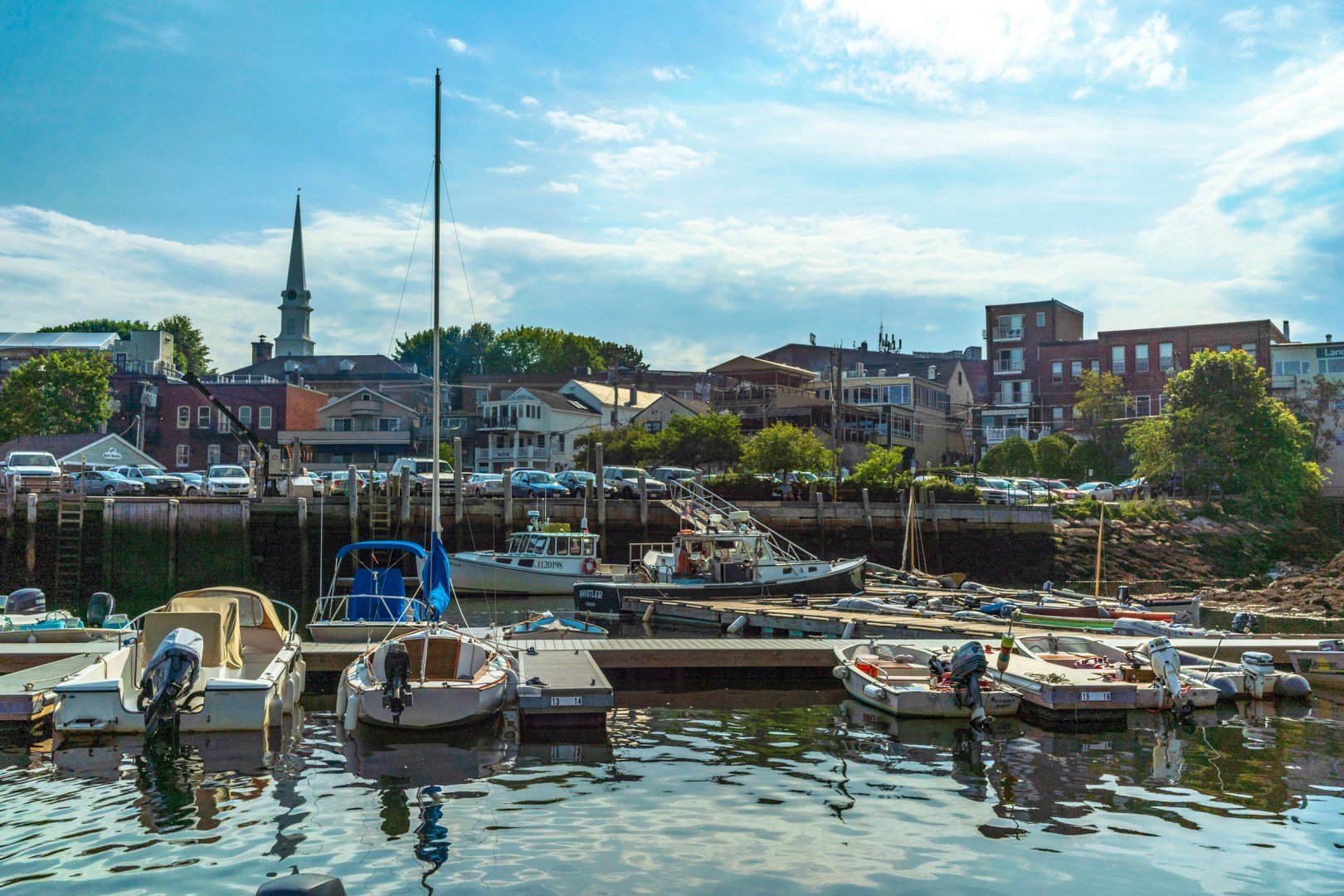
Camden
Camden is a coastal town in Maine on the western shore of Penobscot Bay, where forested hills meet a deep harbor and rocky shoreline. Its compact downtown sits between the harbor and the lower slopes of Mount Battie, giving the town a distinctive setting within the Midcoast region.

Nuva Hiva
Nuku Hiva, the largest island in the Marquesas archipelago, offers an unparalleled escape into Polynesian paradise. This rugged island is renowned for its dramatic landscapes, characterized by lush valleys, towering cliffs, and volcanic peaks.

Malaysia
Located in Southeast Asia, Malaysia consists of two distinct regions—Peninsular Malaysia and Malaysian Borneo—each offering unique opportunities. With its stunning landscapes and world-class food scene, Malaysia offers an unforgettable travel experience.
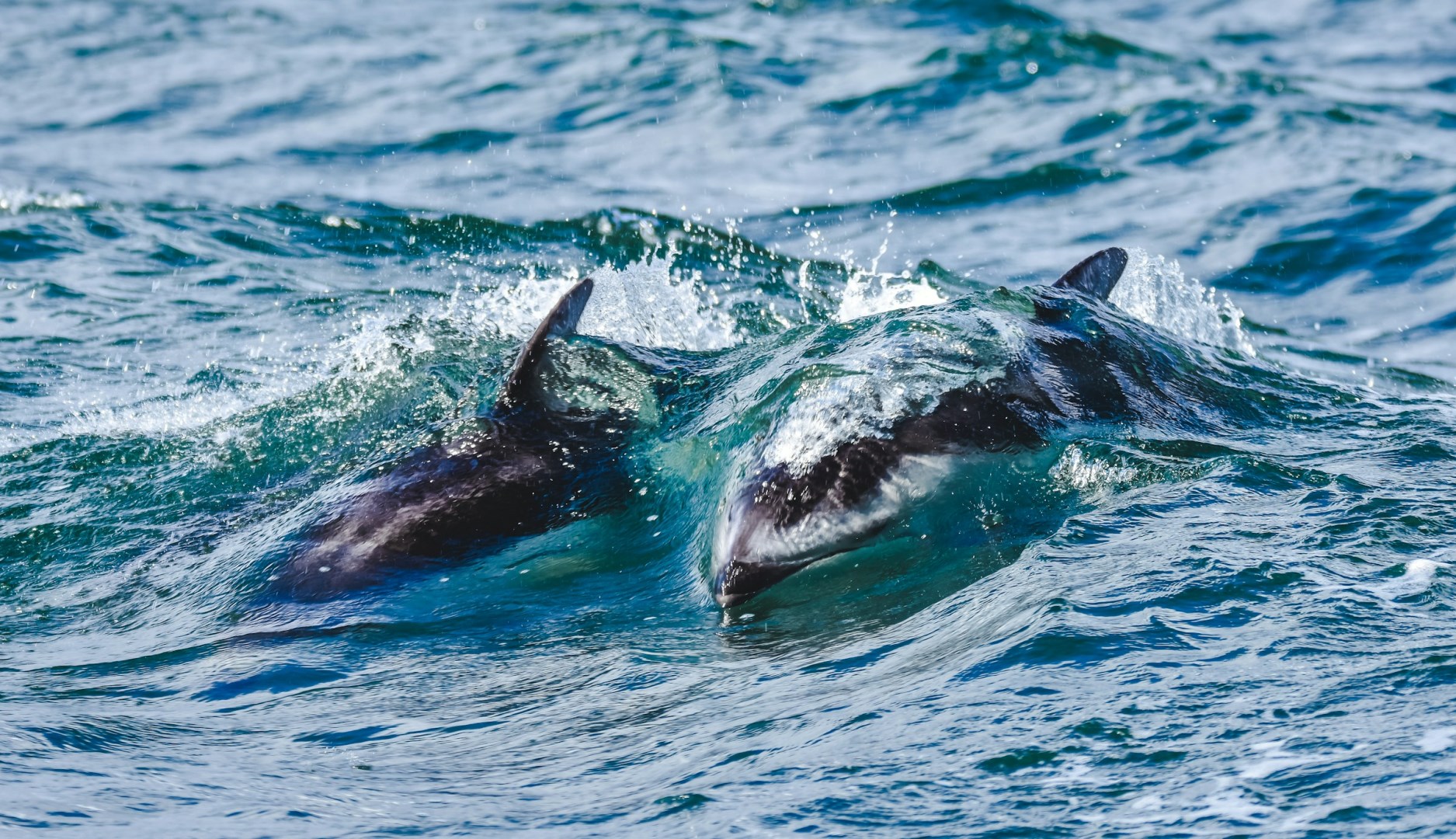
Cormorant Island
Cormorant Island is a small, forested island off the northeastern coast of Vancouver Island in British Columbia, with Alert Bay as its main community. The island faces the sheltered waters of the Broughton Strait and Queen Charlotte Strait, where coastal forests meet rocky shorelines, tidal marshes, and marine habitats.
