
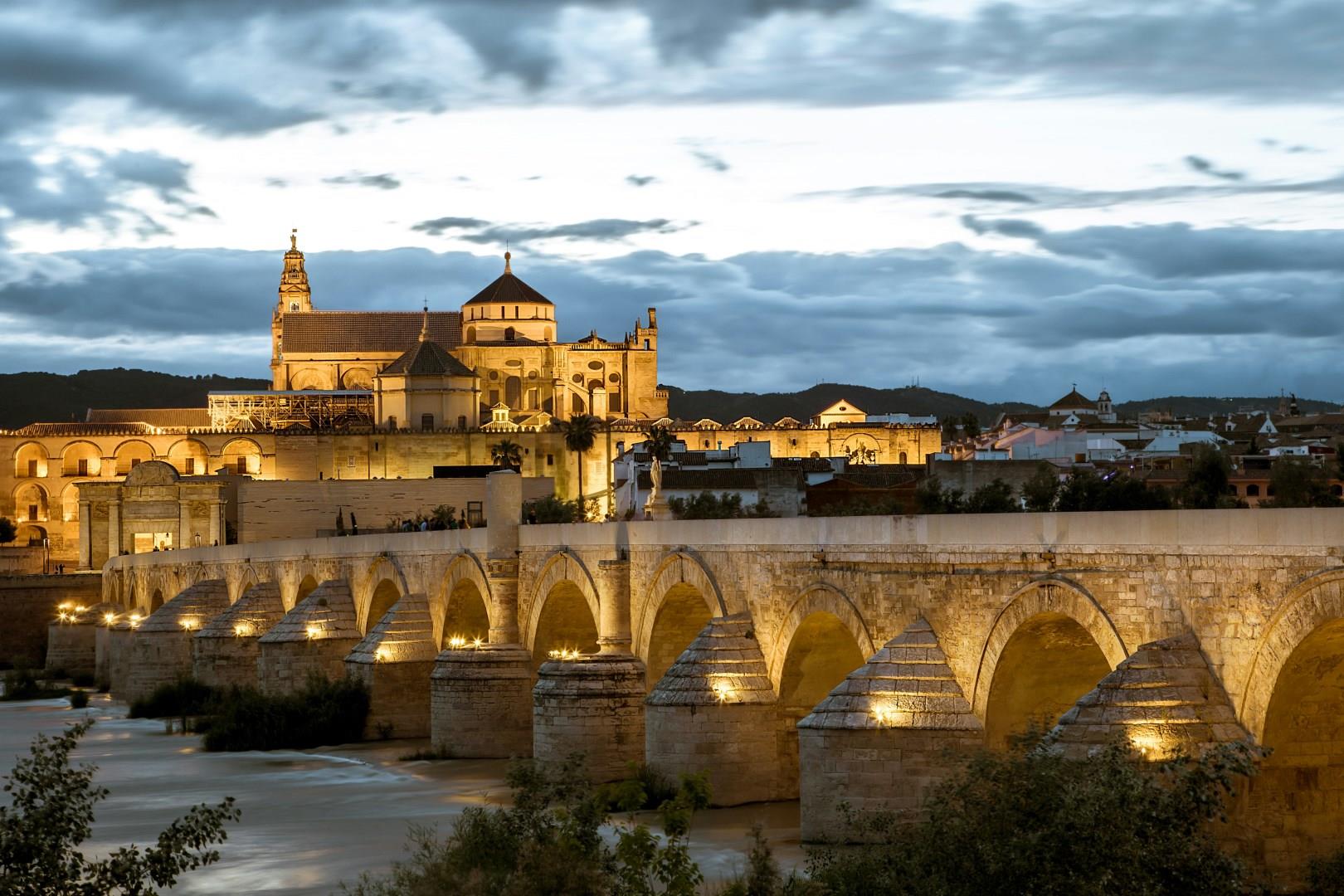
Córdoba
Córdoba, located in the heart of Andalusia, was once the most advanced city in Western Europe. During the 10th century, it served as the capital of Al-Andalus and was a center for learning, science, and art. Today, visitors walk the same streets that philosophers, poets, and physicians once crossed. The city’s most famous landmark, the Mezquita-Catedral, reflects its layered past. The red and white horseshoe arches inside are one of the most photographed interiors in Spain.
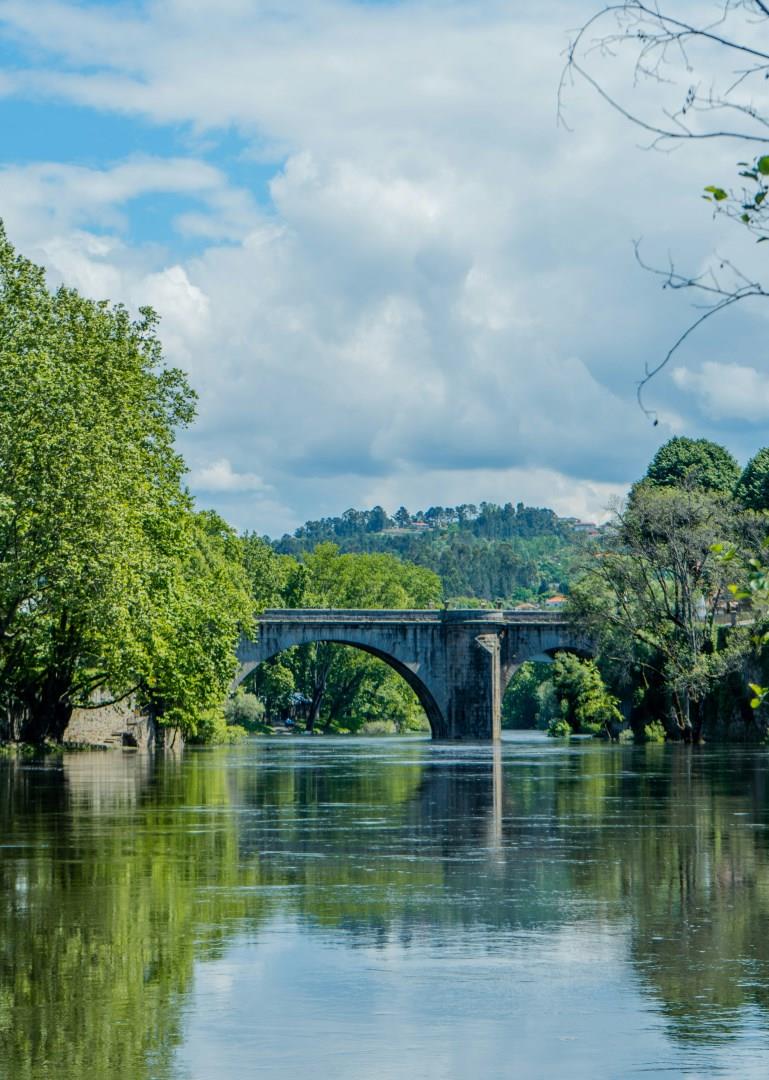
Amarante
Amarante, located in Portugal’s northern region of Tâmega e Sousa, sits quietly along the banks of the Tâmega River, framed by stone bridges, historic churches, and lush hills. The city is best known for its connection to São Gonçalo, a 13th-century monk whose name now graces the arched bridge and the grand convent-church that stands beside it.

Venezuela
Venezuela is a country of contrasts, offering travelers a mix of rainforests, savannas, and Caribbean beaches. The country is home to unique destinations like Canaima National Park, where the world-famous Angel Falls, the tallest waterfall on Earth, cascades from an incredible height of 979 meters (over 3,200 feet). Visitors can take boat trips through jungle rivers, explore the iconic tabletop mountains, and marvel at the landscapes.

Toiny
Toiny is a quiet, scenic village located on the eastern coast of Saint Barthélemy (St. Barts), known for its unspoiled natural surroundings and authentic Caribbean charm. Unlike the more developed west coast beaches, Toiny offers a serene retreat where rolling hills meet the Atlantic Ocean, and dramatic cliffs frame the coastline.

Colorado
Colorado, a gem nestled in the Rocky Mountains of the United States, offers a diverse array of experiences that cater to outdoor enthusiasts, culture seekers, and history buffs alike. The state's stunning landscapes range from the snow-capped peaks of the Rockies to the vibrant red rock formations of the Colorado Plateau.
