

Cinque Terre
Cinque Terre, a UNESCO World Heritage Site, is a slice of Italian paradise nestled along the rugged Ligurian coast. This collection of five fishing villages—Monterosso, Vernazza, Corniglia, Manarola, and Riomaggiore—offers visitors a breathtaking landscape of pastel-colored homes perched on cliffs overlooking the Mediterranean.
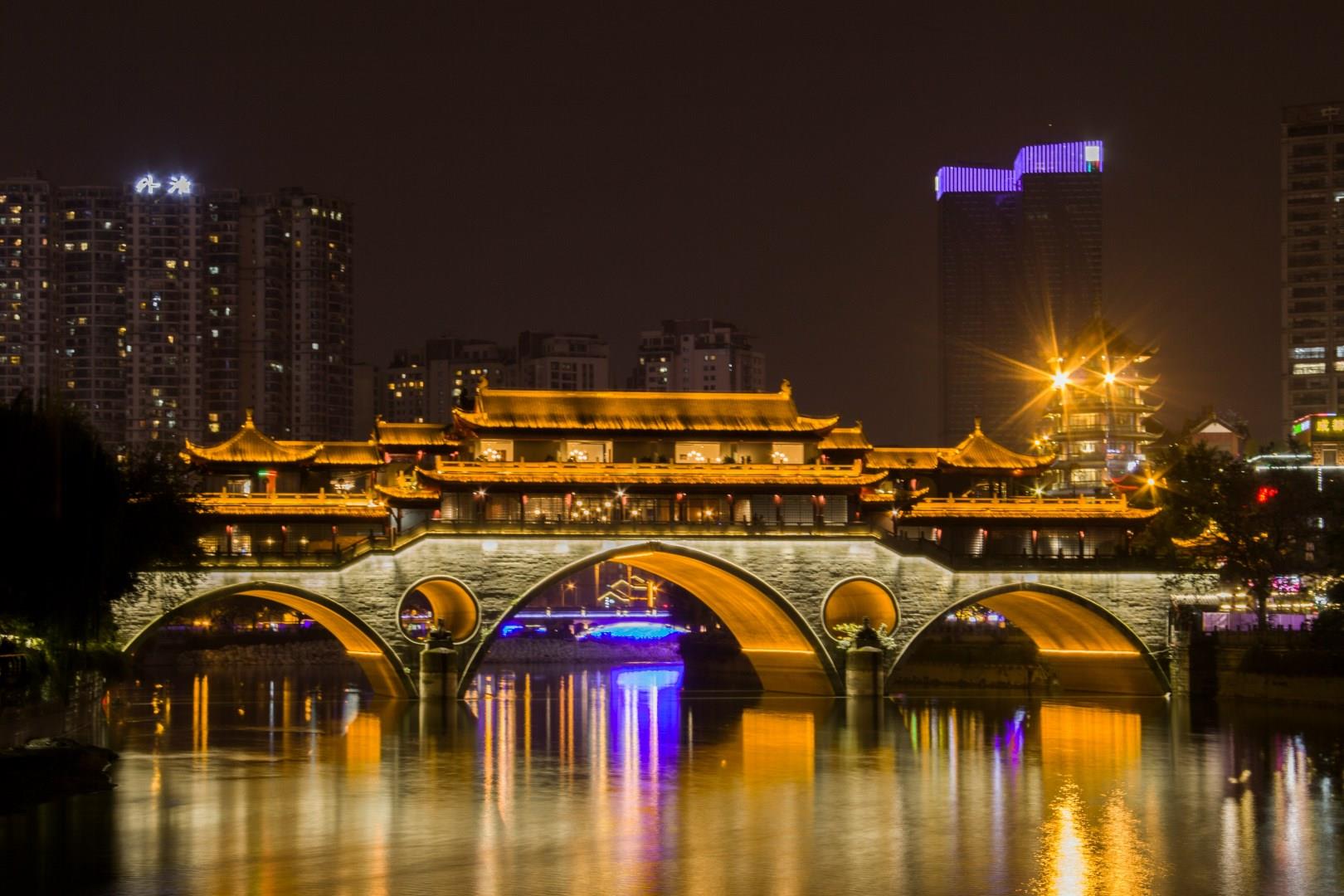
Chengdu
Chengdu, the capital of China's Sichuan Province, blends modern urban life with centuries of history. It is famous as the home of the giant panda, but its cultural significance extends far beyond wildlife.
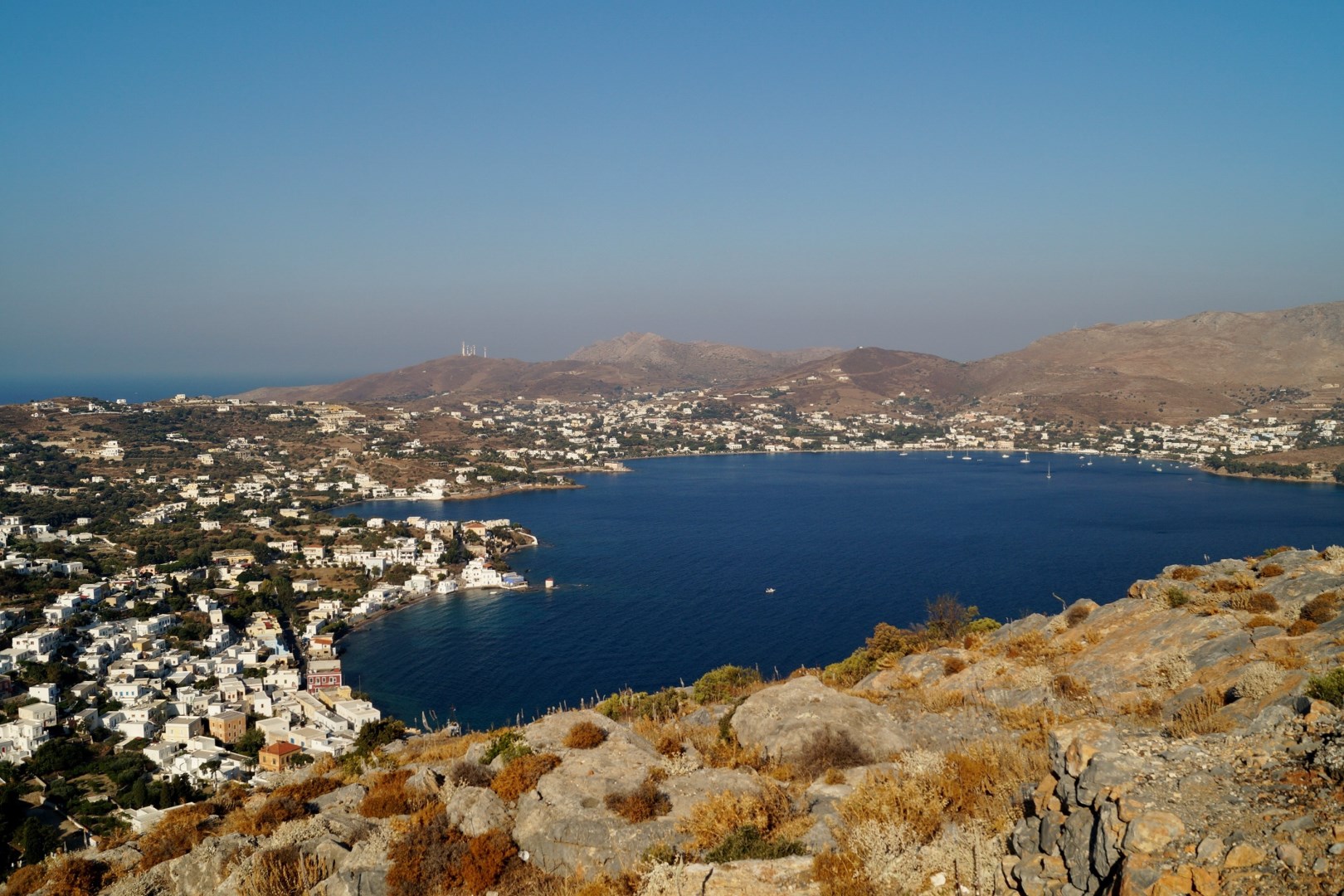
Leros Island
Leros Island, Greece, rests quietly in the Aegean Sea, offering a combination of sun-drenched beaches and historical landmarks that invite exploration. The main town, Agia Marina, spreads along a natural harbor, where fishing boats and small yachts sway gently against the backdrop of colorful houses climbing the hillside. Winding streets reveal a mix of architecture, from traditional whitewashed homes to neoclassical buildings.
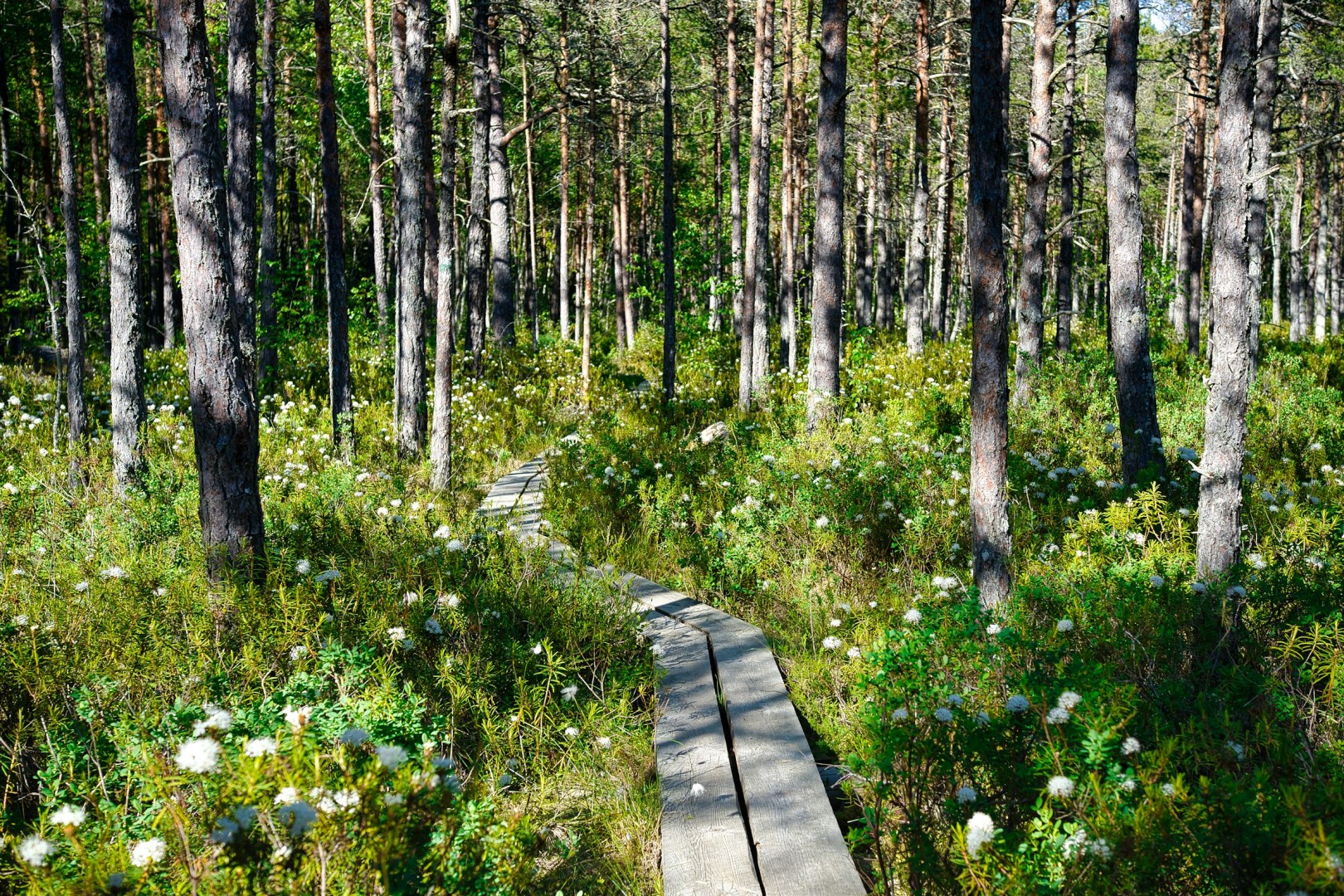
Lahemaa National Park
Lahemaa National Park is a large protected area on Estonia’s northern coast, facing the Gulf of Finland and combining forests, wetlands, rocky shores, sandy beaches, and small islands. It is Estonia’s oldest and largest national park, with landscapes that change noticeably between the coast and the inland forests. The park also protects cultural heritage, including traditional fishing villages, historic manor estates, and old farm landscapes.
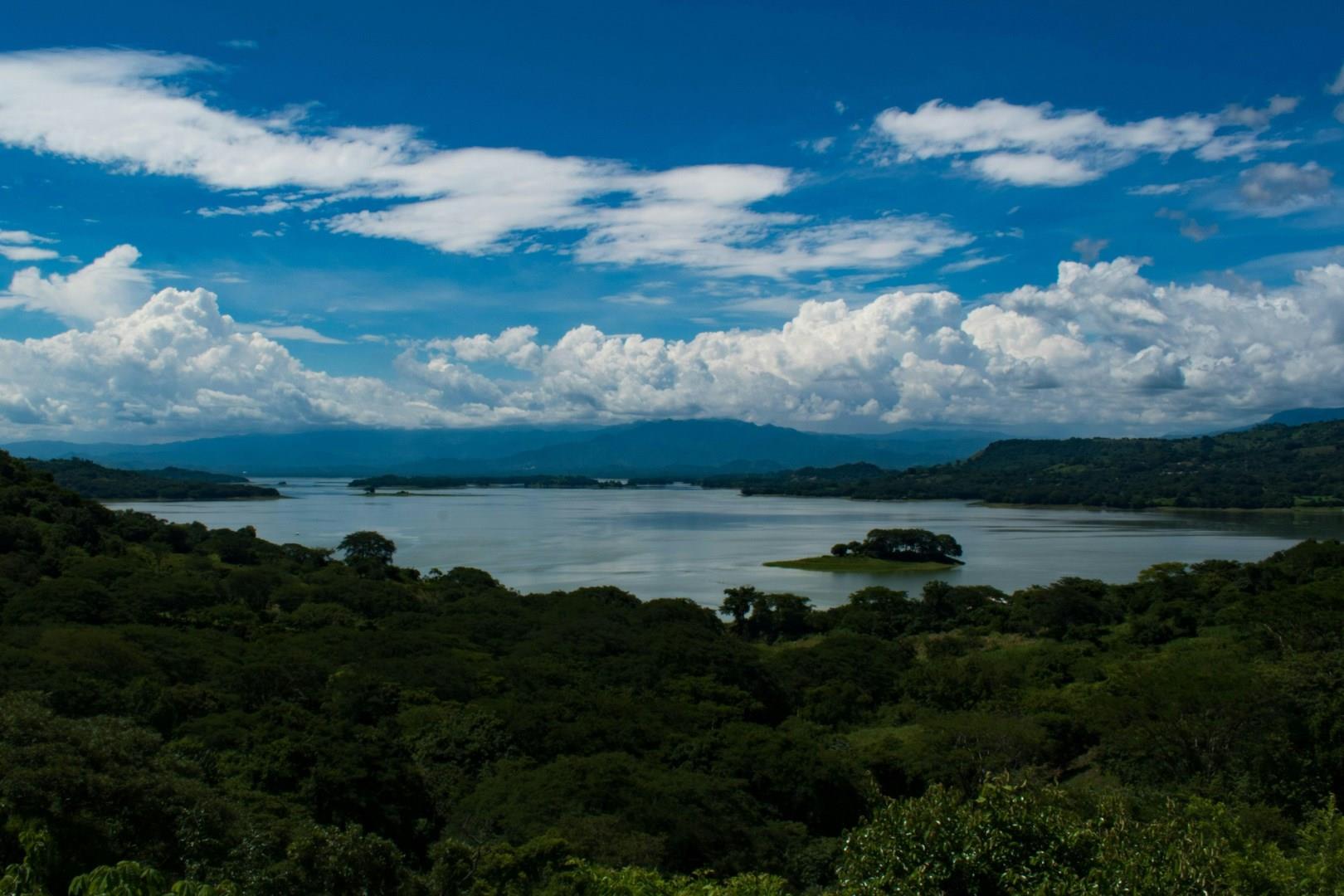
Suchitoto
Suchitoto, located in the Cuscatlán department of El Salvador, is a hilltop town known for its cobblestone streets and scenic views of Lake Suchitlán. Once an important center for indigo production, the town still celebrates its dye-making history through artisan workshops where visitors can learn to create textiles using natural indigo. The name “Suchitoto” comes from the Nahuatl language and means “place of flowers and birds,” a nod to the area’s diverse birdlife and surrounding vegetation.
