

Bali
Bali, an island province of Indonesia, has been shaped by centuries of Hindu influence, volcanic activity, and a deep connection between daily life and ritual. The island’s temples are a major part of its landscape as more than 20,000 exist across Bali. One of the most visited is Uluwatu Temple, perched dramatically on a cliff 70 meters above the Indian Ocean.

Dominica
Dominica, known as the “Nature Island of the Caribbean,” is a haven for eco-tourists and adventure seekers. Nestled between the French islands of Guadeloupe and Martinique, this lush island boasts a remarkable landscape of volcanic mountains, dense rainforests, and stunning waterfalls. Dominica’s most iconic natural wonder is the Boiling Lake, the second-largest hot spring in the world.
St. Helena
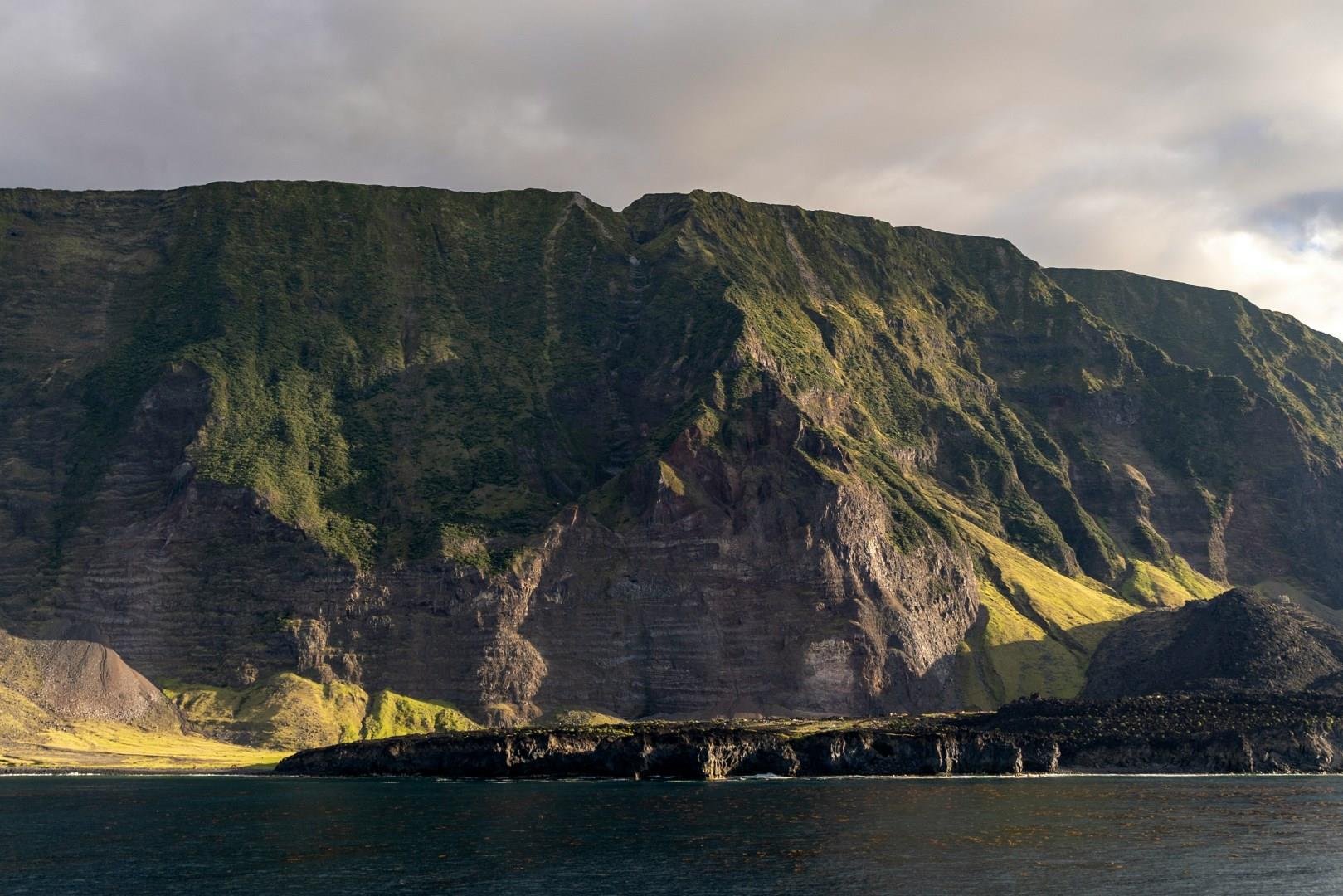
St. Helena is a remote island in the South Atlantic Ocean, known for its dramatic cliffs, volcanic landscapes, and rich history. It is most famous as the place where Napoleon Bonaparte spent his final years in exile, and visitors can explore Longwood House and other historic sites that tell the story of this period.
La Paz
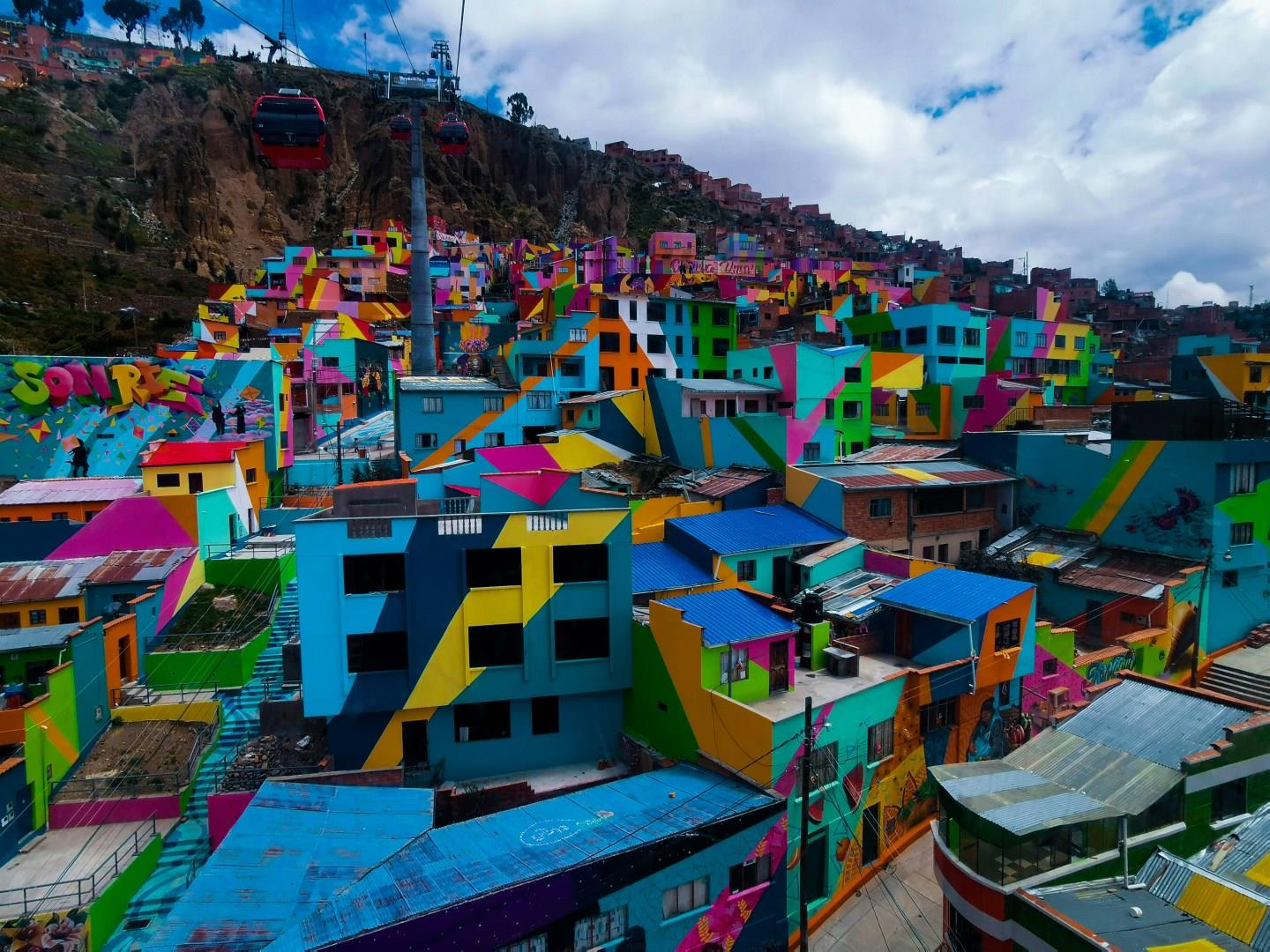
La Paz is Bolivia’s administrative capital, a city that clings to the walls of a canyon, rising from 3,600 meters to over 4,000 meters above sea level. That dramatic geography means it holds the title of the highest capital city in the world. From the crowded streets of the valley floor to the windswept plateau of El Alto, La Paz is a city of striking contrasts.

Pristina
Pristina, the dynamic capital of Kosovo, offers a unique blend of modernity and tradition. The city's skyline is punctuated by landmarks like the Mother Teresa Square, a tribute to the Nobel Peace Prize laureate and humanitarian who was born in Albania but had strong ties to the region. Nearby, the striking Newborn Monument, an ever-changing installation that commemorates Kosovo’s declaration of independence, showcases the country's evolving identity and creativity.
