
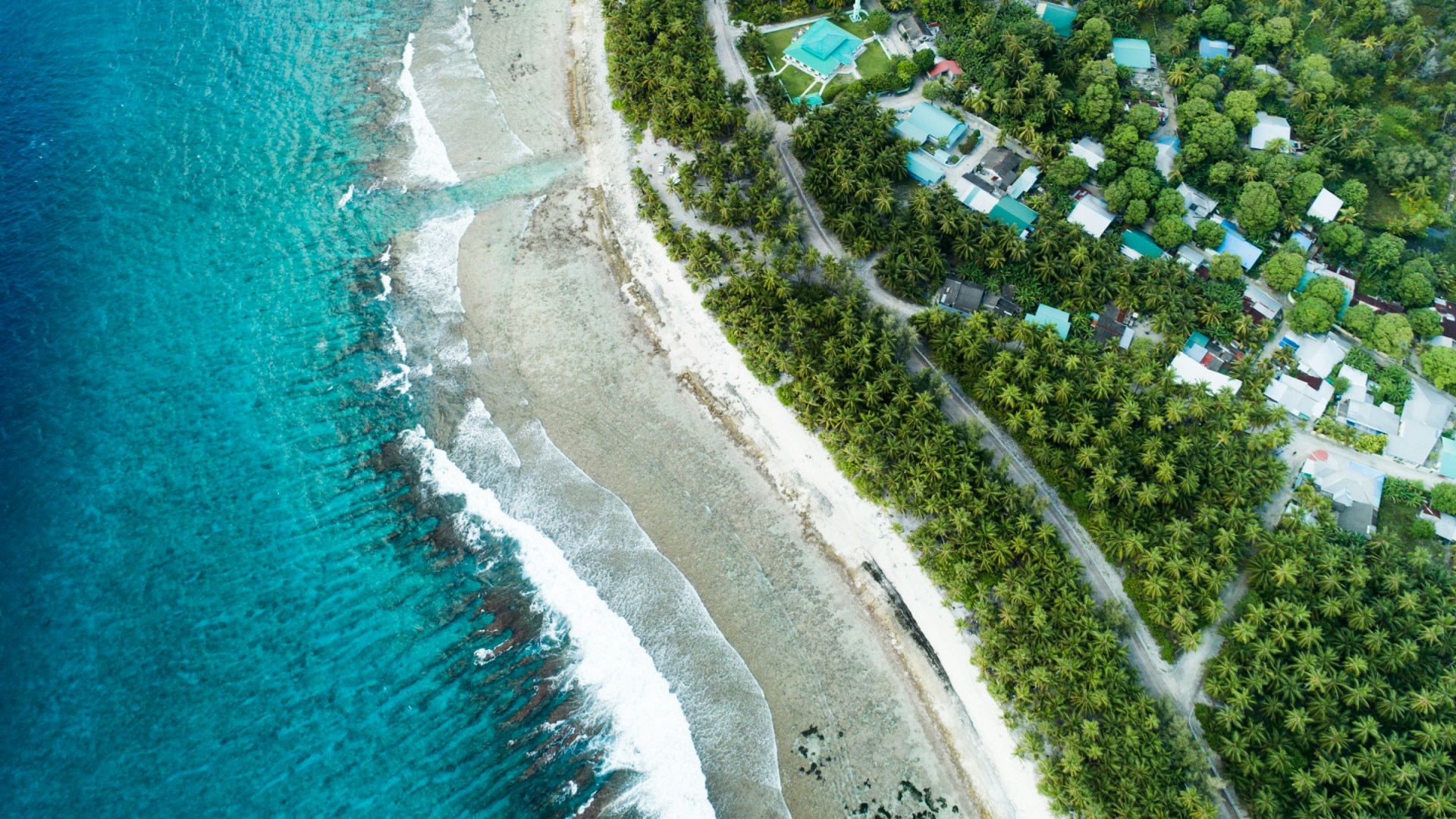
Fuvahmulah
Fuvahmulah, part of the Maldives, stands apart as the only island in the country that is both a single atoll and a single island. Unlike the ring-shaped atolls that define most of the Maldives, Fuvahmulah has freshwater lakes, fertile soil, and lush greenery.

Cobh
Cobh, a colorful harbor town in County Cork, holds a unique place in Irish history and maritime heritage. Once known as Queenstown, it was the final port of call for the Titanic in 1912. Today, the Titanic Experience Cobh offers visitors a chance to step into the footsteps of the 123 passengers who boarded that day. Located in the original White Star Line ticket office, the museum tells personal stories of those who left from this very spot, blending interactive exhibits with original artifacts.

Alice Springs
Alice Springs, located in the heart of Australia’s Red Centre, is a town deeply connected to the desert landscapes and Aboriginal culture that define the region. Long an important meeting place for the Arrernte people, it remains a center of Indigenous art and traditions, with galleries and cultural institutions showcasing some of the world’s most renowned Aboriginal artworks and stories.
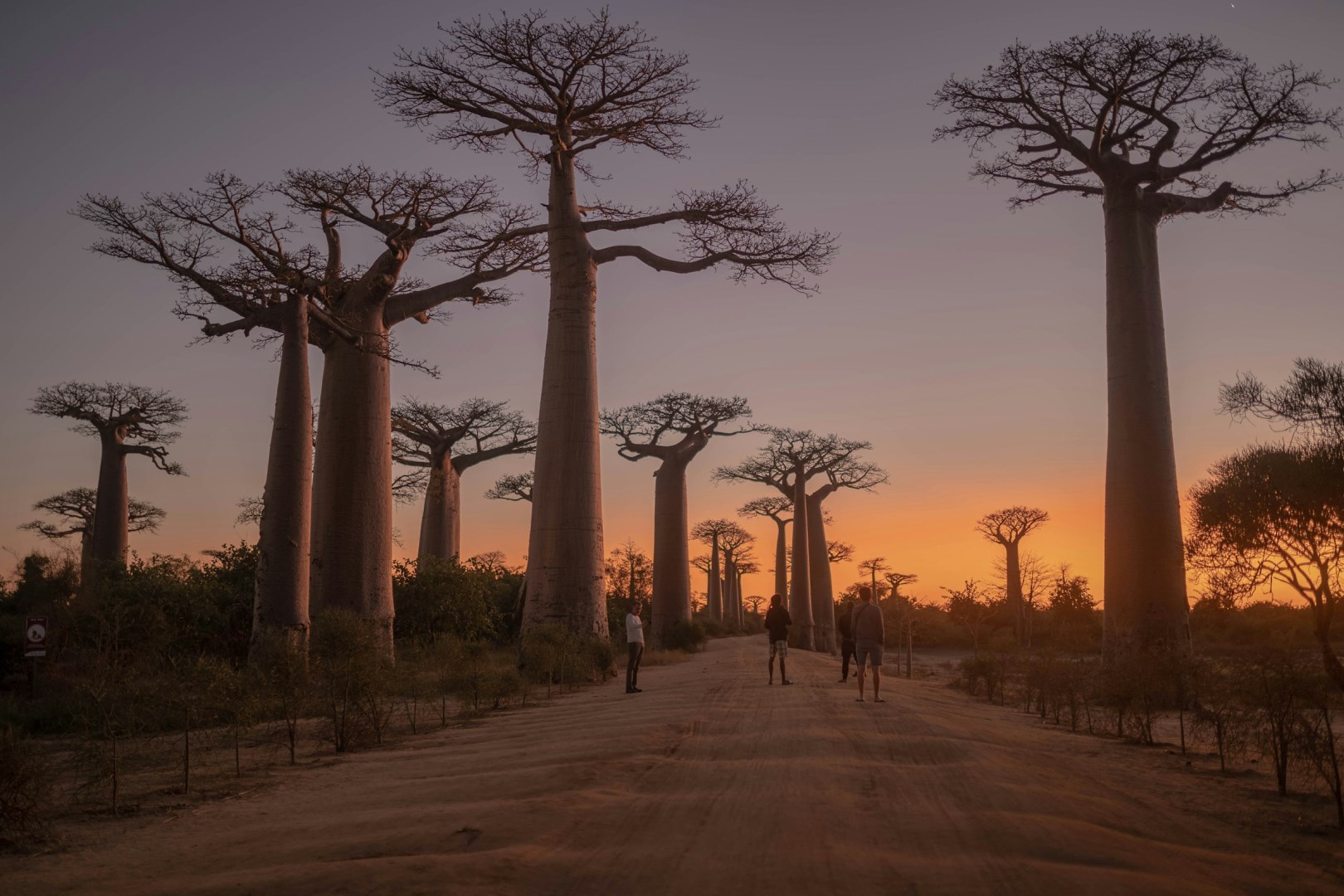
Avenue of the Baobabs
The Avenue of the Baobabs is a famous landscape in western Madagascar, located near Morondava in the Menabe region. A group of tall Grandidier's baobabs lines a dirt road across a broad, dry plain, creating one of the country's most recognizable natural scenes. These trees are endemic to Madagascar and can reach great heights, with thick trunks adapted to storing water during the dry season.
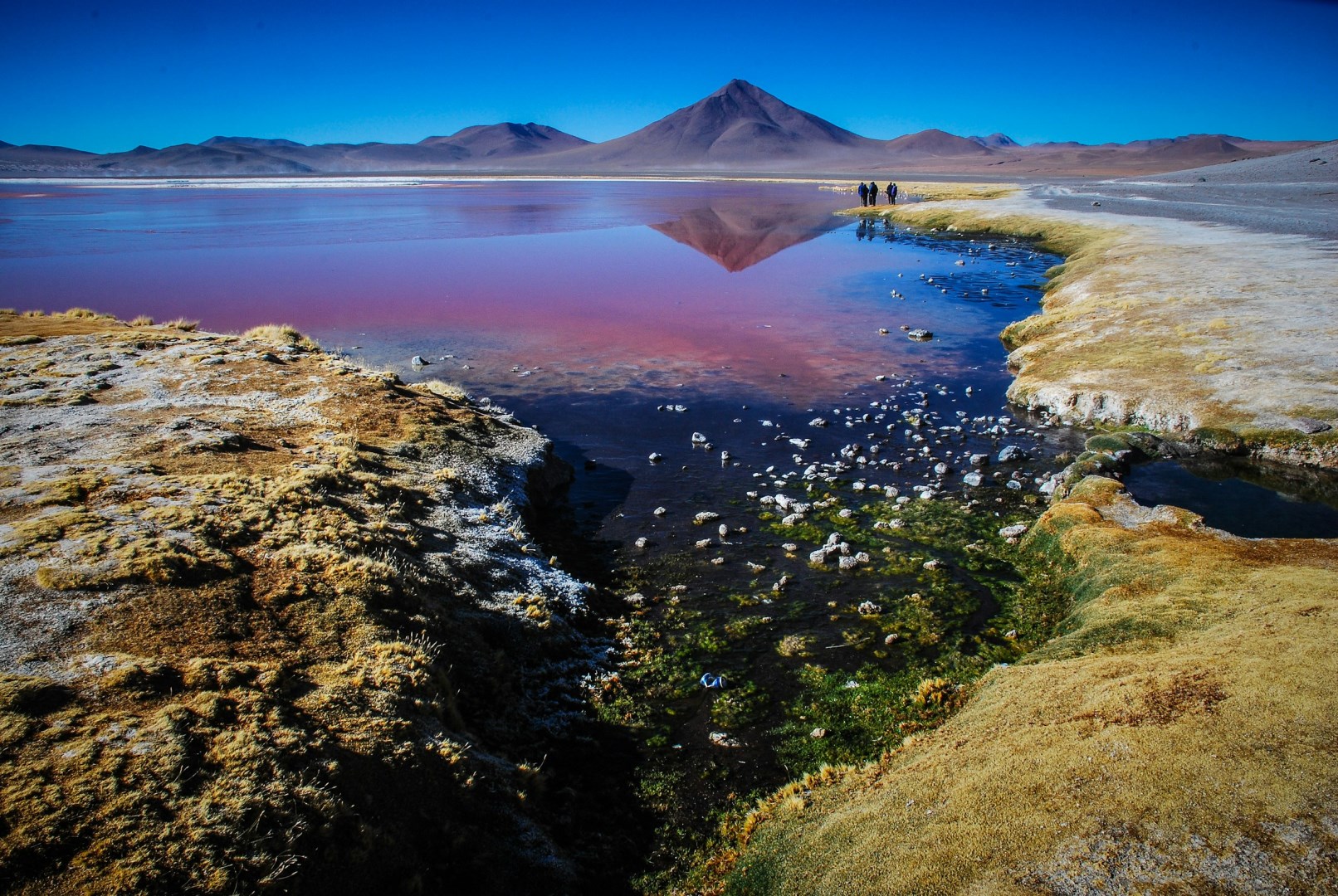
Altiplano
The Bolivian Altiplano is a vast high plateau in the Andes, stretching across much of western Bolivia between the country’s major mountain ranges. Its high elevation creates a cool, dry environment with broad open plains, rugged peaks, volcanoes, and sparse grasslands. La Paz and El Alto occupy the northern part of the plateau, while Oruro, Uyuni, and Potosí are among its other important settlements.
