

Cuenca
Nestled in the Andes Mountains, Cuenca, Ecuador, is a city that seamlessly blends colonial charm, cultural richness, and natural beauty. Known as the “Athens of Ecuador” due to its vibrant intellectual and cultural life, Cuenca's historic center is a UNESCO World Heritage Site that delights visitors with its cobblestone streets, whitewashed buildings, and red-tiled roofs.
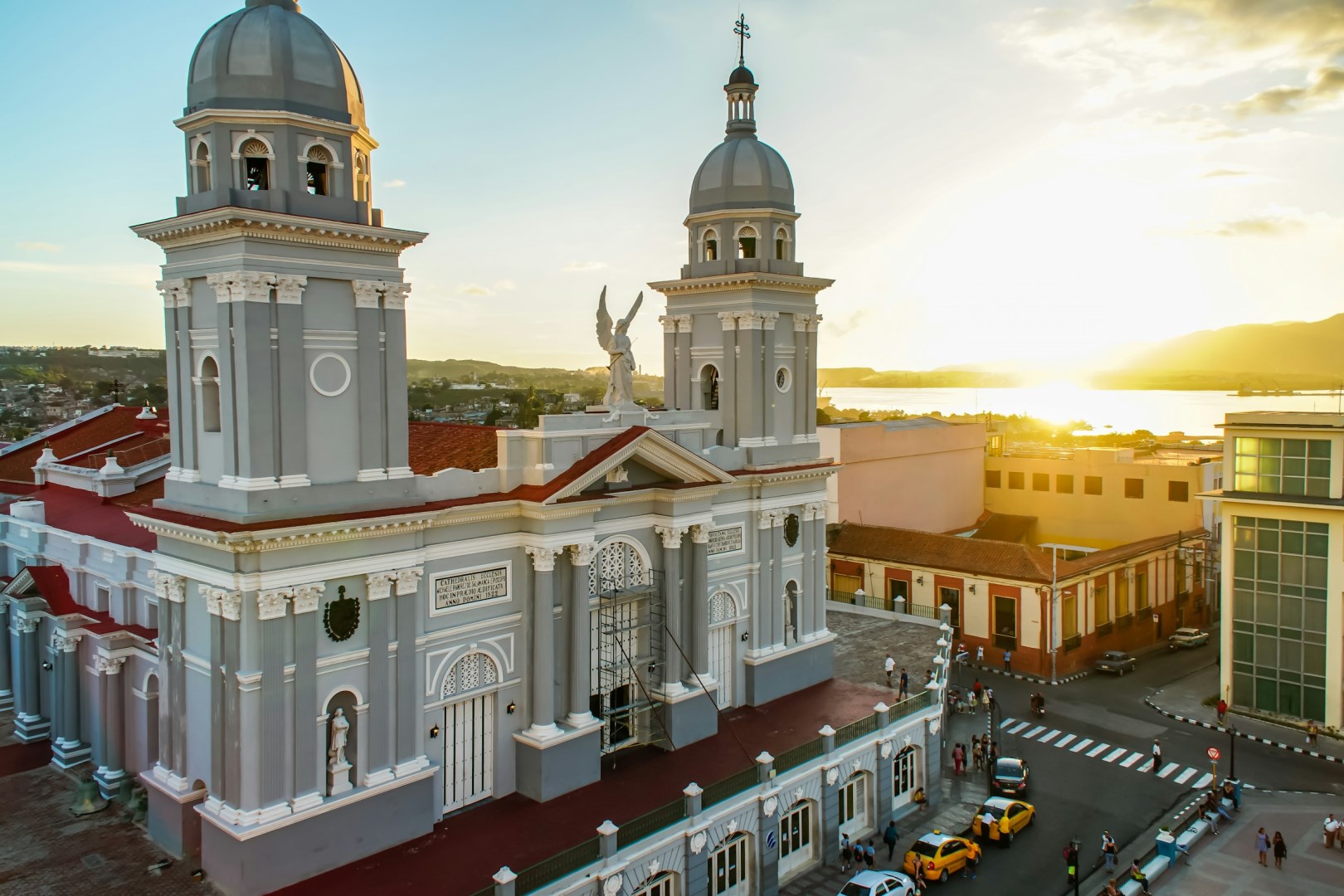
Santiago de Cuba
Santiago, the cultural capital of Cuba, is a passionate, unique destination, second in size and importance only to Havana, the governmental capital of the island. Some of Cuba's most famous musicians were born here, as well as the Bacardi brand of spirits, and the UNESCO World Heritage describes the local citadel of San Pedro de la Roca as "the most complete, best-preserved example of Spanish-American military architecture."
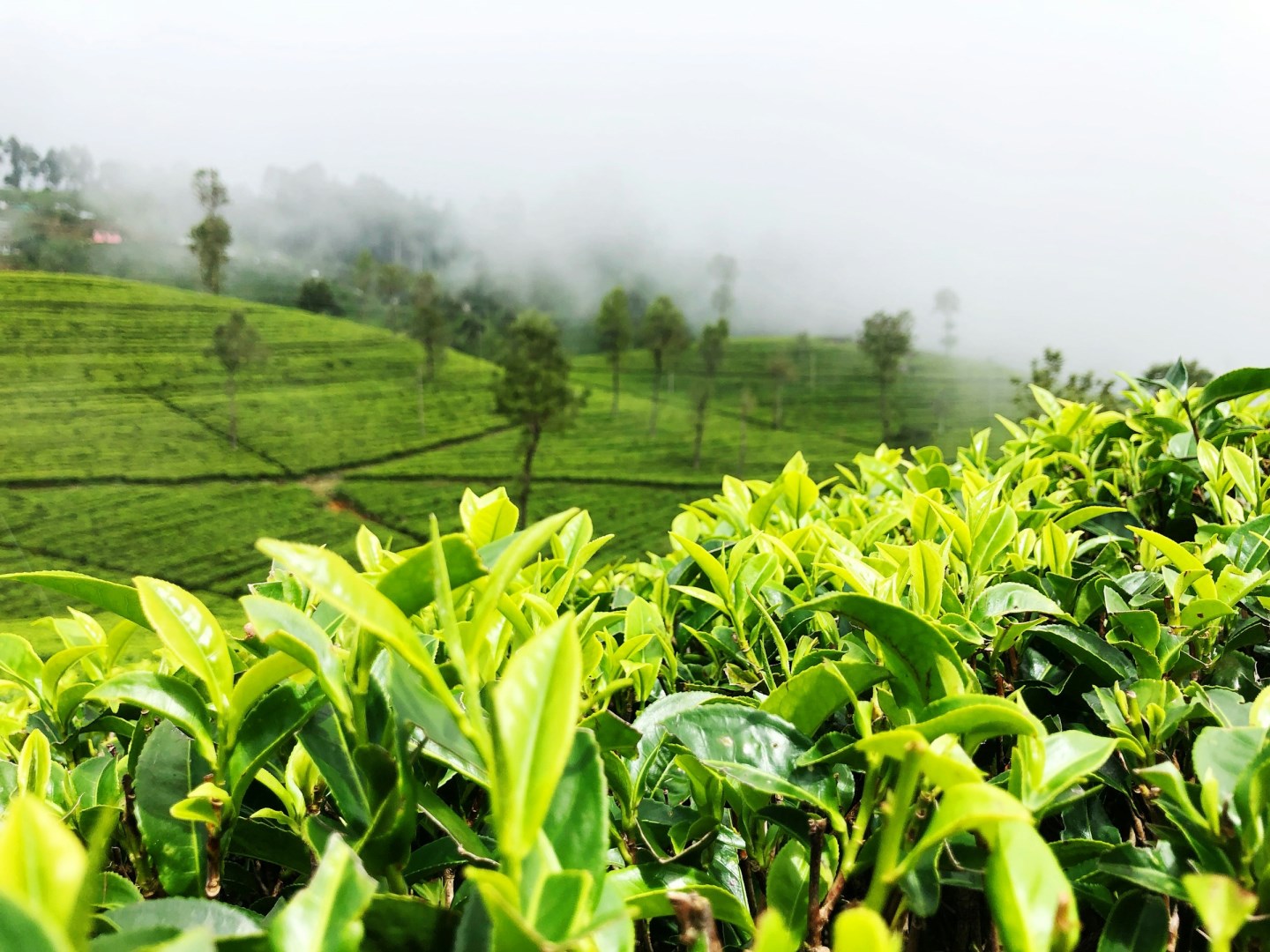
Haputale
Haputale is a hill town in Sri Lanka’s Badulla District, set along a narrow mountain ridge surrounded by tea-covered slopes and forested highlands. Its elevated position gives the town a cool climate and broad views across the valleys of the southern and eastern hill country. Tea cultivation is central to the surrounding landscape, with estates covering the steep hillsides and winding roads connecting plantations and villages.

Kasane
Kasane sits at Botswana’s northeastern edge, where the Chobe River meets the borders of Namibia, Zambia, and Zimbabwe. Its development is closely tied to river transport, regional trade, and wildlife management.

Stone Town
As a UNESCO World Heritage site, Stone Town boasts narrow, winding streets lined with towering stone buildings adorned with beautifully carved wooden doors, reflecting its rich history as a major trading hub.
