
Chios
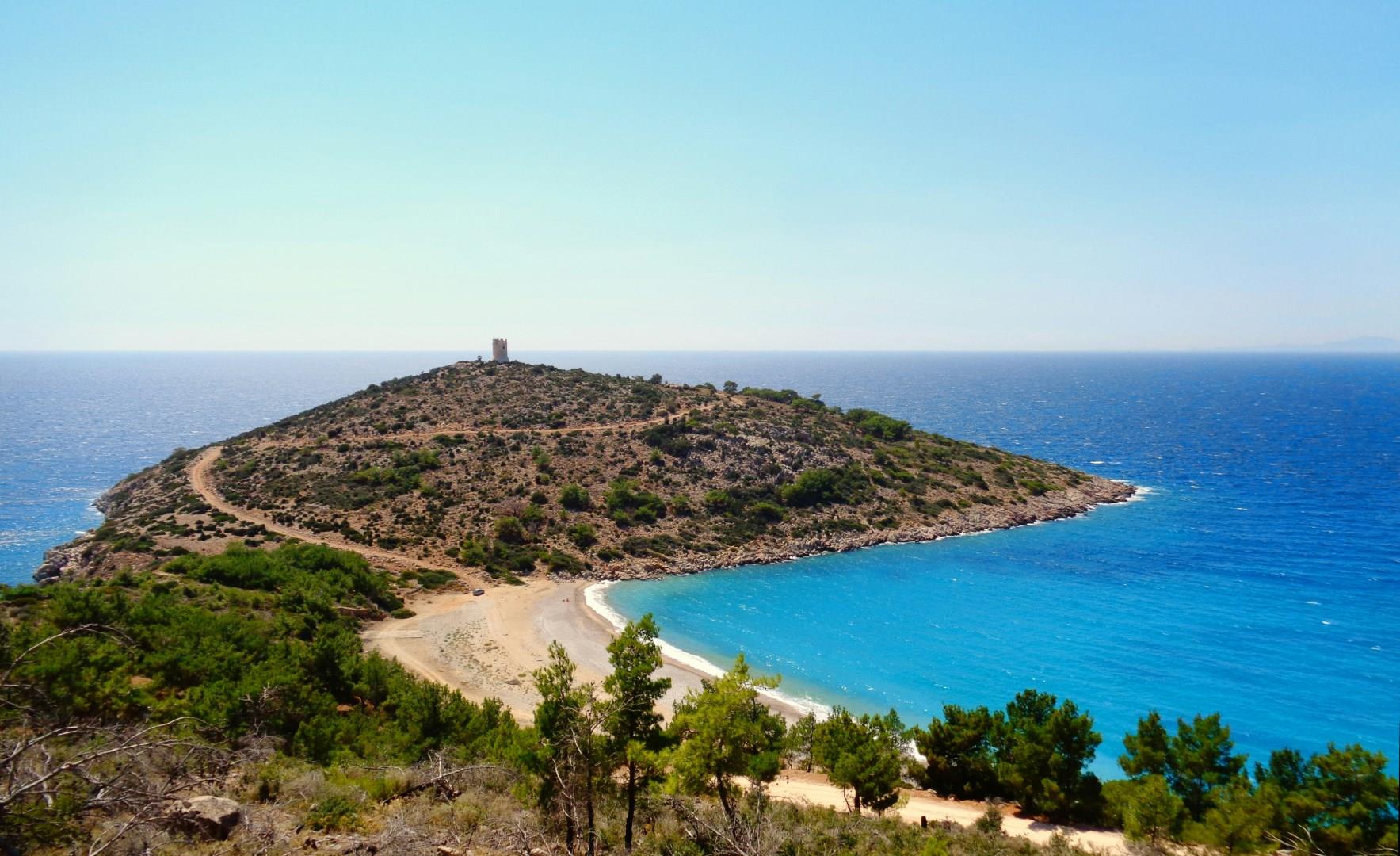
Chios lies in the northeastern Aegean, close enough to the Turkish coast that the mainland feels present in daily life.
Marfa
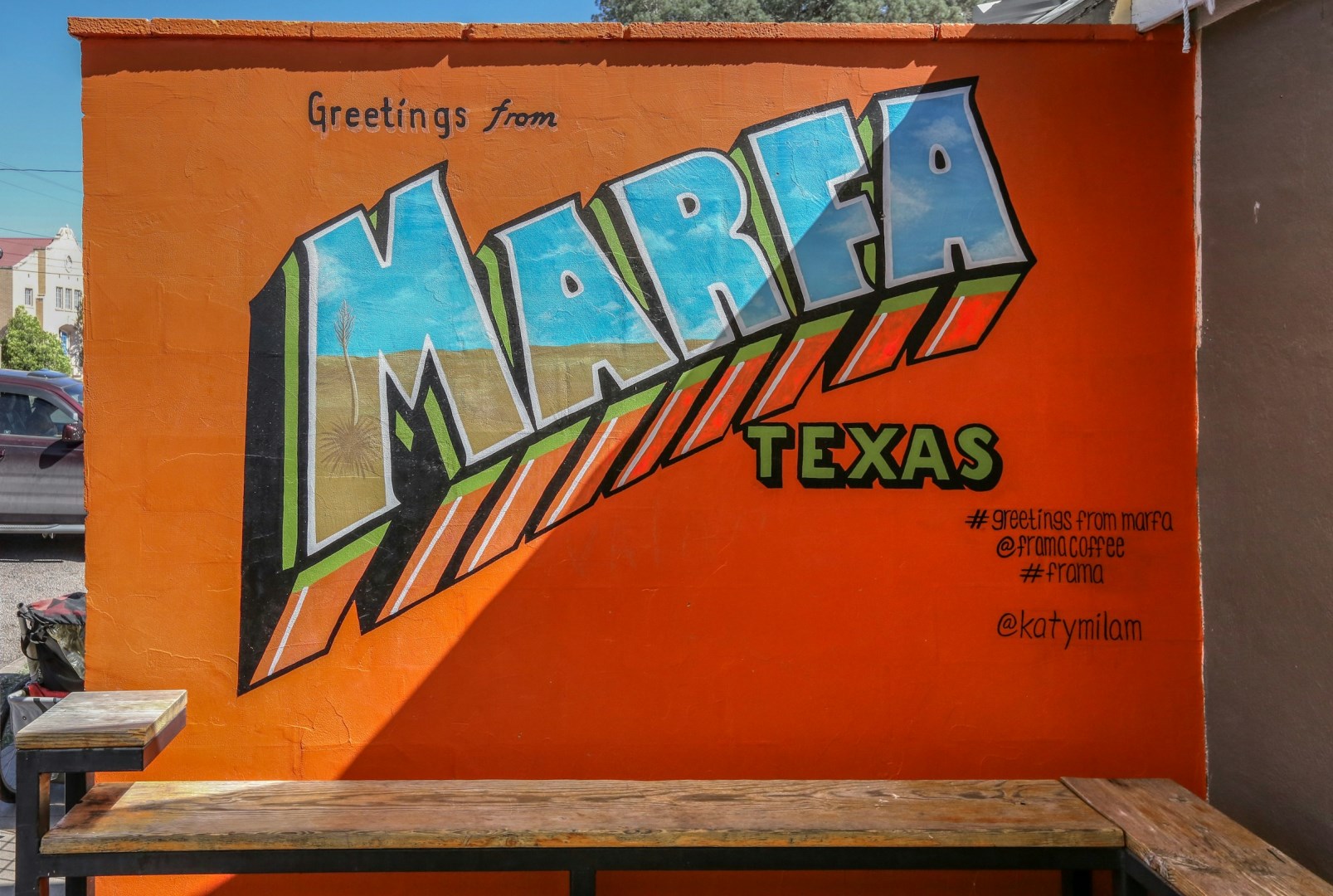
This desert city in west Texas might be small in size, but it is big in arts! As an arts hub, founded by artist Donald Judd, it features both huge outdoor, and indoor, installations on an old army base. Whether you are looking for traditional, or quirky, in your art, Marfa has it.
Noosa Heads
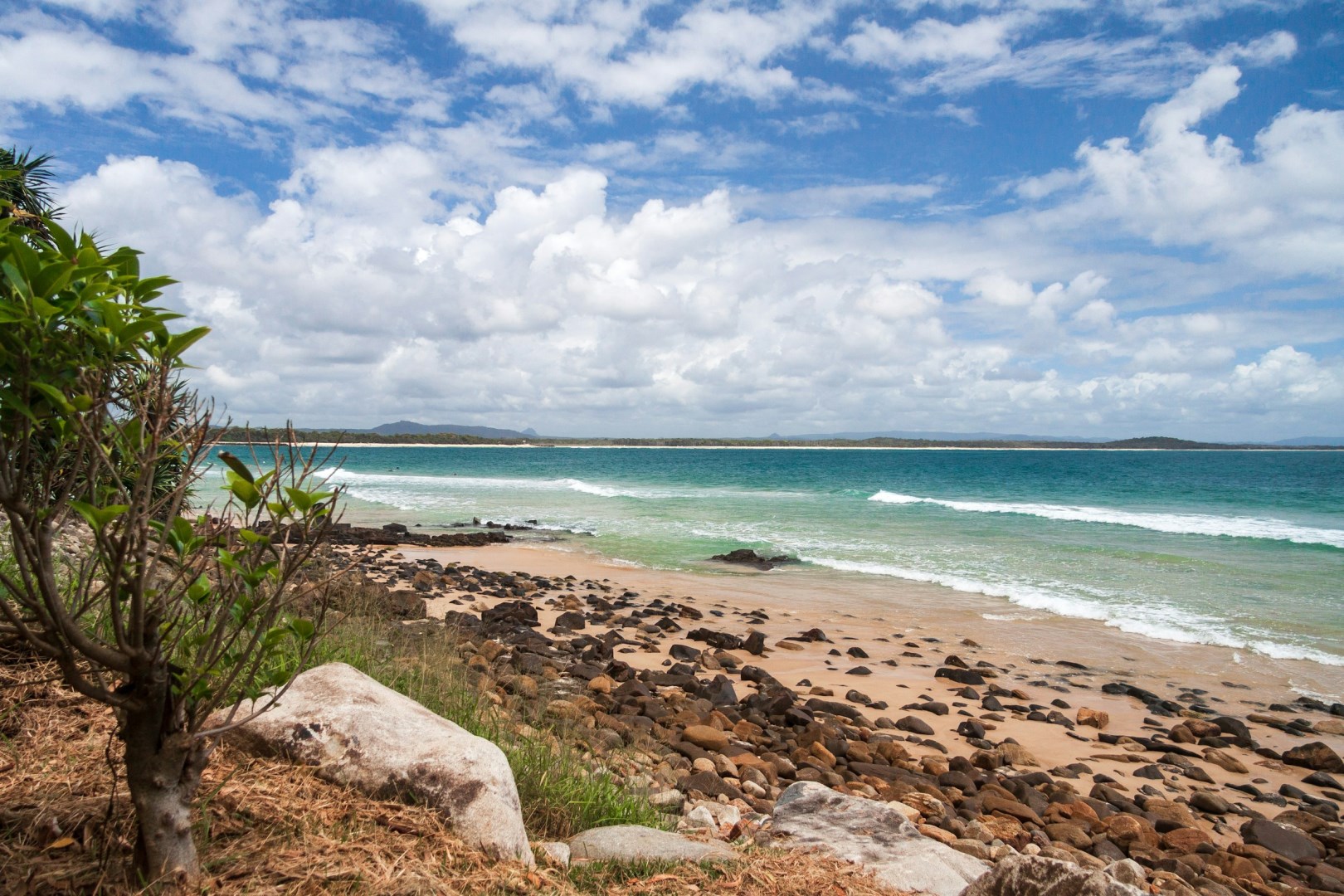
Noosa Heads, located on Queensland’s Sunshine Coast, is a coastal town renowned for its pristine beaches, lush hinterland, and relaxed yet sophisticated atmosphere. The town sits at the mouth of the Noosa River, where calm waterways meet the Pacific Ocean, creating ideal conditions for swimming, kayaking, and paddleboarding.

St. George's
St. George’s, the capital of Grenada, is a picturesque harbor town nestled within the rim of an extinct volcano. Its horseshoe-shaped Carenage, lined with pastel-colored colonial buildings, offers a postcard-perfect introduction to the island.
Robin Hood's Bay
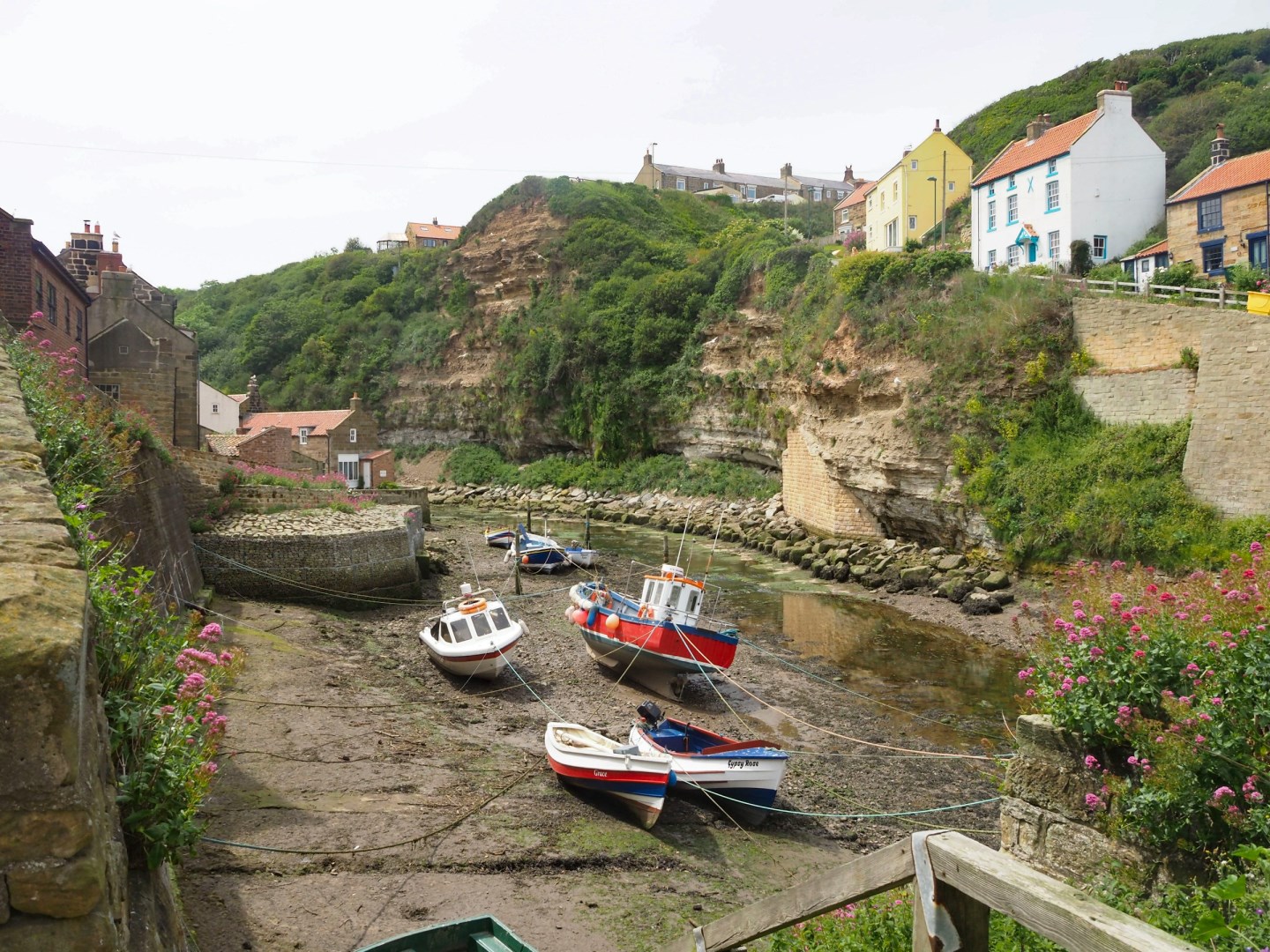
Robin Hood's Bay is a small coastal village on the North Yorkshire coast, set within a steep-sided valley that reaches the North Sea. Its tightly packed stone cottages, narrow lanes, and winding passages descend toward a rocky shore, giving the village a distinctive layout shaped by its position between the cliffs and the sea. Robin Hood's Bay lies within the North York Moors National Park and forms part of the Yorkshire coast, with walking routes connecting it to nearby settlements and beaches.
