
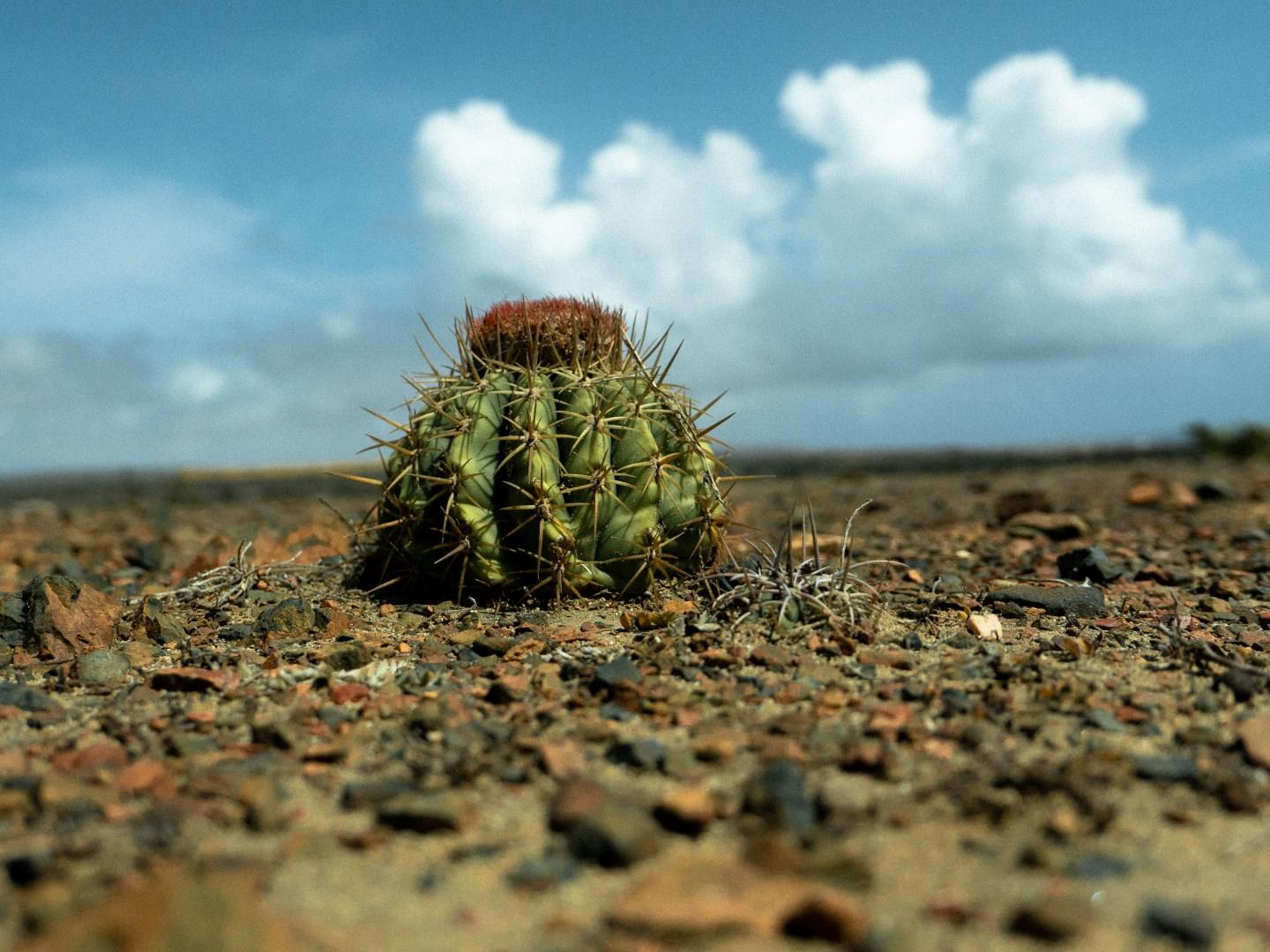
Arikok National Park
Arikok National Park, covering nearly 20% of Aruba, is a striking showcase of the island’s rugged landscapes, cultural history, and biodiversity. Unlike the postcard image of Aruba’s white-sand beaches, Arikok reveals a wilder side, with windswept hills, desert-like terrain, and dramatic limestone cliffs meeting the sea.

Mumbai
This energetic city is home to three UNESCO World Heritage Sites: the Elephanta Caves, Chhatrapati Shivaji Maharaj Terminus, and the city's distinctive Victorian and Art Deco buildings. It is the largest city in India and contains 7 distinct districts. There is so much to see here, but the most popular tourist attractions are typically concentrated in South Mumbai such as the Elephanta Caves, the Gateway of India and Chhatrapati Shivaji Maharaj Terminus.

Trapani
Trapani, located on the western coast of Sicily, Italy, is a captivating destination nestled between the Tyrrhenian Sea and the Strait of Sicily, providing stunning sea views and easy access to the Aegadian Islands. Known for its scenic harbor, Trapani has been a significant port since ancient times, serving as a key center for trade and culture as well as an ideal base for exploring the surrounding area.

Anguilla
Anguilla is a level coral atoll with abundant breath-taking beaches. The name comes from the Spanish word for eel, named apparently because of the island's long, narrow profile. The main town, The Valley, is found almost in the middle of the island. Most hotels and restaurants are found on the western point of the island.

Luxembourg
Luxembourg City, the capital of the Grand Duchy of Luxembourg, is a stunning blend of medieval charm and modern sophistication. Perched atop dramatic cliffs and surrounded by deep gorges, this city offers a unique and breathtaking landscape. The UNESCO-listed Old Town is an essential starting point for visitors, with its ancient fortifications, narrow cobblestone streets, and grand squares.
