
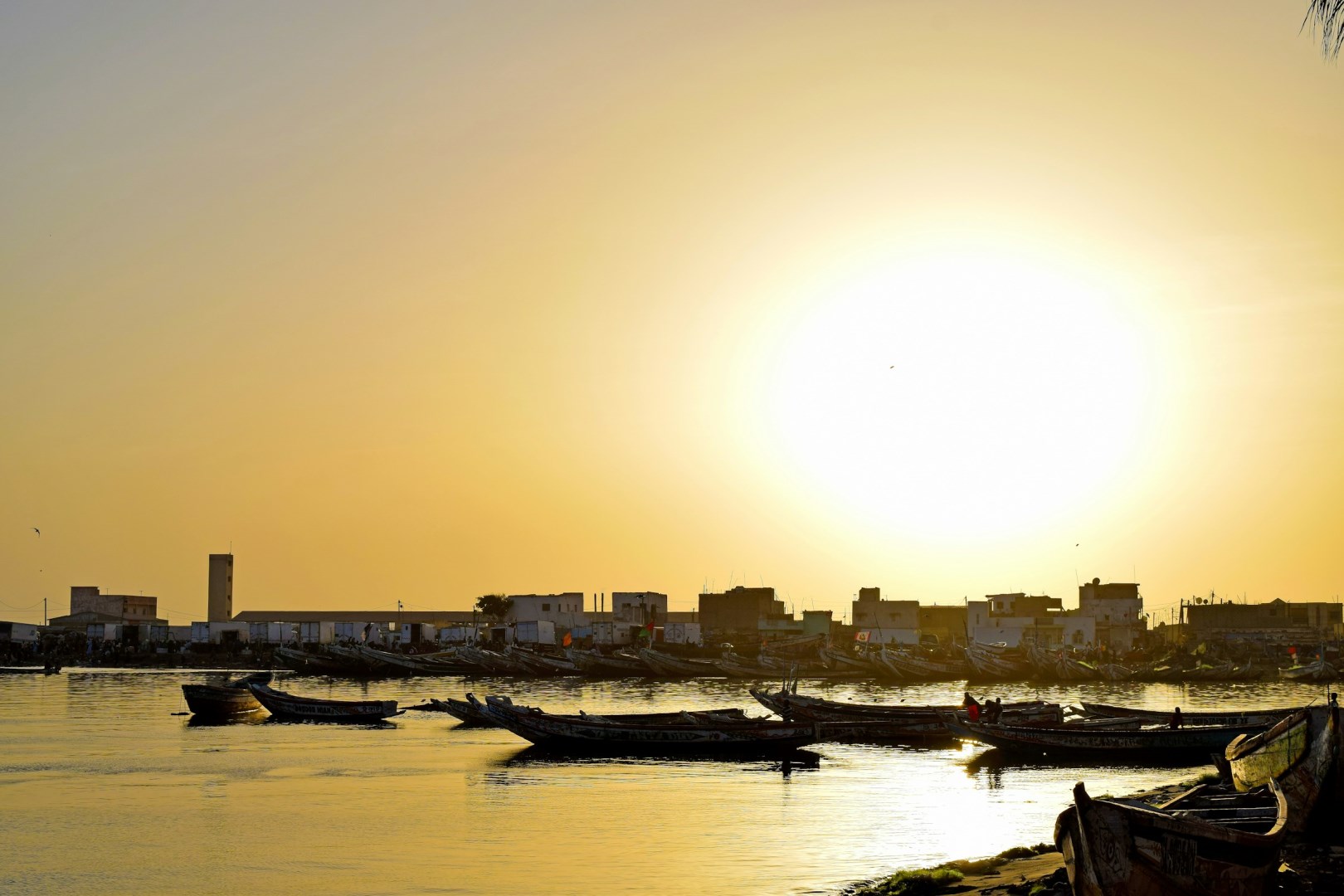
Saint Louis
Saint-Louis is a historic city in northern Senegal, positioned on an island at the mouth of the Senegal River where the river meets the Atlantic Ocean. Its distinctive setting between waterways has shaped the city’s architecture, economy, and daily life. The historic island is recognized as a UNESCO World Heritage Site for its regular street plan, waterfront quays, colonial buildings, and distinctive balconies and galleries.
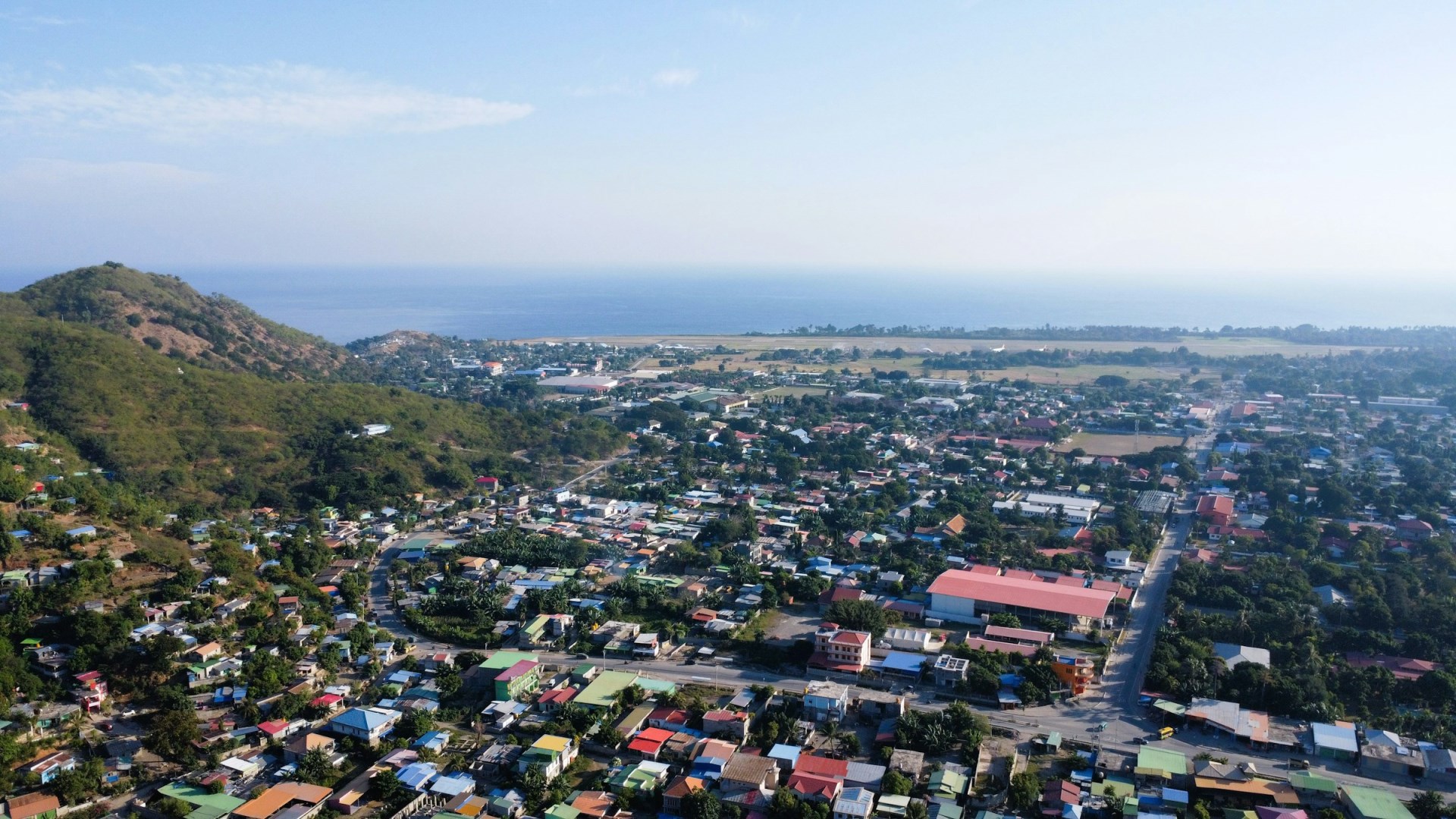
Dili
Dili is the capital and largest city of Timor-Leste, set along the country's northern coast between the sea and rugged mountain slopes. The city stretches around a broad bay, with beaches, government buildings, markets, residential neighborhoods, and busy streets forming its urban landscape. Mountains rise immediately south of the city, while the Ombai Strait extends north toward Atauro Island.
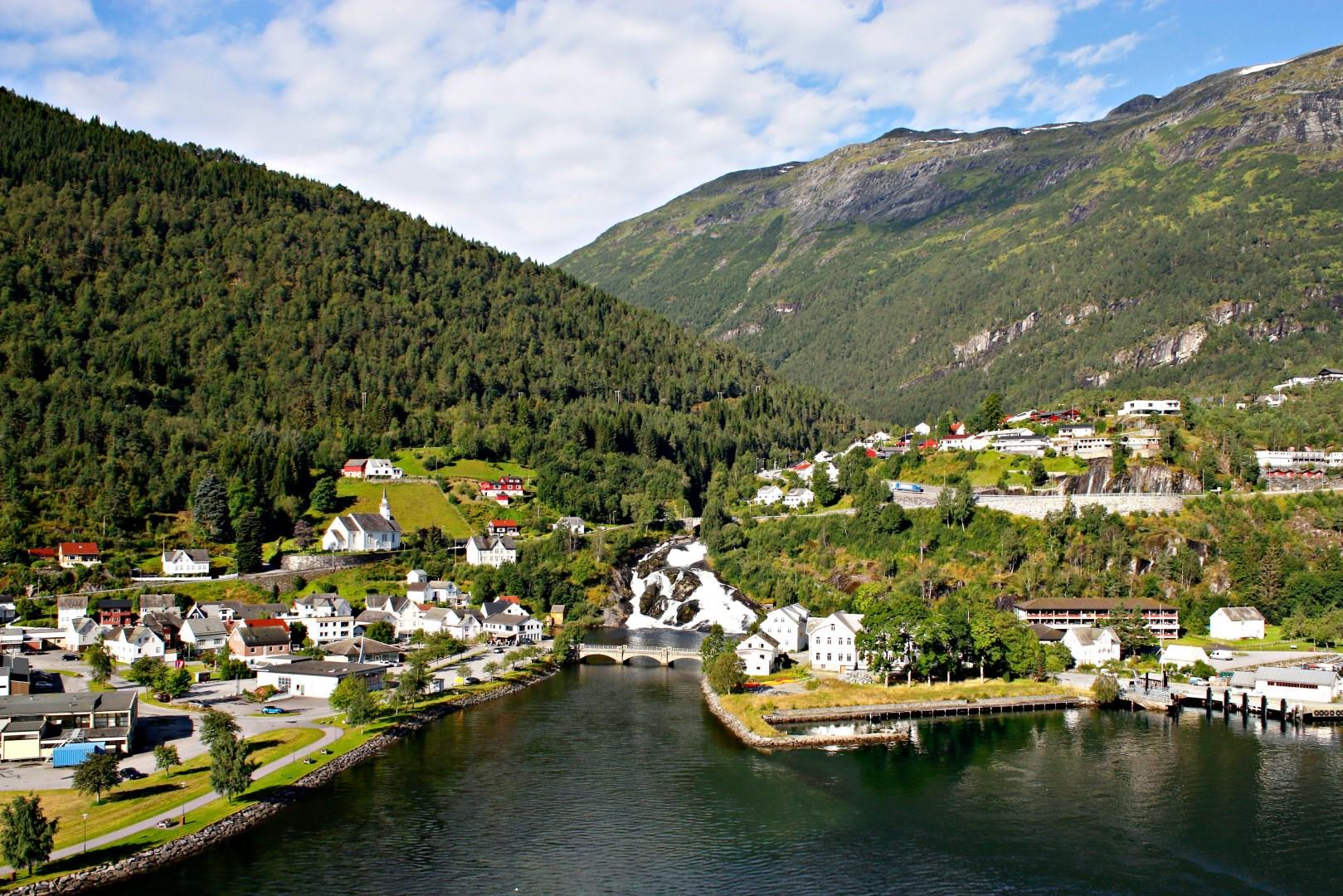
Hellsylt
Hellesylt, a small village on Norway’s western coast, sits at the entrance to the famous Geirangerfjord and offers scenery that feels almost otherworldly. Steep mountains rise sharply on all sides, their slopes cut by ribbons of waterfalls that plunge into deep blue water. One of the most striking sights is the Hellesylt Waterfall, which thunders past the heart of the village and can be admired from several pedestrian bridges.
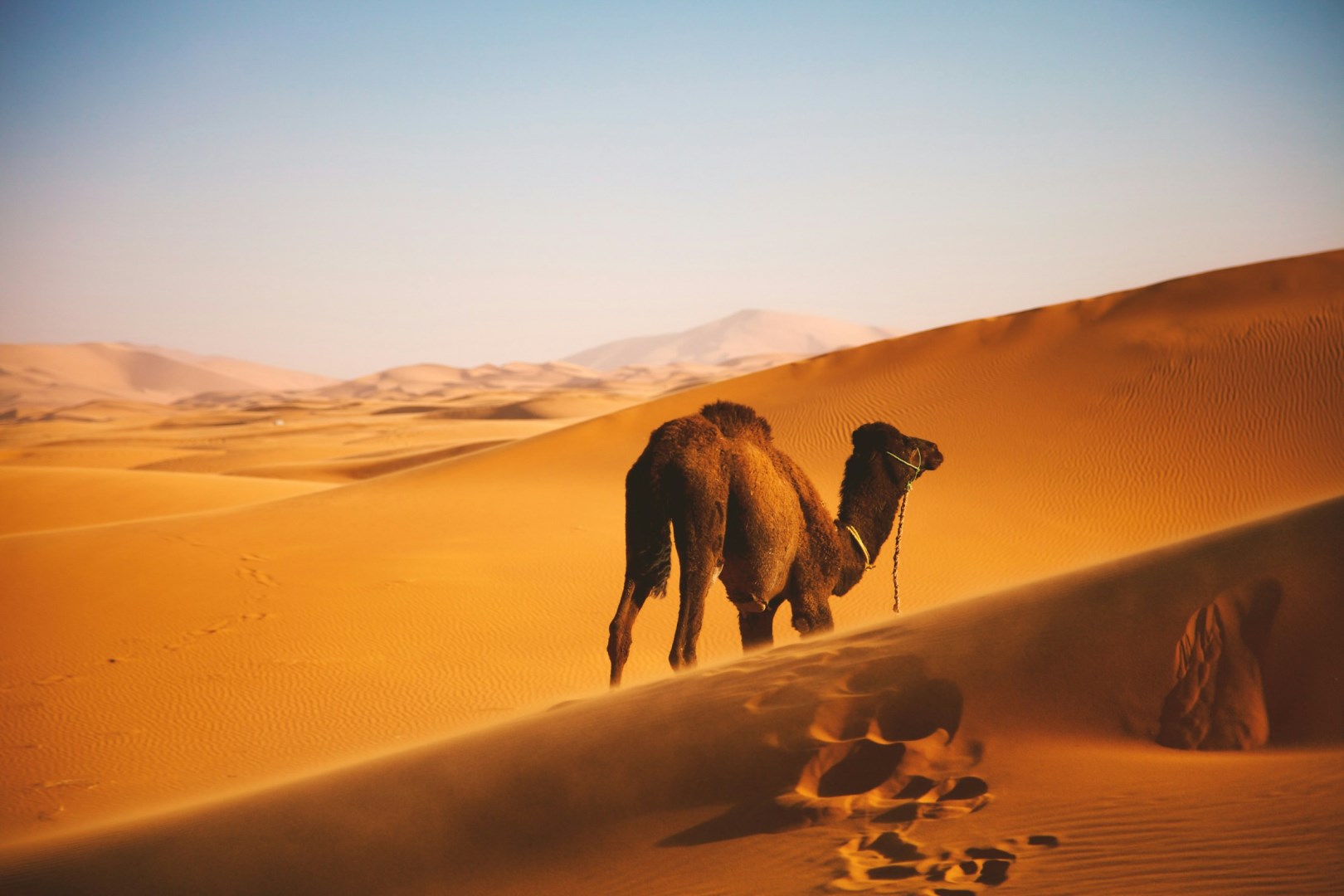
Erg Chebbi
Erg Chebbi is a large field of wind-shaped sand dunes in southeastern Morocco, near the village of Merzouga in the Drâa-Tafilalet region. It forms one of Morocco’s best-known Sahara landscapes, rising abruptly from the surrounding rocky desert. The dunes stretch for roughly 28 kilometres from north to south, with some of the highest crests reaching about 150 metres. Their deep orange and golden tones change noticeably with the position of the sun.
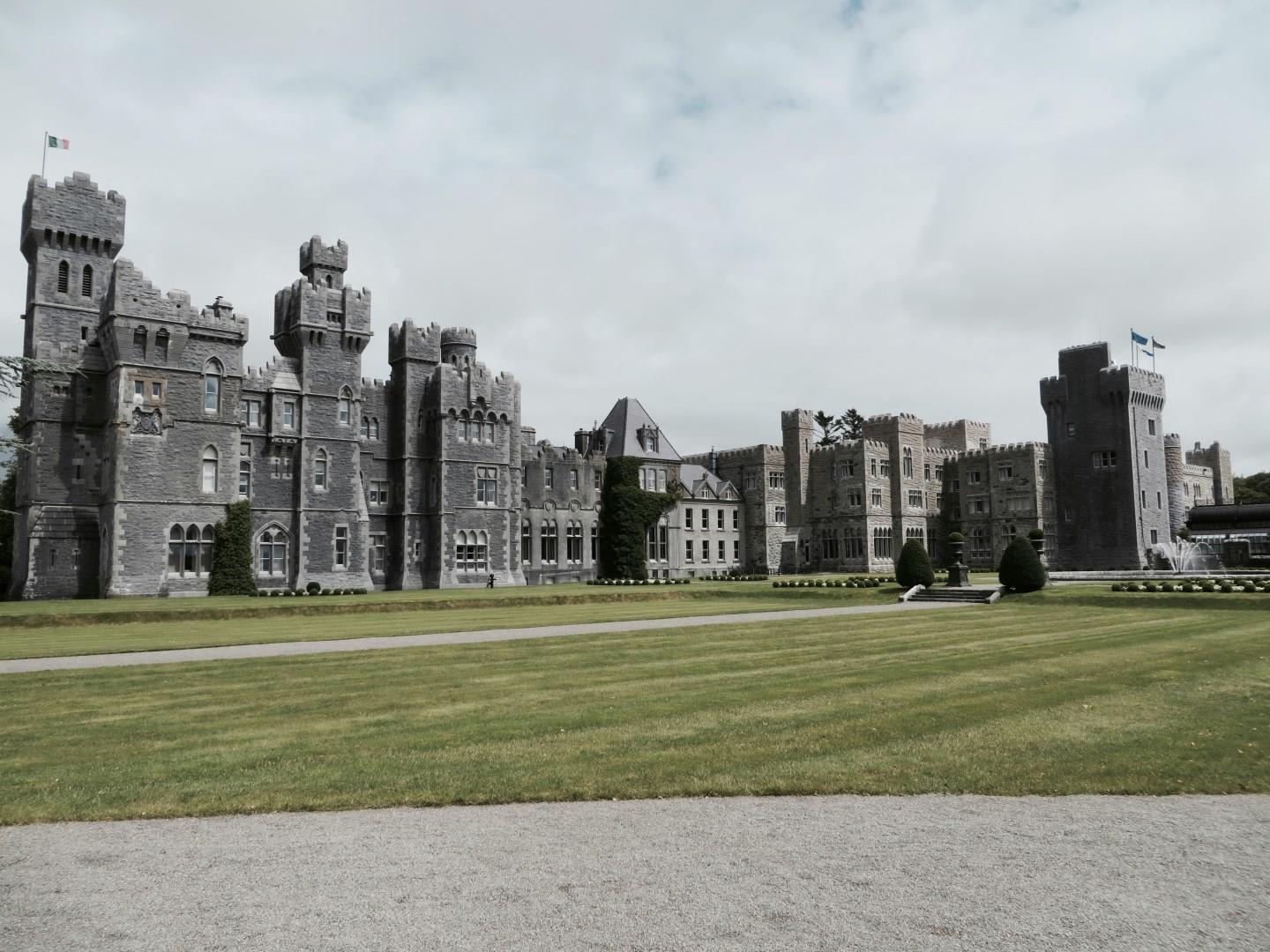
Cong
Cong is a small village in western Ireland, set where the River Cong flows between Lough Corrib and Lough Mask. Its history is closely tied to monastic settlement, most notably Cong Abbey, founded in the 12th century and later shaped by Norman influence.
