
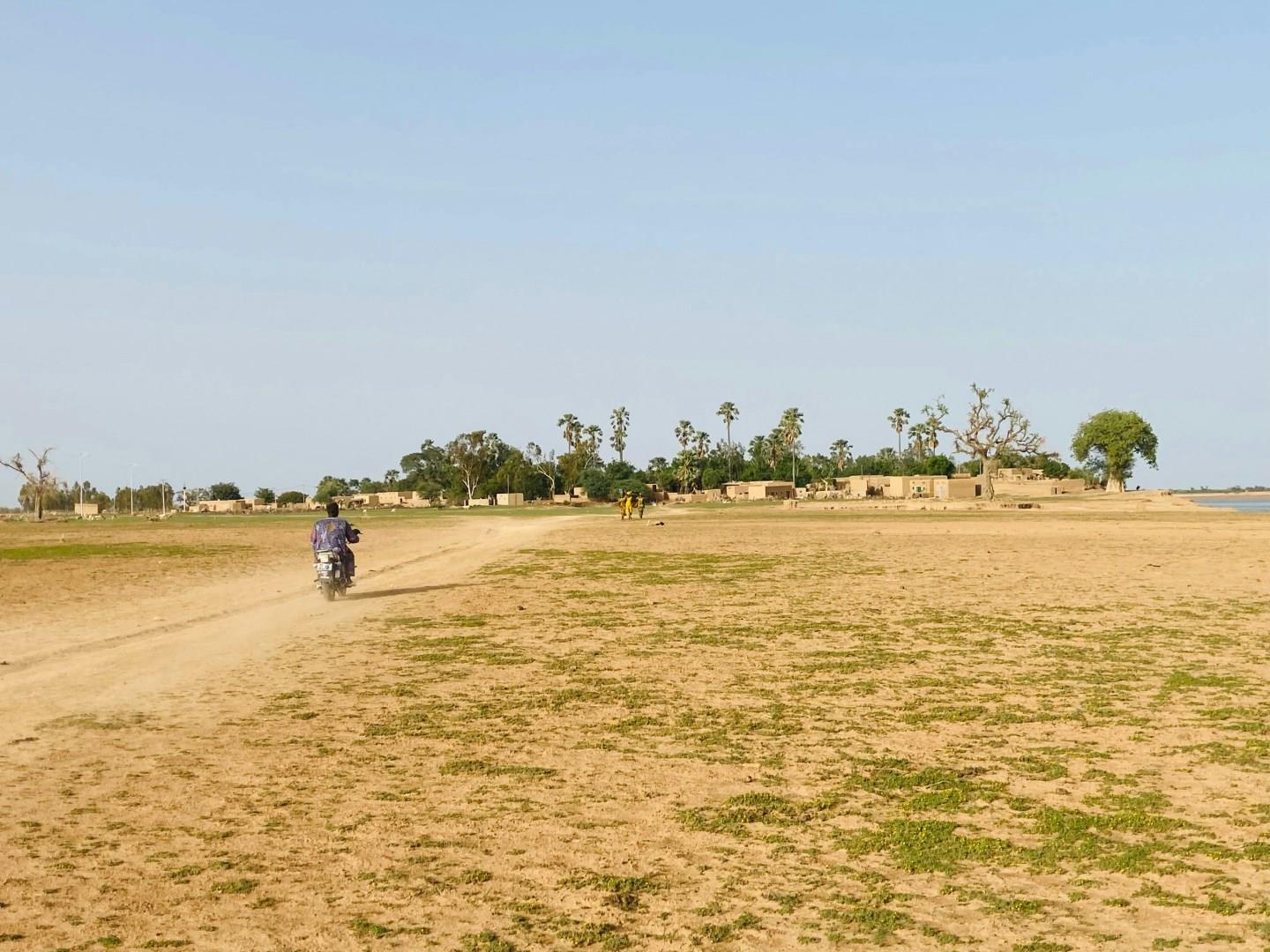
Mopti
Mopti, often called the “Venice of Mali,” sits at the point where the Bani and Niger rivers meet. This strategic location has made it an important trading hub for centuries, attracting merchants, fishermen, and travelers from across West Africa.
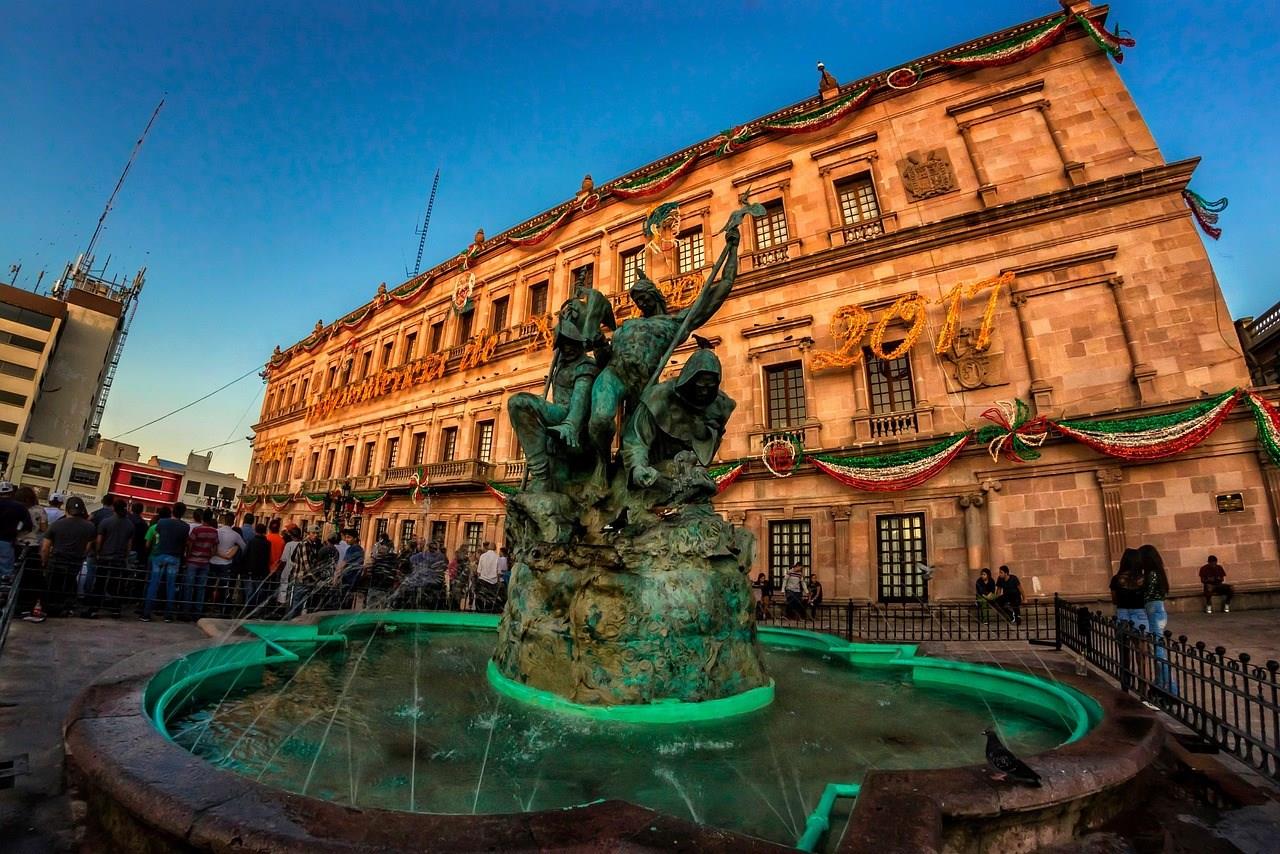
Saltillo
Saltillo, the capital of Coahuila, blends centuries of tradition with a quiet confidence that rewards travelers looking for something different. Founded in 1577, the city’s colonial heritage is on full display in its well-preserved downtown, where the Catedral de Santiago towers above Plaza de Armas. Just steps away, the Alameda Zaragoza park offers shaded paths and fountains, providing a peaceful break between stops at nearby museums.
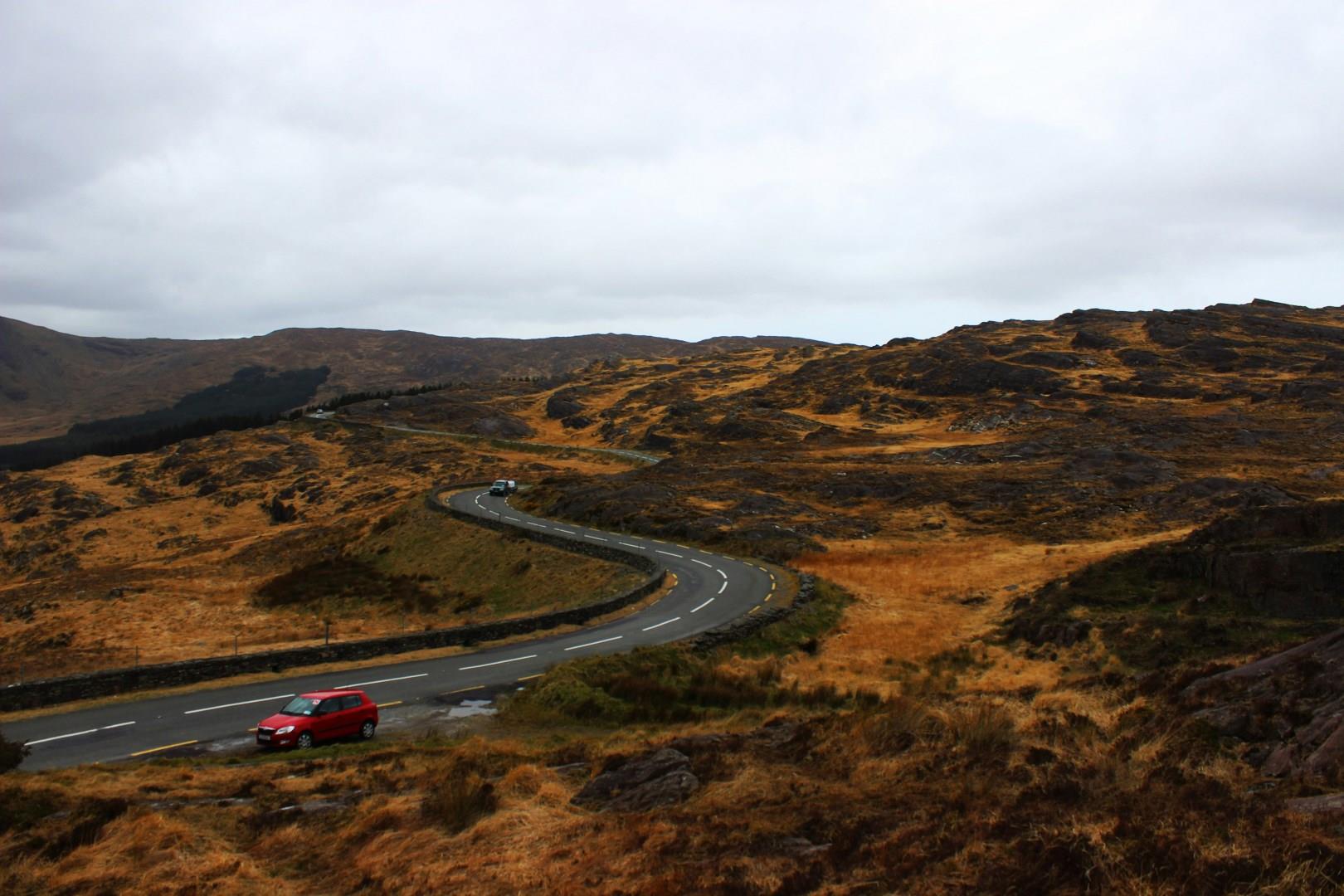
Kenmare
Kenmare, tucked in Ireland’s southwest, is a town that blends natural splendor with small-town warmth. Founded in the 17th century as part of a planned settlement, it has grown into a vibrant community known for its colorful streets, artisan shops, and lively pubs where traditional Irish music fills the air.
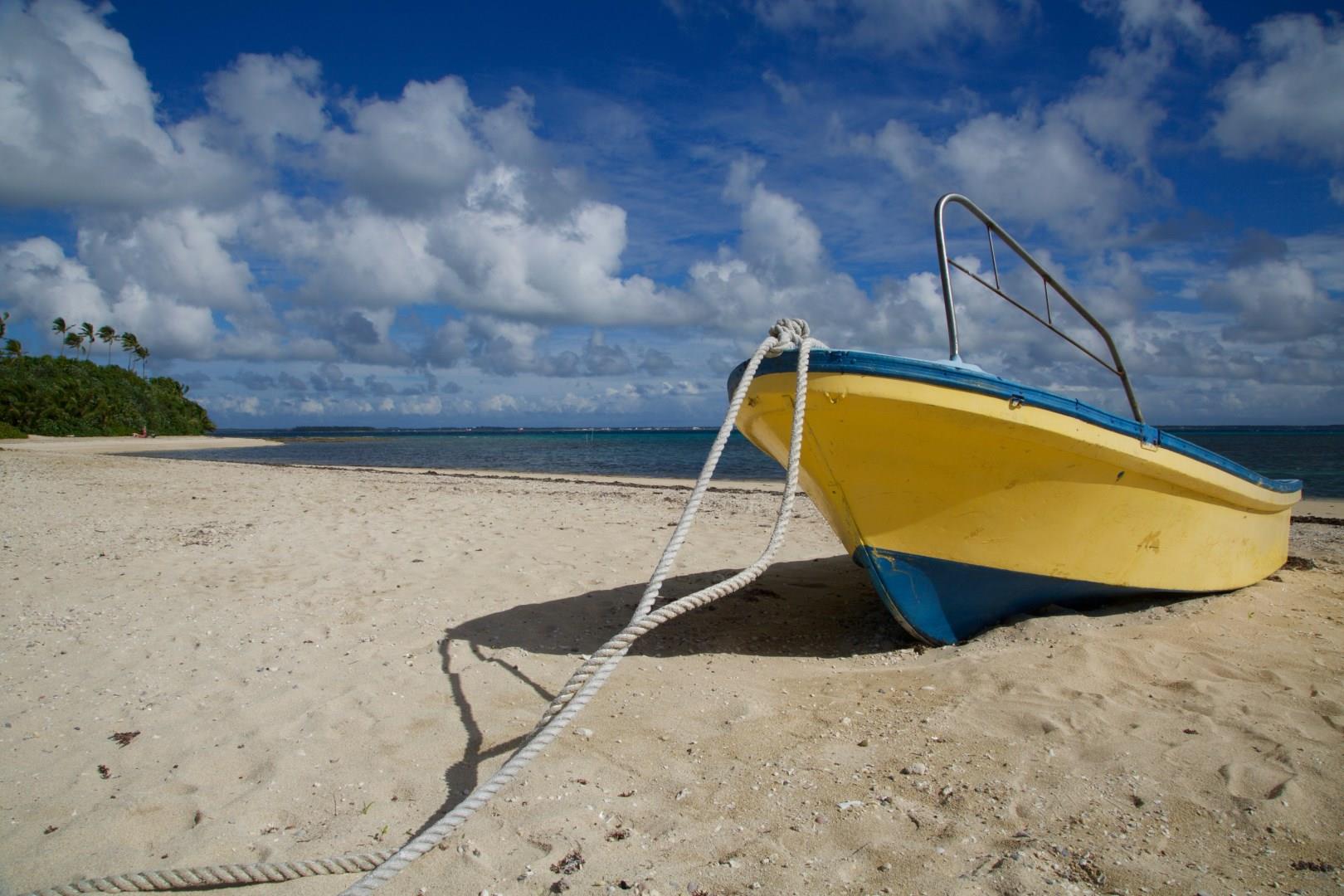
Tonga
Tonga is distinctly different to its neighboring island nations. This Polynesian kingdom, made up of 170 islands, carries a proud history that dates back over 3,000 years. On the main island of Tongatapu, travelers can explore ancient stone structures like the Haʻamonga ʻa Maui Trilithon—sometimes called the Stonehenge of the Pacific. Royal tombs in Lapaha offer a glimpse into the lineage of Tonga’s kings, while village life remains guided by customs that have changed little over centuries.

Punta Arenas
A favorite stop on South American and Antarctic cruises, Punta Arenas lies within the spectacular system of fjords that dot the coast of Chile. La Cruz Hill affords commanding views of the Straits of Magellan. Visit Punta Arenas for fascinating museums, quaint restaurants filled with fresh Chilean eats, and ample opportunity to watch local penguins!
