
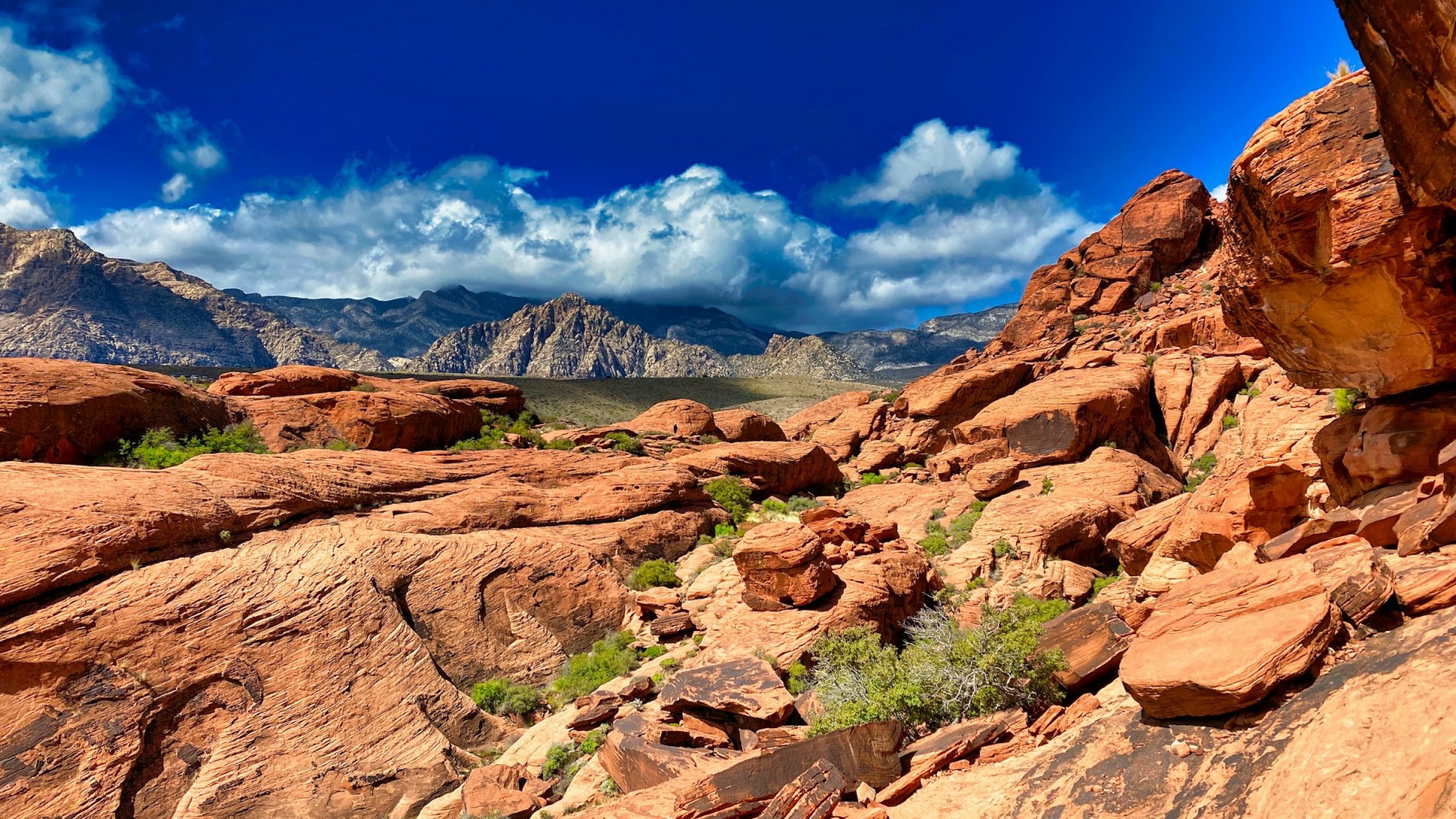
Red Rock Canyon National Conservation Area
Red Rock Canyon National Conservation Area lies about 17 miles west of the Las Vegas Strip, where the Mojave Desert rises into sandstone cliffs, rugged mountains, and broad desert valleys. Nevada’s first National Conservation Area, it covers nearly 198,000 acres and provides a sharp contrast to the developed landscape of Las Vegas. The area is best known for its red and cream-colored rock formations, especially the Calico Hills and the Red Rock escarpment.
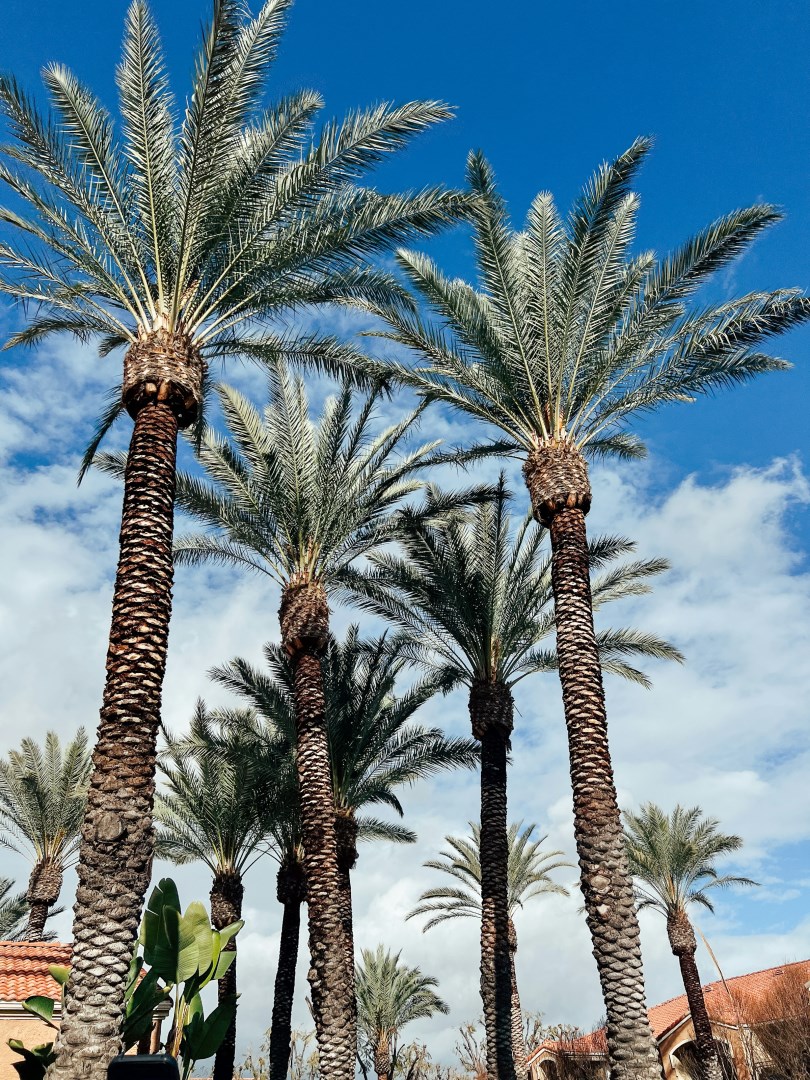
Ontario
Ontario is a city in Southern California’s Inland Empire, located in San Bernardino County at the foot of the San Gabriel Mountains. The city occupies a landscape that has been shaped by agriculture, residential development, and transportation infrastructure, with the mountains providing a prominent backdrop to the north.

Panama
Panama is a country shaped by its geography and defined by its role in global history. The Panama Canal remains its most iconic feature as a 50-mile engineering marvel that connects the Atlantic and Pacific Oceans. Visitors can watch ships pass through the Miraflores Locks from a dedicated observation deck or explore the interactive museum that explains how the canal changed international trade forever.
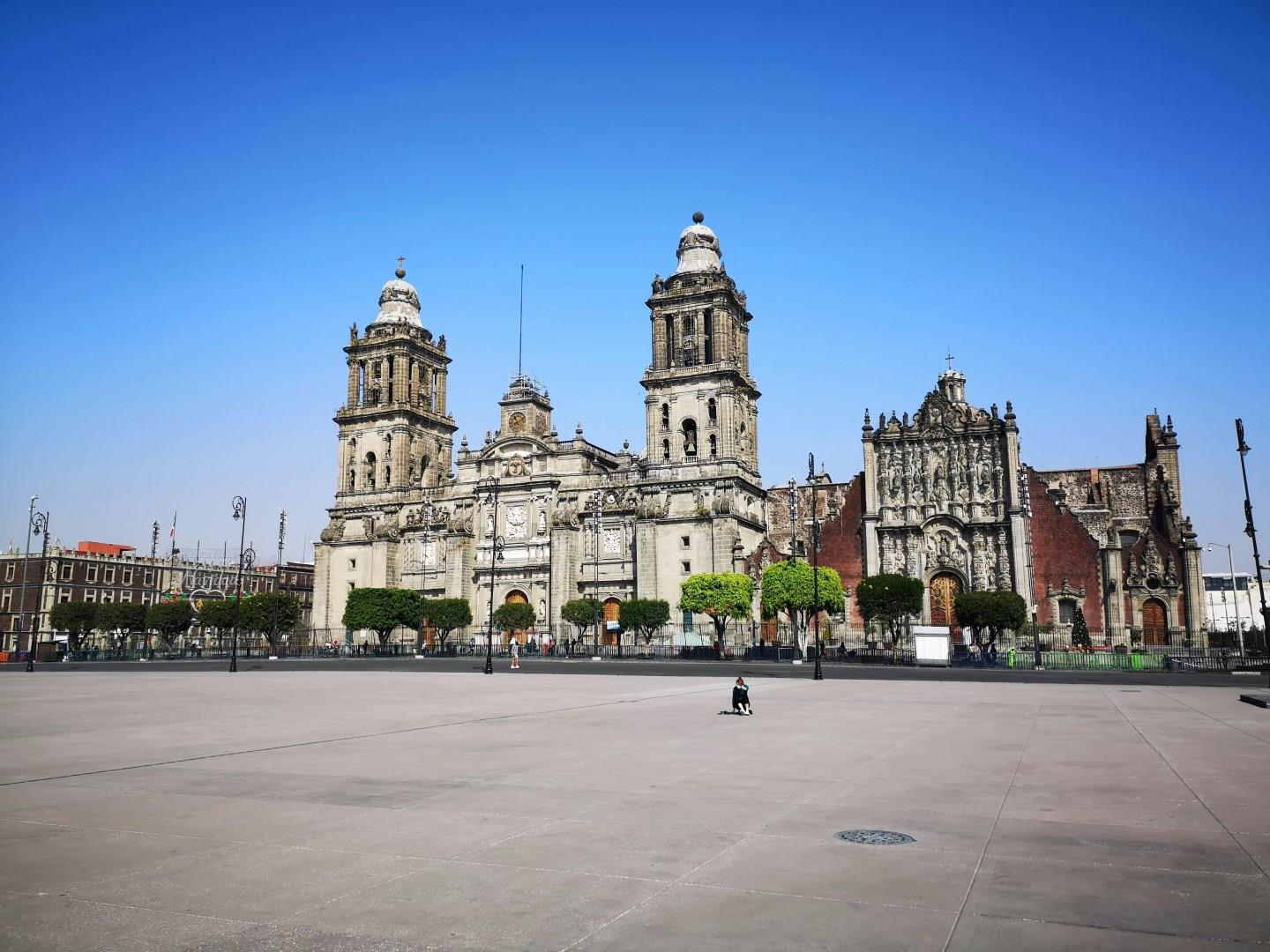
Mexico City
Mexico City sits on the high plateau of central Mexico, layered with more than seven centuries of history and culture. Built atop the ruins of the Aztec capital Tenochtitlán, the city reflects a continuous dialogue between Indigenous foundations, Spanish colonial influence, and modern urban life.
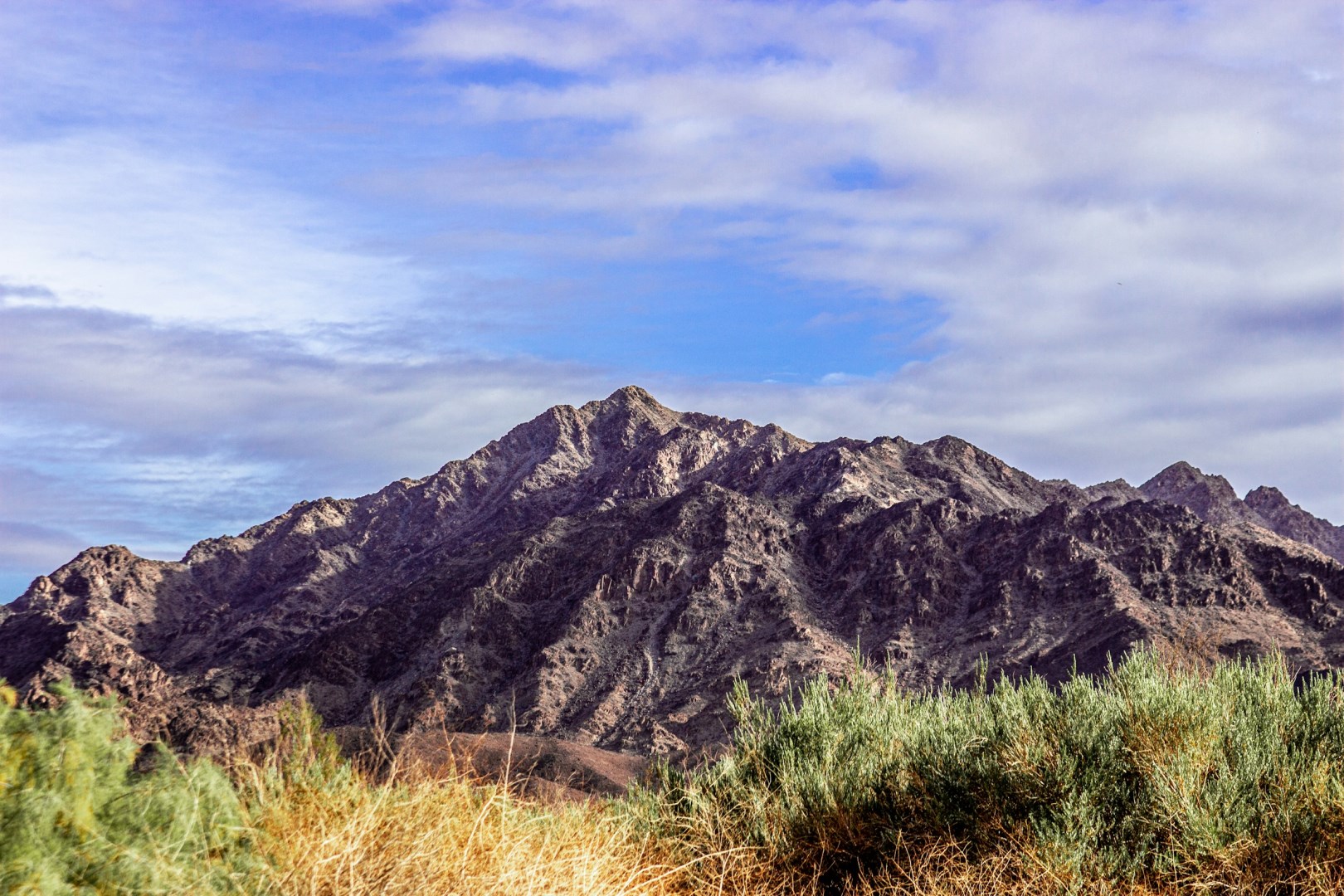
Yuma
Yuma is a city in southwestern Arizona near the Colorado River, close to the borders with California and Mexico. Its location in the lower Colorado River Valley has made it an important crossing point, agricultural center, and transportation hub in the desert Southwest. The surrounding landscape is characterized by low desert plains, irrigated farmland, sand dunes, and rugged mountains.
