
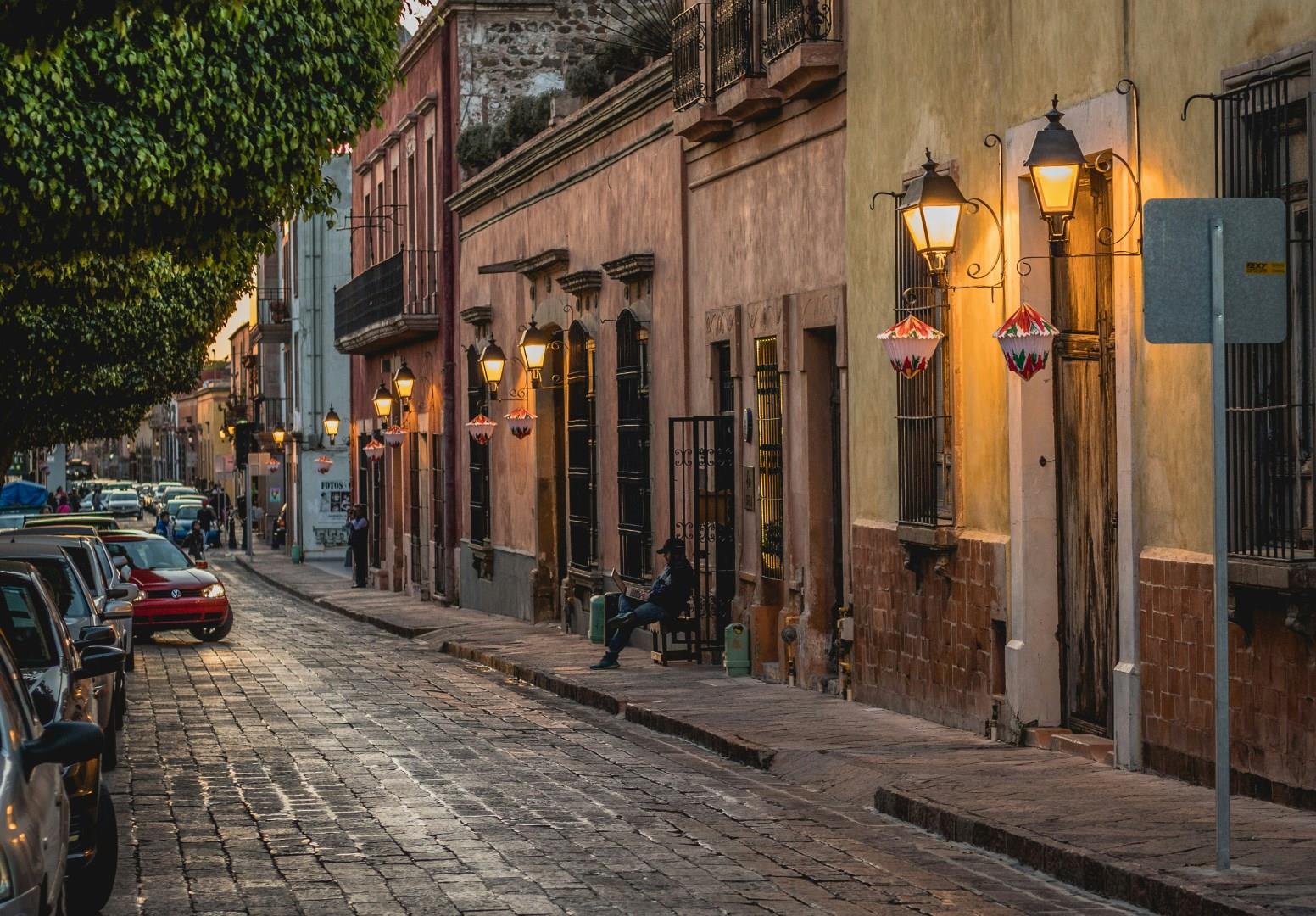
Querétaro
Querétaro, located in the heart of central Mexico, is a city where centuries of history are still visible in daily life. Its historic center, a UNESCO World Heritage Site, features narrow streets, elegant plazas, and baroque churches that reflect its colonial past. One of the city’s most iconic landmarks is the massive aqueduct, built in the 18th century with 74 stone arches stretching nearly a mile across the landscape.

New Orleans
New Orleans is unlike any other city in the United States. Founded in 1718, it carries layers of French, Spanish, African, and Caribbean influence that can be felt in everything from its architecture to its street music. The French Quarter, the oldest neighborhood in the city, is full of iron-laced balconies, gas lamps, and narrow streets that echo with the sounds of live jazz.

Basel
Basel is the global center of the pharmaceutical industry, but most travelers visit for the world-famous ART Basel festival, as well as the numerous art galleries, iconic architecture and museums.
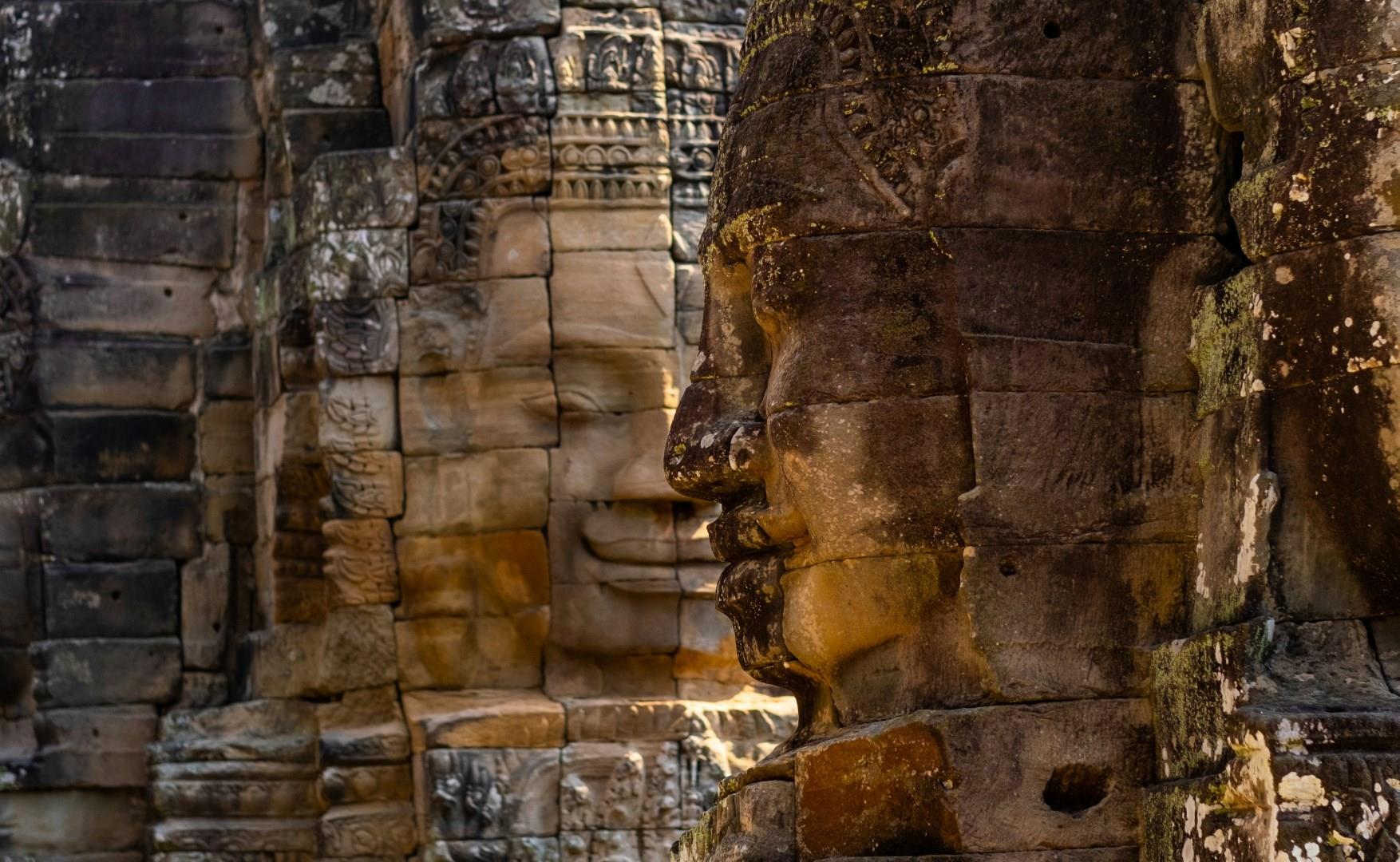
Siem Reap
Siem Reap is best known as the gateway to Angkor, the ancient capital of the Khmer Empire, but the town itself offers far more than a launching point for temple exploration. Located in northwestern Cambodia, Siem Reap balances centuries-old traditions with a rapidly evolving cultural scene. Its streets are lined with colonial-era buildings, Buddhist pagodas, bustling markets, and open-air cafés.

Manaus
Manaus, capital of Brazil’s Amazonas state, is a city that rises unexpectedly from the rainforest. Once the center of the global rubber boom in the late 1800s, Manaus still holds onto that legacy with surprising elegance. The Teatro Amazonas, an opulent opera house imported piece by piece from Europe, sits at the heart of the city, its pink façade and domed roof tiled in the colors of the Brazilian flag. Today, it hosts concerts, festivals, and curious visitors eager to step back in time.
