
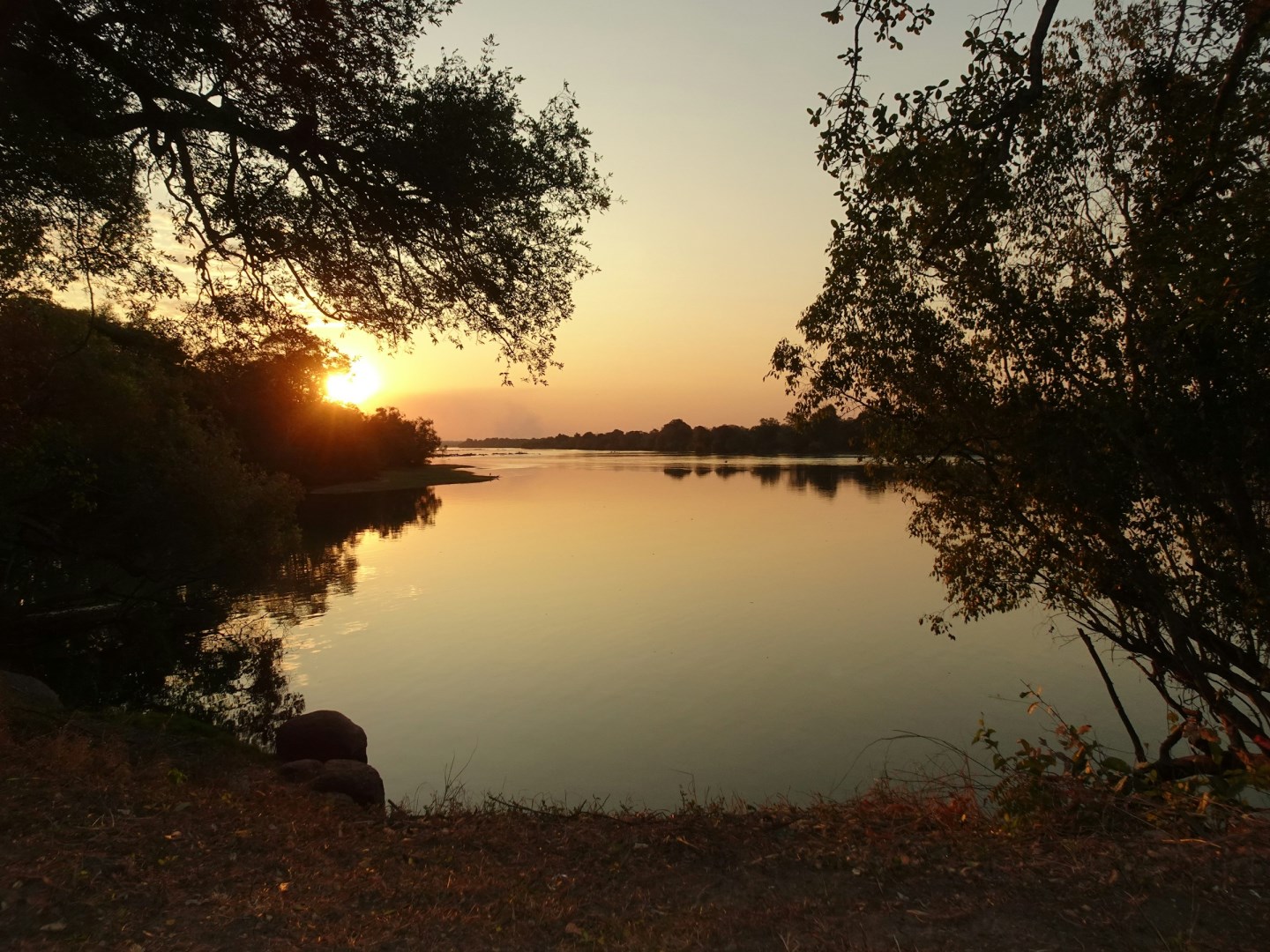
Kafue National Park
Kafue National Park is in western and central Zambia and is the country’s largest national park, covering about 22,400 square kilometers. The park takes its name from the Kafue River, which runs through the protected area and supports a wide range of wetlands, floodplains, grasslands, and woodland. Much of the park is covered by miombo woodland, while the northern Busanga Plains form extensive seasonal wetlands that become open grassland as floodwaters recede.
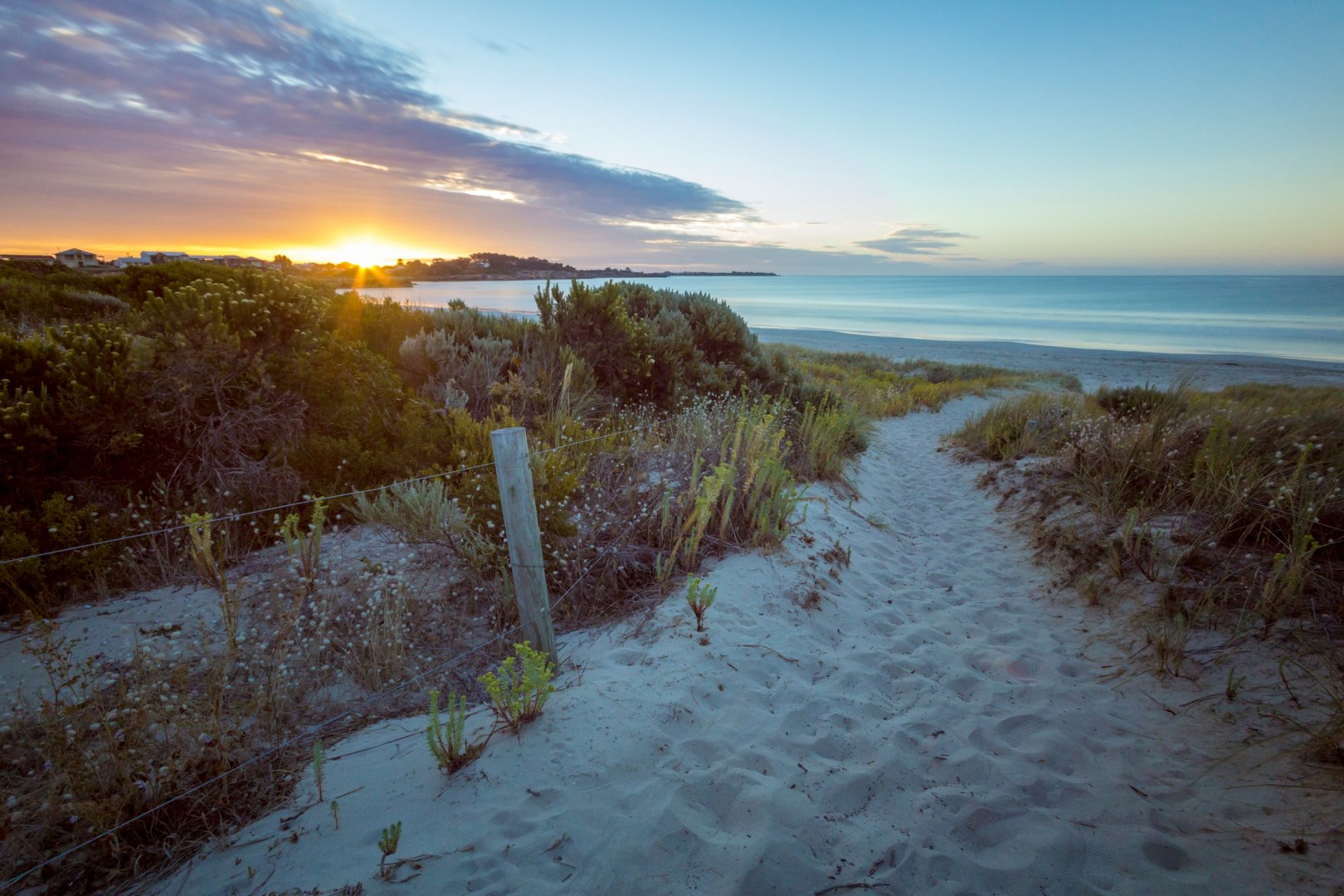
Robe
Robe is a small coastal town on South Australia’s Limestone Coast, overlooking Guichen Bay between long beaches, low dunes, lakes, and rocky headlands. Its setting combines a working fishing community with a historic town center containing numerous heritage-listed buildings. Robe developed as a port serving the pastoral districts of the southeast, and its maritime character remains visible around the harbor and waterfront.
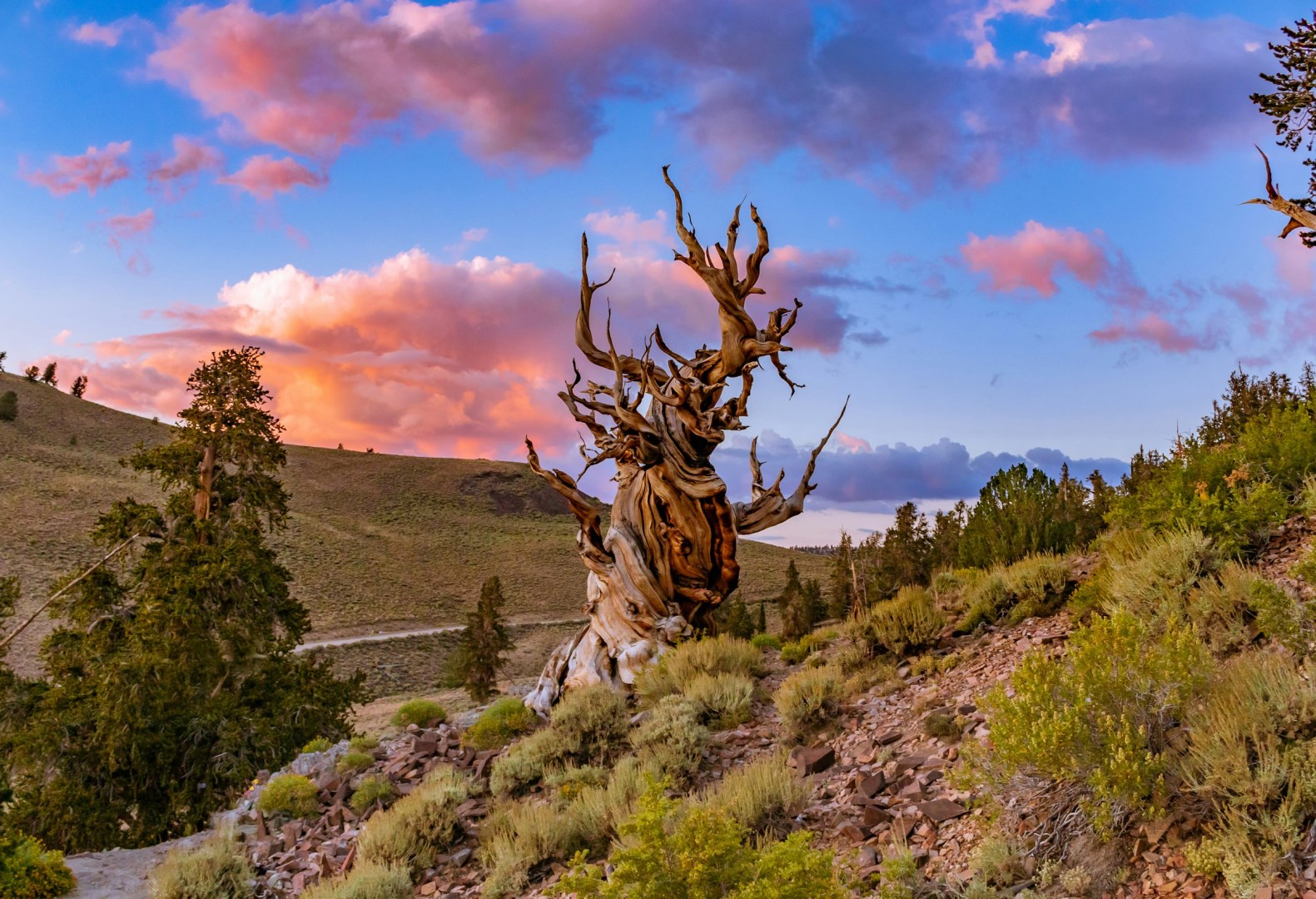
Bishop
Bishop is a small city in California’s Owens Valley, positioned between the Sierra Nevada to the west and the White Mountains to the east. The city sits along the U.S. Route 395 corridor and serves as a regional center for the surrounding Eastern Sierra communities.
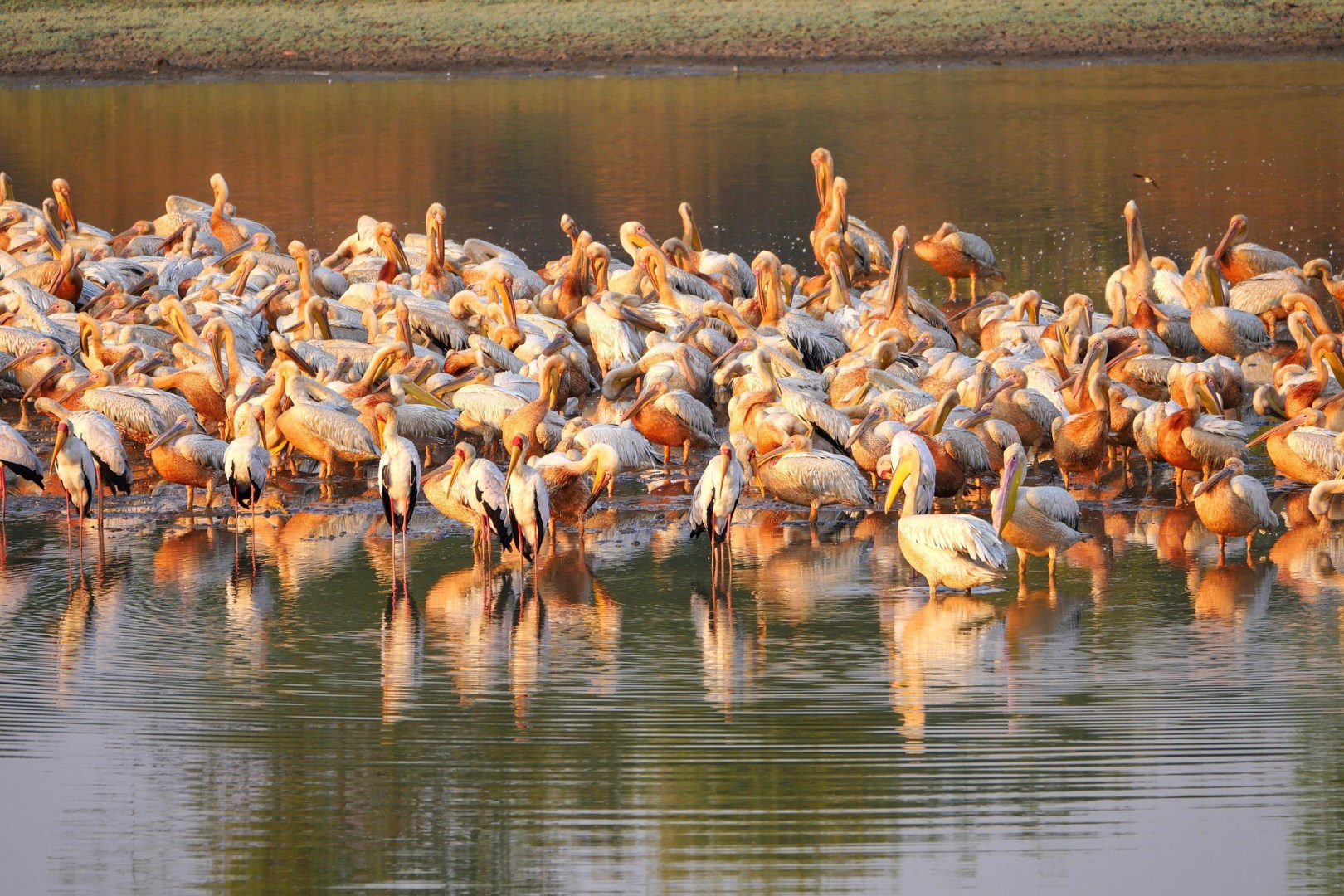
Lower Zambezi National Park
Lower Zambezi National Park is a protected area in eastern Zambia, lying along the northern bank of the Zambezi River opposite Zimbabwe’s Mana Pools. The park covers a broad area of woodland, open grassland, riverine forest, lagoons, and seasonal floodplains. The Zambezi is central to the landscape, providing water for wildlife and shaping habitats along the park’s southern boundary.
Washington
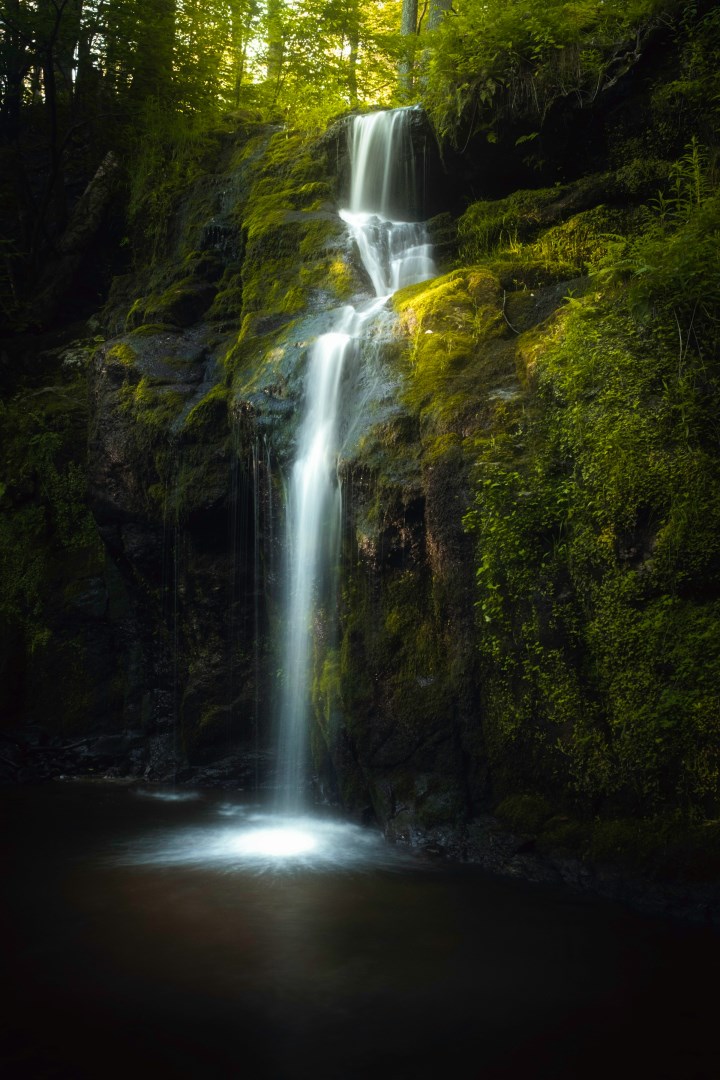
Washington is a small town in Litchfield County, Connecticut, set among wooded hills, lakes, and rural valleys in the northwestern part of the state. Its landscape includes farmland, stone walls, forest roads, and several reservoirs and ponds, with the Shepaug River flowing through the surrounding countryside.
