
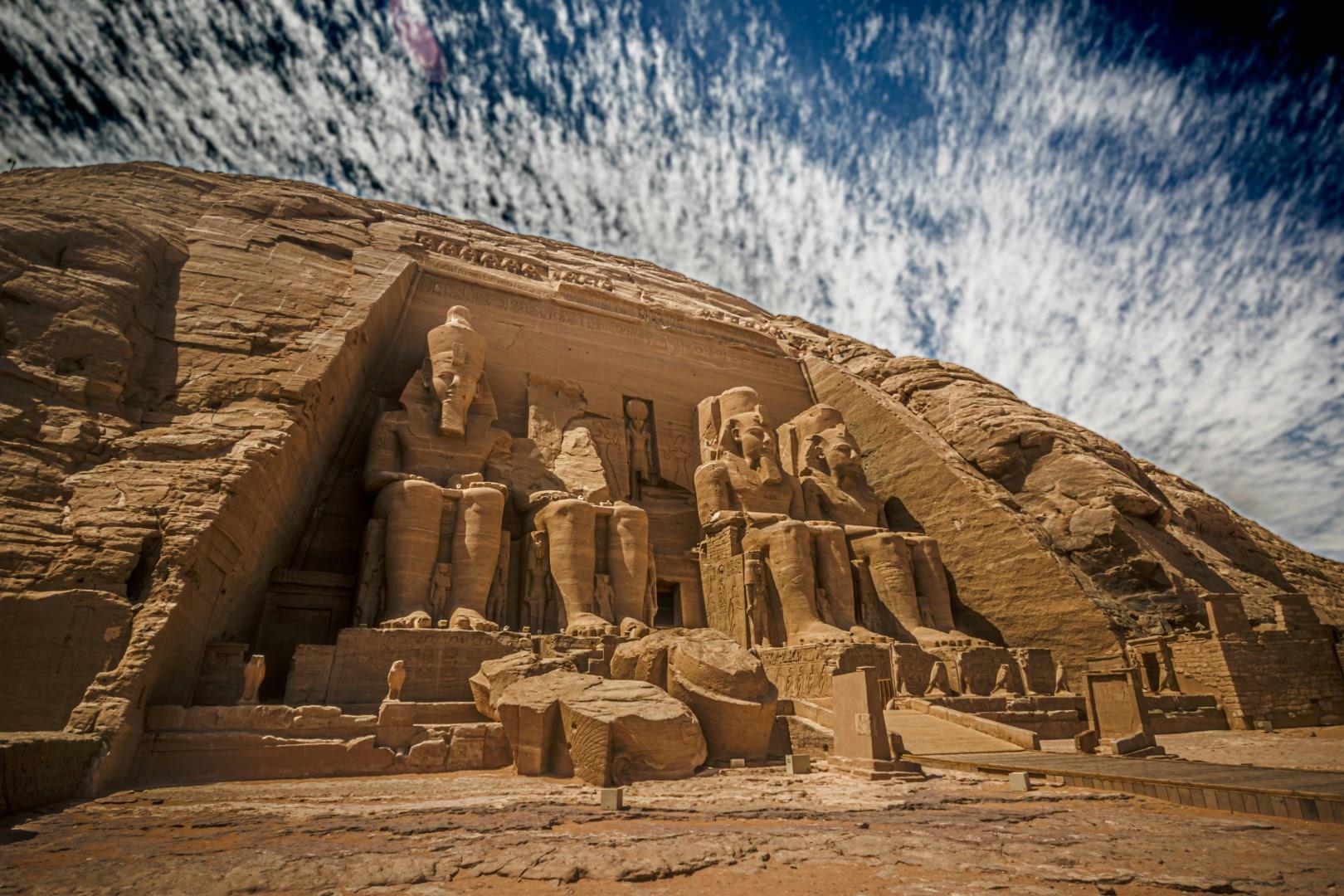
Abu Simbel
Abu Simbel, in southern Egypt near the border with Sudan, is one of the most awe-inspiring archaeological sites of the ancient world. Built during the reign of Pharaoh Ramses II in the 13th century BCE, the twin temples were carved directly into the sandstone cliffs overlooking the Nile. The Great Temple, with its four colossal statues of Ramses II seated at the entrance, was designed not only to honor the pharaoh but also to project his power to neighboring Nubia.
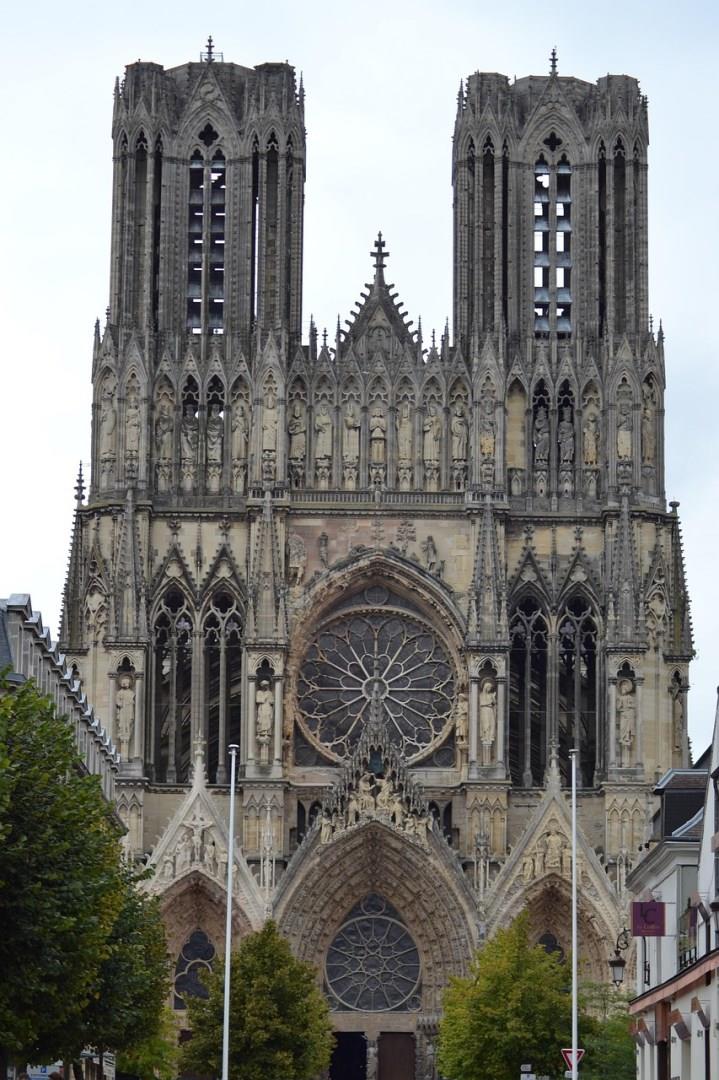
Reims
France’s city of Reims, located in the heart of the Champagne region, is a place where history and celebration meet. Known for its towering cathedral, Reims played a central role in French royal tradition. Nearly every French king was crowned at the Cathedral of Notre-Dame de Reims, a masterpiece of Gothic architecture that still dominates the skyline. The cathedral’s intricate facade and famous stained-glass window continue to draw visitors from around the world.
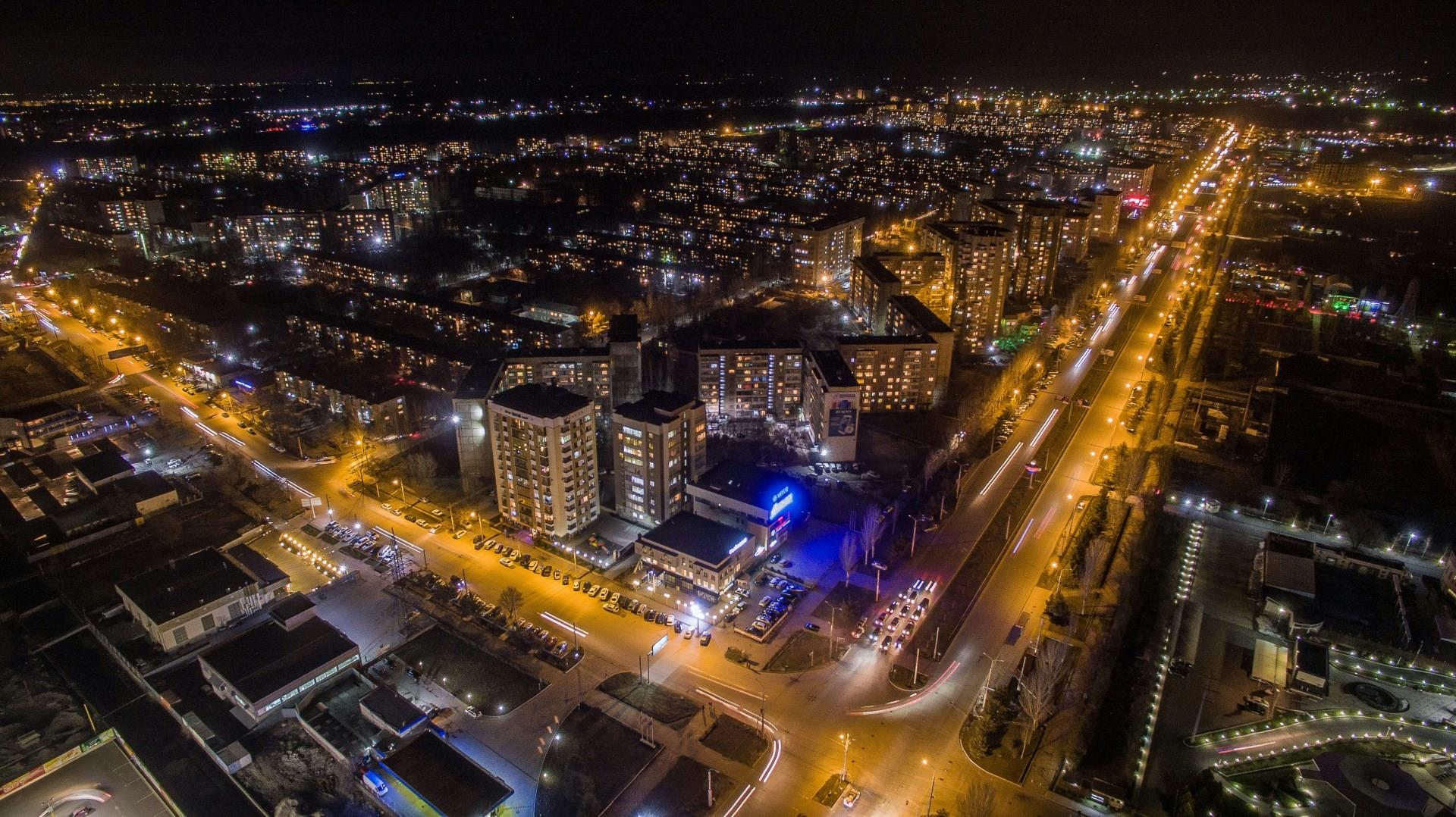
Bishkek
Bishkek, the capital of Kyrgyzstan, sits at the foot of the Ala-Too Mountains and serves as the country’s political, cultural, and economic center. The city is known for its wide tree-lined streets, Soviet-era architecture, and public squares.
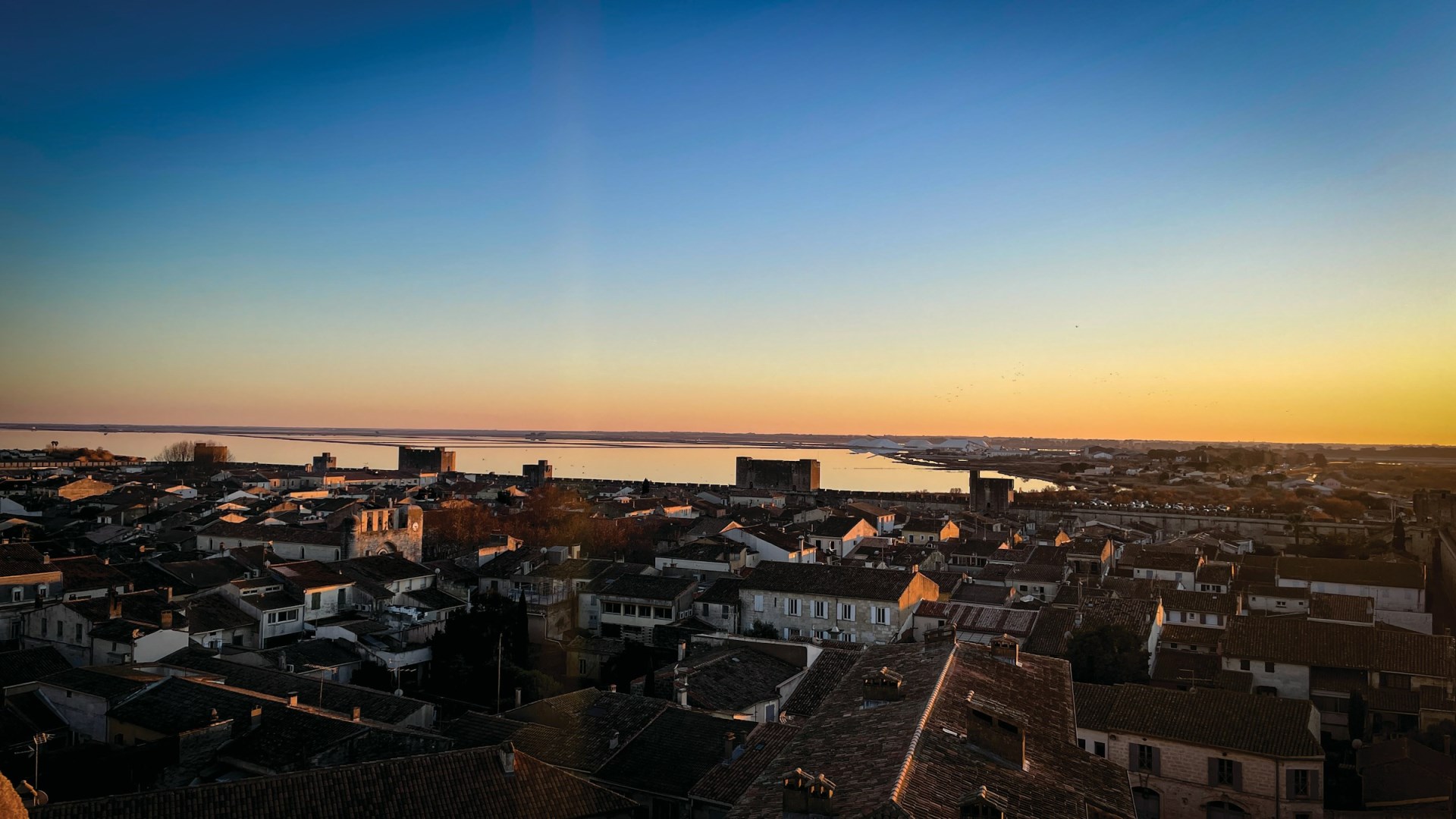
Aigues-Mortes
Aigues-Mortes is a fortified medieval town in the Camargue gardoise of southern France, surrounded by salt marshes, lagoons, and flat coastal plains. Its remarkably preserved stone walls enclose a compact historic centre of narrow streets, small squares, cafés, and historic buildings. The town's name means “dead waters,” reflecting the marshy landscape around it.

Phu Quoc
This island in the Gulf of Thailand is known for white sand beaches, lush national parks, and night markets packed with fresh seafood. Visitors can spend mornings snorkeling, afternoons exploring temples, and evenings tasting local fish sauce, one of the island’s specialties.
