
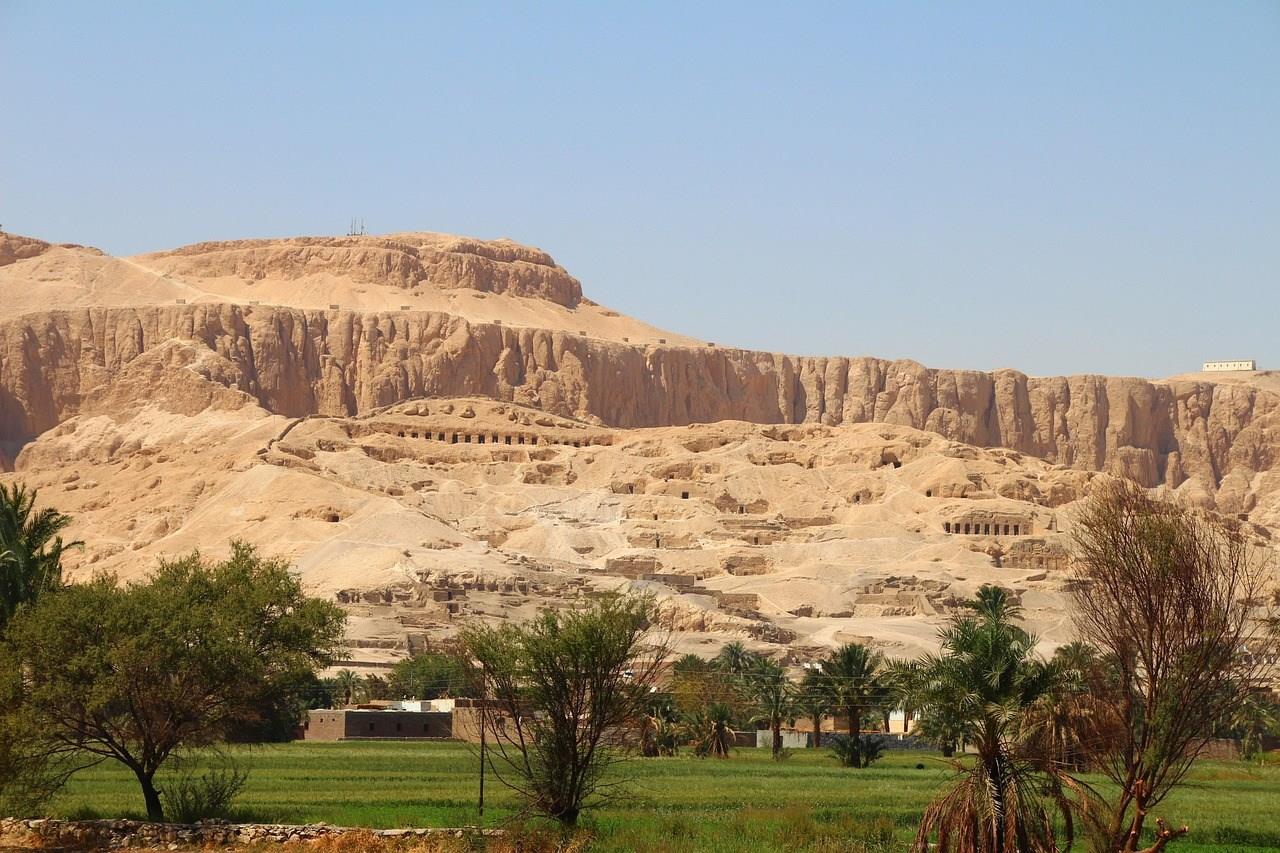
Valley of the Kings and Queens
The Valley of the Kings and the Valley of the Queens, located on the west bank of the Nile near Luxor, Egypt, are two of the world’s most significant archaeological sites. For over 500 years during the New Kingdom (16th–11th centuries BCE), these valleys served as the burial grounds for pharaohs, queens, and high-ranking nobles.
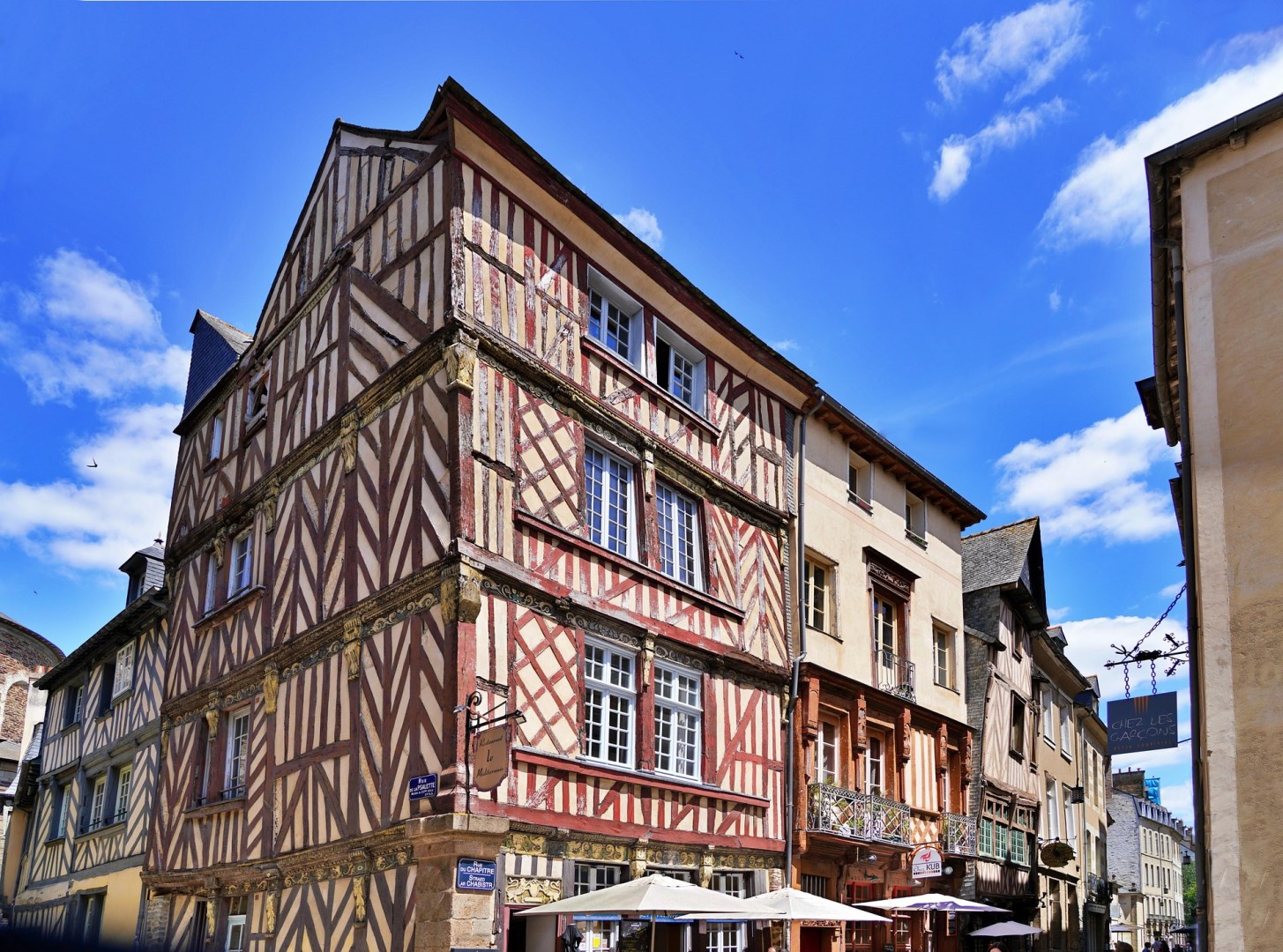
Rennes
Ancient capital of Brittany, it was nearly destroyed by fire in 1720. Today it is known as an intellectural center with its famous Rennes University.

Sri Lanka
Sri Lanka, an island nation in the Indian Ocean, is known for its lush landscapes, ancient history, and vibrant culture. From the sacred city of Kandy and the rock fortress of Sigiriya to colonial-era Galle Fort, the country offers a deep connection to centuries of heritage and tradition.
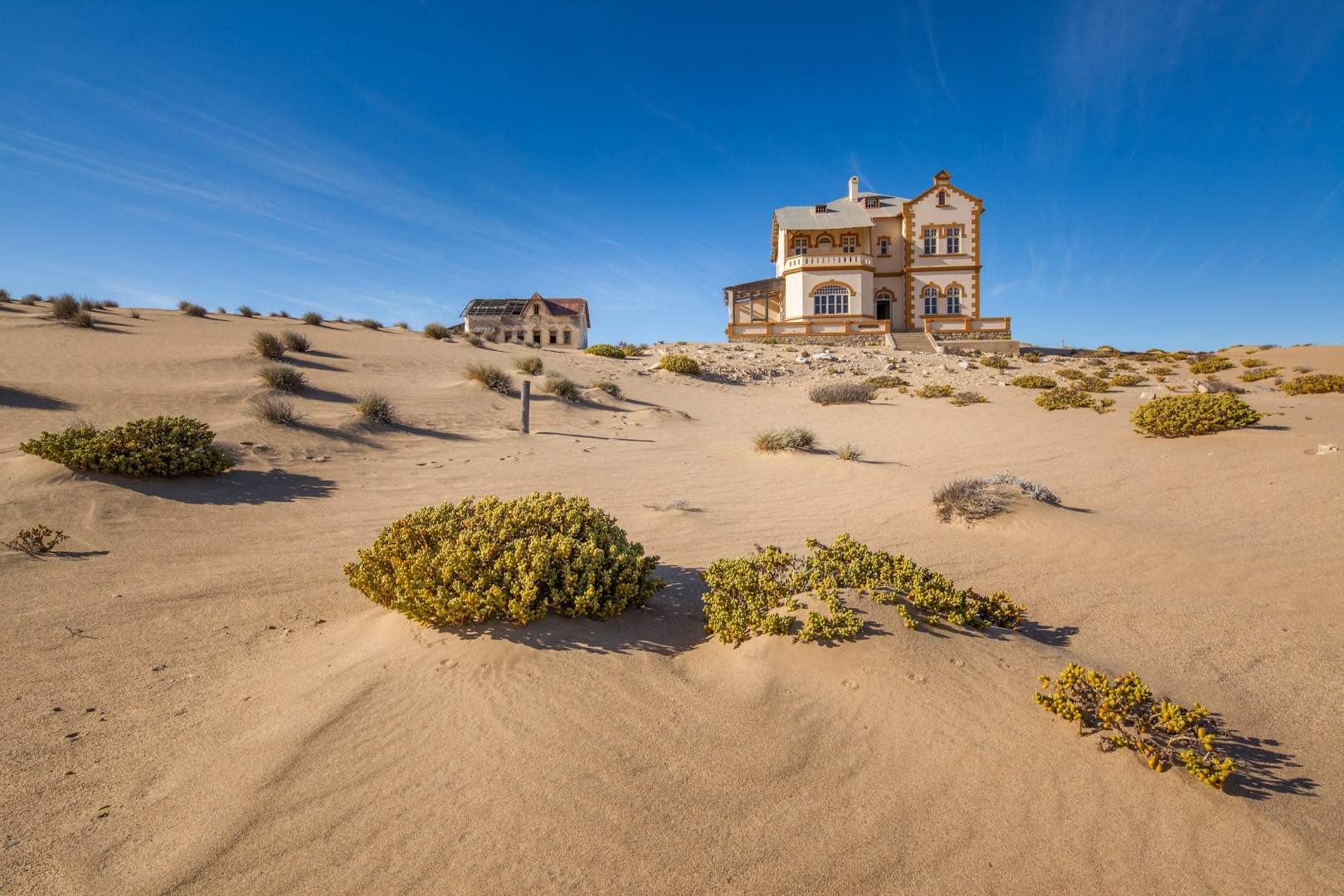
Kolmanskop
Kolmanskop is an abandoned diamond-mining settlement in the Namib Desert, a short distance inland from the coastal town of Lüderitz in southern Namibia. The former settlement is surrounded by an exceptionally dry landscape of sand, gravel, and sparse desert vegetation. Today, windblown sand fills many of its empty buildings, creating a distinctive scene where rooms, corridors, and staircases are gradually being reclaimed by the desert.
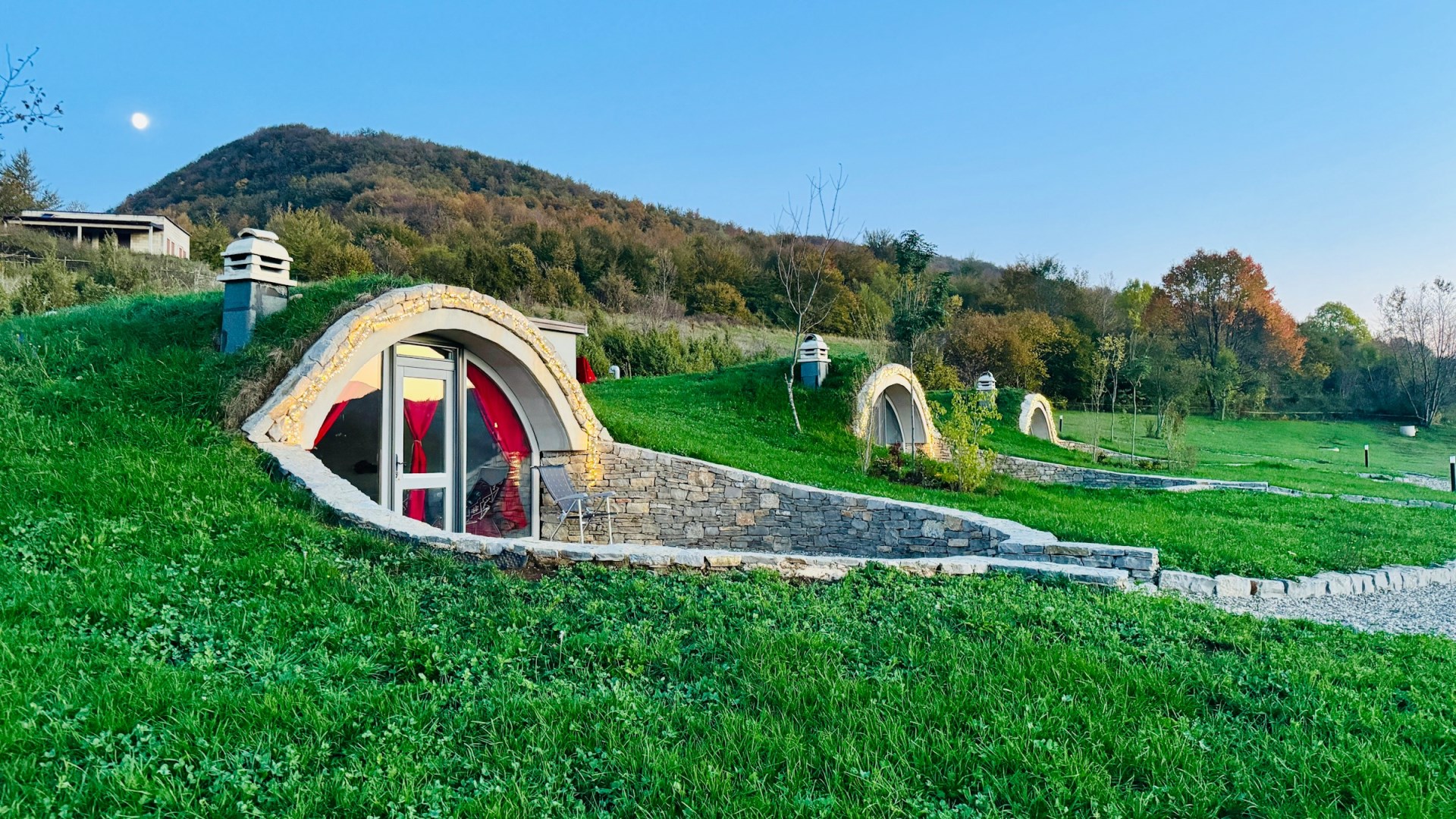
Kosovo
Kosovo, one of Europe’s youngest countries, offers visitors a glimpse into a landscape marked by resilience and rich tradition. The capital, Pristina, blends modern life with historical landmarks such as the Imperial Mosque, built in the 15th century, and the National Library, known for its unique architectural style. Walking through the city, visitors encounter a mix of Ottoman influences alongside vibrant street art and lively cafes.
