
Mijas
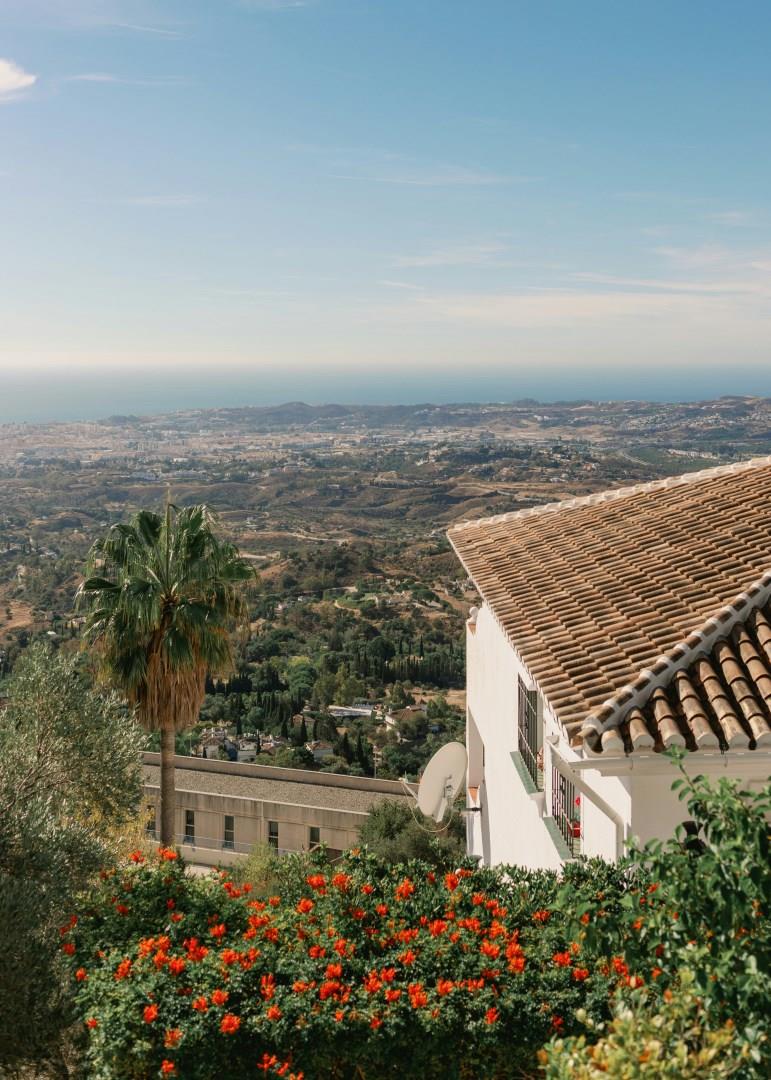
Mijas, perched on the hillside above the Costa del Sol, blends centuries of Andalusian tradition with views that stretch across the Mediterranean. The whitewashed buildings of Mijas Pueblo reflect sunlight from narrow cobbled streets that wind through small plazas, each with its own fountain, chapel, or overlook. The town’s layout still follows Moorish-era planning, and remnants of the old wall (La Muralla) offer shaded walks lined with native plants and panoramic views over the coast.
Jebel Akhdar
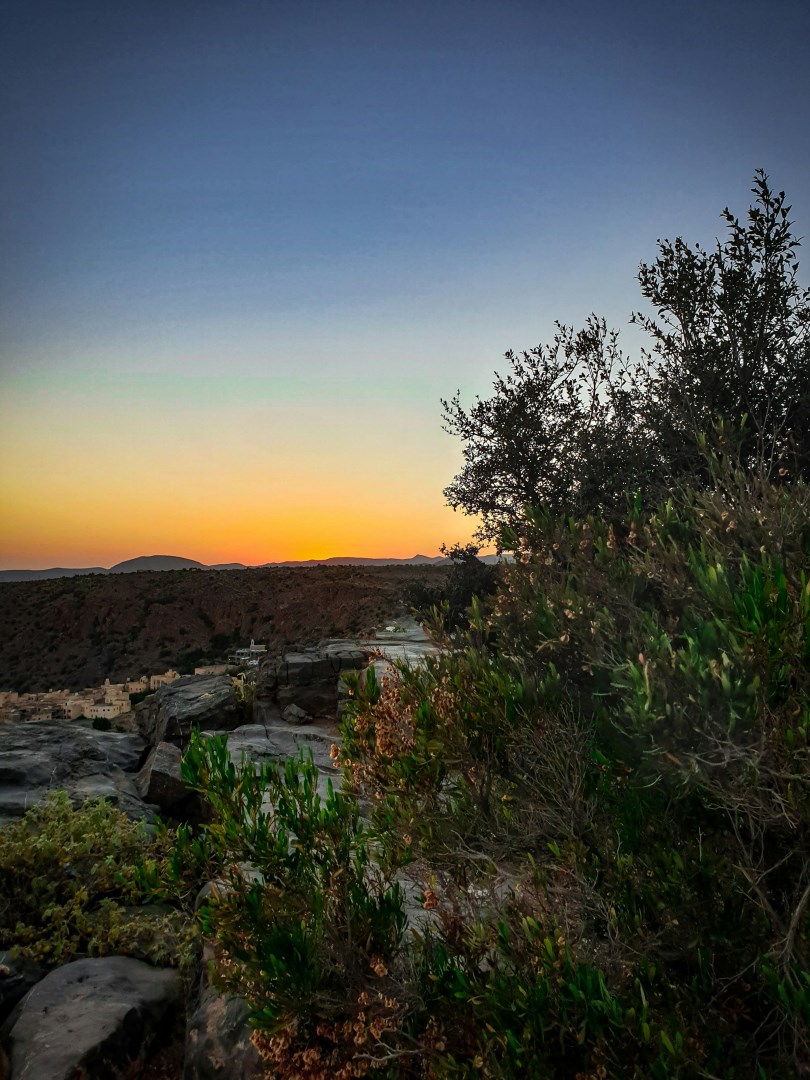
Jebel Akhdar, meaning “Green Mountain,” is a highland area within Oman's Al Hajar Mountains in Ad Dakhiliyah Governorate. The mountain rises to about 2,980 meters, with the Saiq Plateau located around 2,000 meters above sea level. Its cooler mountain climate supports terraced orchards, villages, and vegetation that differs from the dry lowlands below.
Island of Flores
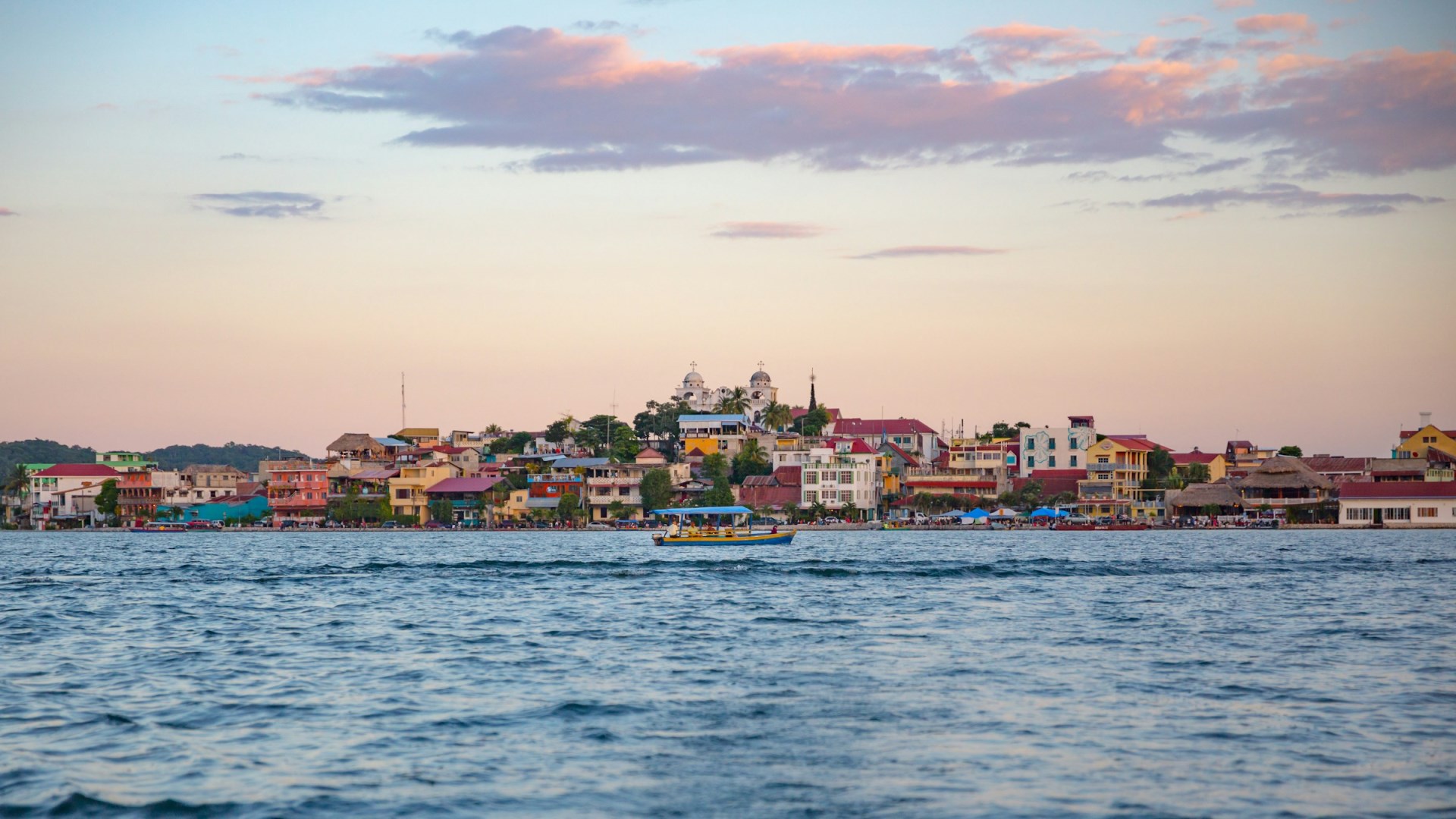
This charming island town acts as a gateway to the ancient Mayan ruins of Tikal National Park. Known for its brilliantly colored buildings, visitors can spend numerous hours relaxing in restaurants, cafes, and pubs, savoring the flavors of Mayan and Spanish-influenced dishes. Surrounded by Lake Peten Itza and vibrant rainforest, water sports and nature ventures are a must!
Chuuk
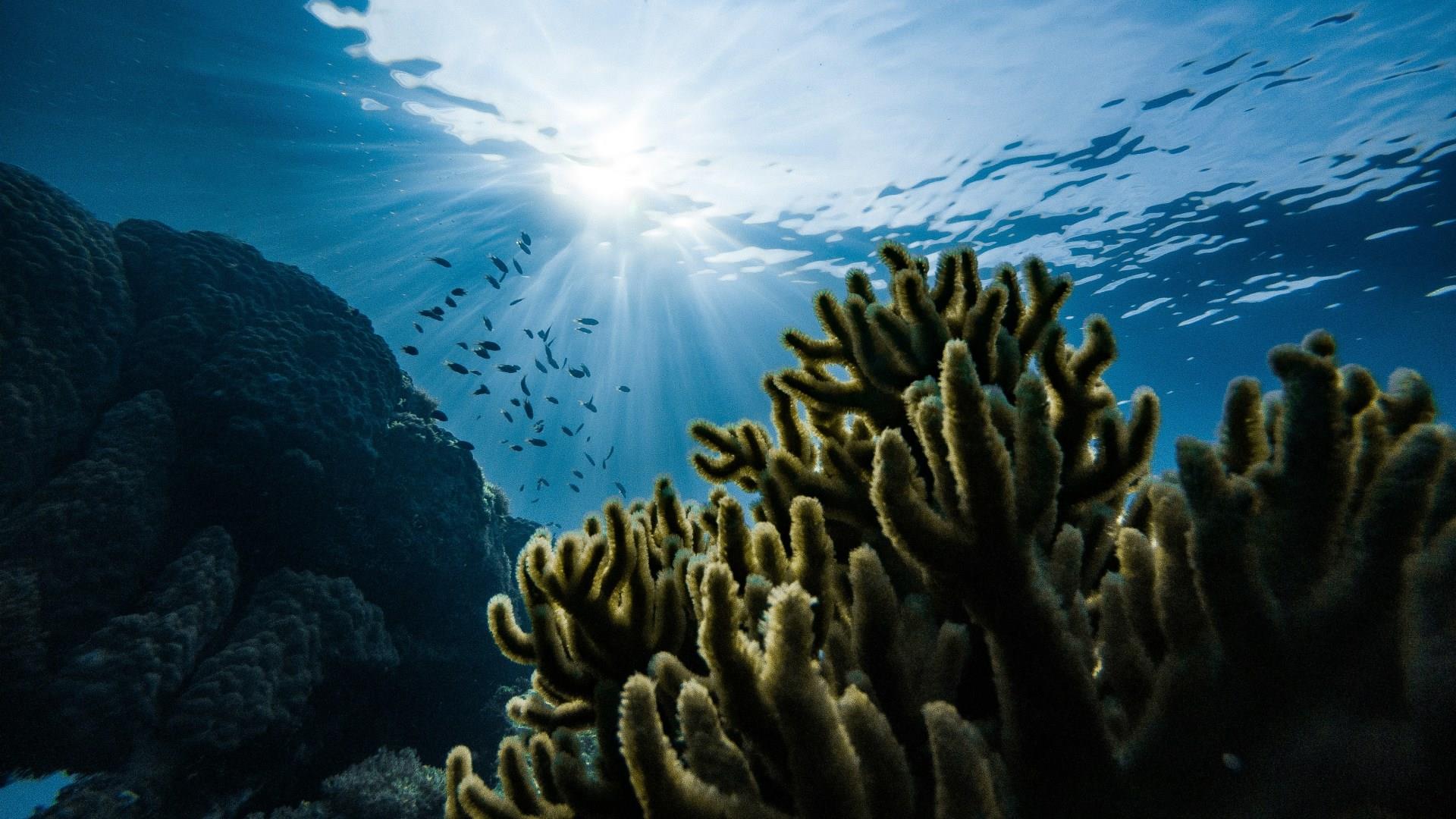
Chuuk, one of the four states of the Federated States of Micronesia, is best known for its vast lagoon which is one of the largest enclosed lagoons in the world. But what sets Chuuk apart is what lies beneath those calm blue waters: an entire underwater fleet of sunken warships, aircraft, and submarines left from World War II. Often called the "Ghost Fleet of Truk Lagoon," these wrecks make Chuuk a global destination for experienced divers.
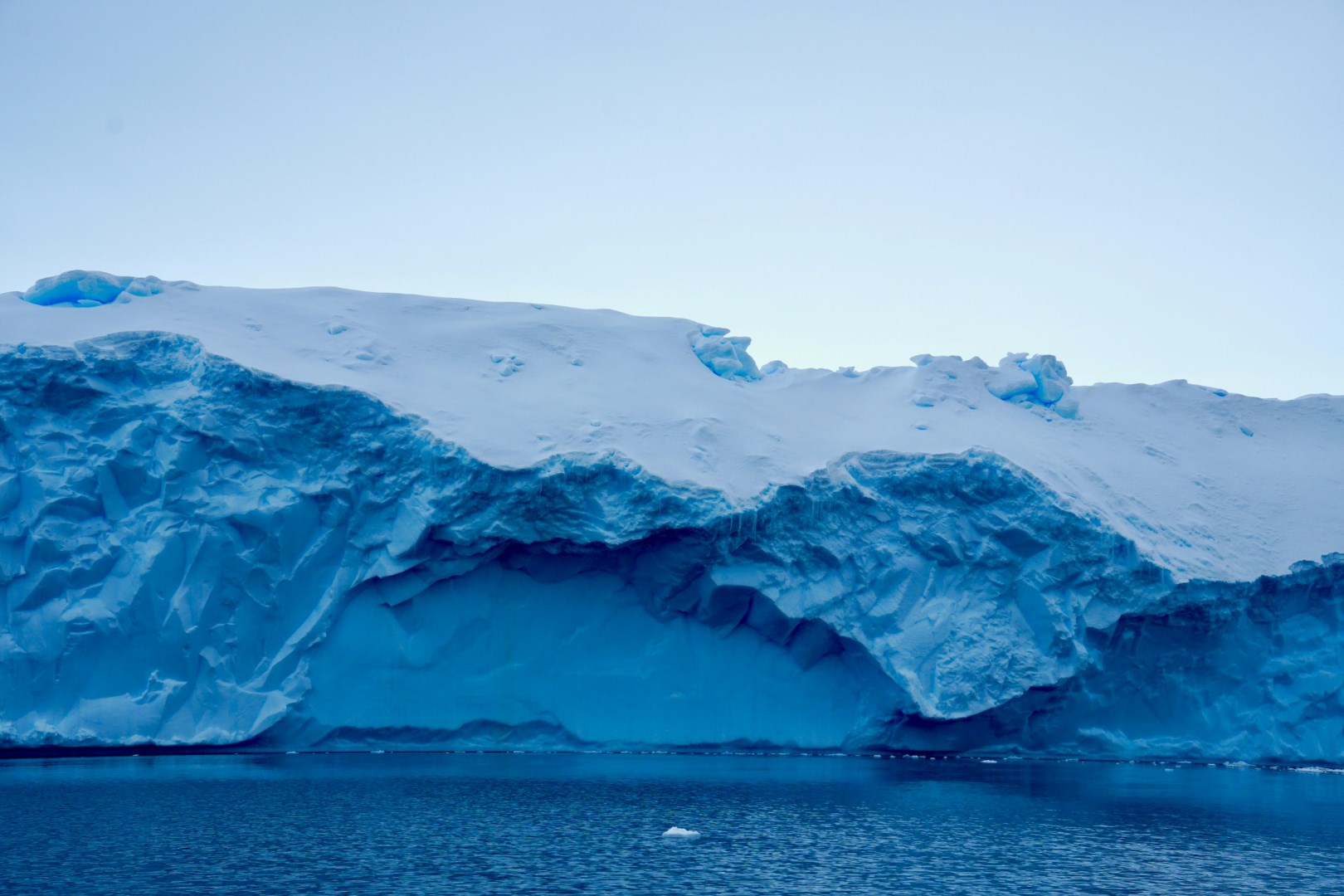
Neko Harbour
Neko Harbour is a small coastal landing site on the Antarctic Peninsula, set within Andvord Bay and framed by steep mountains and advancing glaciers. Its defining feature is the close relationship between land, sea ice, and moving glacier fronts. Visitors typically reach the shore by expedition boat, making a continental landing on a cobble beach before exploring the surrounding slopes under guidance. The harbor offers a direct view of Antarctica’s active glacial landscape, where conditions can
