

Riomaggiore
Riomaggiore, a charming village in Italy's famed Cinque Terre, is a gem of the Ligurian coast. With its colorful houses cascading down steep cliffs towards the azure Mediterranean, this picturesque town offers a postcard-perfect escape. Founded in the 13th century, Riomaggiore is rich in history, with medieval churches like the Church of San Giovanni Battista, built in 1340, reflecting its ancient past.

Nawiliwilli, Kauai
This is your passage into the sacred "Garden Isle," where the sweet smell of the mokihana berry permeates the air and the lush green landscapes intoxicate your senses. Visit Waimea Canyon and witness the union of water, sunshine, clouds and canyon walls as they create the most colorful rainbows imaginable.
Ahangama
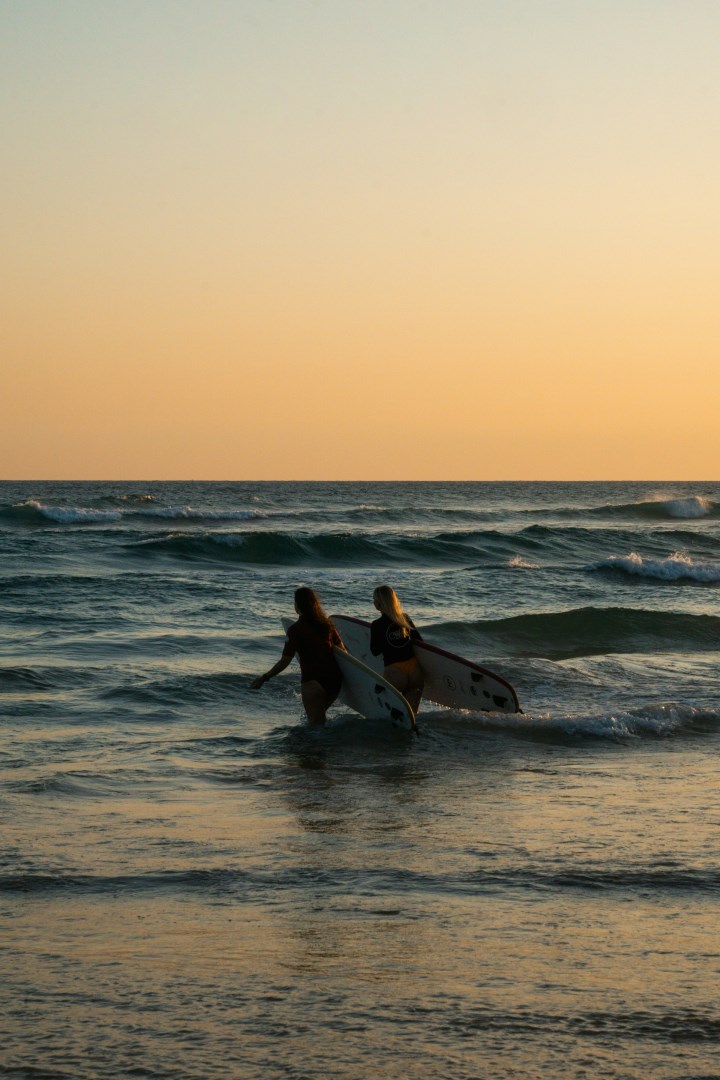
Ahangama is a coastal town in Sri Lanka’s Southern Province, situated between Galle and Weligama along a shoreline of sandy bays, rocky reefs, and coconut palms. The town has traditionally been connected with fishing, while surfing has become an important part of its modern identity. Kabalana Beach is one of the area’s best-known surf locations, with reef breaks attracting experienced surfers as well as surf schools catering to learners.
Depoe Bay
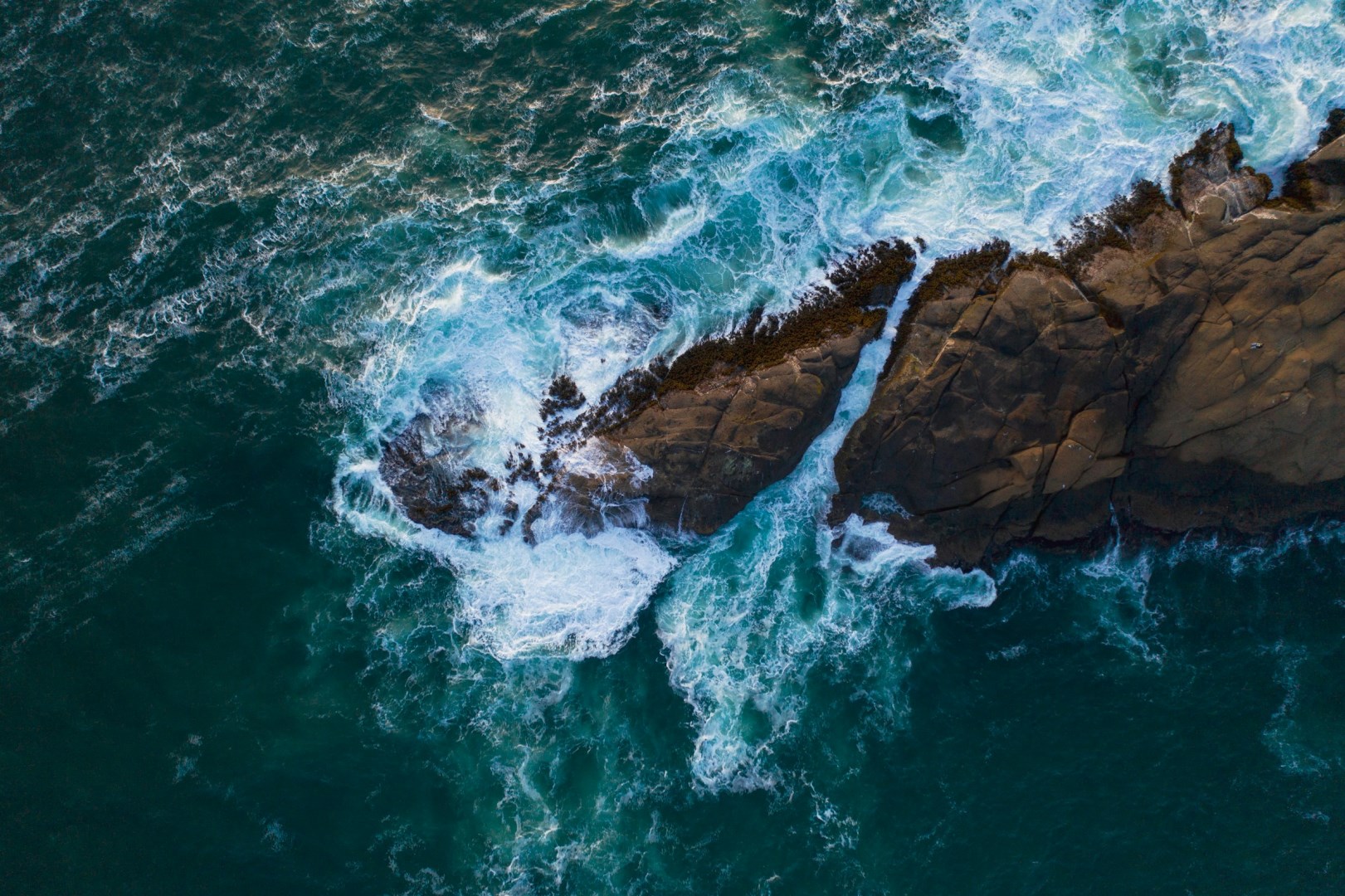
Located on the Oregon coast, and is one of the prettiest beach towns in Oregon.

Heidelberg
Heidelberg, located along the scenic banks of the Neckar River in southwestern Germany, is a city steeped in history, culture, and charm. Known for its prestigious university, which is one of the oldest in Europe, the city draws visitors with its picturesque old town, medieval architecture, and vibrant academic atmosphere.
