

Denmark
Denmark is a country shaped by water, wind, and centuries of human ingenuity. In places like Roskilde, visitors can see five original Viking ships at the Viking Ship Museum and even try rowing a replica longboat across the fjord. In Copenhagen, the harbor once used by merchants and sailors now welcomes swimmers, kayakers, and ferries, with historic warehouses repurposed into restaurants and museums.
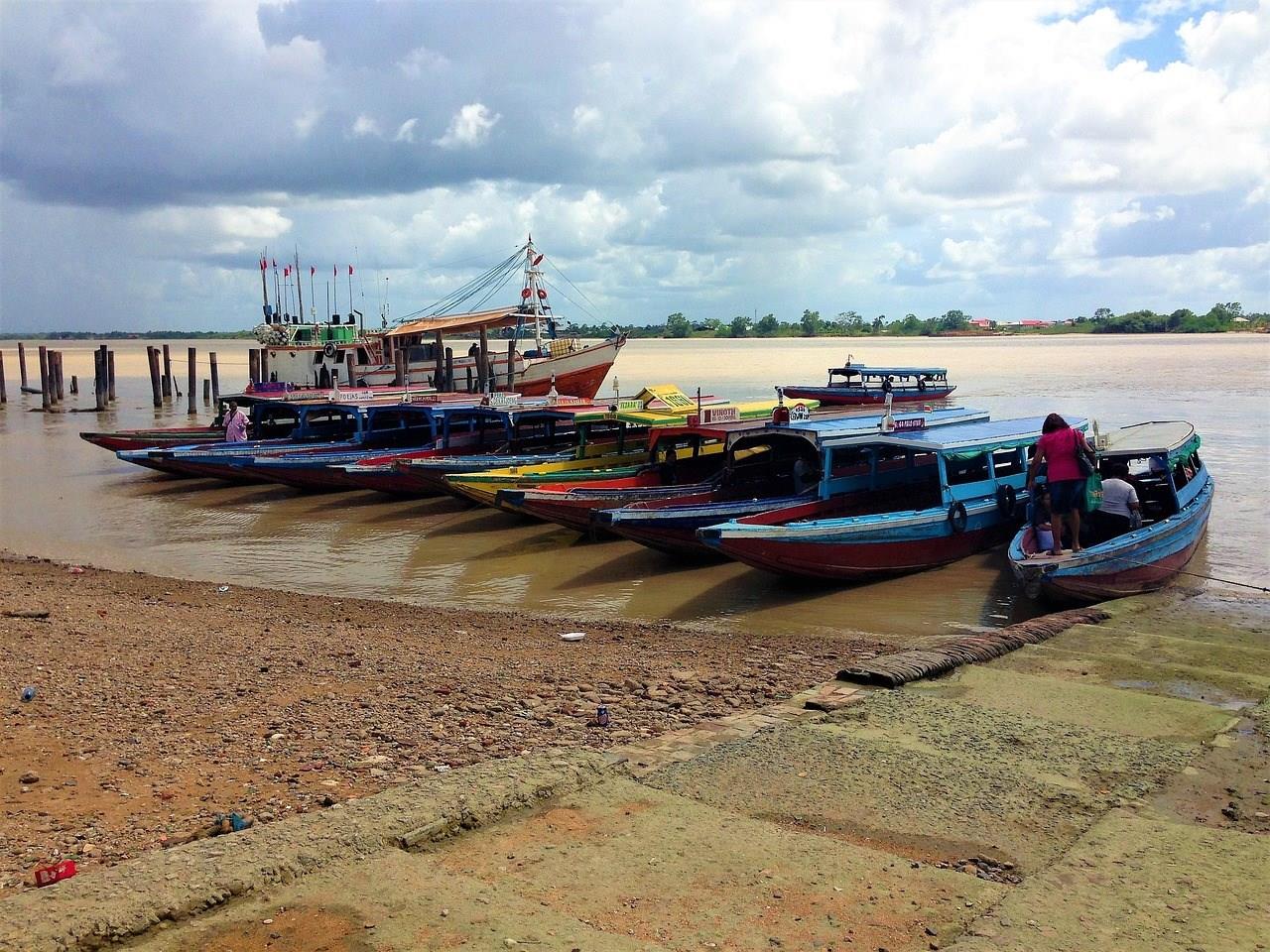
Paramaribo
Paramaribo, Suriname’s capital, unfolds like a living storybook along the Suriname River, where wooden structures from the 17th and 18th centuries still stand today. This historic heart reveals a rare fusion of Dutch design and local craftsmanship. Visitors can stroll the Waterkant, a riverside avenue, and take in landmarks such as Fort Zeelandia, the neoclassical Reformed Church, and the lofty wooden Cathedral of St. Peter and Paul.
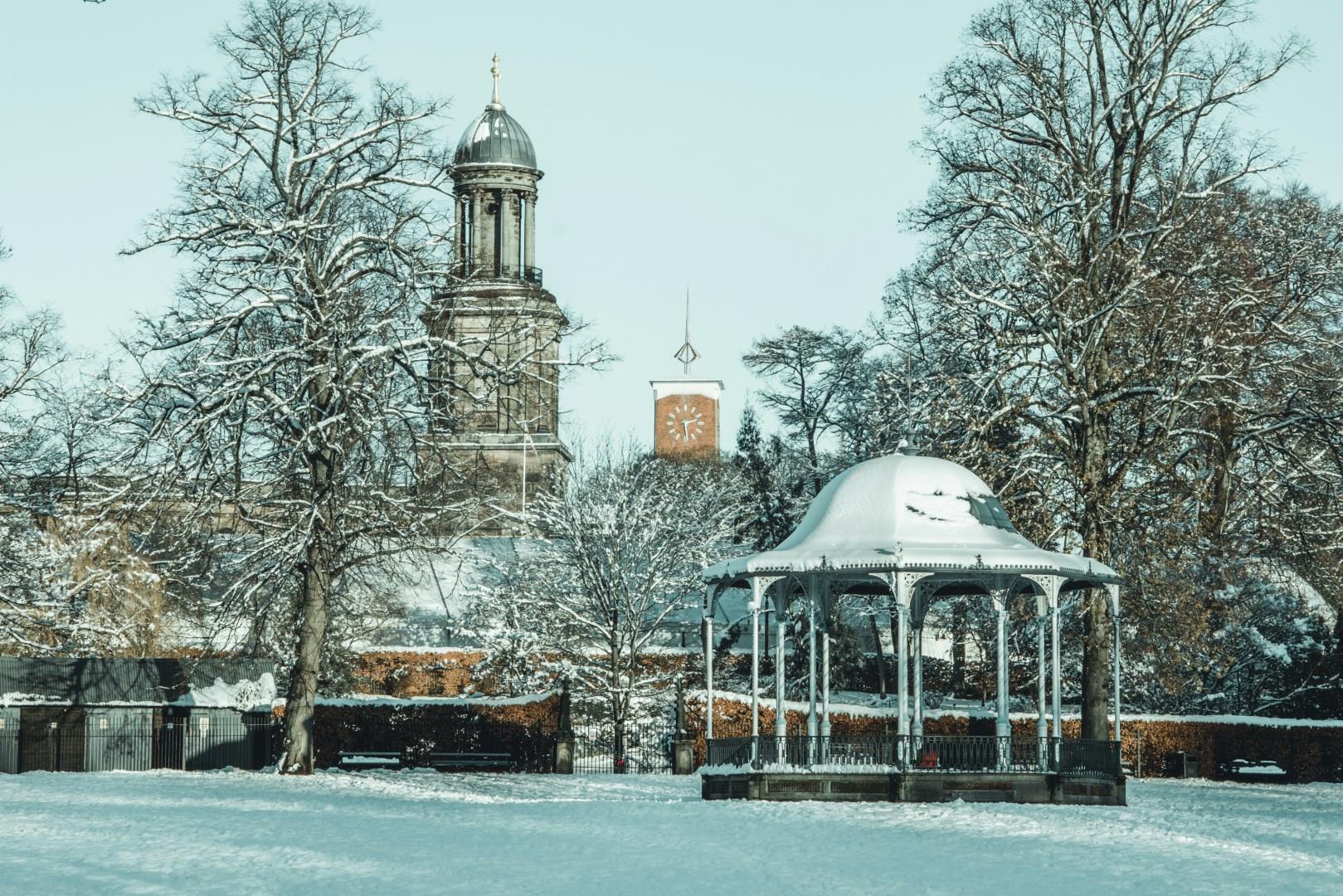
Shrewsbury
Shrewsbury, a picturesque market town in Shropshire, England, is celebrated for its medieval charm, riverside setting, and remarkably well-preserved architecture. Encircled almost entirely by a loop of the River Severn, the town’s winding streets and timber-framed buildings transport visitors back through centuries of English history.

Hue
Its legacy as the former imperial capital of Vietnam is just one of many reasons to visit Hue.
For more than a century, the emperors of the Nguyen dynasty (1802-1945) ruled from the Forbidden Purple City, the innermost enclosure of the citadel. Today, this complex is designated as a UNESCO World Heritage site and draws millions of visitors each year.
For more than a century, the emperors of the Nguyen dynasty (1802-1945) ruled from the Forbidden Purple City, the innermost enclosure of the citadel. Today, this complex is designated as a UNESCO World Heritage site and draws millions of visitors each year.

Split
Split, Croatia, is a city where ancient history and modern vibrancy blend seamlessly, creating an alluring destination for travelers. At the heart of Split is the UNESCO World Heritage Site of Diocletian's Palace, a remarkably well-preserved Roman complex built by Emperor Diocletian in the 4th century AD. This sprawling palace complex, with its labyrinthine streets, ancient walls, and grand Peristyle courtyard, is not just a historical site but a bustling part of the city’s daily life.
