

Mumbai
This energetic city is home to three UNESCO World Heritage Sites: the Elephanta Caves, Chhatrapati Shivaji Maharaj Terminus, and the city's distinctive Victorian and Art Deco buildings. It is the largest city in India and contains 7 distinct districts. There is so much to see here, but the most popular tourist attractions are typically concentrated in South Mumbai such as the Elephanta Caves, the Gateway of India and Chhatrapati Shivaji Maharaj Terminus.
Neko Harbour
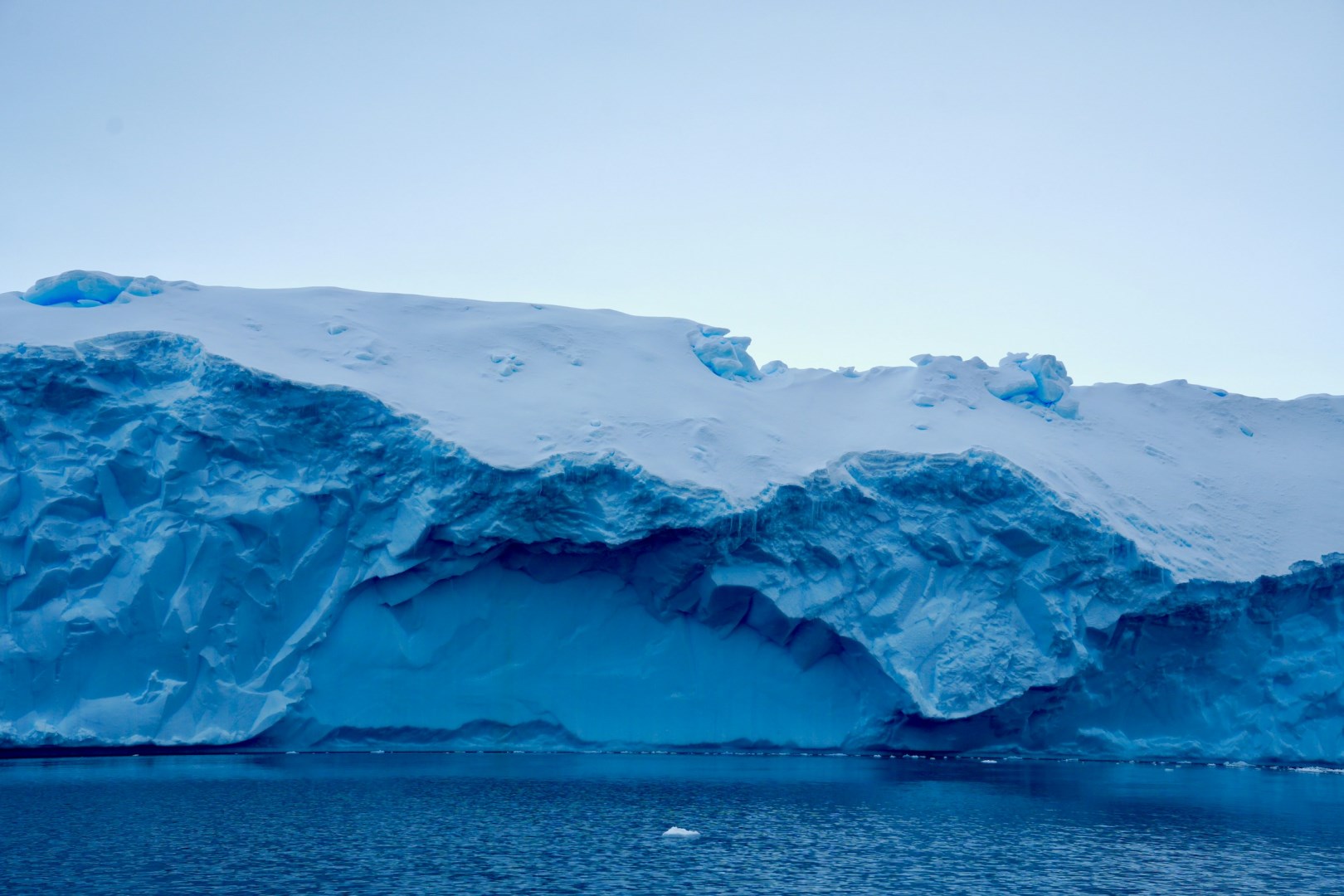
Neko Harbour is a small coastal landing site on the Antarctic Peninsula, set within Andvord Bay and framed by steep mountains and advancing glaciers. Its defining feature is the close relationship between land, sea ice, and moving glacier fronts. Visitors typically reach the shore by expedition boat, making a continental landing on a cobble beach before exploring the surrounding slopes under guidance. The harbor offers a direct view of Antarctica’s active glacial landscape, where conditions can
Cong
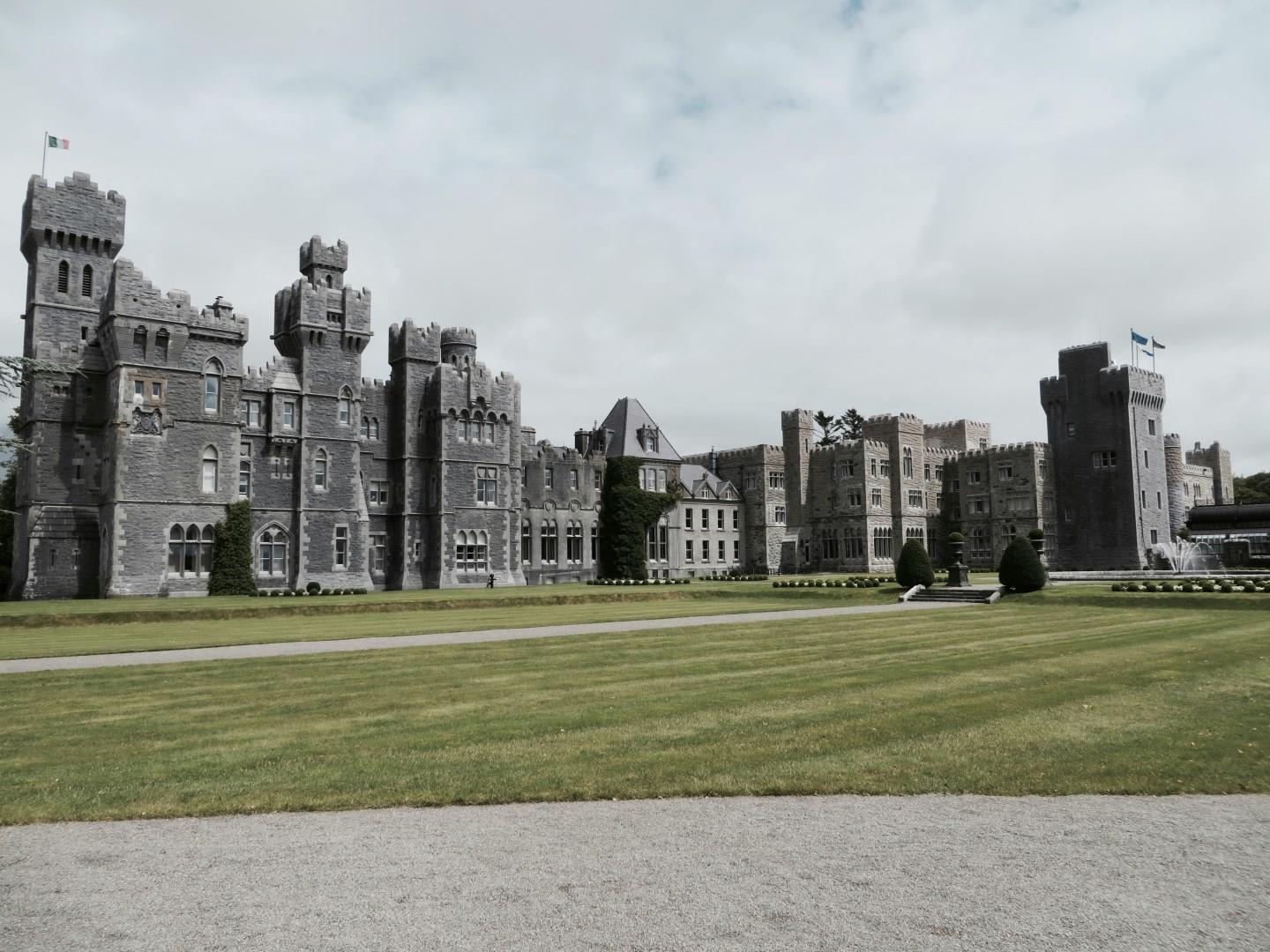
Cong is a small village in western Ireland, set where the River Cong flows between Lough Corrib and Lough Mask. Its history is closely tied to monastic settlement, most notably Cong Abbey, founded in the 12th century and later shaped by Norman influence.
Lafia
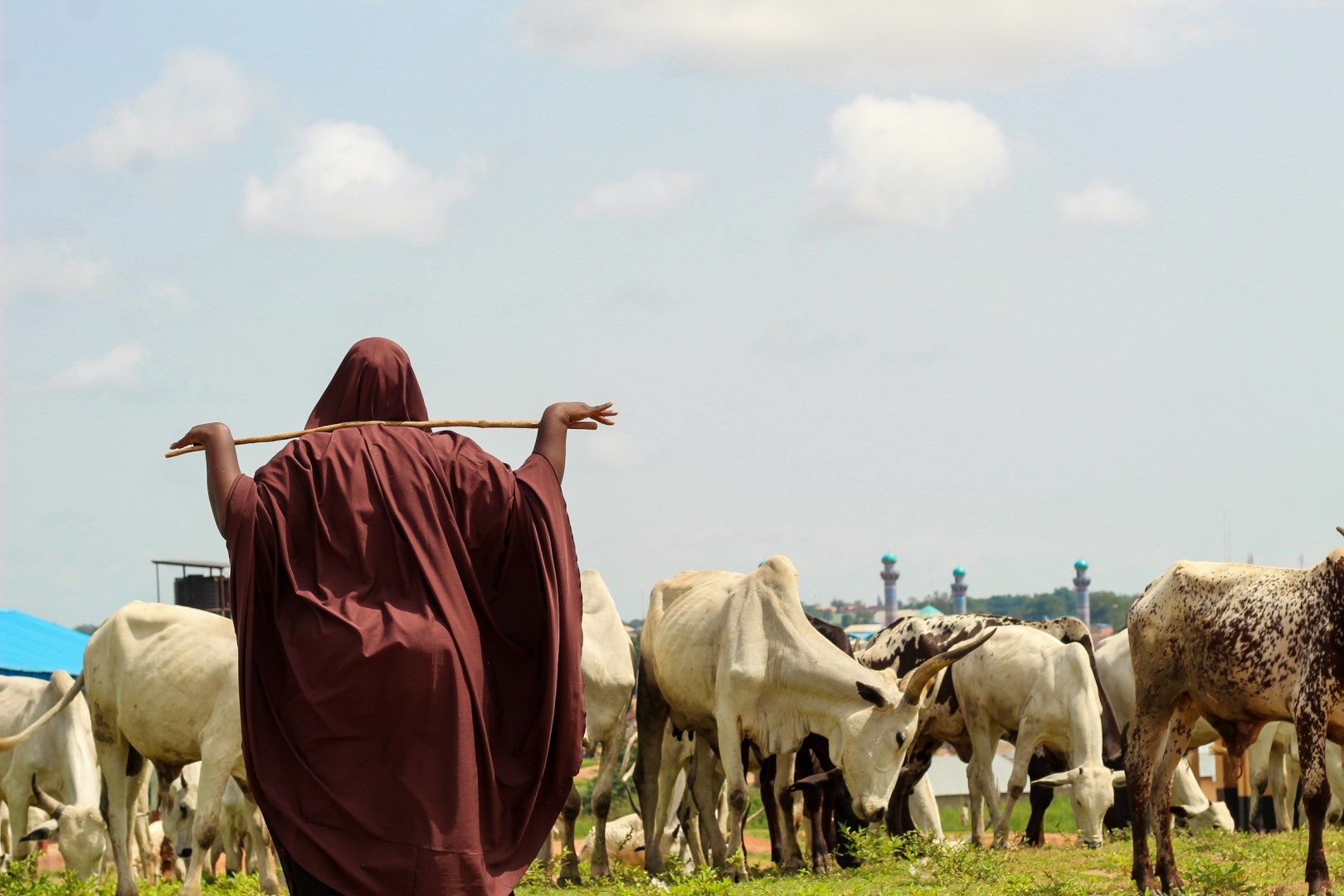
Lafia is the capital of Nasarawa State in north-central Nigeria, positioned within an agricultural region between the Benue River basin and the uplands farther north.
Bristol
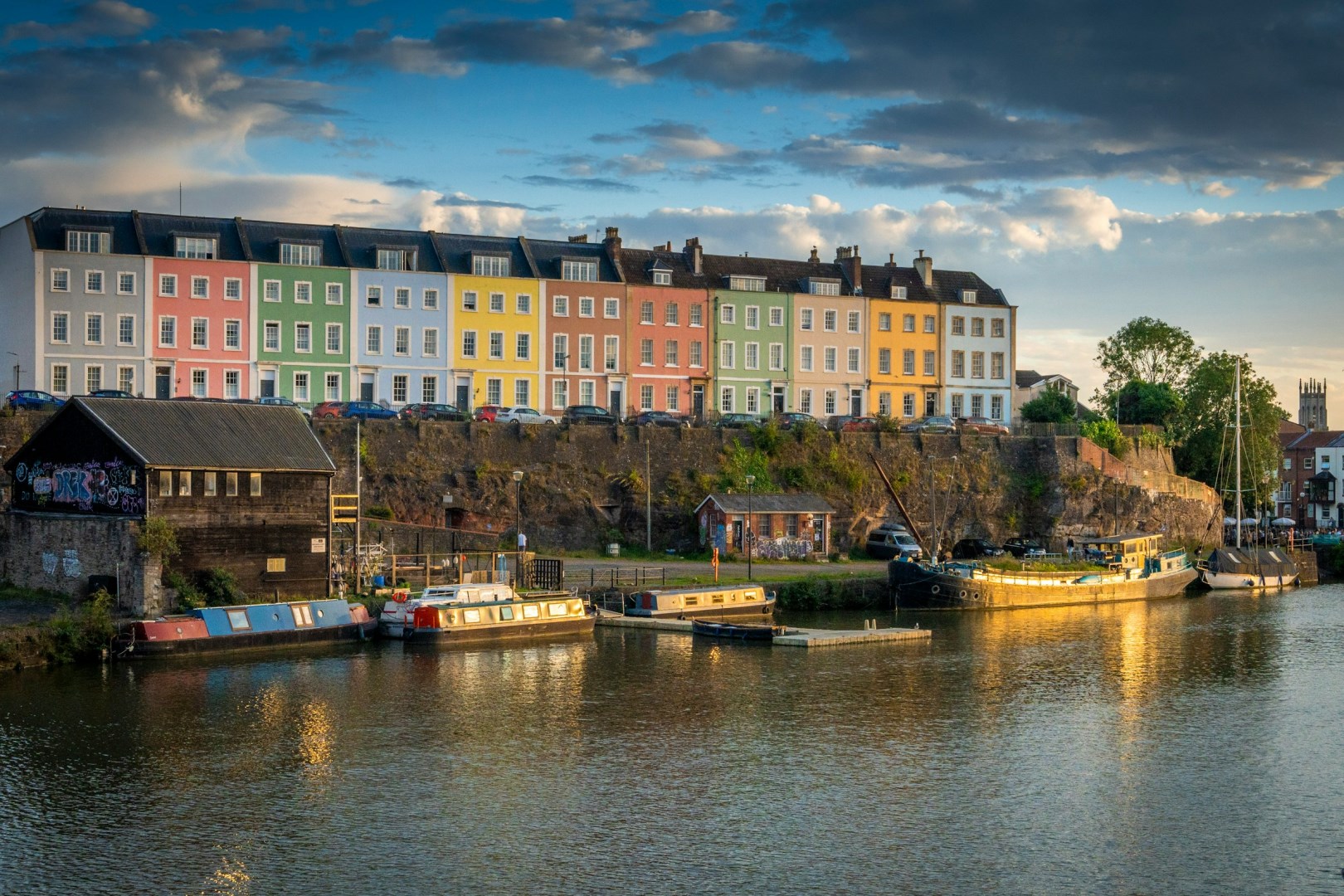
Bristol is a city in southwest England built around the River Avon, with a maritime history that has shaped its neighborhoods, architecture, and economy. The historic harbor occupies the center of the city, where former warehouses, quays, and docks have been adapted for museums, galleries, restaurants, and public spaces. Clifton Suspension Bridge spans the Avon Gorge and is one of Bristol’s most recognizable landmarks.
