
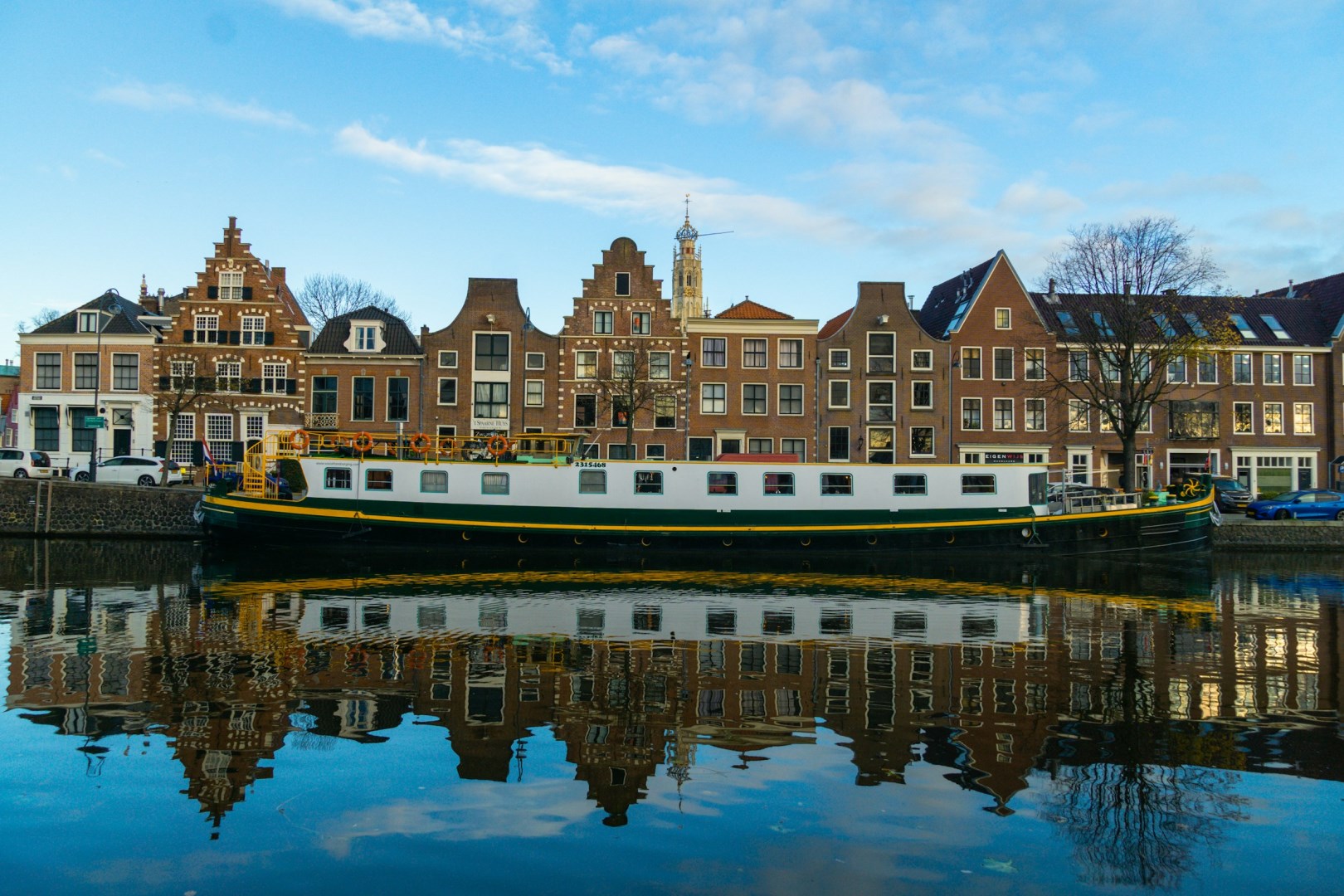
Haarlem
Haarlem is a historic city in the Dutch province of North Holland, located on the Spaarne River between Amsterdam and the North Sea coast. Its compact center contains canals, narrow streets, brick merchant houses, courtyards, and public squares, with the Grote Markt forming the traditional heart of the city. The Grote or St.-Bavokerk dominates the square with its tall tower and monumental organ.
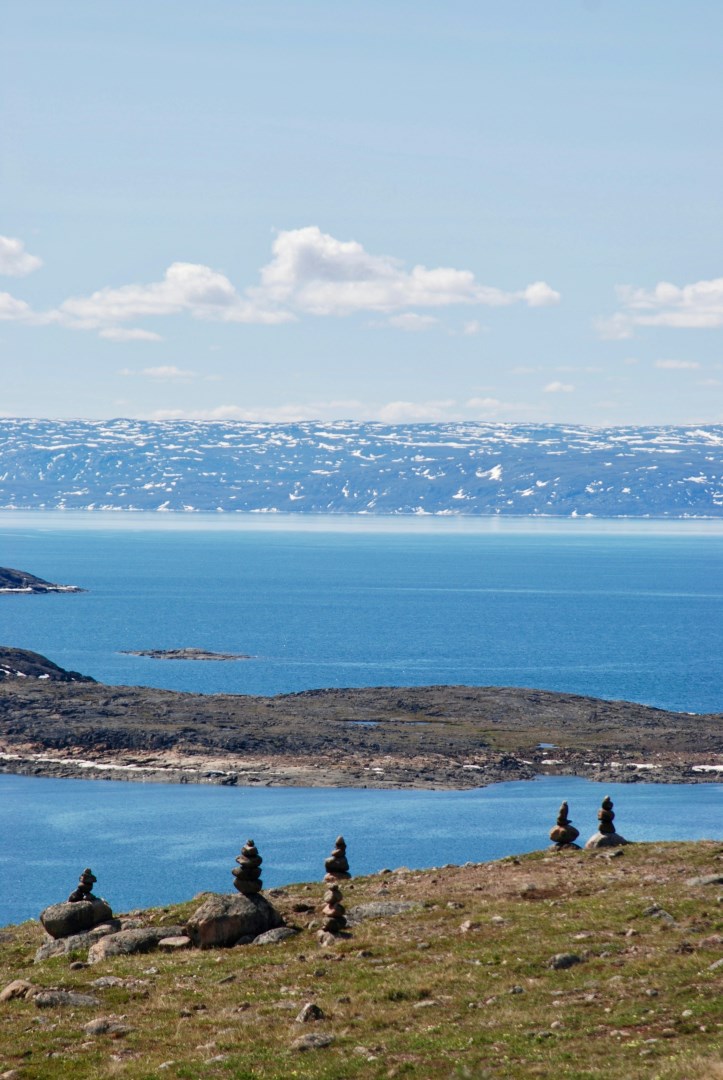
Iqaluit
Iqaluit is the capital of Nunavut and the largest community in the territory, located at the head of Frobisher Bay on southern Baffin Island. The city is surrounded by rocky hills, tundra, freshwater ponds, and broad coastal waters, with a landscape shaped by Arctic weather and seasonal sea ice. Iqaluit serves as Nunavut's administrative, transportation, educational, and commercial centre, while remaining closely connected to traditional Inuit activities.
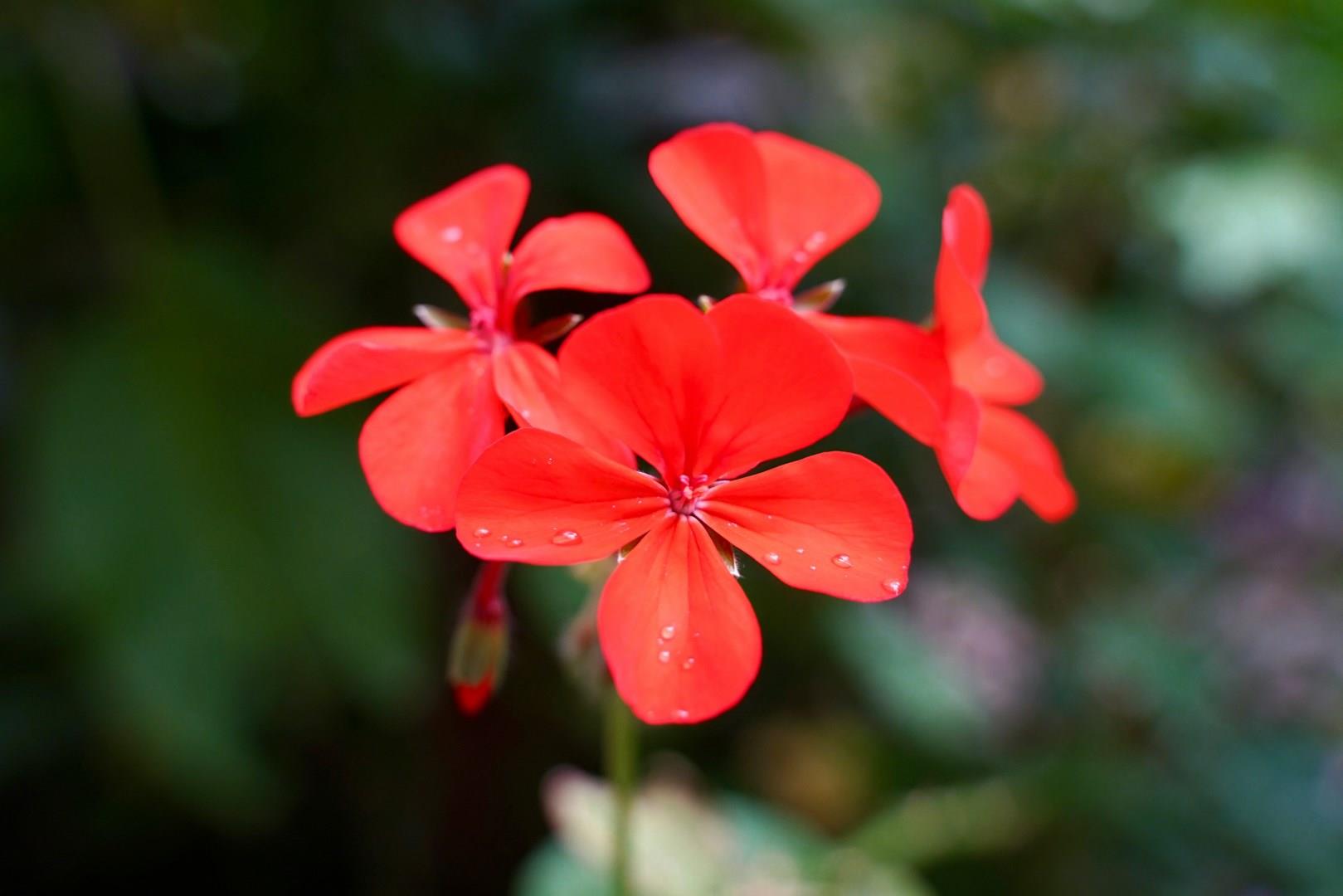
Aguas Calientes
Aguas Calientes, officially called Machupicchu Pueblo, sits in a narrow valley below the ruins of Machu Picchu, shaped almost entirely by geography and access. The town grew around the railway and hot springs that give it its name, becoming a necessary stopping point rather than a destination planned in advance. Its identity is closely tied to movement, with most people arriving on foot or by train and staying briefly before heading uphill.

Ulm
Ulm, Germany, a picturesque city on the banks of the Danube River, offers a rich tapestry of history and modern charm. Dominating its skyline is the Ulm Minster, home to the tallest church steeple in the world at 161.5 meters (530 feet). This Gothic masterpiece invites visitors to climb its 768 steps for a breathtaking panoramic view of the city and the surrounding countryside.
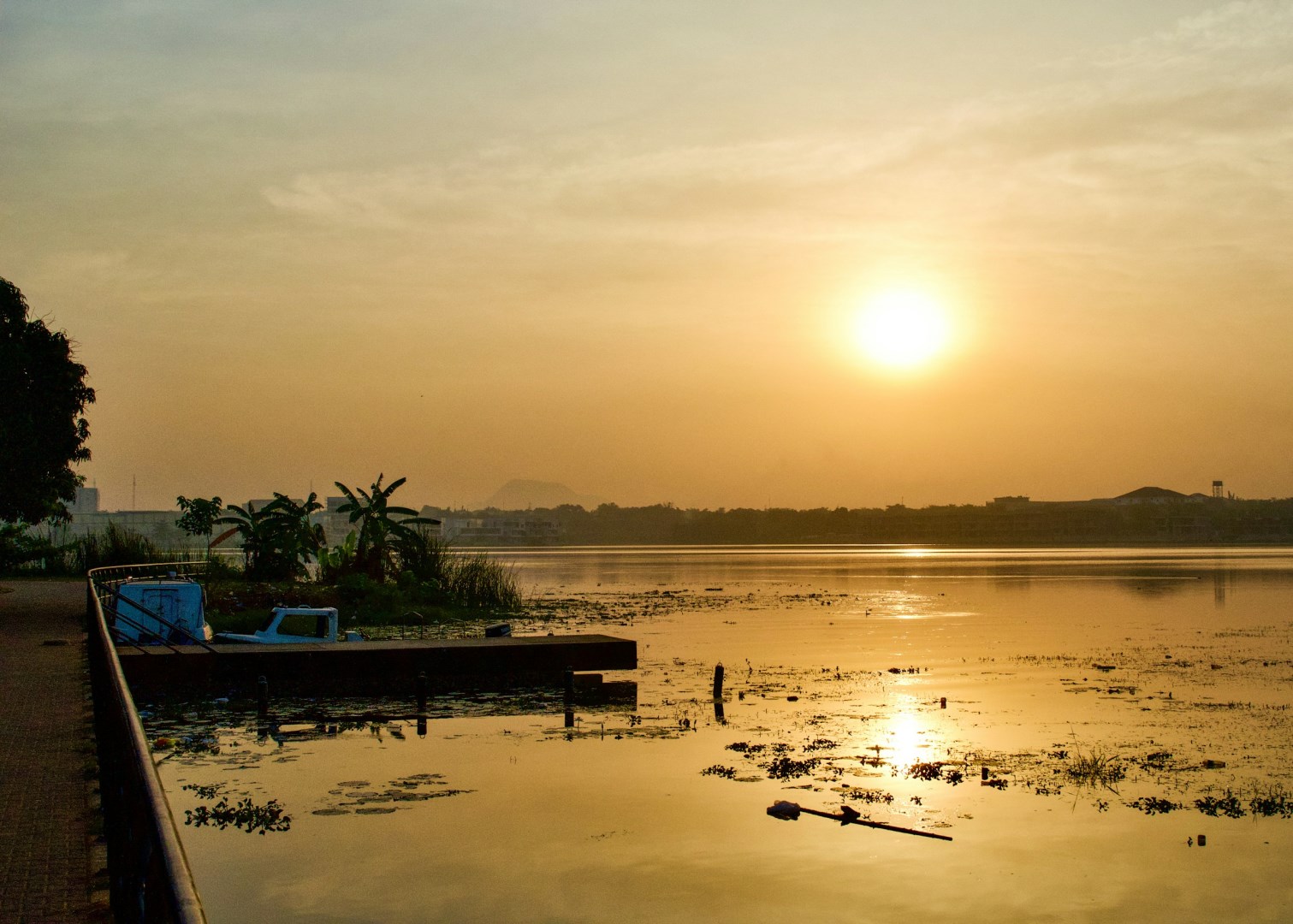
Abuja
Abuja is a planned, modern city and the proposed new federal capital of Nigeria. The site was chosen to replace the capital Lagos because of the central location, easy accessibility, good climate and land for further expansion.
