
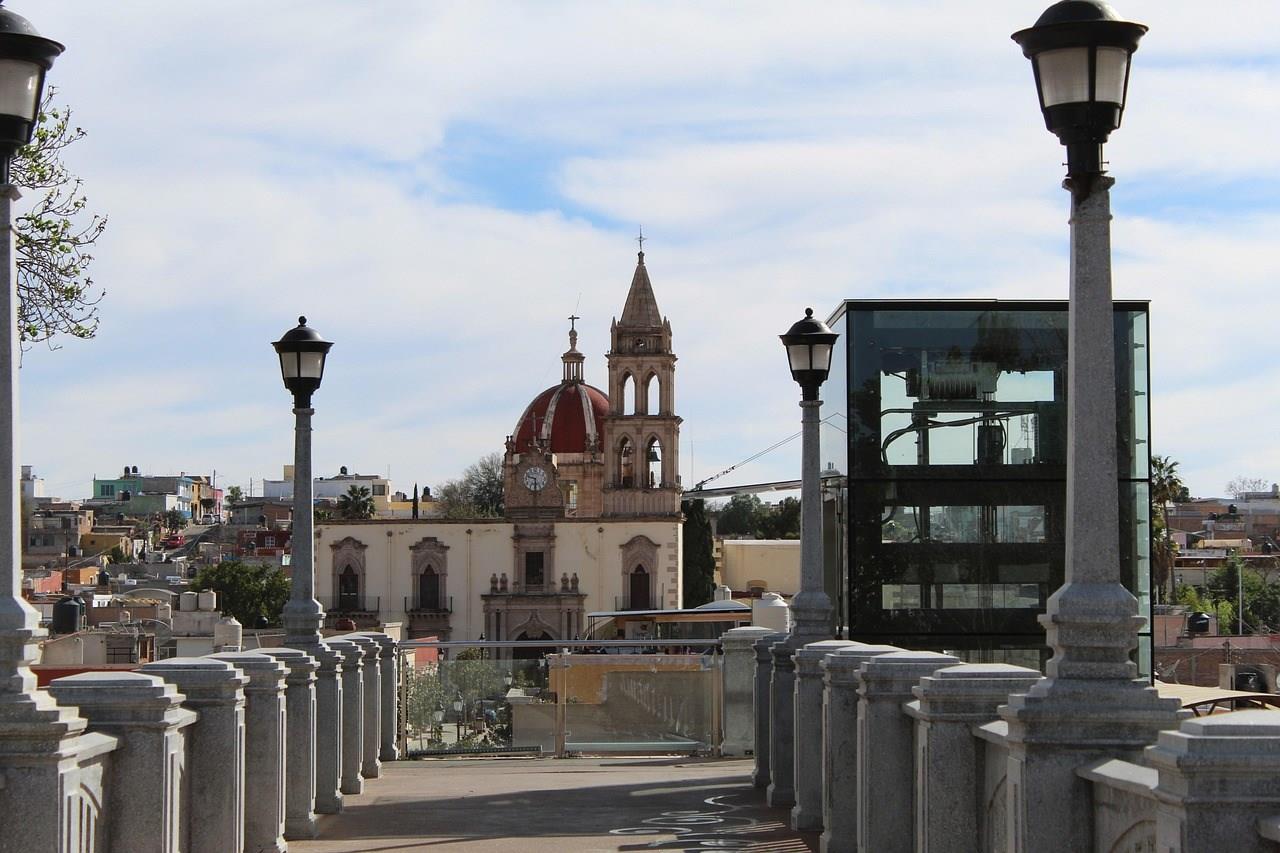
Durango
Victoria de Durango rises on a high plateau Mexico’s Sierra Madre Occidental, founded in 1563 by Francisco de Ibarra. Its streets trace layers of history: the historic center holds the most listed buildings in northern Mexico and remains a notable stop on the Camino Real de Tierra Adentro, now a UNESCO World Heritage route.

Czech Republic
The Czech Republic is a country where centuries-old castles, storybook towns, and deeply rooted traditions coexist with vibrant art scenes and local beer halls. Prague draws the most attention, with its Gothic towers, Baroque churches, and the world’s oldest working astronomical clock, still ticking in the Old Town Square.
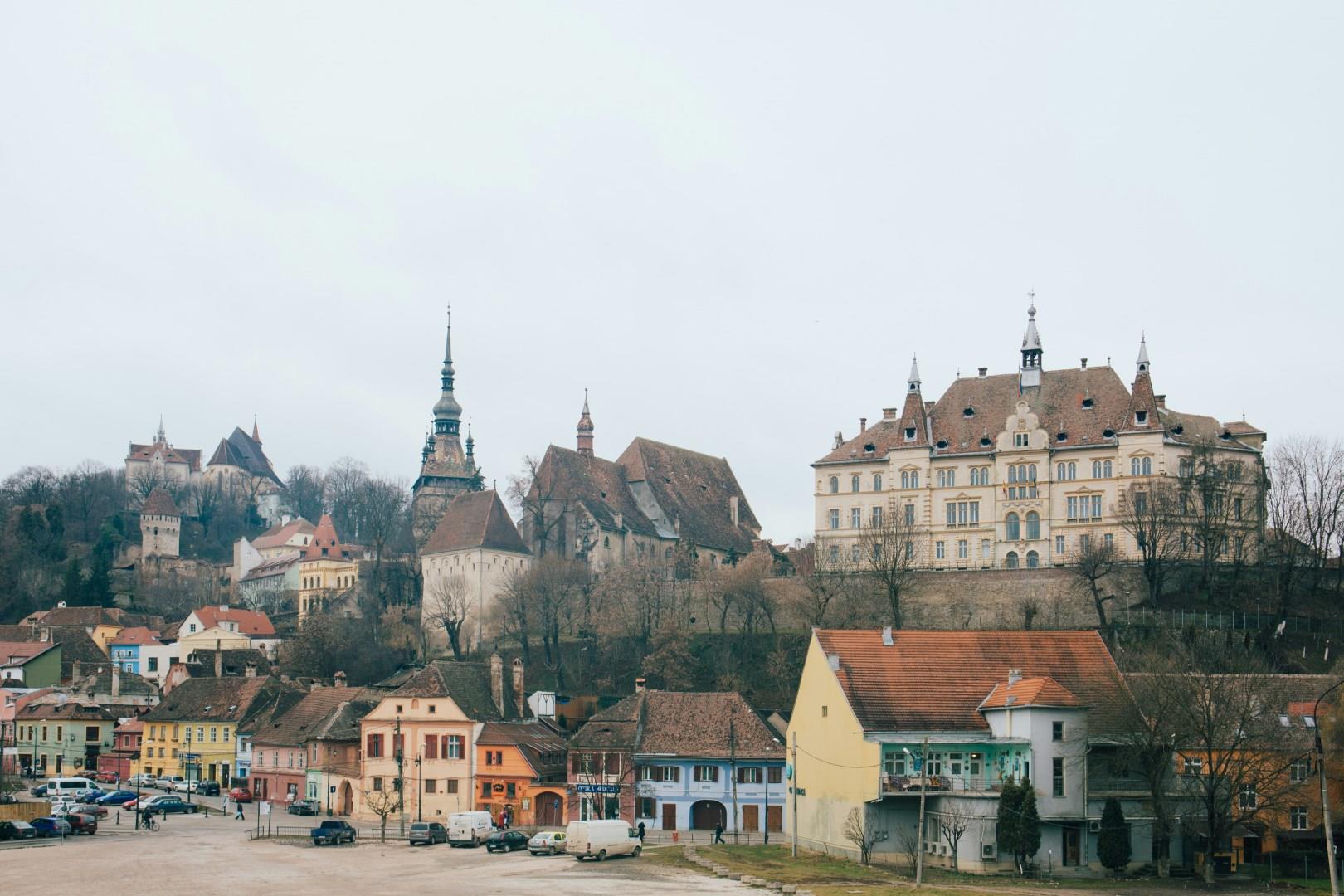
Sighisoara
Sighisoara rises above the Târnava Mare River as one of the few medieval citadels in Europe that is still lived in and admired today. Its historic center has been on the UNESCO World Heritage List since 1999, recognized for its long history as a fortified Saxon settlement and its role in trade and defense on the edges of central Europe. Wander through cobbled alleys framed by pastel-colored houses, and the layers of time feel close at hand, from the city walls and guild towers to busy cafés.
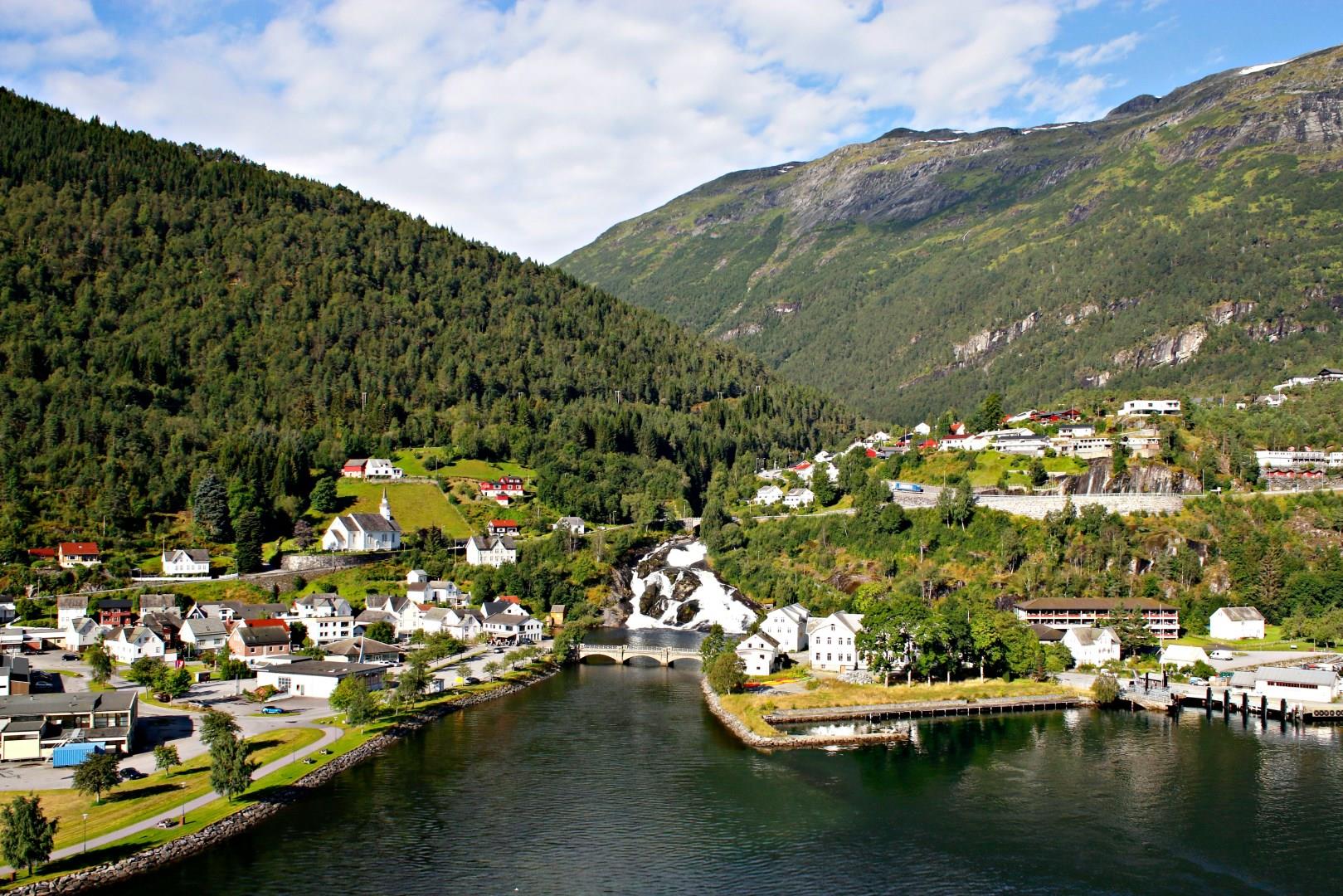
Hellsylt
Hellesylt, a small village on Norway’s western coast, sits at the entrance to the famous Geirangerfjord and offers scenery that feels almost otherworldly. Steep mountains rise sharply on all sides, their slopes cut by ribbons of waterfalls that plunge into deep blue water. One of the most striking sights is the Hellesylt Waterfall, which thunders past the heart of the village and can be admired from several pedestrian bridges.
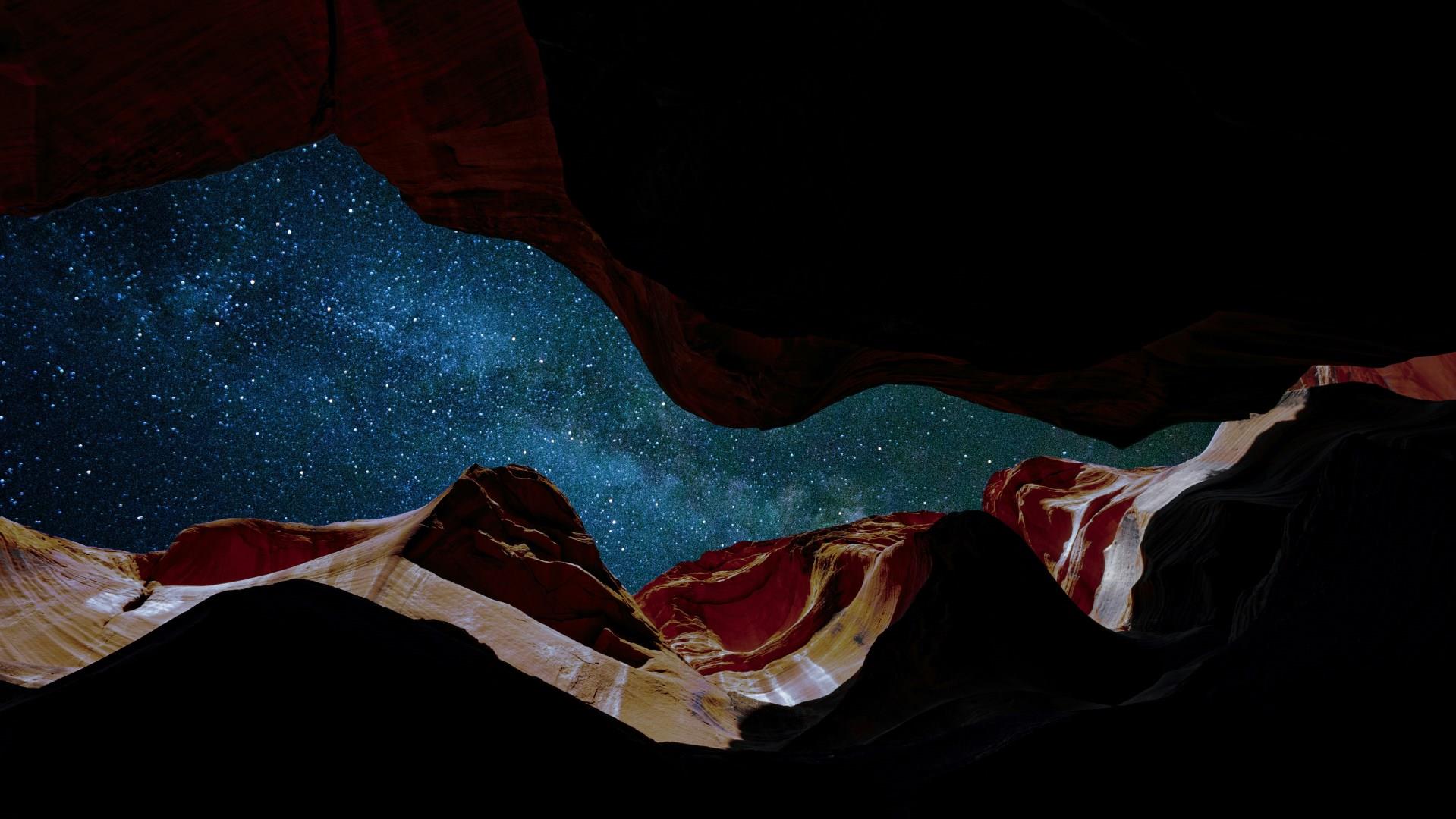
Page
Page, Arizona, offers a gateway to some of the most breathtaking landscapes in the American Southwest. Nestled near the northern border of Arizona, this city is a perfect base for exploring natural wonders such as Antelope Canyon, a slot canyon renowned for its stunning light beams and swirling sandstone formations. Visitors can take guided tours to witness the canyon’s otherworldly beauty, which has been shaped by centuries of erosion and natural forces.
