
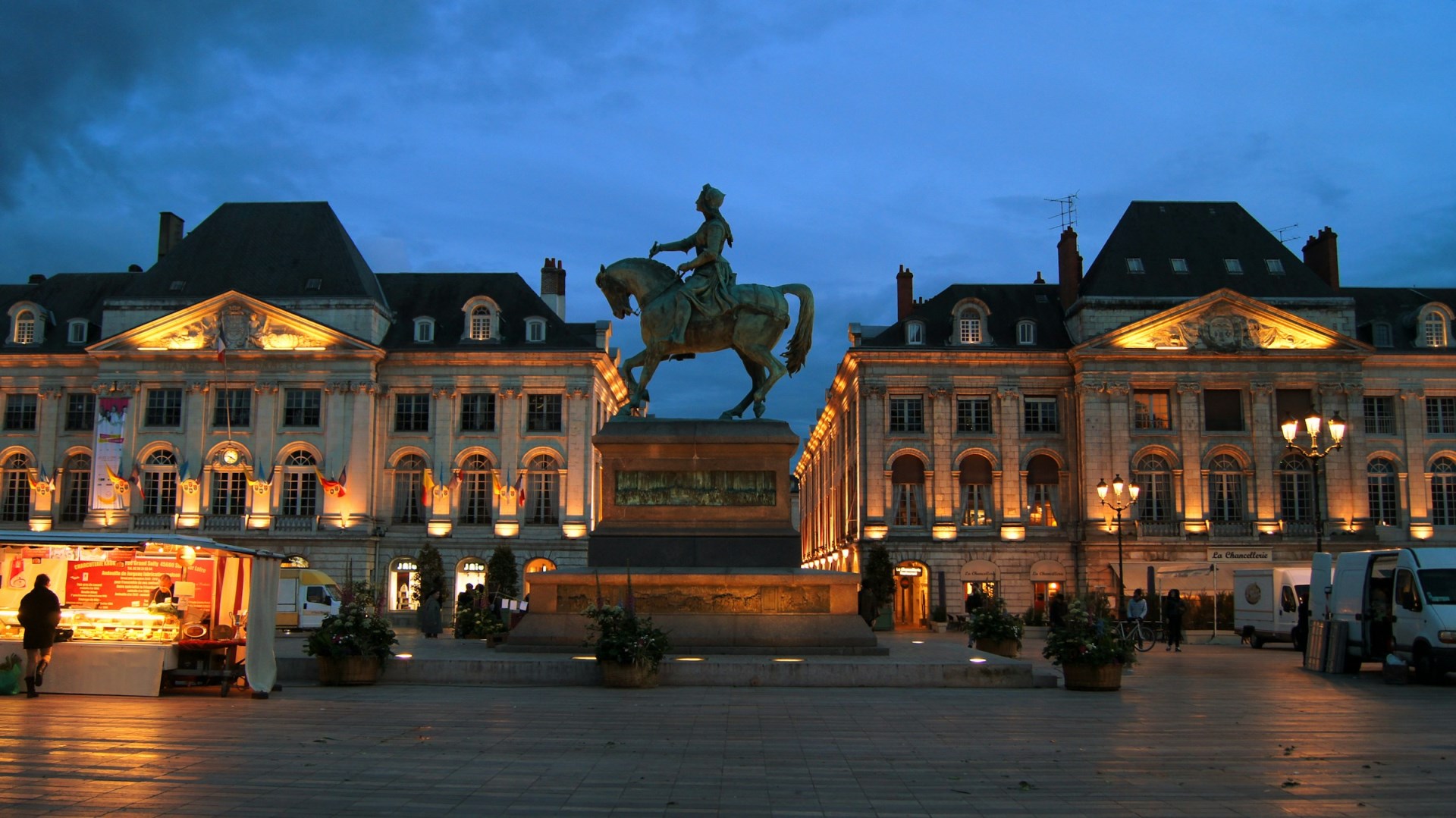
Orléans
Orléans is a city on the Loire River in central France, where a historic urban center meets broad riverbanks and the landscapes of the Loire Valley. Its position on the river helped make it an important center for trade and transport, while today the quays provide space for walking and cycling. The old center contains a mixture of medieval streets, Renaissance buildings, and later architecture, with the Sainte-Croix Cathedral forming a prominent landmark.
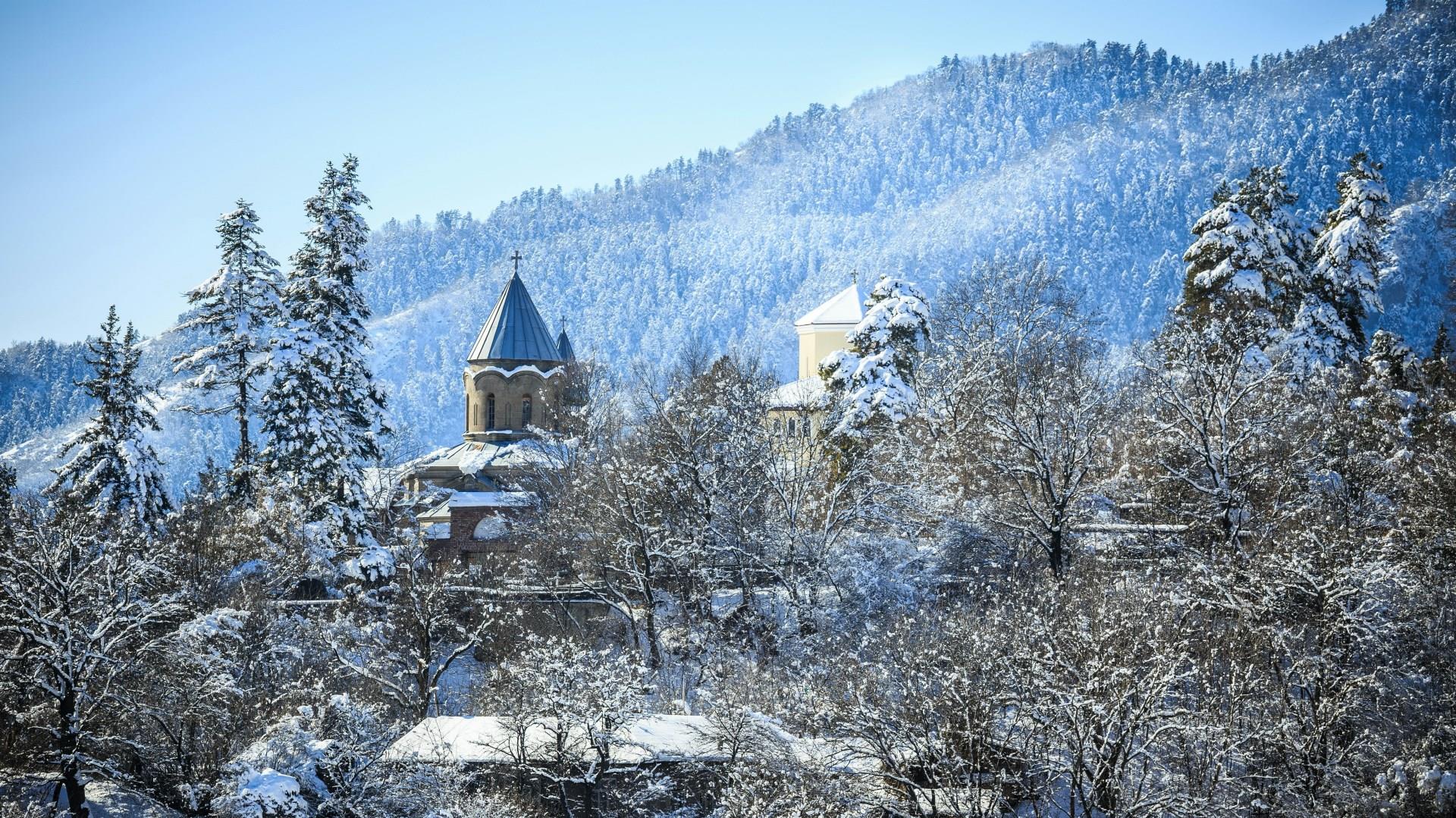
Borjomi
Borjomi sits high in the center of Georgia, in a long valley along the Borjomula River surrounded by forested mountains. For centuries its mineral springs have drawn people to the region, but it wasn’t until the 1800s that the water became known to the wider world when Russian officers stationed here shared its crisp, naturally fizzy taste and believed health-boosting properties with visitors.
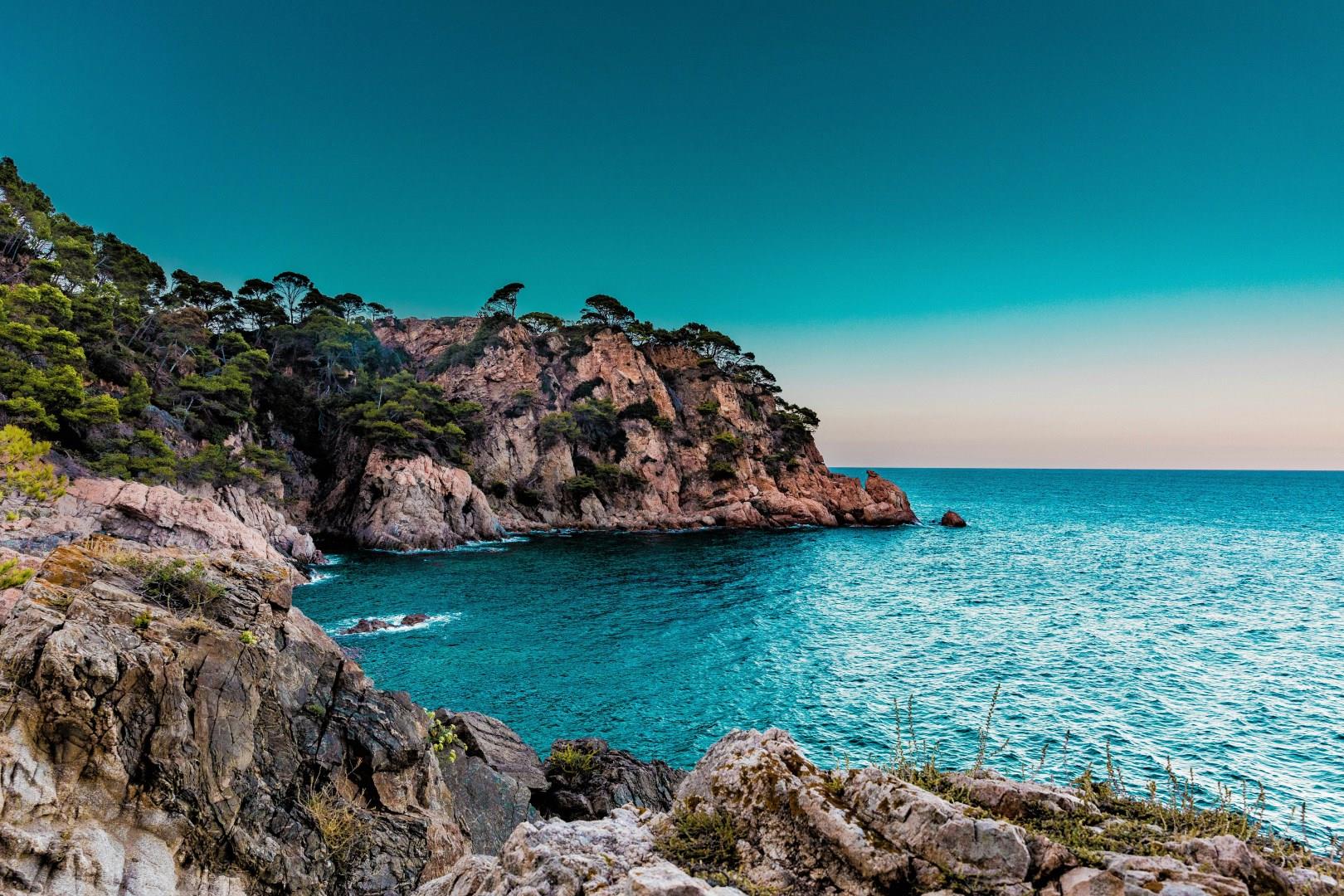
Marbella
Marbella, located between the Mediterranean Sea and the Sierra Blanca mountains, is often associated with its luxury resorts and famous marina, Puerto Banús. But beyond the polished storefronts and designer yachts, the city has a layered past. Its old town, known as Casco Antiguo, is a well-preserved network of narrow streets built during Moorish rule, with whitewashed buildings, flower-filled balconies, and hidden plazas like Plaza de los Naranjos, which dates back to the 15th century.
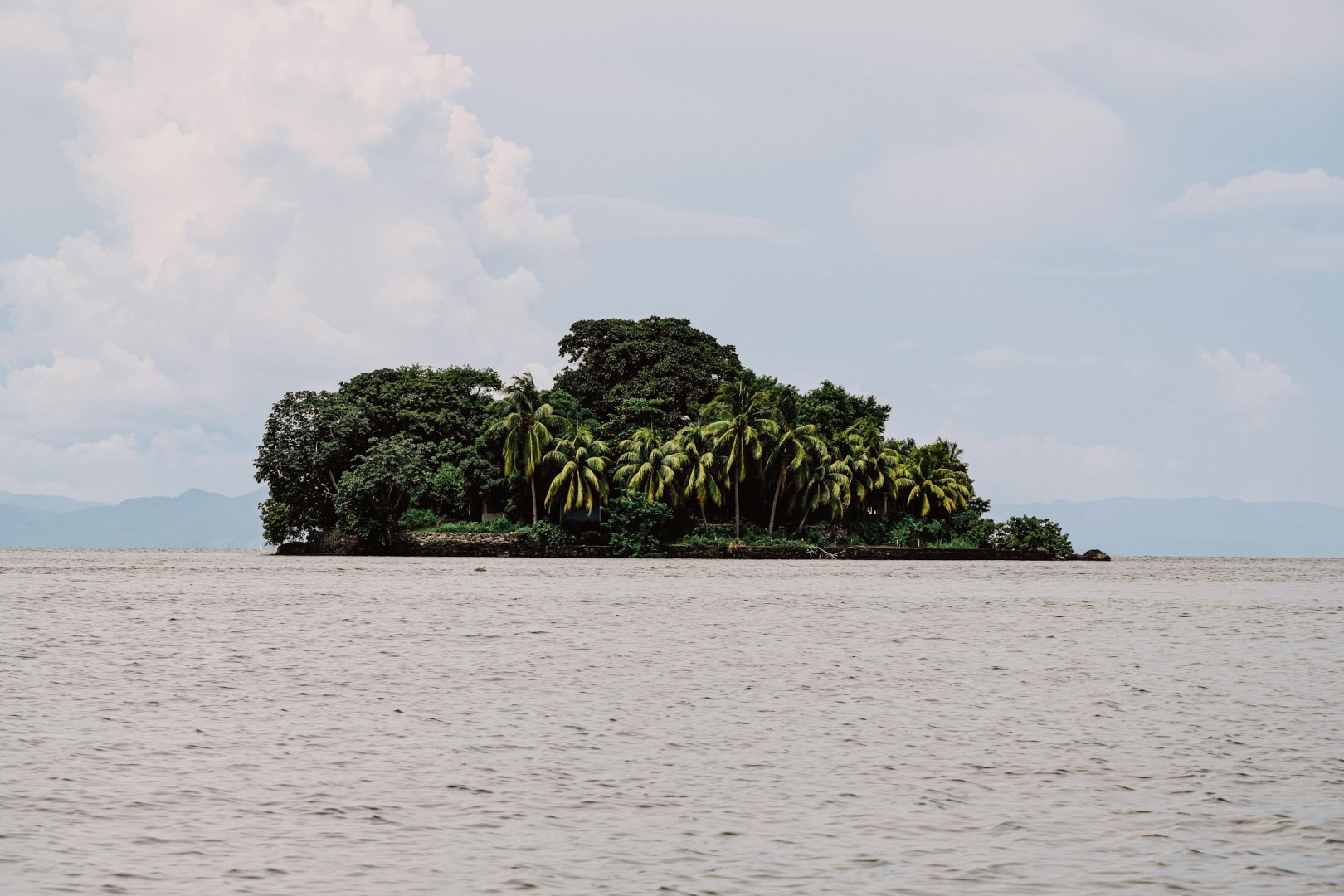
Corn Islands
Corn Islands are a small Caribbean archipelago off Nicaragua's southeastern coast, made up of Great Corn Island and Little Corn Island. The islands are surrounded by clear Caribbean waters, coral reefs, sandy beaches, and tropical vegetation.
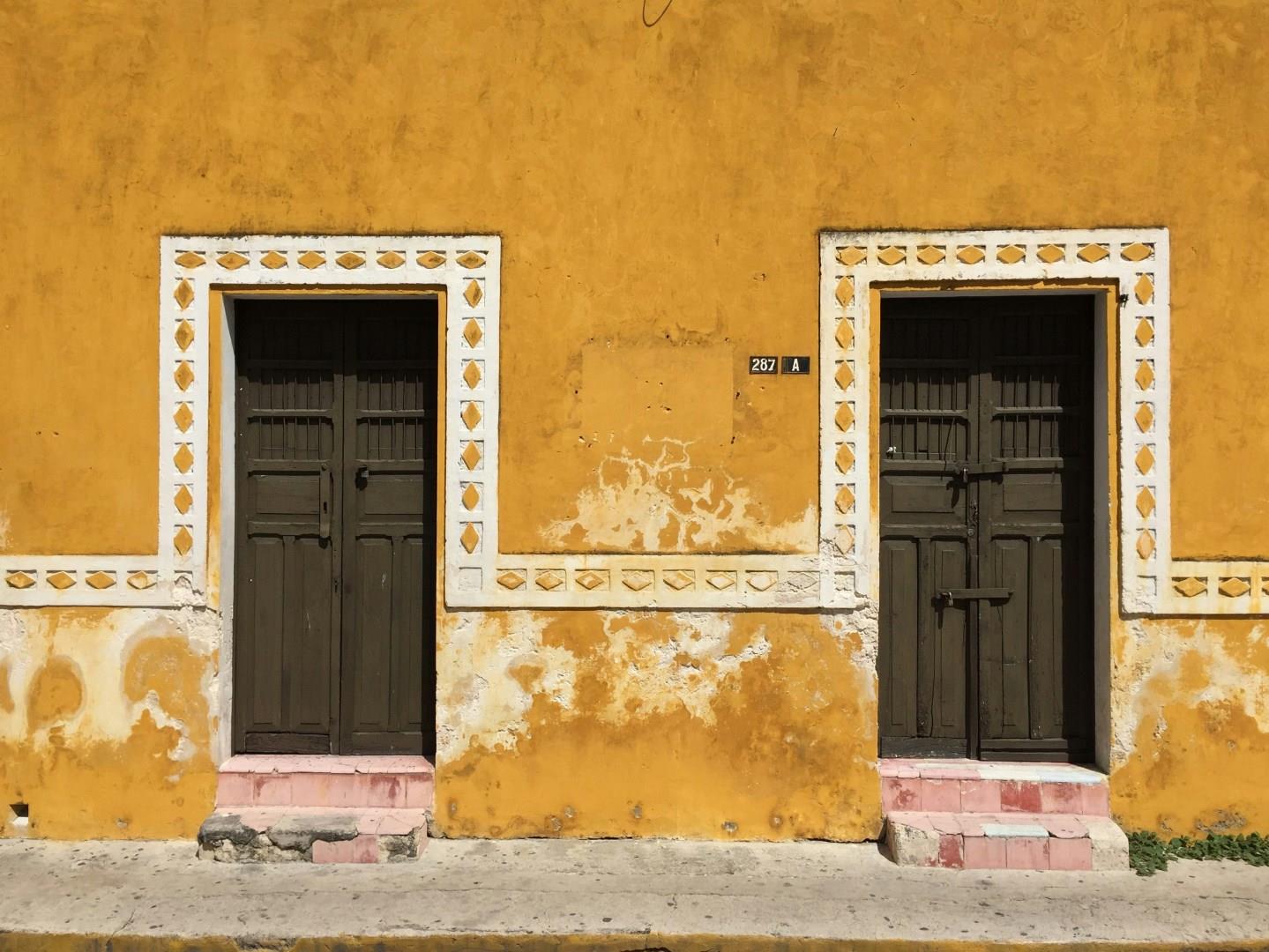
Izamal
Izamal, located in the heart of Yucatán, stands out as a city where centuries of history are layered in plain sight. Known as the “City of Three Cultures,” it combines ancient Maya ruins, Spanish colonial architecture, and modern-day Yucatecan life. One of the most striking features of Izamal is its golden-yellow buildings, painted this distinctive color in honor of Pope John Paul II’s visit in 1993.
