
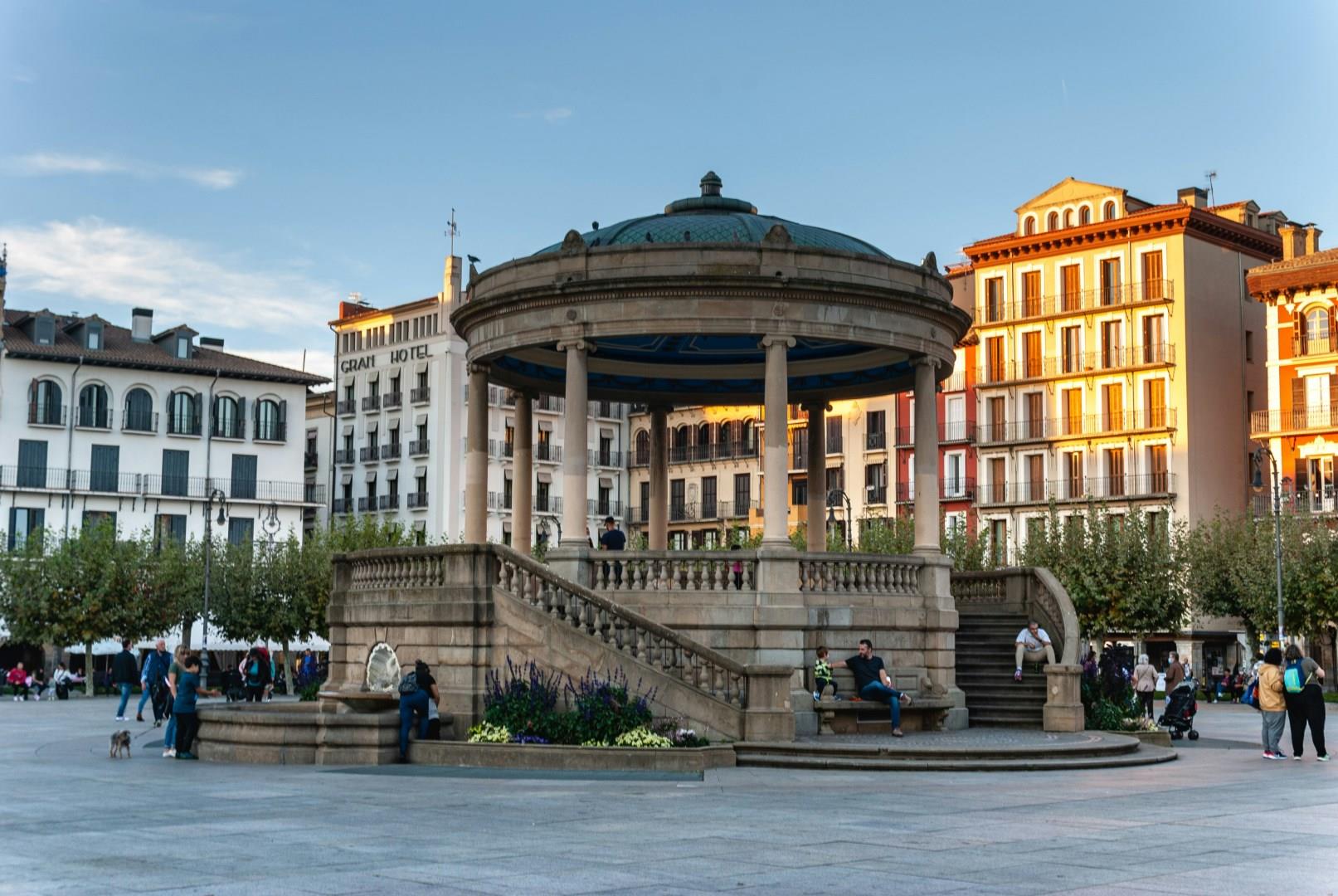
Pamplona
Pamplona, the capital of Spain’s Navarre region, is best known worldwide for the Running of the Bulls during the San Fermín festival each July. But beyond the brief rush of that event lies a city steeped in medieval history, Basque influence, and a slower pace that surprises many visitors. One of the most significant aspects of Pamplona is its place on the Camino de Santiago, the ancient pilgrimage route to Santiago de Compostela.
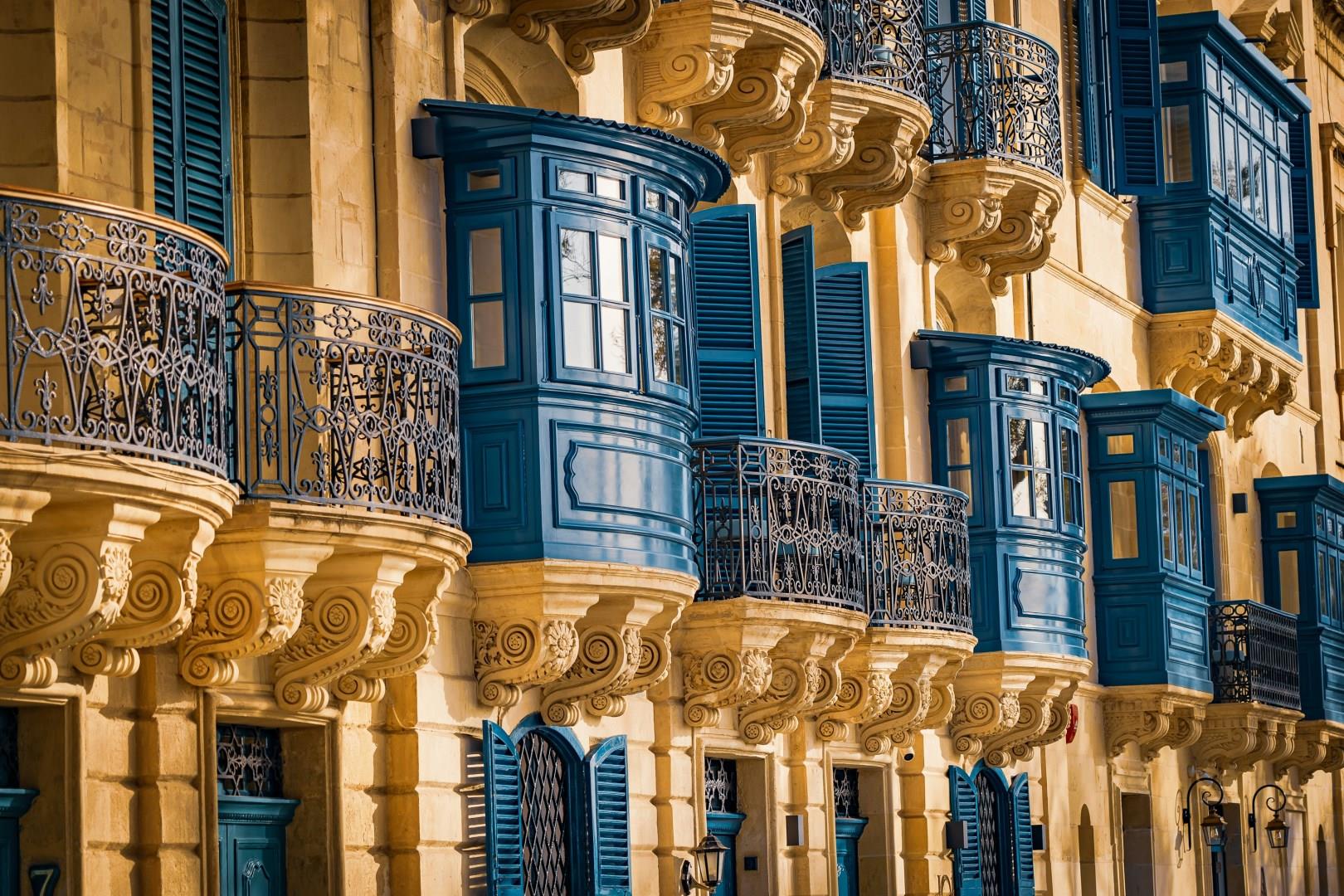
Valleta
Malta’s ornate and vibrant capital, Valletta, dazzles travelers with its abundance of historical landmarks and striking architecture. This island jewel off the coast of Italy remains a popular destination for Mediterranean cruises. From central St. George’s Square, to sixteenth-century Casa Rocca Piccola, to the Siege Bell War Memorial, Valletta has no shortage of monuments detailing the city’s long history.
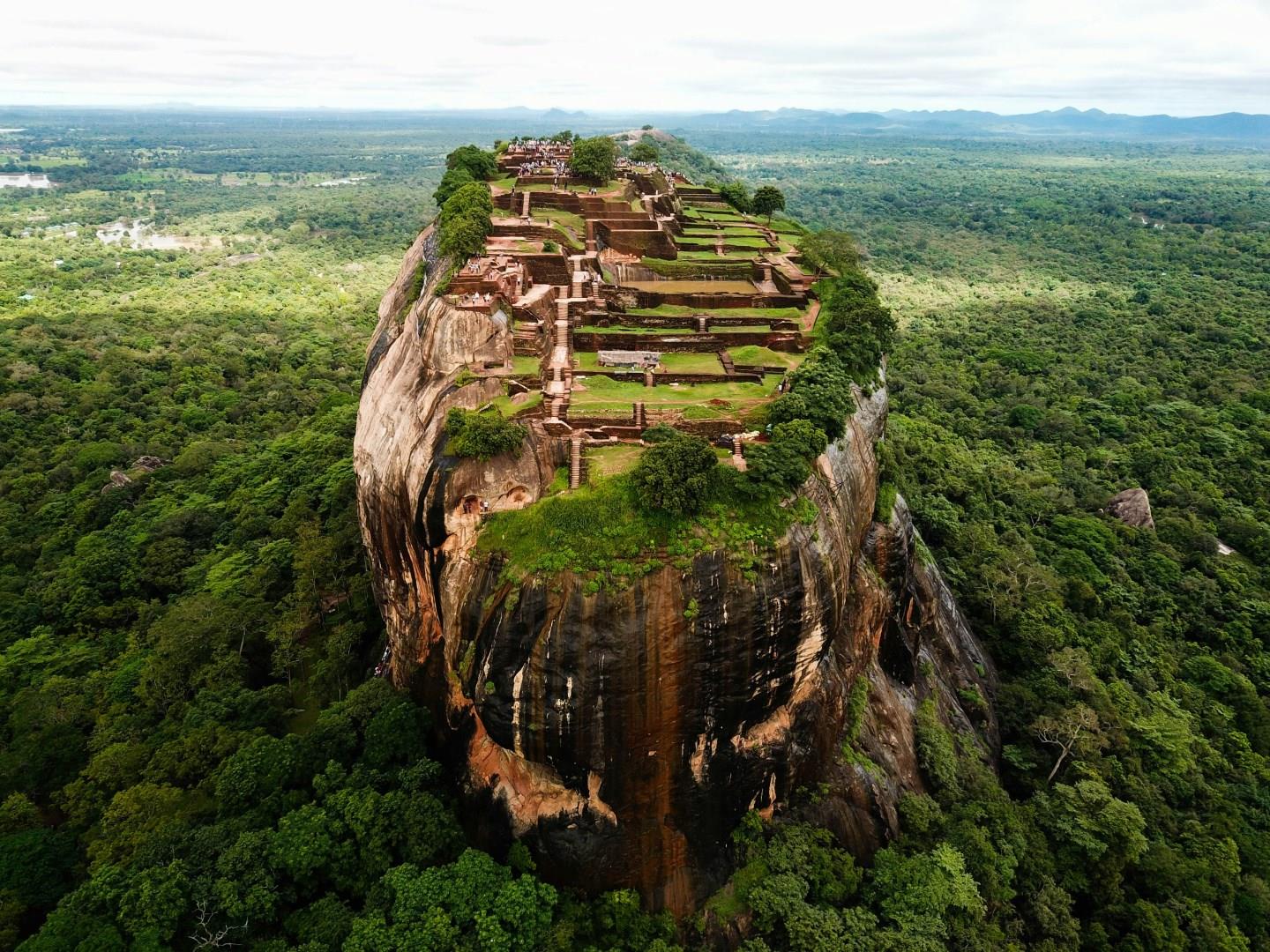
Sigiriya
Sigiriya, in central Sri Lanka, is an ancient rock fortress and one of the country’s most iconic archaeological sites. Rising nearly 200 meters from the surrounding plains, the massive granite column is crowned by the ruins of a royal palace built in the 5th century CE by King Kasyapa.

Mikumi National Park
Mikumi National Park, located in Tanzania's southern highlands, offers a pristine and relatively undiscovered safari experience. Spanning over 3,230 square kilometers, Mikumi is part of the larger Selous Ecosystem, providing a diverse range of habitats from open grasslands to dense miombo woodlands. This park is an excellent choice for those seeking a more tranquil alternative to the more frequented Serengeti and Ngorongoro Crater.

Galveston
Galveston, Texas, a charming island city along the Gulf Coast, is a delightful blend of history, culture, and seaside leisure. Known for its Victorian architecture and sun-soaked beaches, Galveston offers a rich array of experiences for visitors. The Historic Strand District, with its 19th-century buildings housing shops, galleries, and restaurants, takes visitors back in time to an era of bustling port trade and grand social affairs.
