

Ghent
If it wasn't for Paris, Ghent would be medieval Europe's largest city. Steeped in history both rebellious and industrious, it sits at the junction of the Leie and Scheldt rivers and was once the site of armed battles by its townsfolk, who raged against heavy taxes and restricted civil liberties.

Dominica
Dominica, known as the “Nature Island of the Caribbean,” is a haven for eco-tourists and adventure seekers. Nestled between the French islands of Guadeloupe and Martinique, this lush island boasts a remarkable landscape of volcanic mountains, dense rainforests, and stunning waterfalls. Dominica’s most iconic natural wonder is the Boiling Lake, the second-largest hot spring in the world.

Zululand
Zululand, located in South Africa's KwaZulu-Natal province, is a region steeped in history and natural beauty. Known as the heartland of the Zulu nation, Zululand offers visitors a chance to explore the rich cultural heritage of the Zulu people.
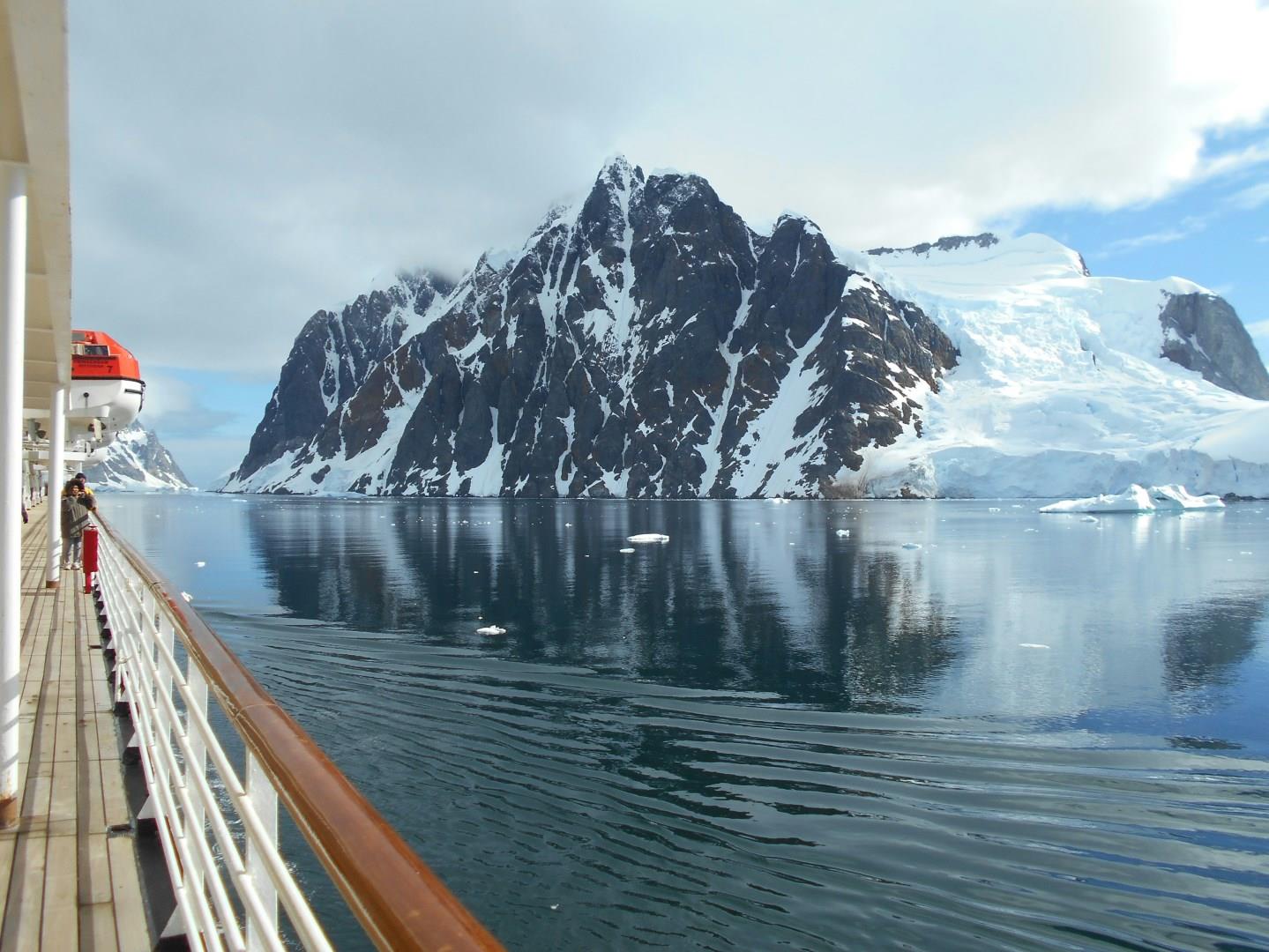
Lemaire Channel
The Lemaire Channel is a spectacular sight with enormous sheer cliffs falling straight into the sea. It's a narrow channel flanked by the Antarctic Peninsula on one side and Booth Island on the other. So photogenic is the channel that it's nicknamed 'Kodak Gap', and it's only once you're well within it that a way through is visible.
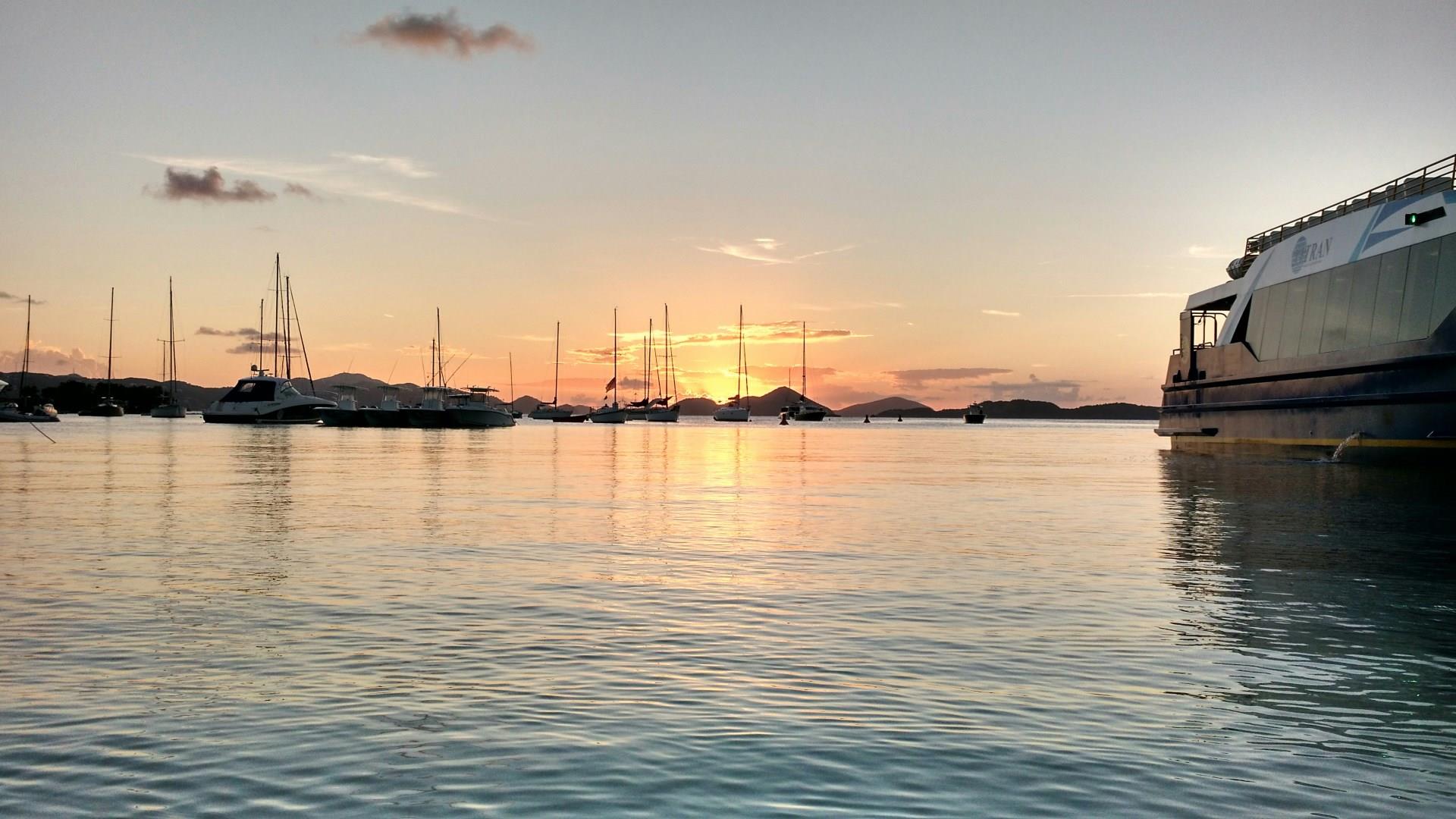
Cruz Bay
Cruz Bay is the welcoming gateway to St. John in the U.S. Virgin Islands, where vibrant Caribbean life meets rich island history. Stepping off the ferry from nearby St. Thomas, visitors find themselves in a lively waterfront town filled with cafés, bars and boutiques that lead toward sandy streets and shimmering views of the bay. This small town is also home to the Cruz Bay Visitor Center, a helpful place to start planning outings into Virgin Islands National Park and to learn about the island.
