

Bamberg
Bamberg, located in northern Bavaria, stands out for its remarkably preserved medieval layout, which earned it a spot on the UNESCO World Heritage list. Built on seven hills and often compared to Rome for that reason, the city’s architecture reflects over a thousand years of uninterrupted development. Bamberg is well known for its beer, and not just in the usual Bavarian sense. The city has more breweries per capita than any other town in Germany, and it’s the birthplace of rauchbier.
Denpasar Bali
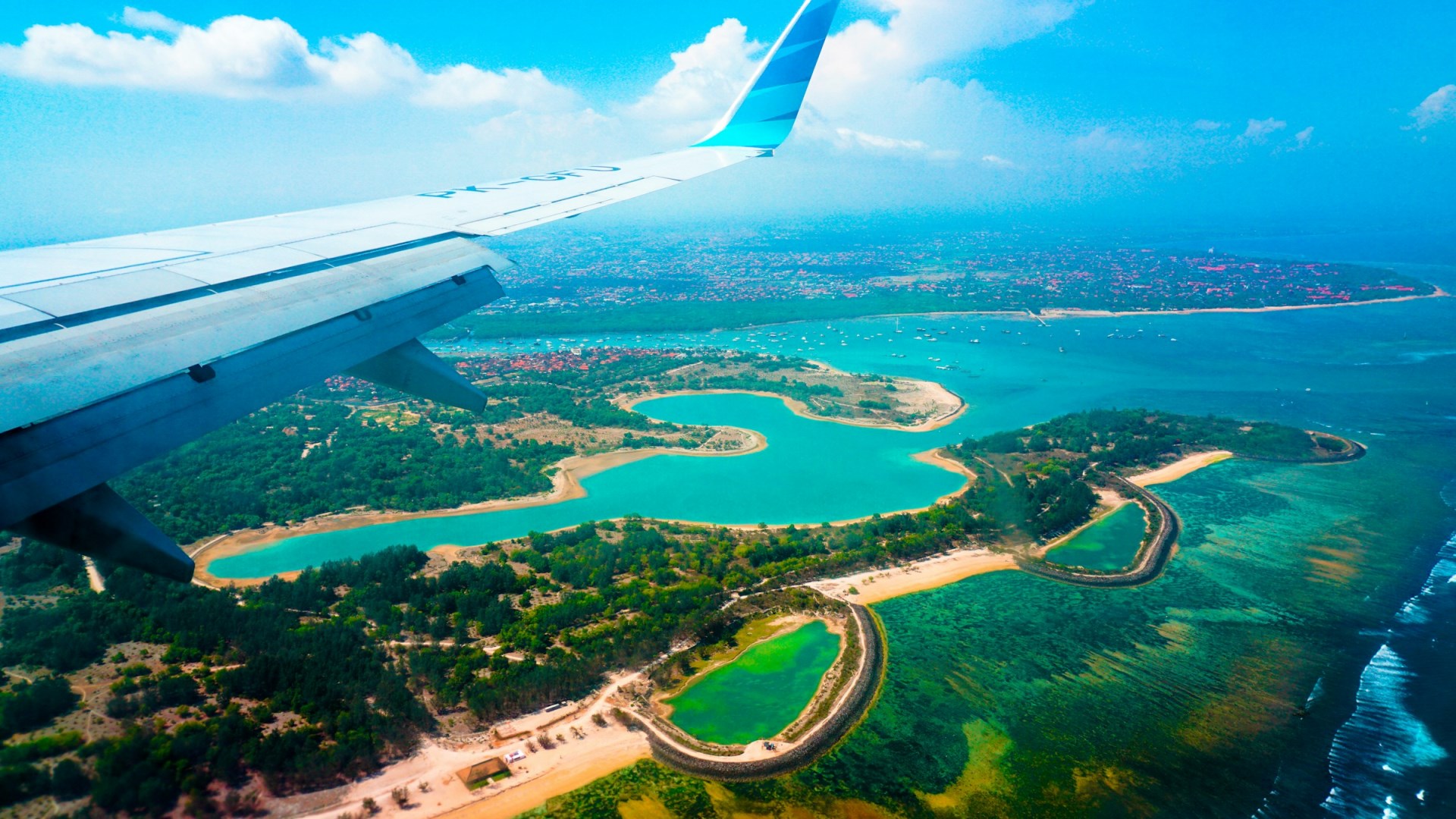
Denpasar is the capital of Bali and the island's largest urban community, often lending a drab, overcast ambiance to an otherwise delightful and interesting trip. Tour the Kumbasari Market for exotic Asian fruits while transvestites dance for handouts from local merchants. Visit the temples of Pura Jagatnata and the Museum Bali, for a taste of Balinese art from prehistoric to modern times. Check with the tourist center for a list of upcoming festivals on the island. And don't forget the Denpasar
Mysore
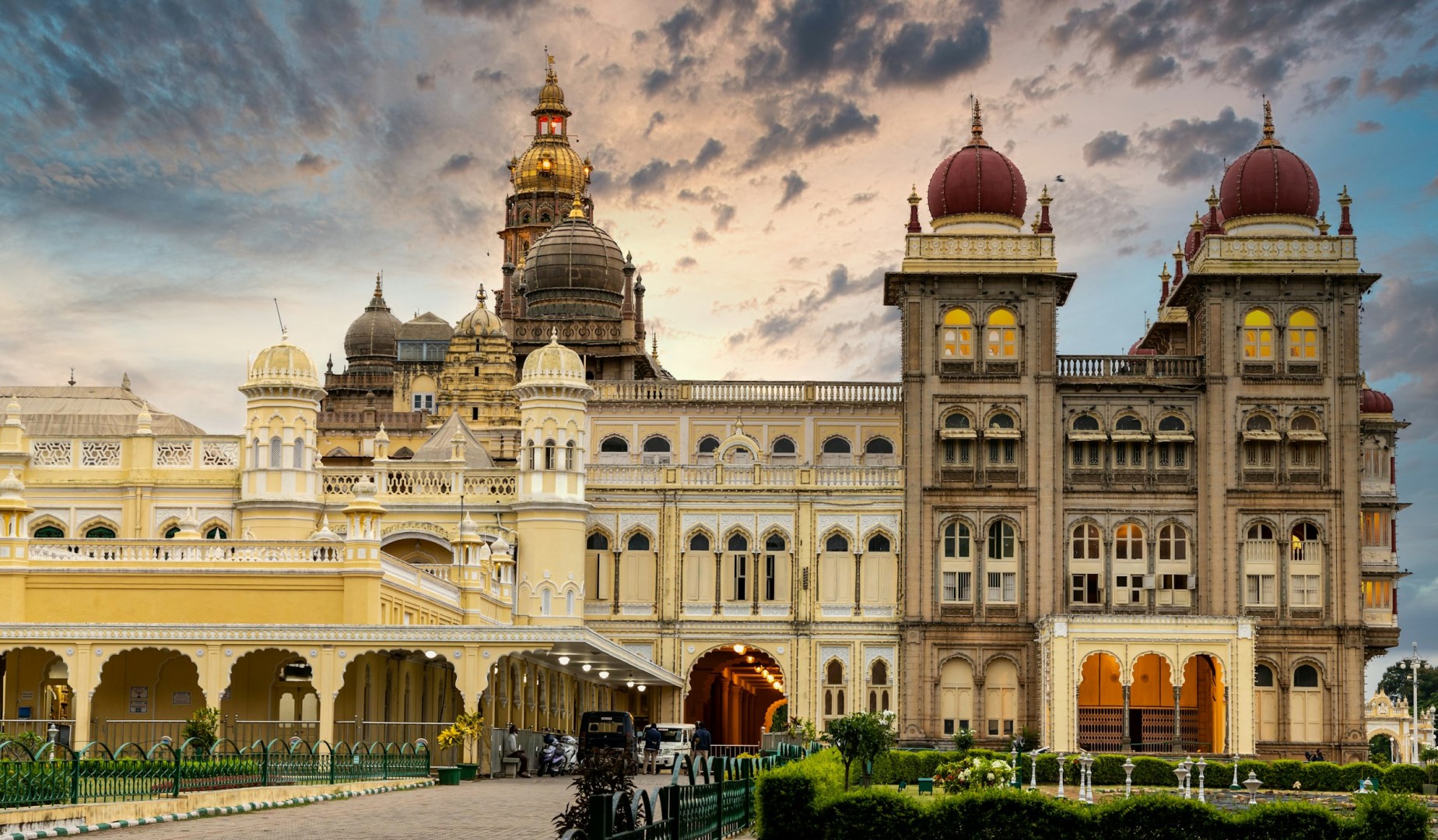
Mysore, often called the “Cultural Capital of Karnataka,” is a city where centuries-old royal heritage meets living tradition. Located at the foothills of the Chamundi Hills, it is best known for its palaces, wide boulevards, and colorful festivals. Once the seat of the Wadiyar dynasty, Mysore still carries an unmistakable royal influence that can be seen in its architecture, markets, and cultural celebrations.
Wadi Bani Khalid
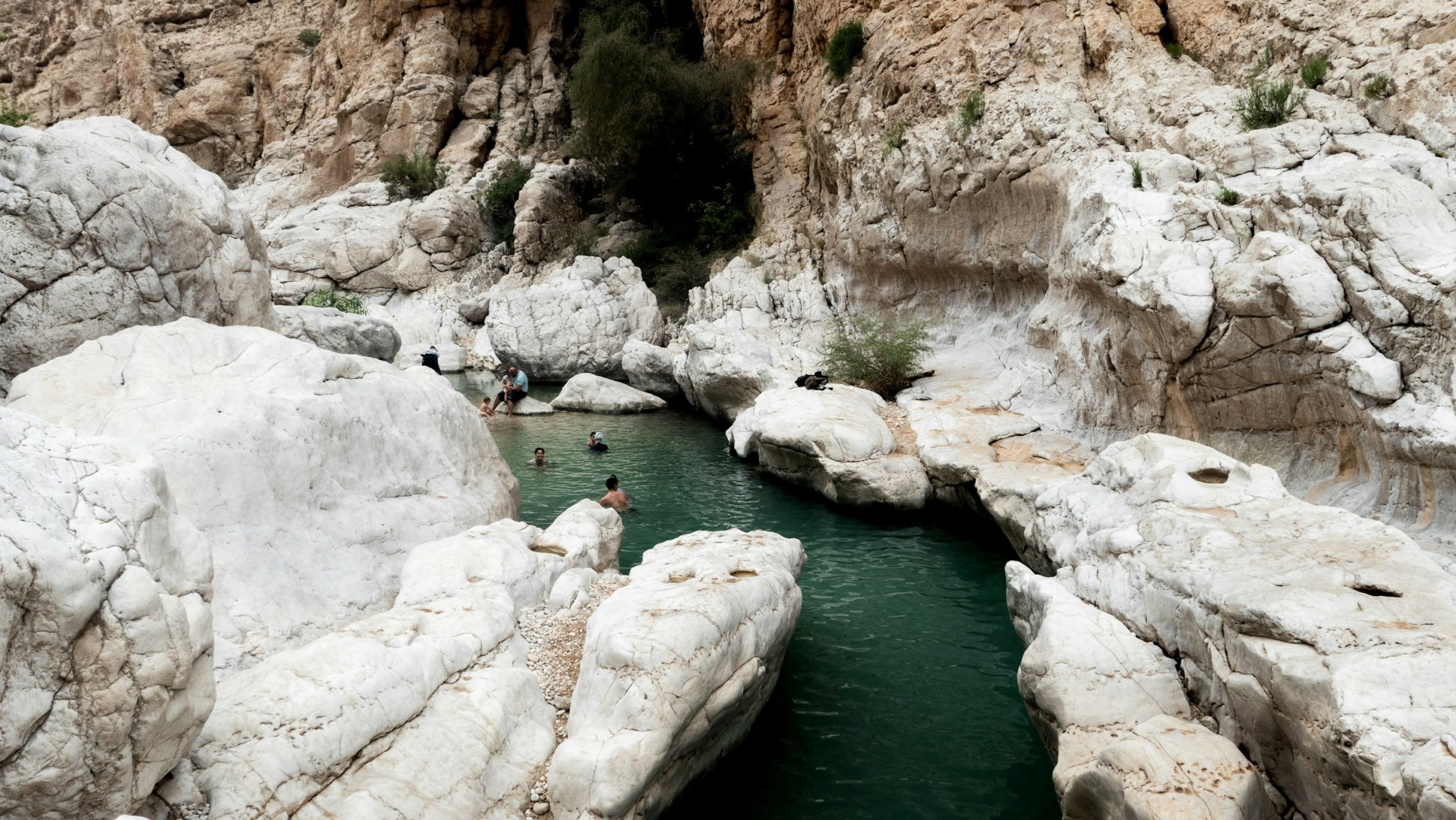
Wadi Bani Khalid is a major valley in Oman's Al Sharqiyah North Governorate, extending from the Hajar Mountains toward the desert landscapes of the Sharqiyah Sands. It is known for its year-round watercourses, pools, rocky gorges, and clusters of date palms. Unlike many wadis that can become dry, Wadi Bani Khalid retains flowing water in parts of its upper valley, creating a green contrast with the surrounding arid terrain.
Kairouan
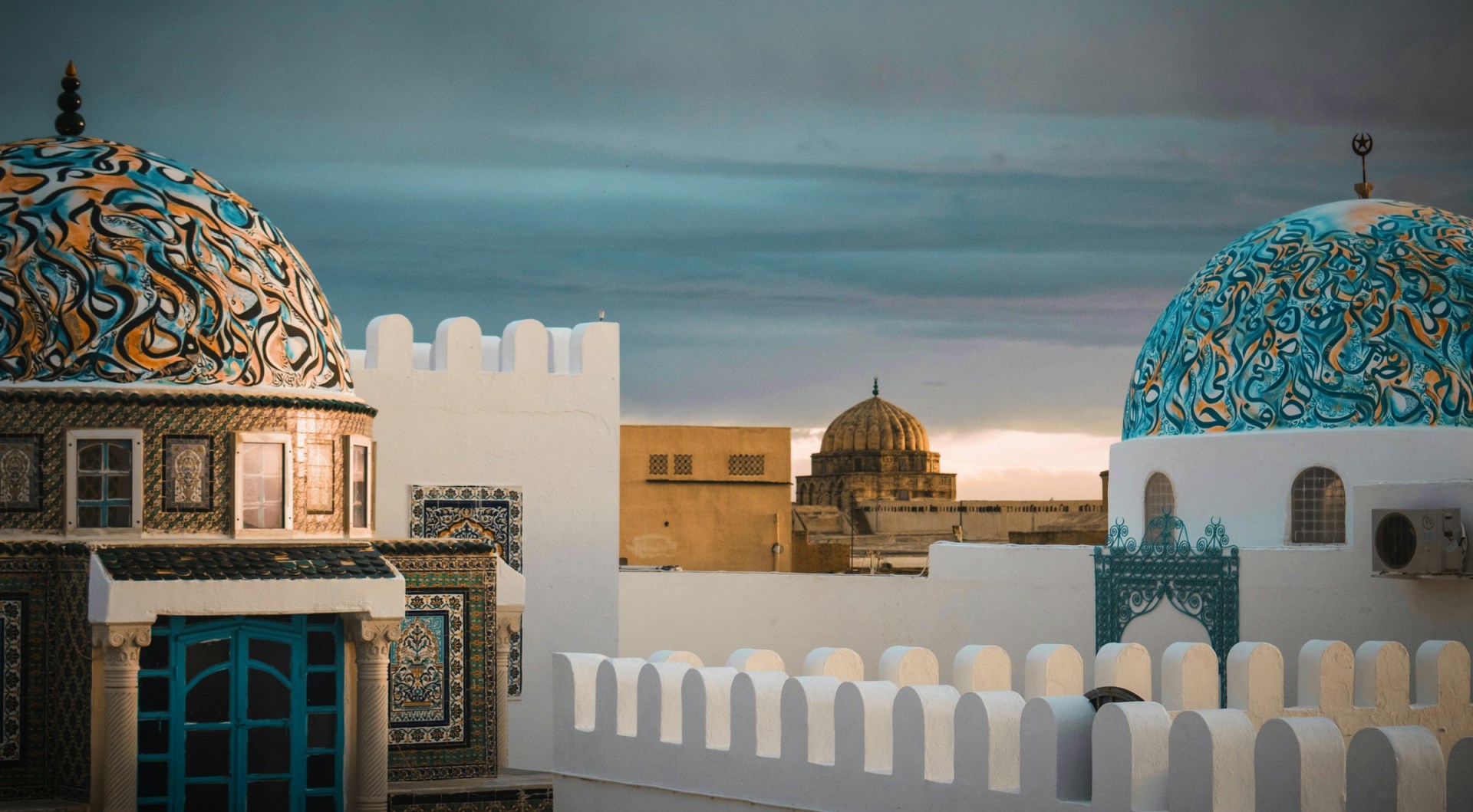
Kairouan is a historic city in central Tunisia, set on a broad plain away from the Mediterranean coast. It is one of the principal holy cities of the Islamic world and is recognized for its exceptionally preserved medina, religious monuments, and traditional urban design. The city’s whitewashed buildings, domes, narrow lanes, and surrounding walls create a distinctive landscape.
