
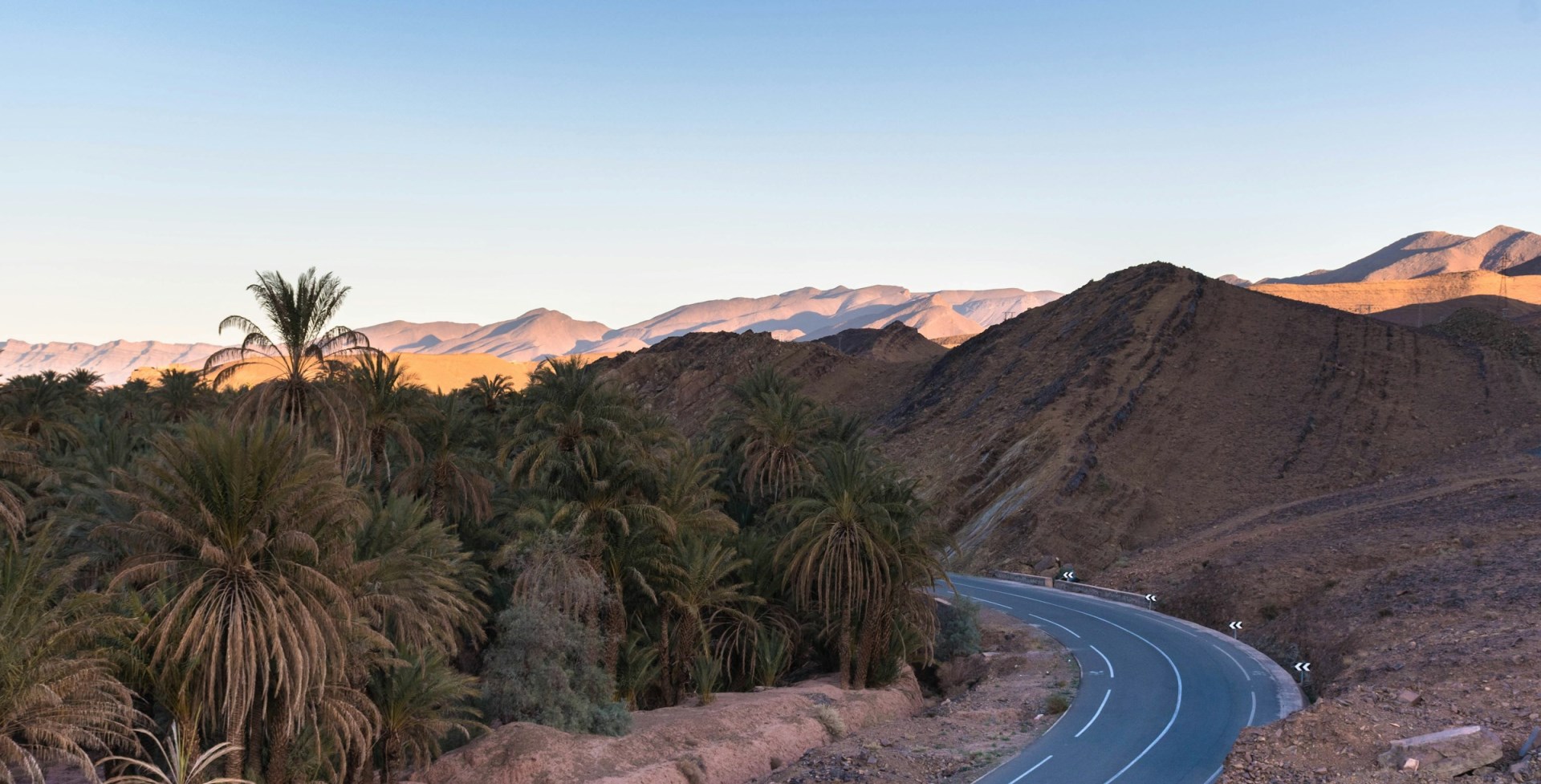
Agdz
Agdz is a small town in Morocco’s Drâa Valley, positioned between the High Atlas Mountains and the long oasis corridor leading toward the Sahara. The town sits beside the Drâa River, where irrigated gardens and dense stands of date palms contrast with the surrounding dry hills. Agdz has traditionally served as a stopping point along routes crossing southern Morocco, and its location still makes it a useful base for exploring the valley.

Istanbul
Istanbul is a city built on layers of empire. Spanning two continents, it was once the capital of three major empires: Roman, Byzantine, and Ottoman. Visitors walking through the Sultanahmet district can witness this timeline firsthand, from the Roman-era Hippodrome to the Byzantine mosaics of Hagia Sophia, and the towering minarets of the Blue Mosque. At nearby Topkapi Palace, rooms still display the jeweled swords, ceremonial robes, and handwritten Qurans once used by Ottoman sultans.
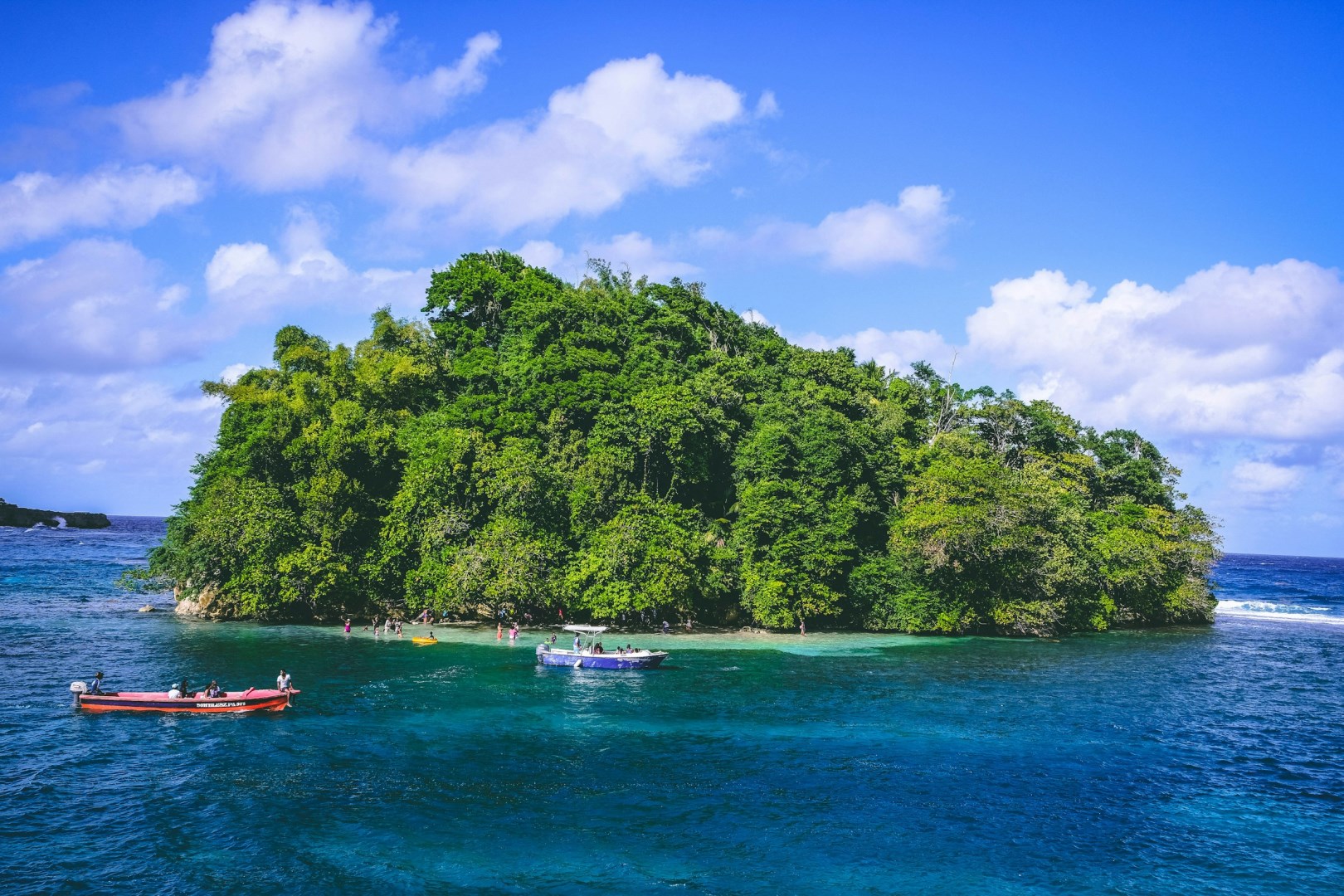
Port Antonio
Port Antonio is a coastal town in northeastern Jamaica, serving as the capital of Portland Parish and sitting between the Caribbean Sea and the foothills of the Blue Mountains. The town is surrounded by steep green hills, rivers, bays, and tropical vegetation, with the natural harbour formed by Navy Island and the mainland providing a sheltered setting.

Great Exuma
The Exumas are located in the middle of The Bahamas, yet remain mostly undisturbed. A collection of some 365 cays and islands stretching over 120 miles, The Exumas are supported at the far southern tip of the chain by two main islands, Great Exuma and Little Exuma.

Manila
Manila is the capital of the Philippines and a densely built city on the eastern shore of Manila Bay. It serves as a major center for government, commerce, education, and the arts, while its neighborhoods reveal different layers of Filipino life. The Pasig River connects the city to the wider metropolitan area, and the waterfront remains an important part of its setting. Manila is especially known for Intramuros, the walled historic district at the heart of the city.
