
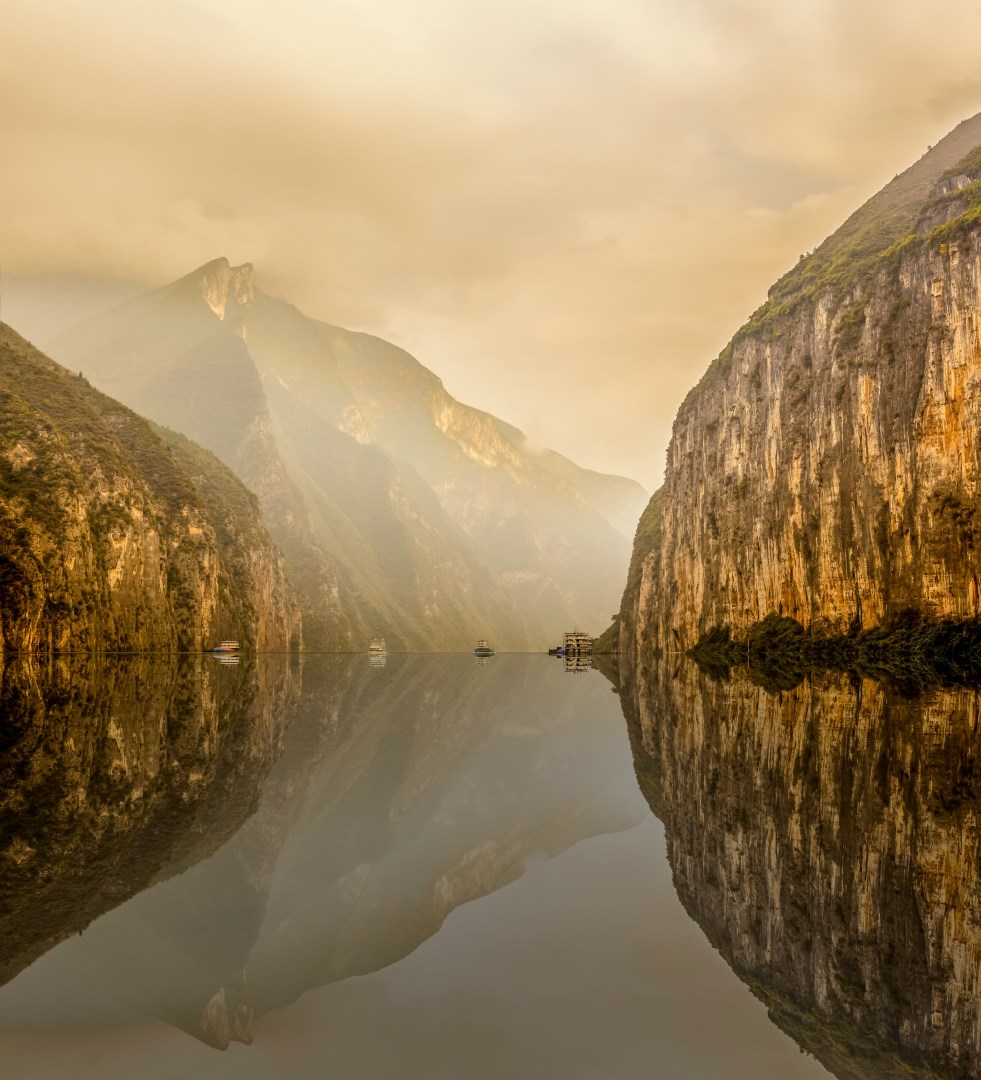
Yangtze River
The Yangtze River, a magnificent artery of China, stretches over 6,300 kilometers (3,917 miles) from the Tibetan Plateau to the East China Sea. As the longest river in Asia and the third longest in the world, it weaves through breathtaking landscapes and vibrant cities, making it a prime destination for travelers seeking both adventure and cultural immersion.
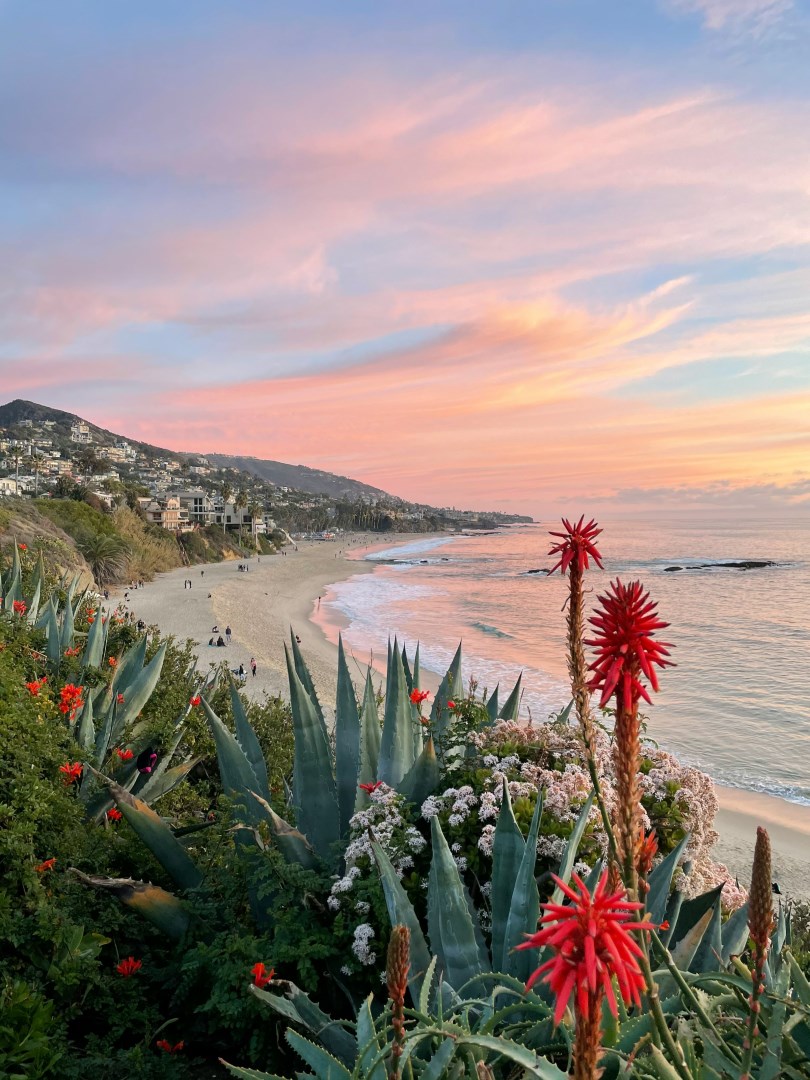
Laguna Beach
Laguna Beach is a coastal city in Southern California, set between steep hills and the Pacific Ocean in Orange County. Its shoreline is marked by sandy coves, rocky headlands, sea caves, tide pools, and coastal cliffs, while the surrounding hills contain chaparral and protected open spaces. The city has a compact downtown with galleries, restaurants, shops, and small public spaces close to the water. Unlike much of the more heavily developed Orange County coast, Laguna Beach retains numerous und
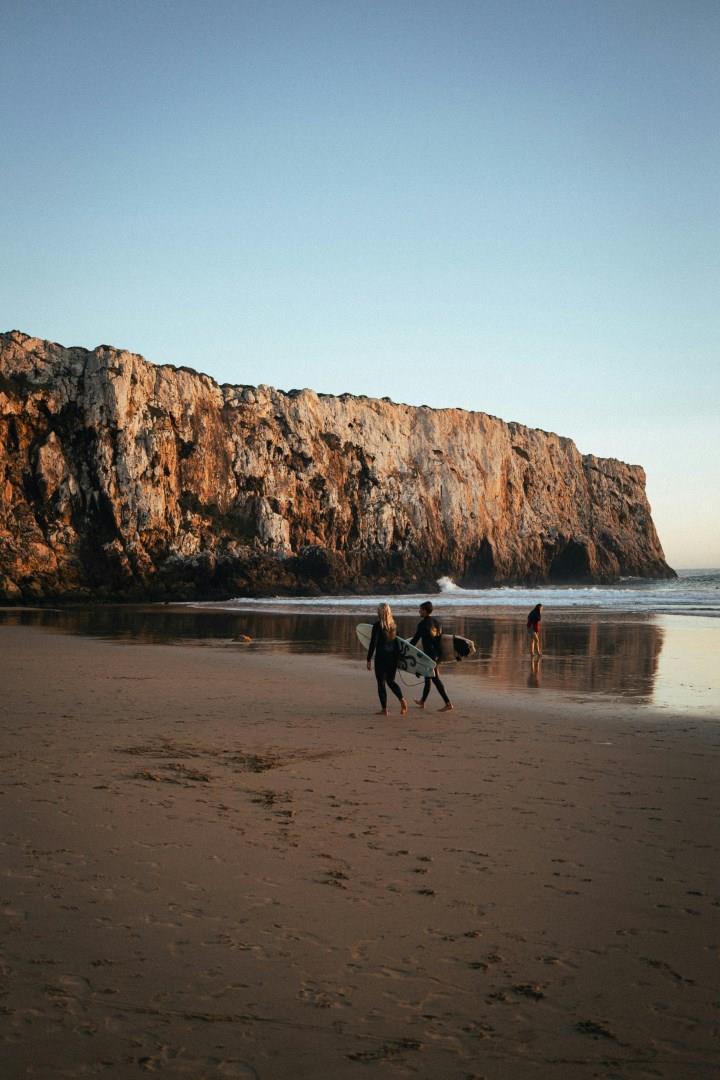
Sagres
Sagres sits at the southwestern edge of continental Europe in Portugal’s Algarve region, where the Atlantic’s wide horizon meets rugged cliffs and open skies. For centuries this point was linked to maritime adventure and visitors can still feel that sense of discovery in the air. Here, people like Prince Henry the Navigator gathered cartographers, shipbuilders and astronomers in the 1400s to push beyond maps of the known world and shape the early Age of Discovery from Sagres’ dramatic headlands.

Atlanta
Atlanta, Georgia, is a city where Southern charm meets modern sophistication, making it a must-visit destination for travelers. Known as the "City in a Forest" due to its lush tree canopy, Atlanta boasts a vibrant blend of history, culture, and innovation. Explore the iconic Martin Luther King Jr. National Historical Park, where you can walk in the footsteps of the Civil Rights leader, visiting his childhood home and the church where he preached.

Maine
Maine, known as the Pine Tree State, offers a captivating blend of natural beauty, maritime heritage, and charming small towns. Start your exploration in Acadia National Park, a haven for outdoor enthusiasts.
