
Portugal
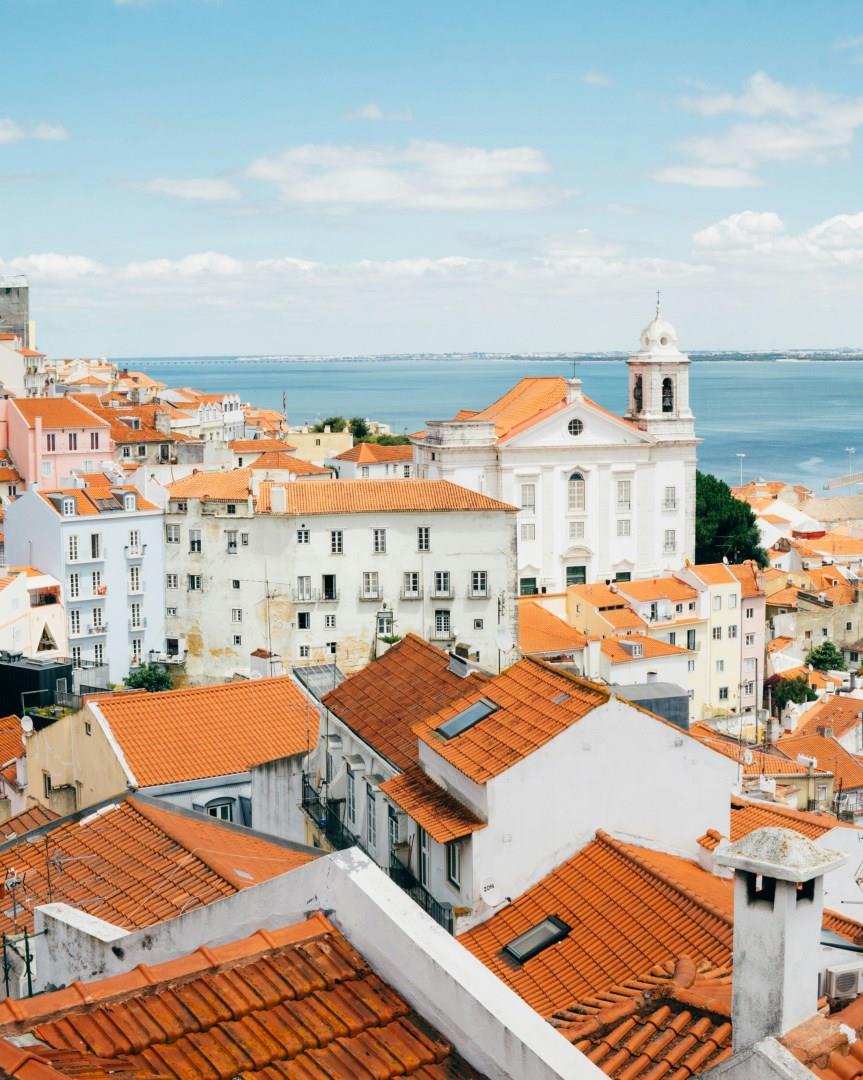
Portugal offers a layered experience shaped by maritime history, deep-rooted traditions, and a coastline that stretches for nearly 1,800 kilometers. In Lisbon, the streets of Alfama wind uphill toward São Jorge Castle, where views of red-tiled rooftops and the Tagus River reveal how the city was rebuilt after the 1755 earthquake. Trams still clatter through narrow streets, and fado music, often performed in candlelit taverns, tells stories of longing and the sea.
Manompana
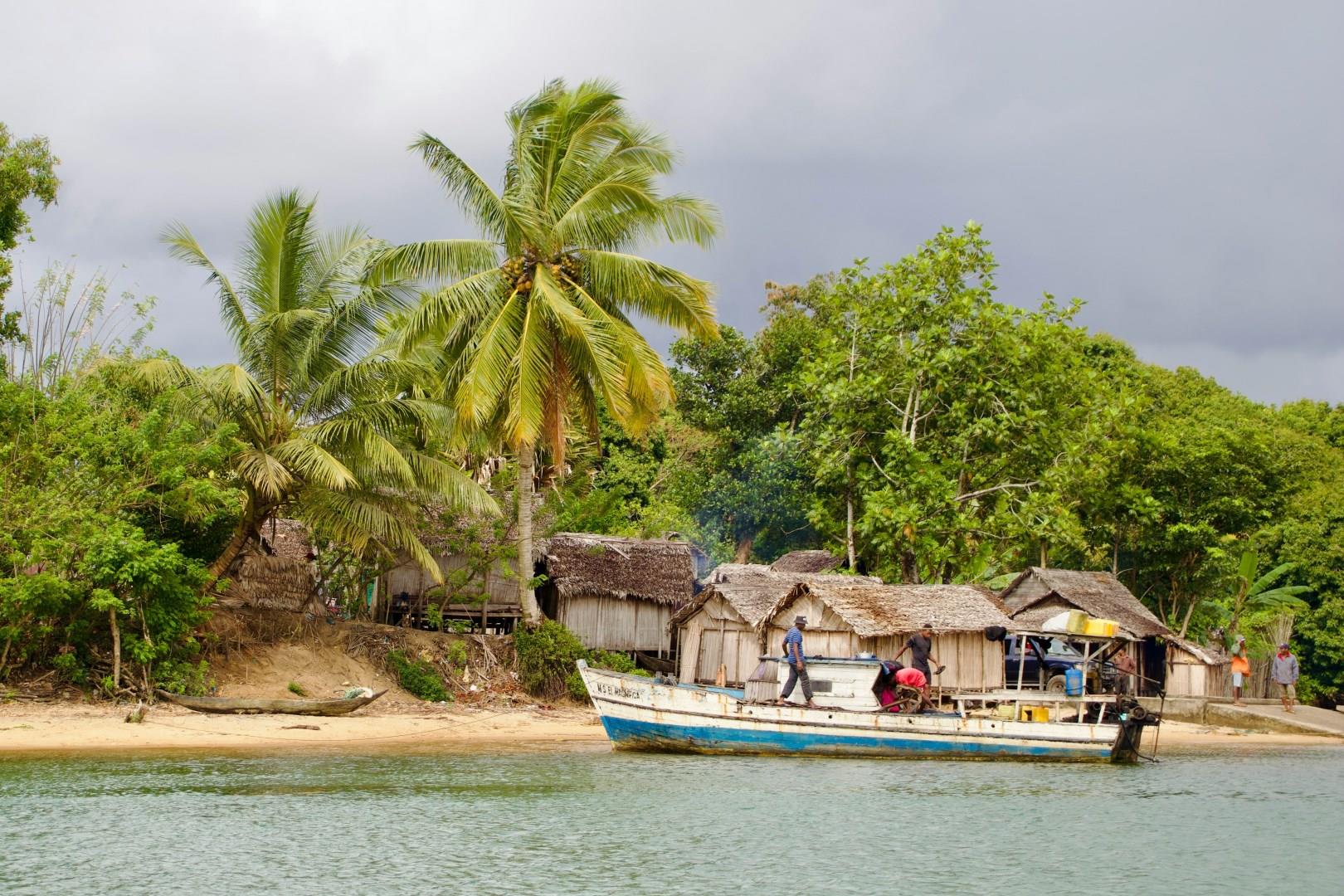
Manompana is a small coastal town in northeastern Madagascar, located in the Analanjirofo Region along the Indian Ocean. The town sits at a low elevation and enjoys a tropical rainforest climate, with warm temperatures and abundant rainfall throughout the year.

Sossusvlei
Sossusvlei, located in the heart of the Namib Desert in Namibia, is a breathtaking destination that captivates travelers with its surreal landscapes and towering red sand dunes. The star attraction of Namib-Naukluft National Park, Sossusvlei is famous for its clay pans surrounded by some of the highest sand dunes in the world, some reaching heights of over 300 meters.

La Digue
La Digue, the fourth-largest island in the Seychelles, offers a quintessential tropical paradise experience. Known for its idyllic beaches and charming laid-back atmosphere, La Digue is a haven for nature lovers and those seeking a serene escape. The island’s most iconic beach, Anse Source d'Argent, is renowned for its stunning granite boulders and crystal-clear waters, making it one of the most photographed beaches in the world.
Santa Cruz Island
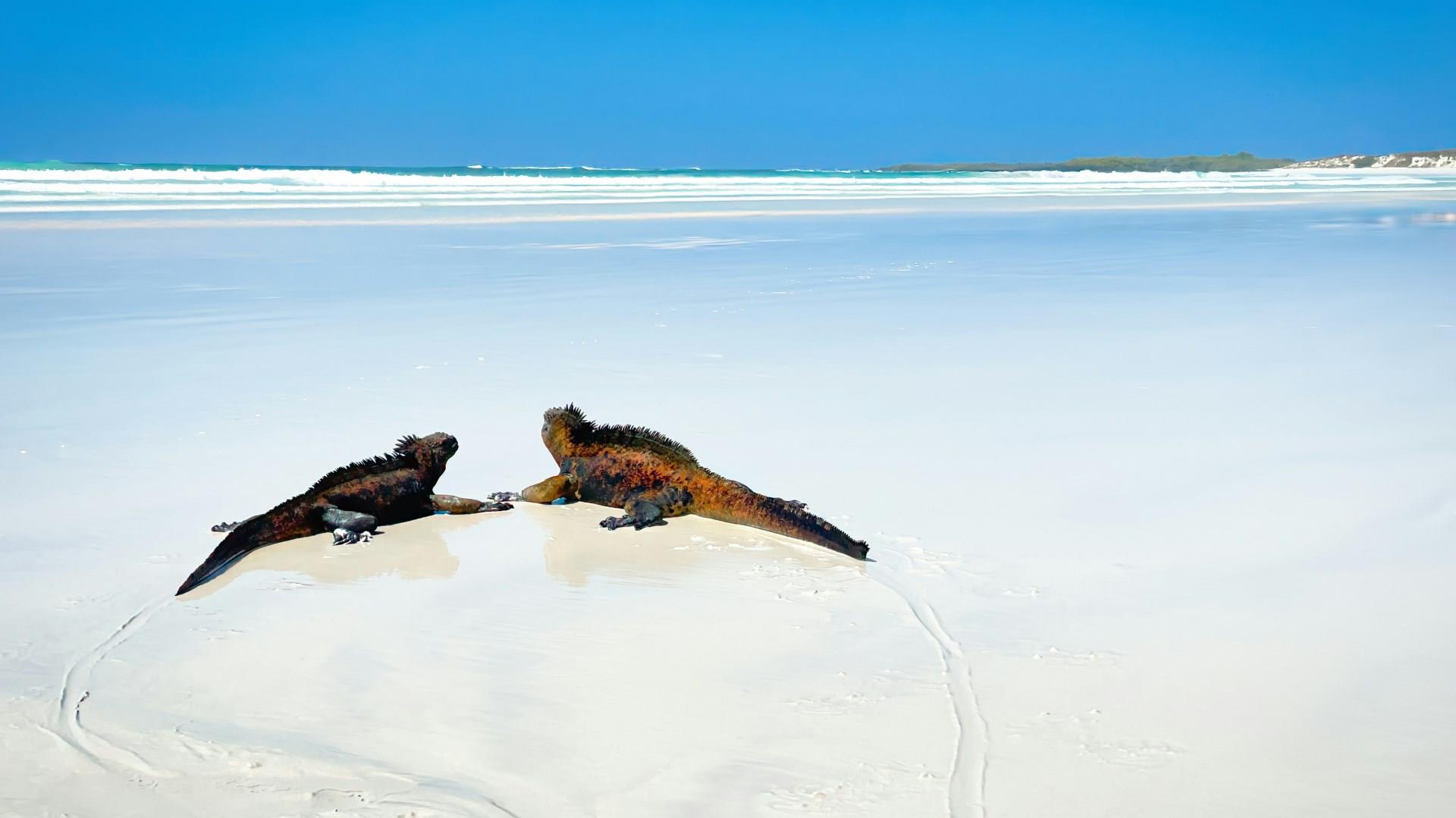
Santa Cruz Island is the beating heart of the Galápagos and is home to the largest town in the archipelago, Puerto Ayora, and a key access point for travelers exploring this unique region. But beyond its small port and shops, the island reveals a surprising range of ecosystems, from black lava shores to lush highlands where giant tortoises roam freely.
