
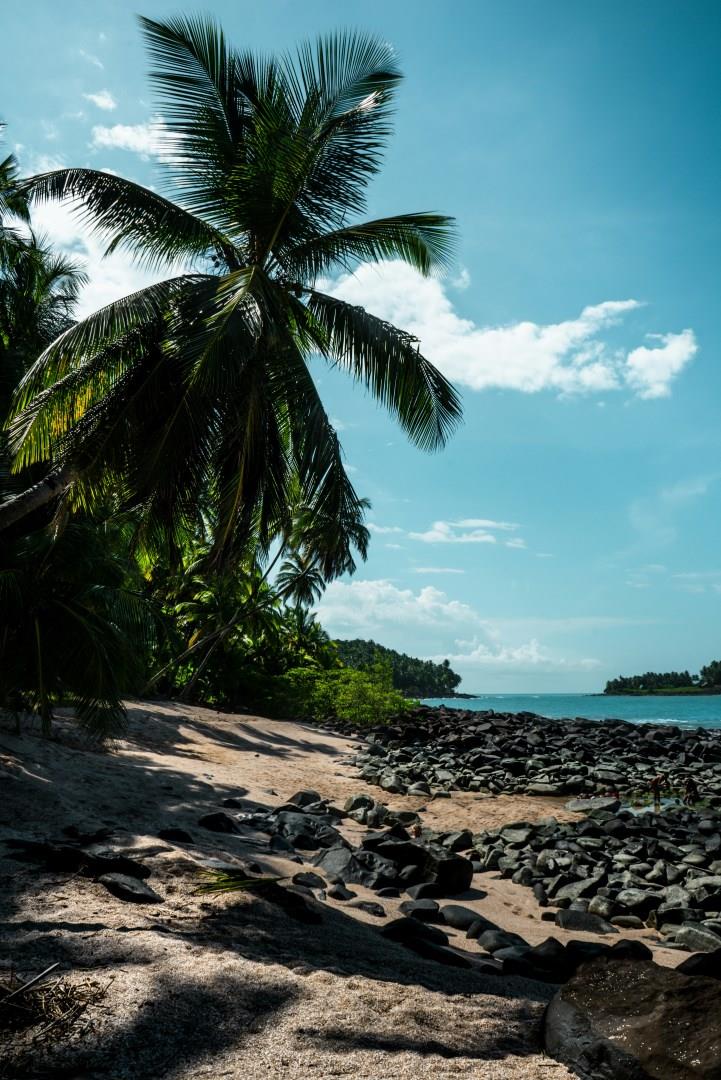
Cayenne
Cayenne, the lively capital of French Guiana, sits where the Cayenne River meets the Atlantic Ocean, blending South American rhythms with French-Caribbean influence. While it's officially part of France, Cayenne feels worlds away from Paris, with colorful markets, colonial architecture, and a language mix that includes French, Creole, Portuguese, and Indigenous dialects.
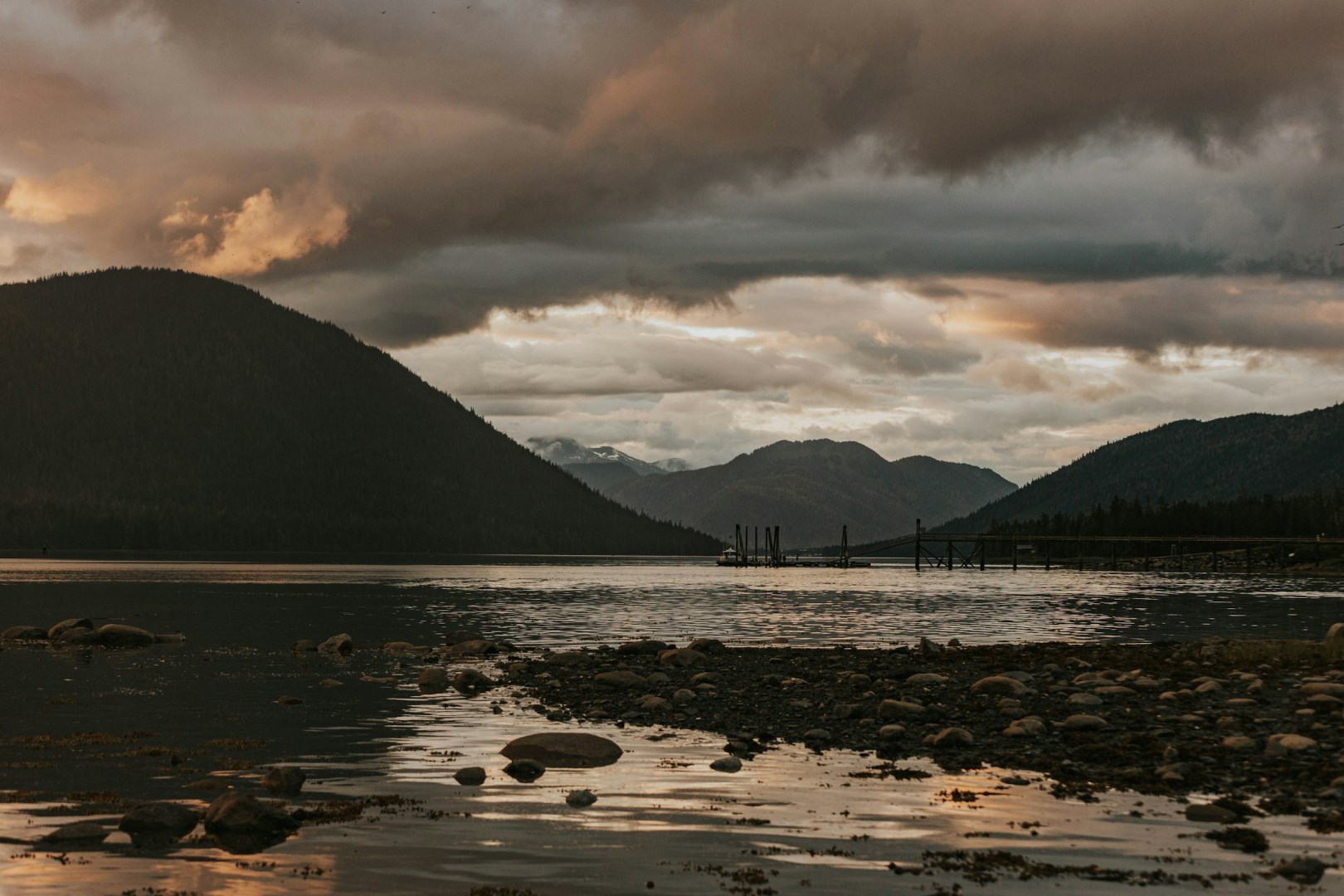
Petersburg
Petersburg, Alaska sits on Mitkof Island in Southeast Alaska, where ocean channels and forested mountains shape everyday life. The town looks out over the Wrangell Narrows, a narrow water route so winding that boats often follow a carefully timed path to pass through. Wooden docks line the waterfront, and fishing boats are a constant sight, reflecting how closely the town is tied to the sea and seasonal harvests.

Santo Domingo
The capital city of the Dominican Republic is rich in history and beauty, boasting 16th-century Spanish architecture and the oldest cathedral in the Americas. The narrow streets of the old colonial city are a testament to the complex mixture of forces that contributed to the construction of the first European city in the Western Hemisphere.

Soufriere
Soufriere sits on the southwest coast of St. Lucia, framed by steep hills and the twin Pitons that rise sharply from the sea. Once the island’s original capital, the town carries deep historical roots tied to colonial rivalries and the development of plantation culture.
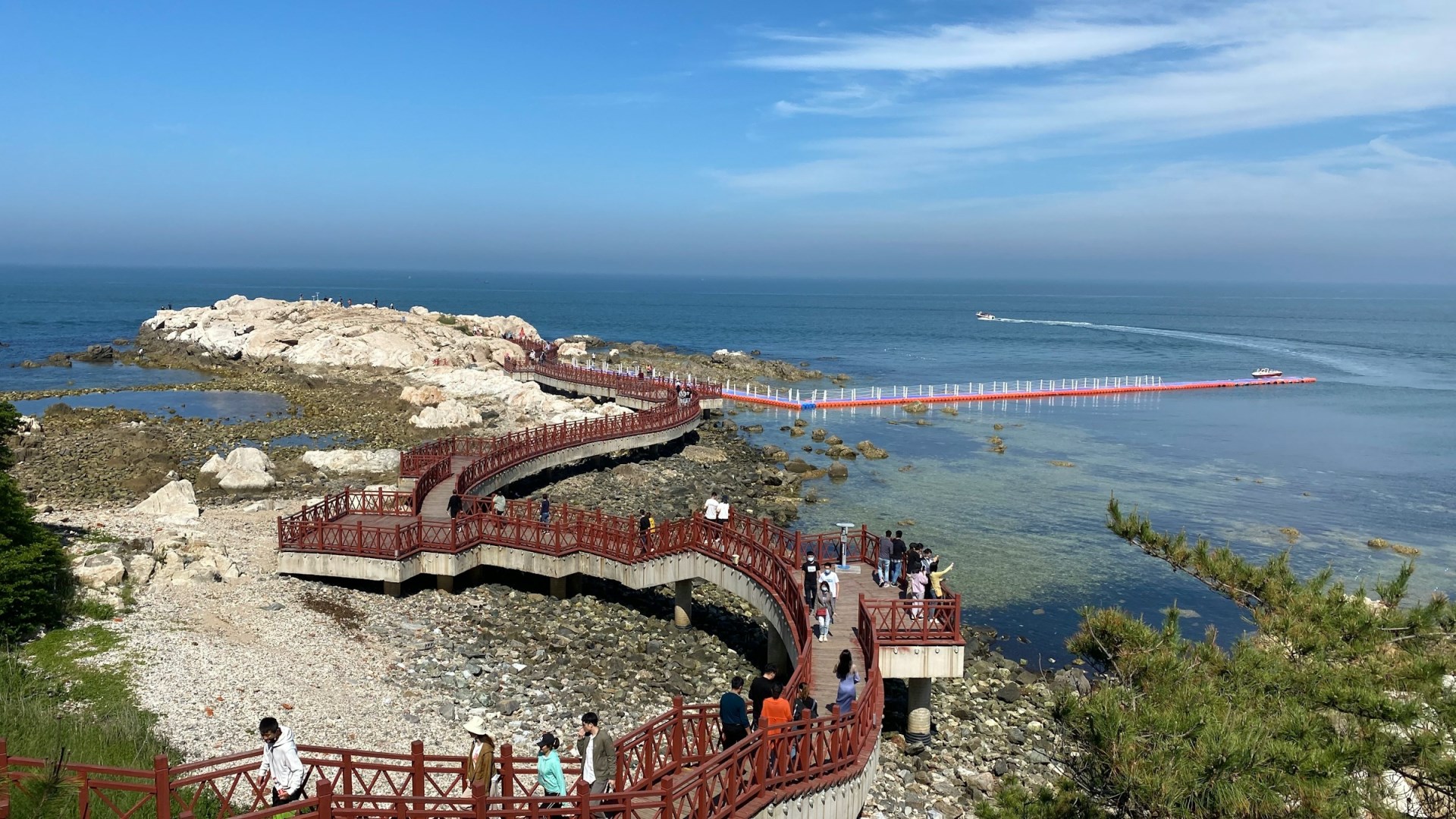
Yantai
Yantai is on the coast of the Bohai Sea and one of the most picturesque small cities in China. Visit Penglai Pavilion, said to be where the 8 Taoist Immortals flew across the sea or view the city from the 14th-century Yuhuang Hill Temple where the abundant rose-colored buildings and orange-tiled roofs of the town are nestled between the sea and the gentle hills.
