
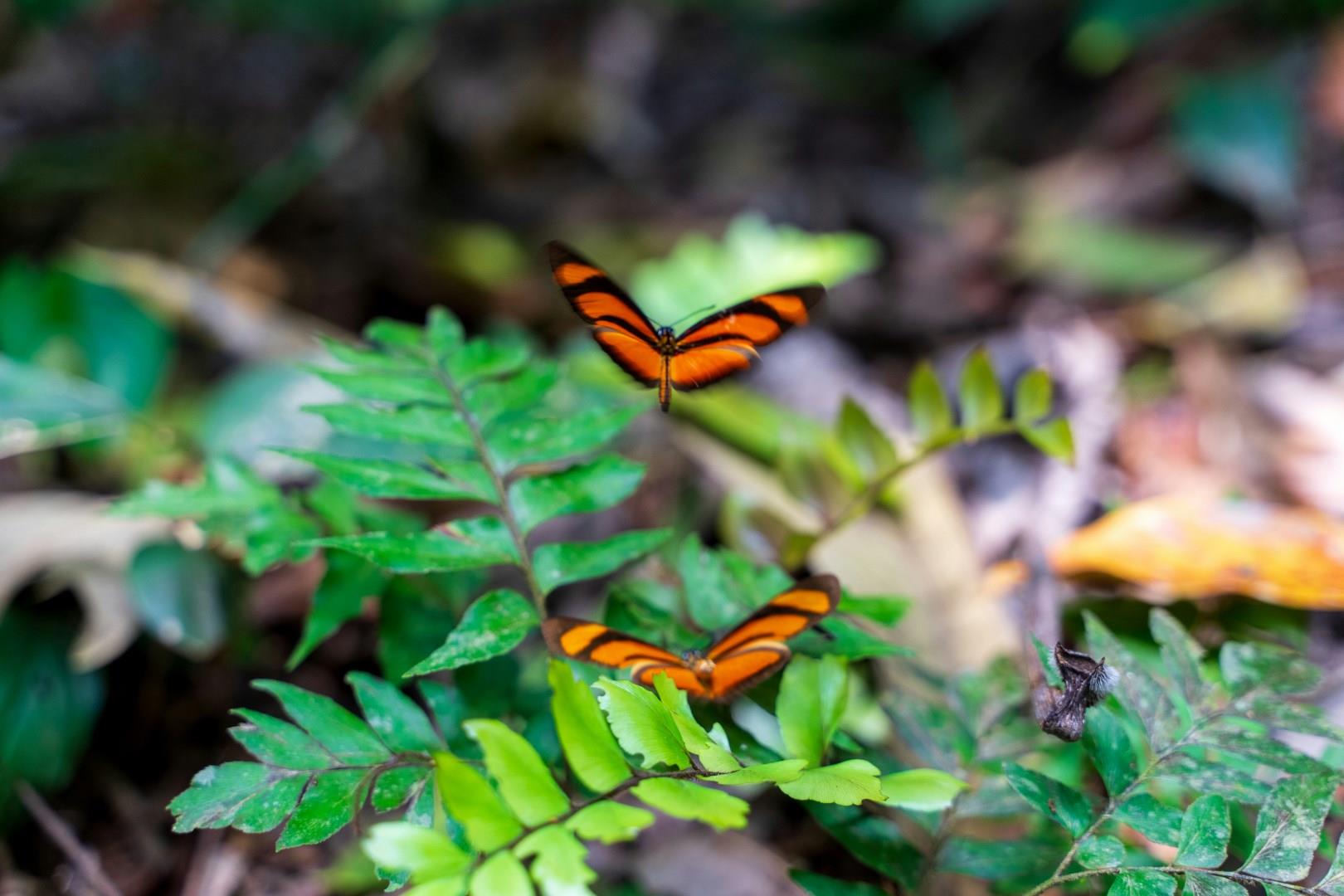
Tambopata
Located in the Madre de Dios region of southeastern Peru, Tambopata is a protected area where visitors can experience the Amazon rainforest in its rawest form. The Tambopata National Reserve spans over 270,000 hectares and is home to an estimated 1,200 butterfly species, 600 bird species, and hundreds of tree varieties. One of its most famous residents is the jaguar, though sightings are rare. More common encounters include red howler monkeys, capybaras, and giant river otters.

Pennsylvania
Pennsylvania offers more than just a glimpse into American history, it invites travelers to walk through it. In Philadelphia, the Liberty Bell still draws visitors from around the world, while Independence Hall, a UNESCO World Heritage Site, is where both the Declaration of Independence and the U.S. Constitution were debated and signed. Just a short walk away, modern museums like the National Constitution Center offer hands-on exhibits that connect the past to today’s civic questions.
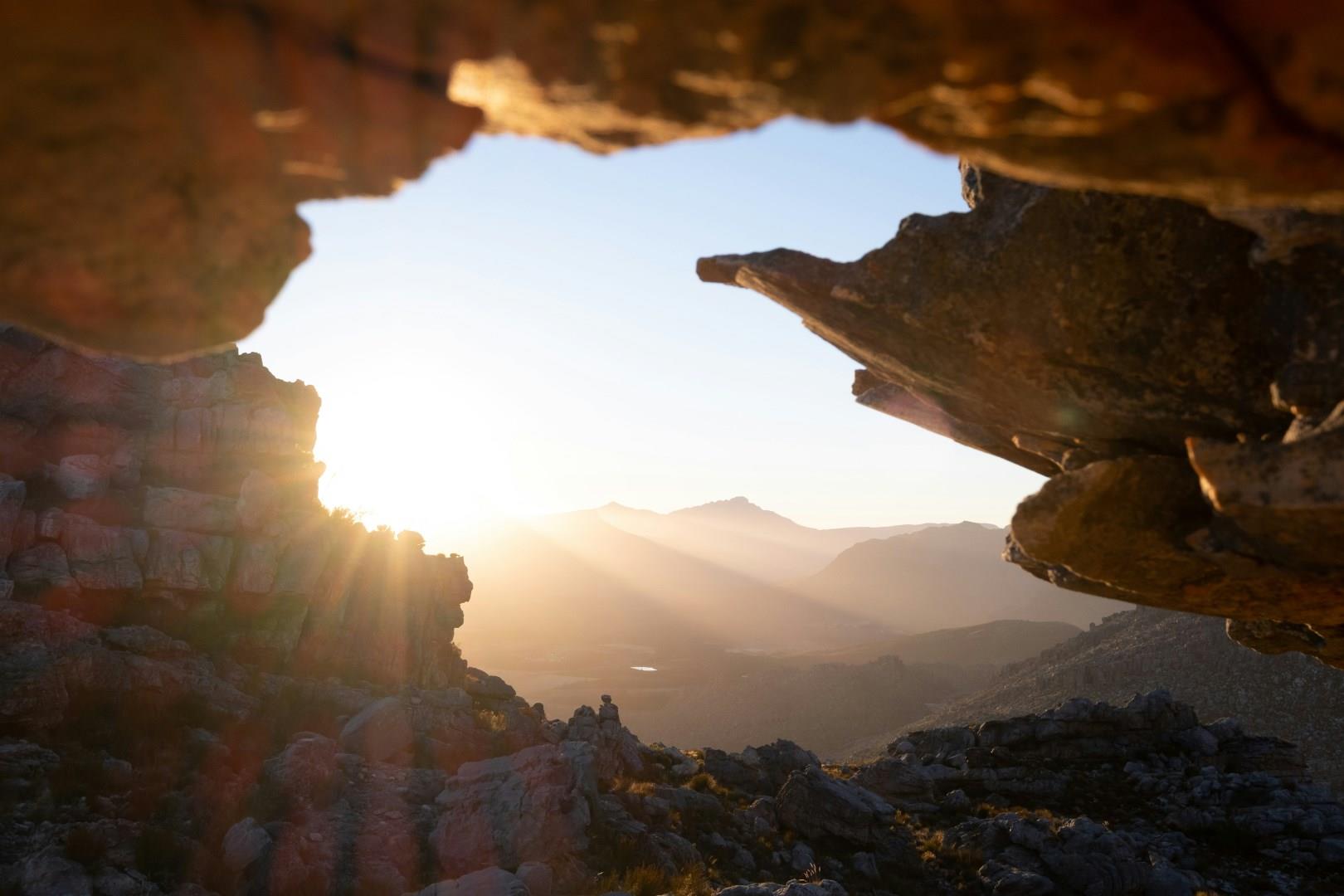
Cederberg
The Cederberg region in the Western Cape of South Africa is a striking land of rocky ridges, wide skies, and quiet valleys. Less than three hours’ drive from Cape Town, the jagged sandstone mountains rise in shapes that seem carved by giants, and shady kloofs hide wonders like ancient rock art that tell stories from thousands of years ago. Hikes to natural landmarks like Wolfberg Arch and the Maltese Cross take visitors deep into terrain shaped by time.

Corfu
Eluding Ottoman oppression sure makes you beautiful! Besides breathtaking beaches and lovely pools, this Greek island in the Ionian Sea offers many charms, from its Old Town (a UNESCO World Heritage Site) to Venetian fortresses to cypresses waving in the ocean breeze.

Northern Ireland
History is deeply embedded in the heart of Northern Ireland, where ancient castles, historic sites, and vibrant cities bring the past to life at every turn. As visitors journey from its dramatic coastline, with towering cliffs and sweeping sea views, to the rolling green hills that define the countryside, they will find themselves immersed in an adventure that blends rich heritage with stunning natural beauty, offering an experience they'll never forget.
