

Cádiz
With its captivating blend of ancient history, sun-drenched beaches, and vibrant Andalusian culture, Cádiz, Spain, stands as one of Europe’s oldest continually inhabited cities. Founded over 3,000 years ago by the Phoenicians, this coastal gem in southern Spain offers a rich tapestry of historical sites and modern charms. The old city of Cádiz is a labyrinth of narrow cobblestone streets, whitewashed houses, and hidden plazas that evoke the city’s Moorish past.
Solitaire
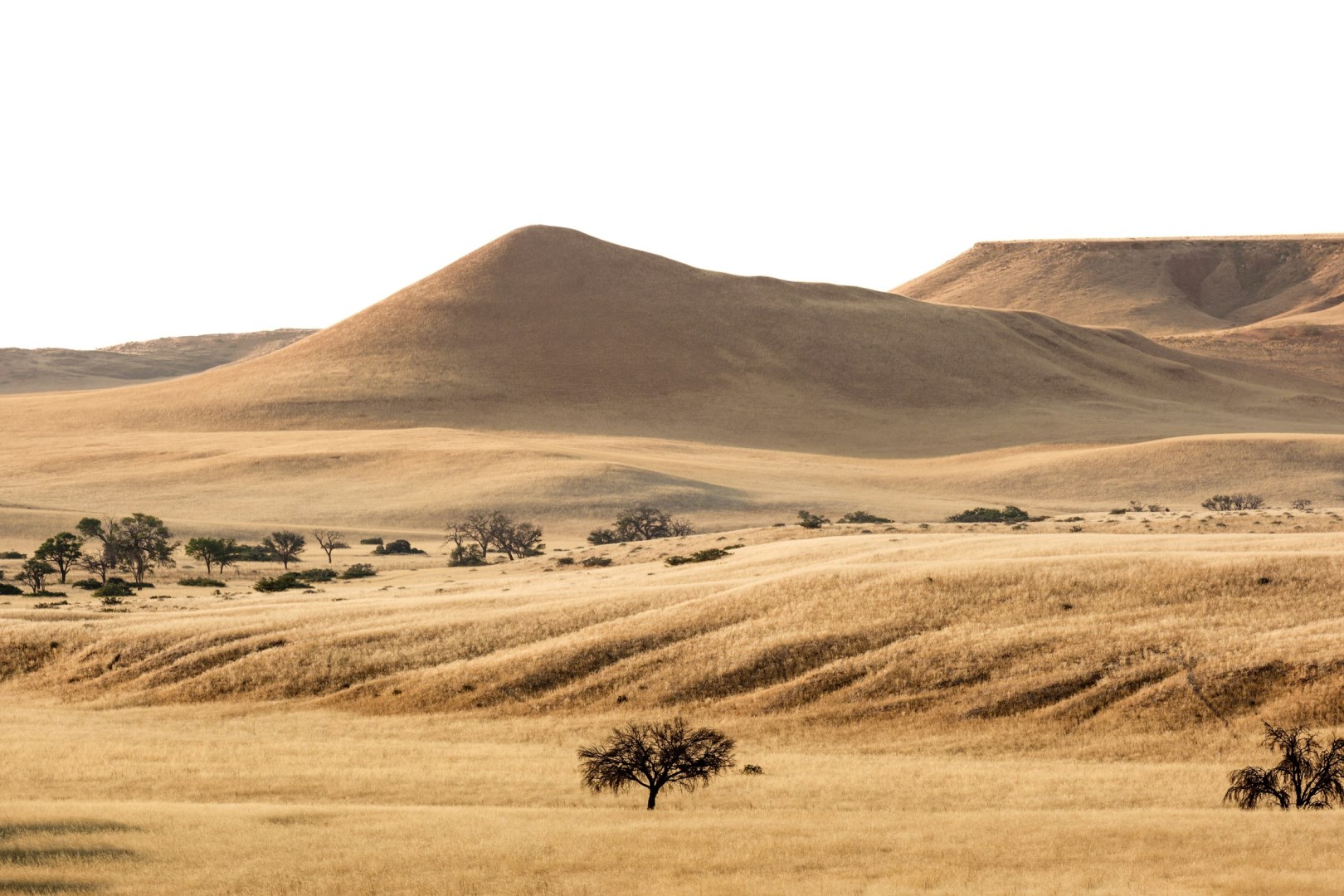
Solitaire is a small settlement in central Namibia, positioned where routes from Windhoek, Walvis Bay, Sesriem, and the Namib-Naukluft region meet. Its isolated location among gravel plains, rocky hills, and dry river valleys makes it a practical stopping point on journeys through the Namib Desert.
Syros
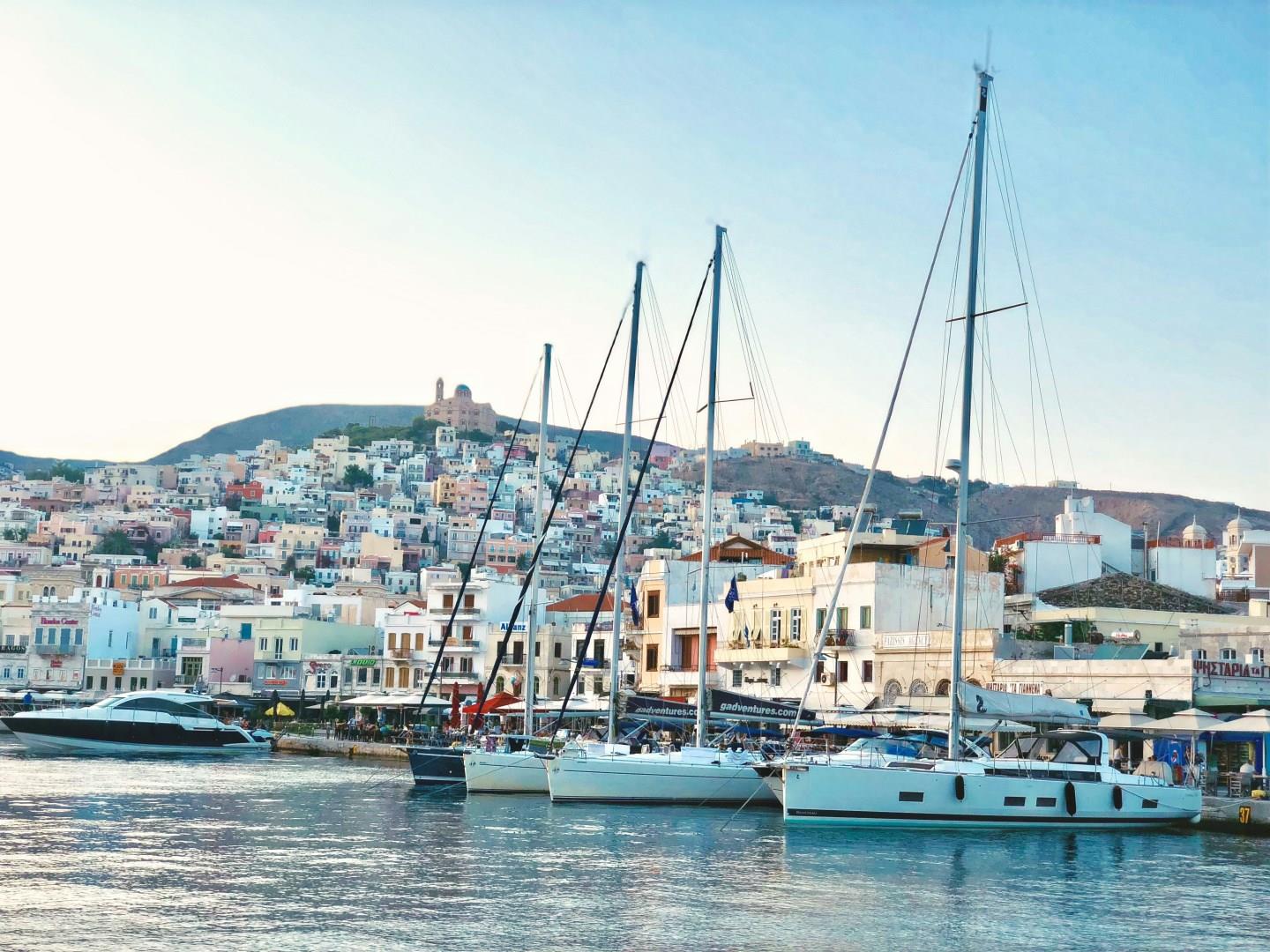
Syros, the capital of the Cyclades, stands apart from its island neighbors with its blend of neoclassical architecture, Orthodox and Catholic traditions, and year-round local life. Ermoupoli, the main town, was once a thriving 19th-century port and still displays its legacy through grand mansions, marble-paved squares, and the imposing Apollo Theater which was designed by an Italian architect and often referred to as a miniature La Scala.

Vólos
Volos, a vibrant city nestled between the Aegean Sea and the lush slopes of Mount Pelion, is a delightful blend of modernity and tradition. Known for its picturesque waterfront and bustling port, Volos offers visitors an authentic taste of Greek coastal life. The city’s seaside promenade is ideal for leisurely strolls, with plenty of cafes and tavernas where you can savor fresh seafood while enjoying views of the bay.
Douro River
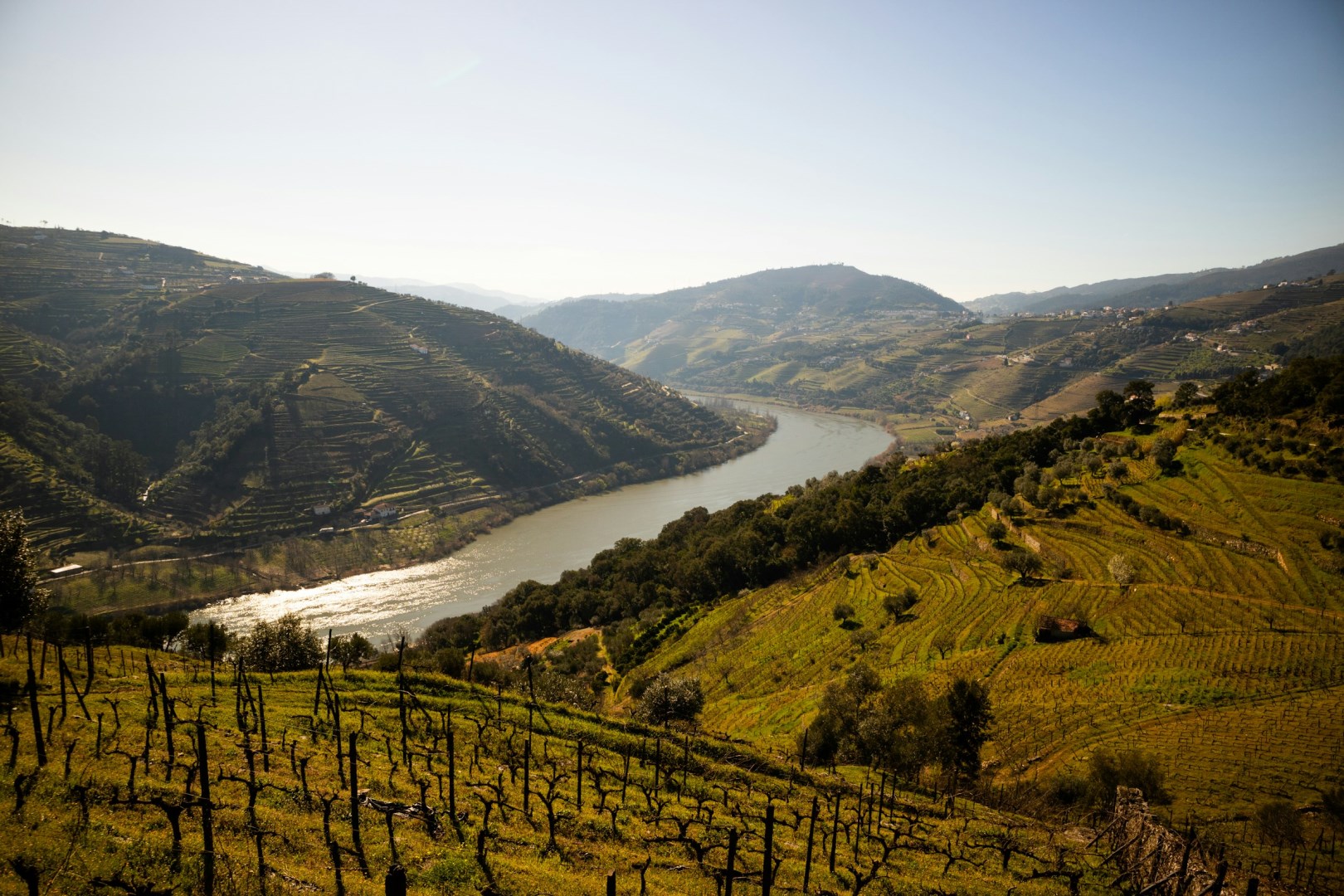
One of the major rivers of the Iberian Peninsula, the Douro in north-central Spain and Portugal just might be the world's most beautiful wine region. Most of the river on the Spanish side isn't navigable, so river cruises generally travel roundtrip from Porto, on the coast of the Atlantic.
