

Byron Bay
Byron Bay lies on the far north coast of New South Wales, Australia, where wide beaches meet the deep blue Pacific and the point of land known as Cape Byron marks the easternmost tip of the mainland. Standing tall above the coastline, the Cape Byron Lighthouse has guided ships since 1901 and now greets walkers and sightseers who take the scenic cliff-top path for views stretching toward whales during their migration season.

Kaohsiung
Kaohsiung sits on Taiwan’s southern coast and rises from one of the island’s busiest harbors into a city that rewards slow exploration and lively discovery. History and local belief surface at the Dragon and Tiger Pagodas beside Lotus Pond in Zuoying District. These twin pagodas that are connected to the shore by a zigzag bridge, invite visitors to walk through the dragon’s mouth and out the tiger’s, a practice locals associate with turning bad luck into good fortune.

Bhutan
Bhutan, often called the “Land of the Thunder Dragon,” is a Himalayan kingdom known for its dramatic landscapes and deeply rooted traditions. Towering peaks, forested valleys, and winding rivers set the stage for a country that has long prioritized harmony between nature and culture.

Denmark
Denmark is a country shaped by water, wind, and centuries of human ingenuity. In places like Roskilde, visitors can see five original Viking ships at the Viking Ship Museum and even try rowing a replica longboat across the fjord. In Copenhagen, the harbor once used by merchants and sailors now welcomes swimmers, kayakers, and ferries, with historic warehouses repurposed into restaurants and museums.
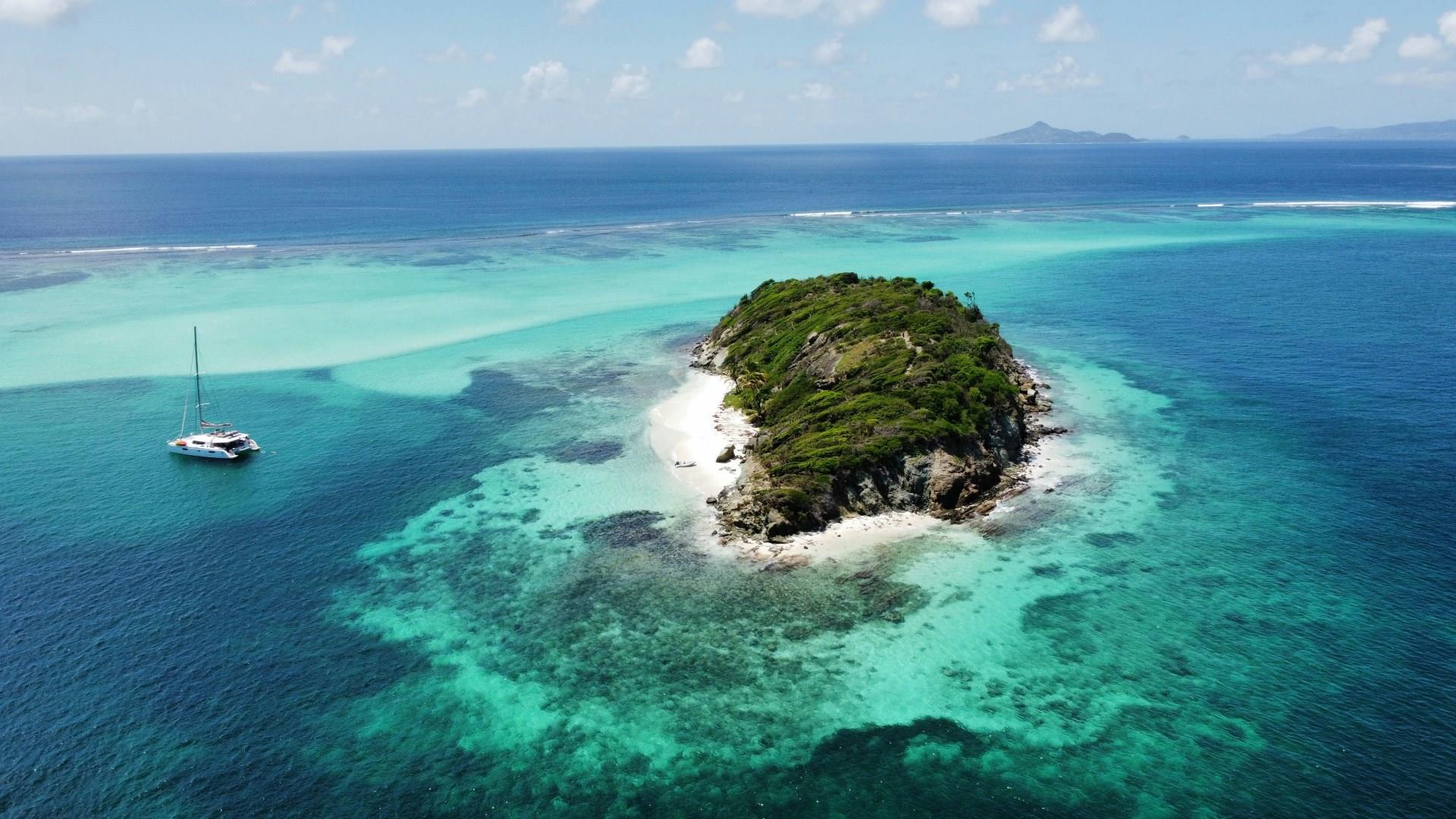
Tobago Cays
The Tobago Cays are a small cluster of uninhabited islands and reefs in the Southern Grenadines, known for their crystalline waters, coral formations, and vibrant marine life.
