

El Calafate
El Calafate, a small town in southern Patagonia, serves as the main gateway to one of Argentina’s most spectacular natural wonders, the Los Glaciares National Park. Sitting on the shores of Lake Argentino, El Calafate was once a quiet outpost known mainly for sheep farming and the hardy calafate berry. Today, it attracts travelers from around the world who come to witness massive ice formations and the shifting blue walls of nearby glaciers.
Monterrey
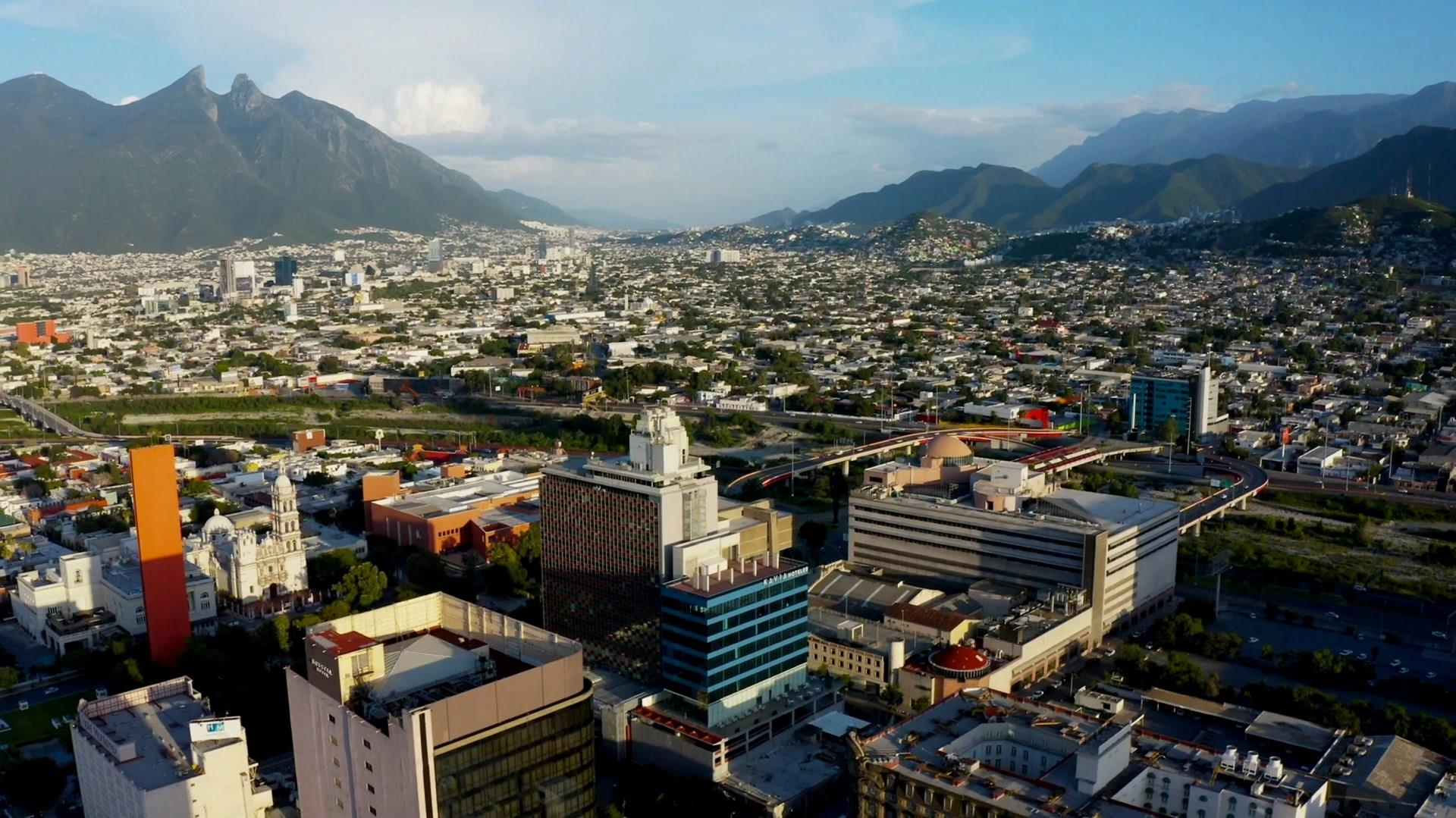
Monterrey, the capital of Nuevo León, stands at the foot of the Sierra Madre Oriental and has long been recognized as one of Mexico’s most industrial and innovative cities. The Macroplaza is one of the largest public squares in Latin America and links historic buildings like the 18th-century Metropolitan Cathedral with newer sites like the Museo de Historia Mexicana and the Faro del Comercio, a towering orange structure that beams a green laser across the sky each night.

Dominica
Dominica, known as the “Nature Island of the Caribbean,” is a haven for eco-tourists and adventure seekers. Nestled between the French islands of Guadeloupe and Martinique, this lush island boasts a remarkable landscape of volcanic mountains, dense rainforests, and stunning waterfalls. Dominica’s most iconic natural wonder is the Boiling Lake, the second-largest hot spring in the world.

Chiang Rai
Chiang Rai, in northern Thailand near the borders with Laos and Myanmar, is a city where history, art, and tranquil landscapes converge. Founded in the 13th century as the first capital of the Lanna Kingdom, it retains a strong sense of heritage while also serving as a hub for contemporary Thai creativity.
Tongatapu Island
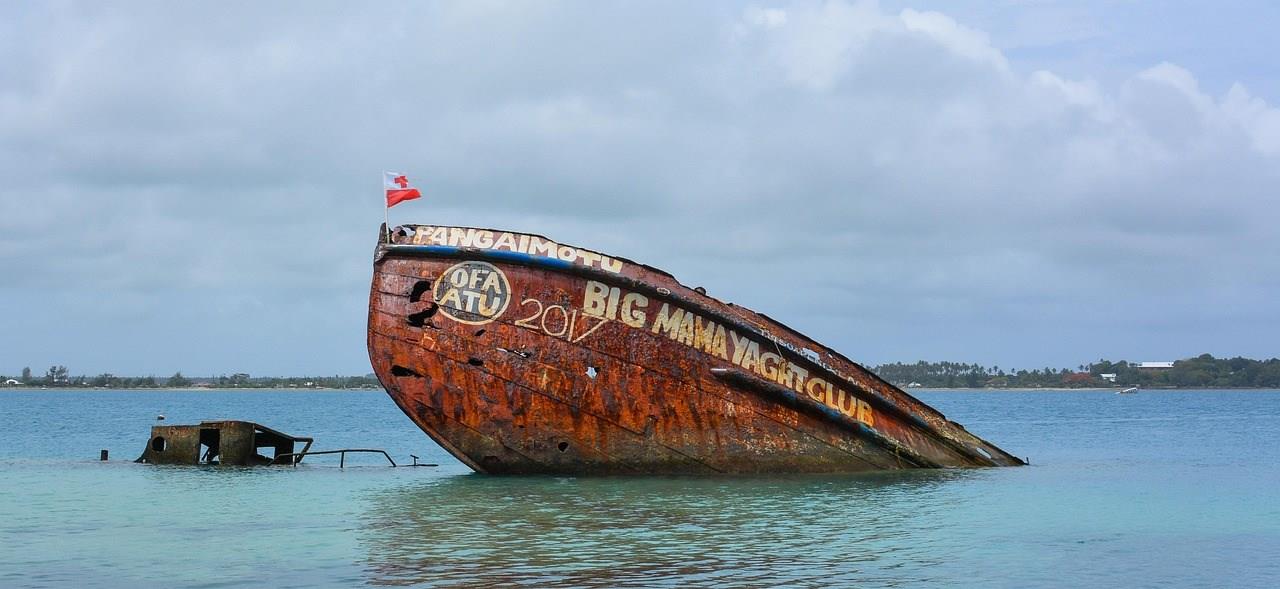
Tongatapu, the main island of Tonga, is where tradition, history, and the South Pacific’s natural world intersect in quiet and unexpected ways. As the political and cultural center of the Kingdom of Tonga, it is home to the capital city, Nukuʻalofa, as well as ancient royal burial grounds, dramatic coastal blowholes, and friendly villages where daily life unfolds slowly.
