

Fayetteville
With a population of 125,000, the All-America City of Fayetteville ranks as the sixth largest municipality in North Carolina. In 1949, Fayetteville adopted the council/manager form of government. Under this form of government, citizens are both stockholders and customers, the elected body represents the board of directors, and the manager is the paid professional responsible for the daily operations of the corporation.
Roses
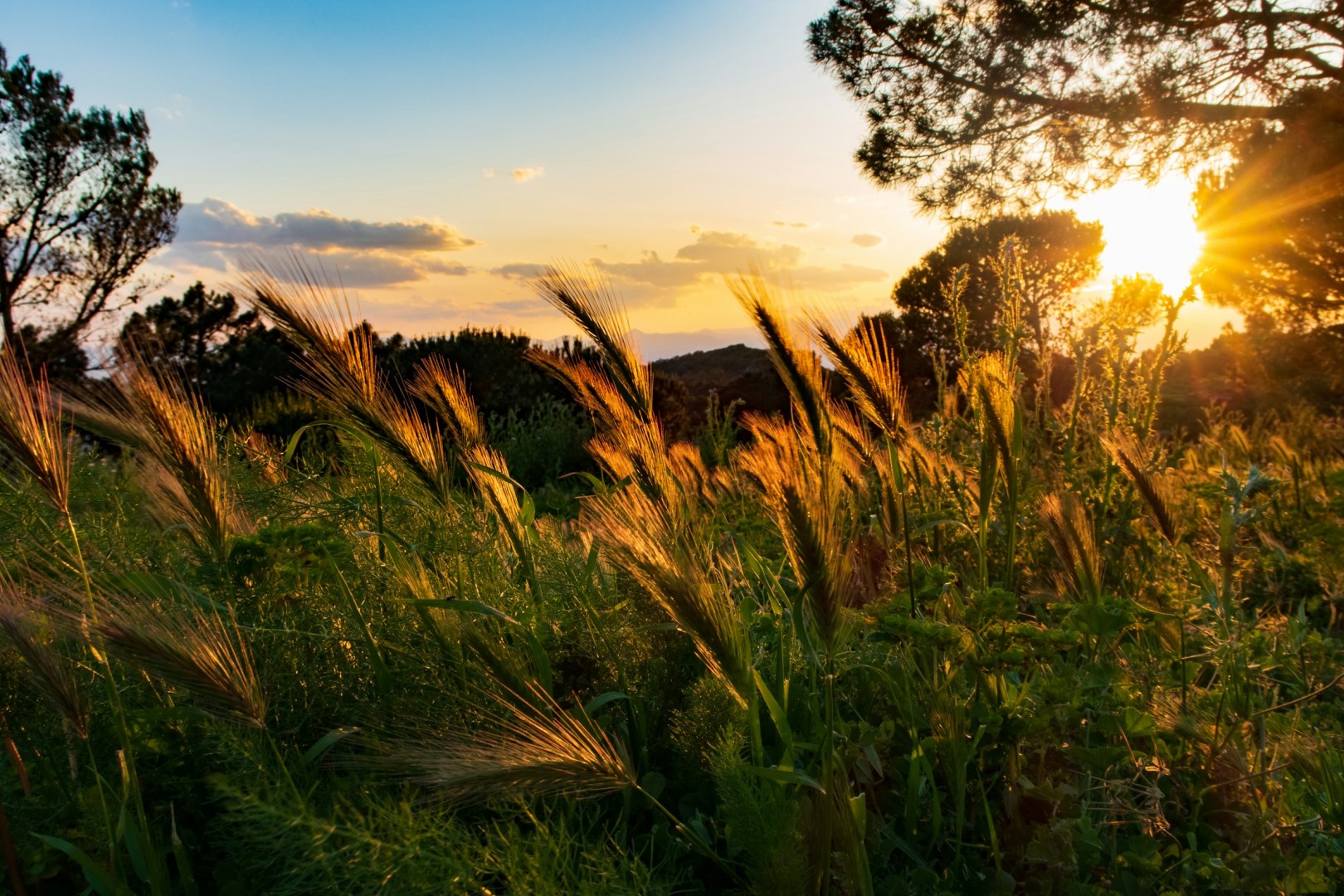
Roses is a coastal town in Catalonia’s Alt Empordà, positioned at the eastern edge of the Iberian Peninsula where the Pyrenees meet the Mediterranean. Its broad bay opens toward the Cap de Creus peninsula, giving the town a landscape of beaches, rocky headlands, and low coastal hills. Roses has a strong maritime identity, with a fishing port operating alongside a marina and a long seafront promenade.

Luxembourg
Luxembourg City, the capital of the Grand Duchy of Luxembourg, is a stunning blend of medieval charm and modern sophistication. Perched atop dramatic cliffs and surrounded by deep gorges, this city offers a unique and breathtaking landscape. The UNESCO-listed Old Town is an essential starting point for visitors, with its ancient fortifications, narrow cobblestone streets, and grand squares.
Falmouth
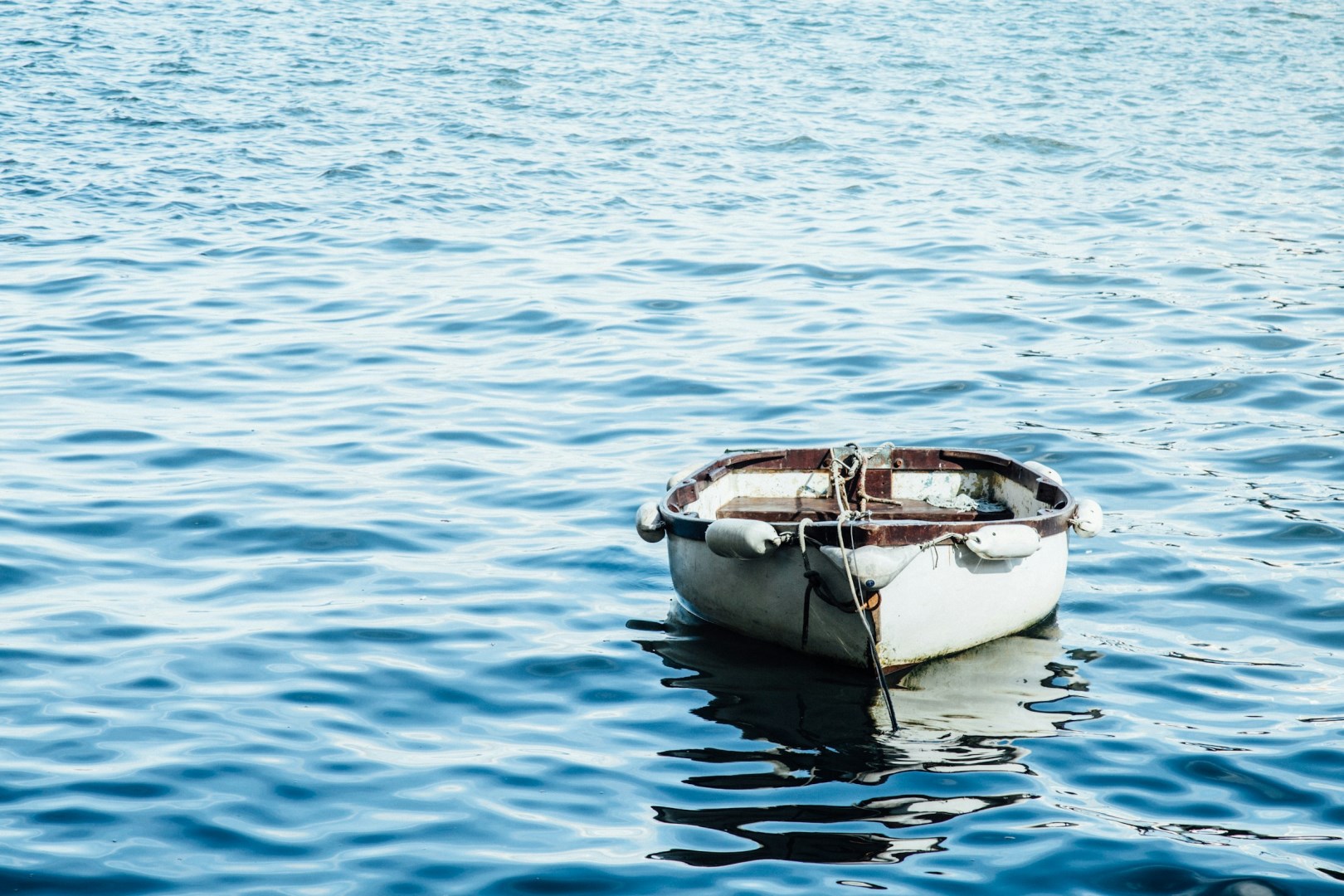
Falmouth, on Cornwall’s south coast, grew around one of the world’s largest natural harbors, a feature that has shaped its maritime identity for centuries. The town expanded during the age of sail, serving as a key port for packet ships, and landmarks like Pendennis Castle still anchor Falmouth firmly in its naval past.

Outer Banks
The Outer Banks are a long chain of narrow barrier islands along the coast of North Carolina, separated from the mainland by broad sounds and connected by bridges and ferries. Communities including Corolla, Duck, Kitty Hawk, Kill Devil Hills, Nags Head, Manteo, Hatteras, and Ocracoke each have distinct settings and local traditions. The landscape is shaped by ocean waves, shifting sand, wind, and storms, creating wide beaches, dunes, marshes, maritime forests, and tidal inlets.
