
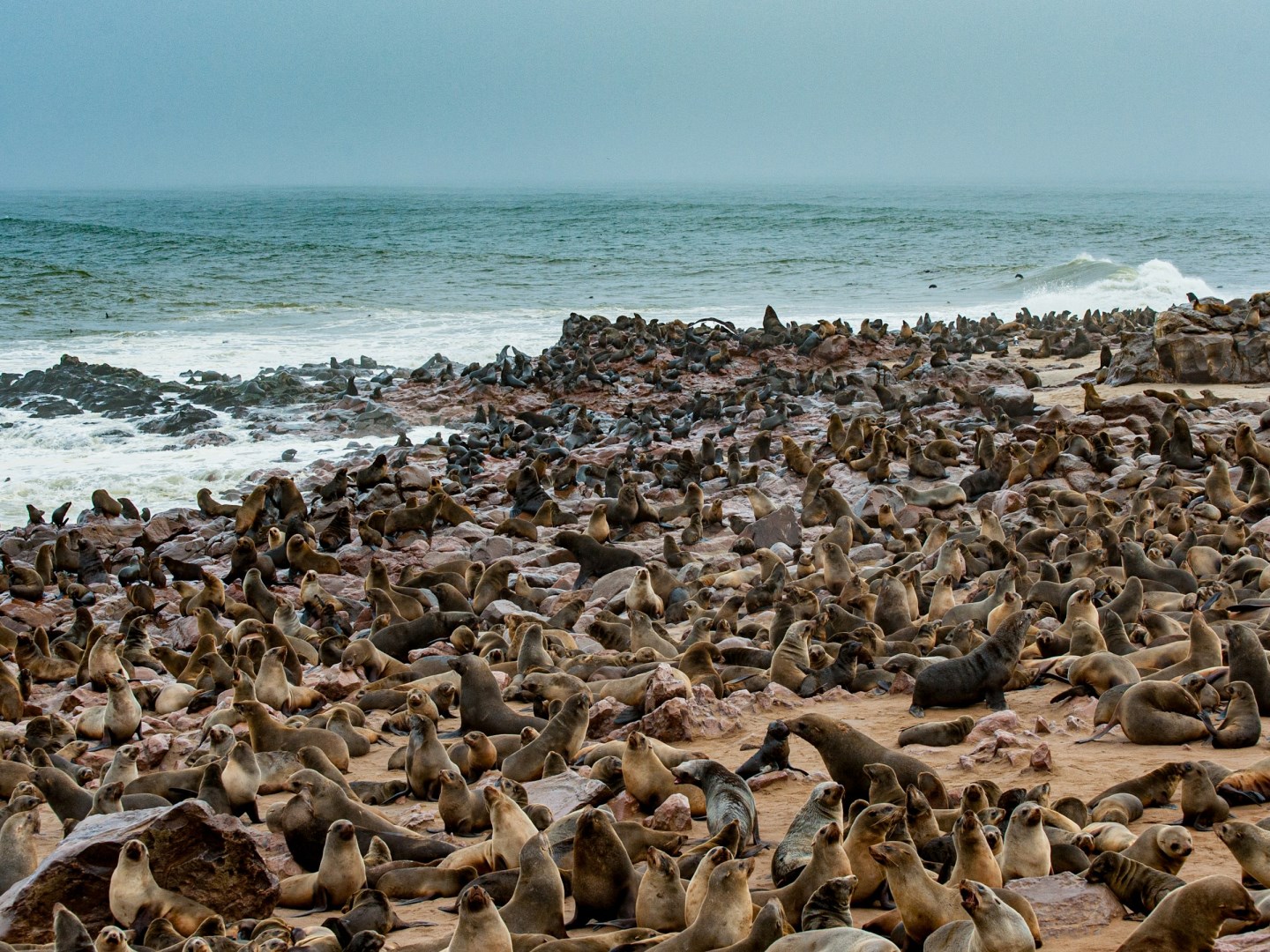
Cape Cross
Cape Cross is a remote coastal site on Namibia’s Atlantic shoreline, located within the dry landscapes of the Namib Desert. It is best known for the Cape Cross Seal Reserve, which protects one of the world’s largest breeding colonies of Cape fur seals. The coastline here consists of rocky shores, sandy beaches, salt pans, and sparsely vegetated desert terrain.

Dusseldorf
The commercial and cultural center for the Ruhr region on the Rhine River, Duseldorff is also the site of the Felderhof Cave where Neanderthal man was found in 1856.
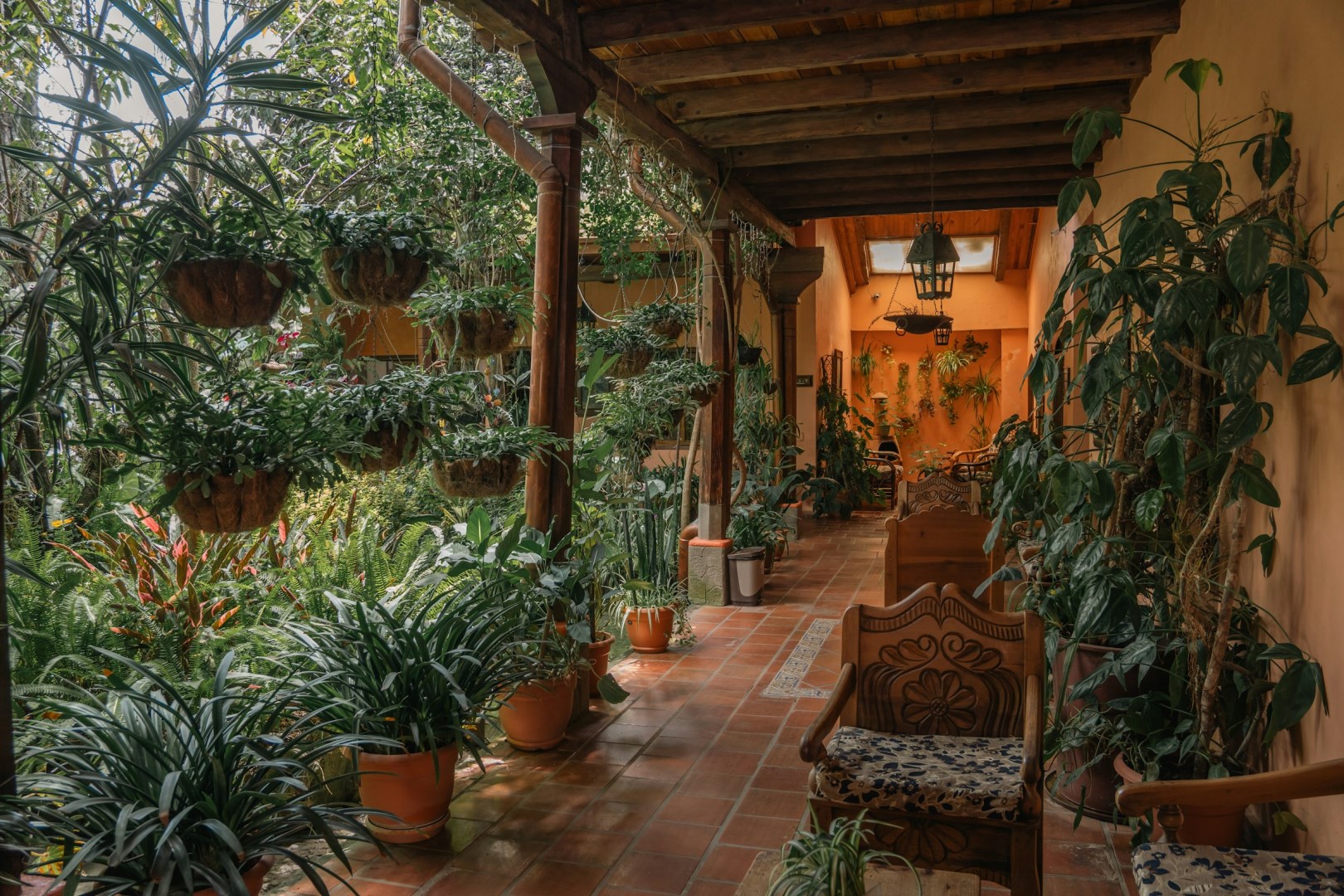
La Esperanza
La Esperanza is a highland city in Honduras and the capital of Intibucá department, situated in a cool mountain valley surrounded by pine-covered slopes. The city forms part of the Ruta Lenca, a cultural route through western Honduras, and is closely connected with the Lenca people and their traditions.
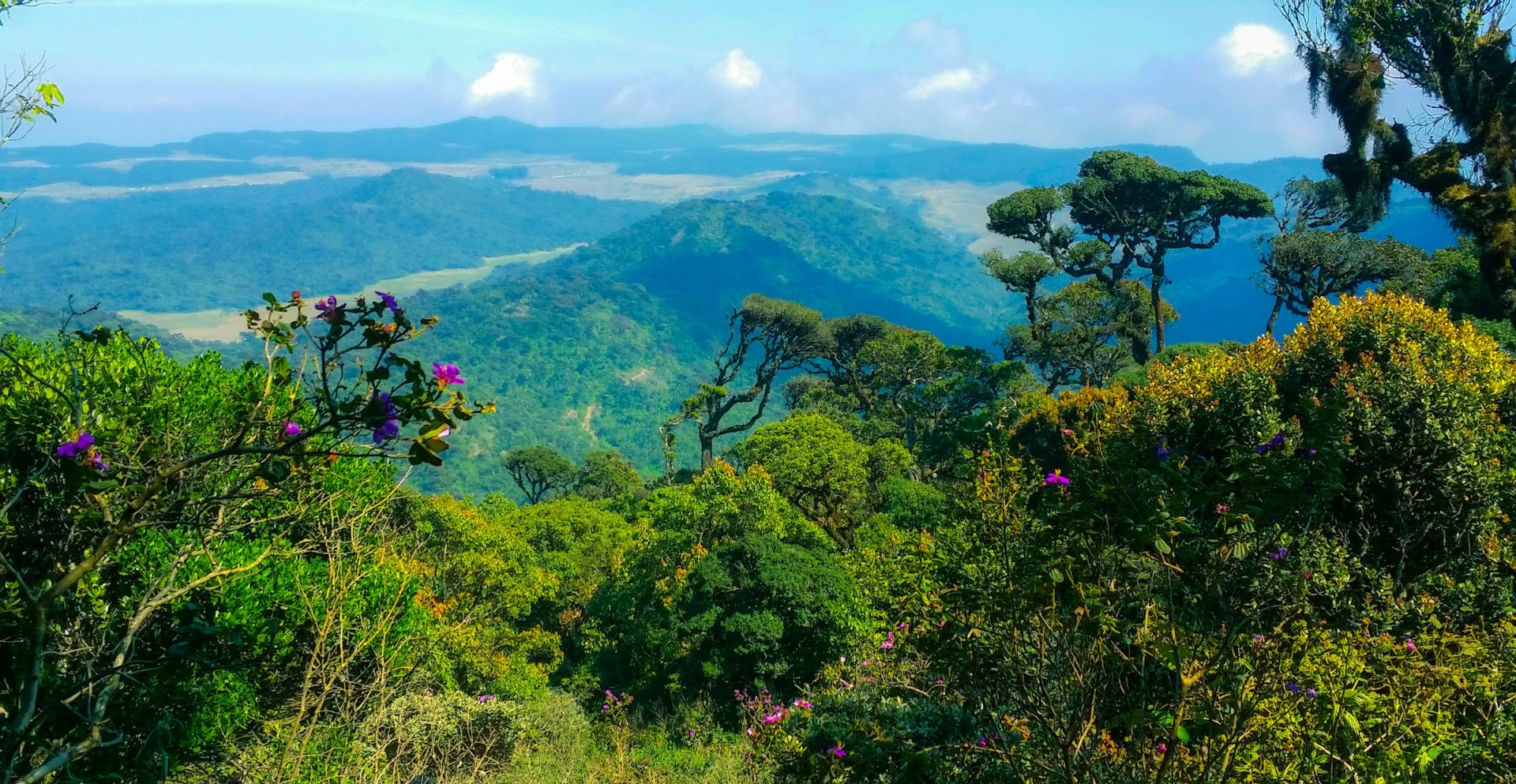
Horton Plains National Park
Horton Plains National Park is a high-altitude protected area in Sri Lanka’s central highlands, covering a landscape of grasslands, cloud forest, marshes, and rocky slopes. Located near Nuwara Eliya, the park sits at elevations above 2,000 metres, giving it a cool and often misty climate. Its open plateaus contrast with dense patches of montane forest, while streams and small waterfalls drain the high ground.

Lake Titicaca
Lake Titicaca, perched at over 3,800 meters above sea level, is the highest navigable lake in the world and a place where ancient stories still echo across the water. Shared by Bolivia and Peru, this lake has long been considered sacred by the Andean peoples. According to Inca legend, it was from Titicaca’s deep blue waters that the first humans were created. Today, the lake remains a center of cultural tradition, spiritual significance, and daily life for many who live along its shores.
