
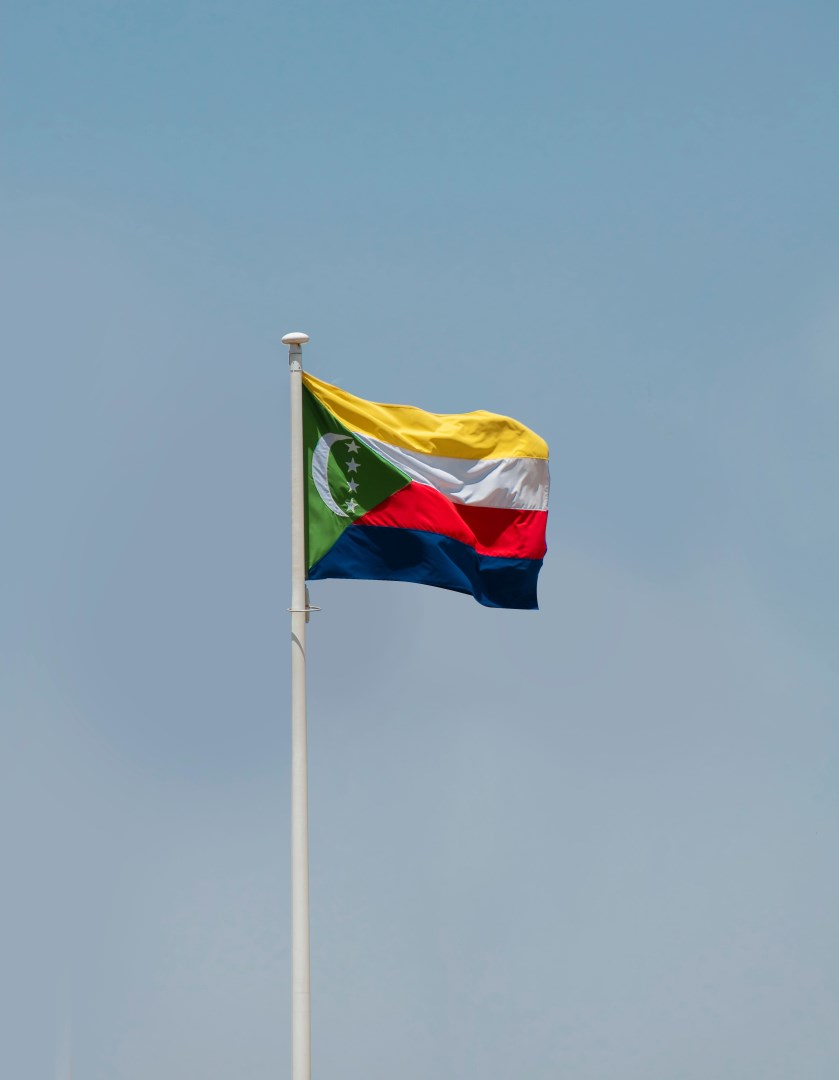
Comoros
Comoros, independent state comprising a group of islands located at the northern entrance of the Mozambique Channel, between the African mainland and the island of Madagascar. Officially called the Federal Islamic Republic of the Comoros, the archipelago includes four major islands.
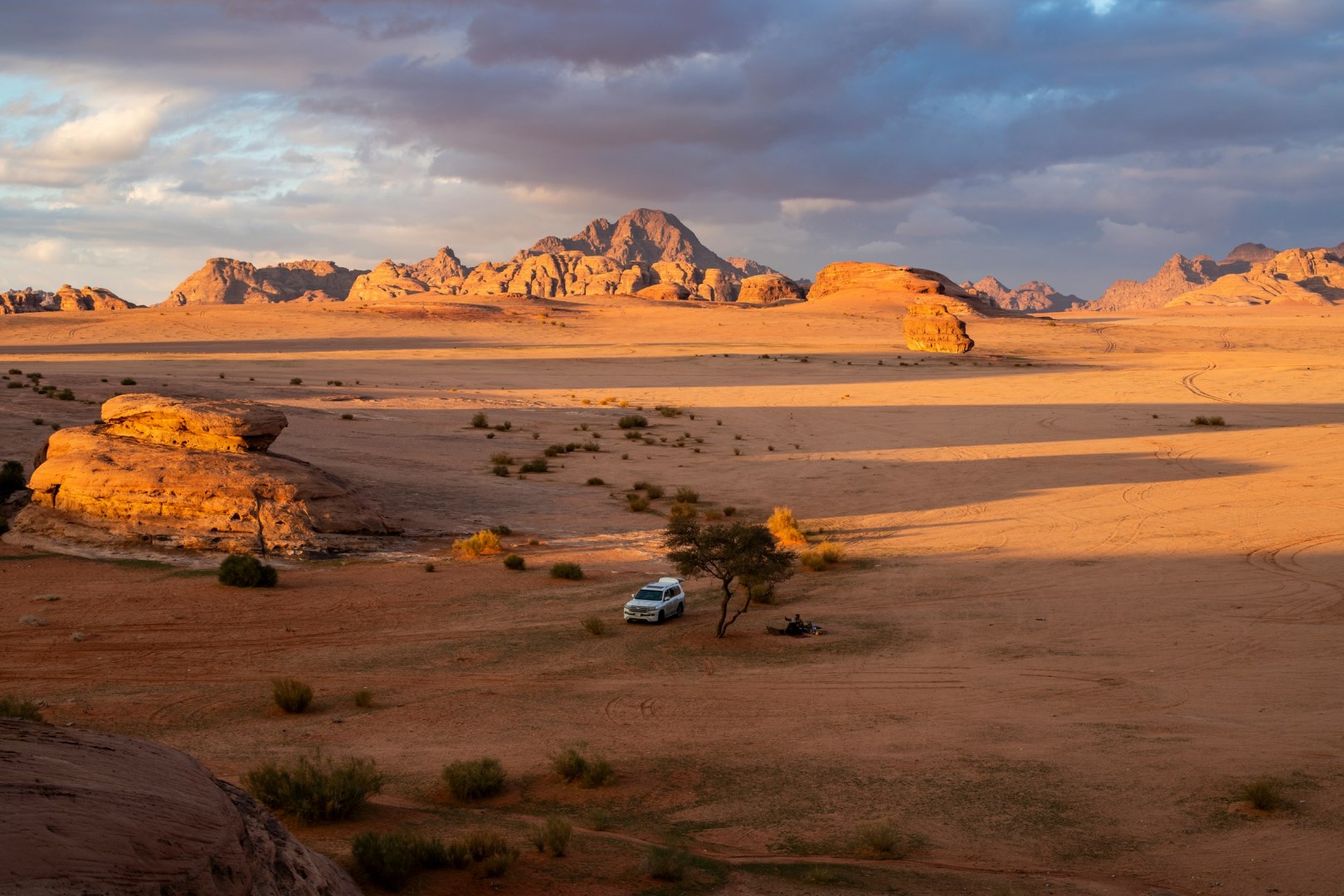
Tabuk
Tabuk is a city in northwestern Saudi Arabia and the capital of Tabuk Province, positioned between the Hejaz Mountains and the desert landscapes of the north. The city developed around an oasis and remains an important agricultural center, with palm groves and cultivated areas contrasting with the surrounding dry terrain.
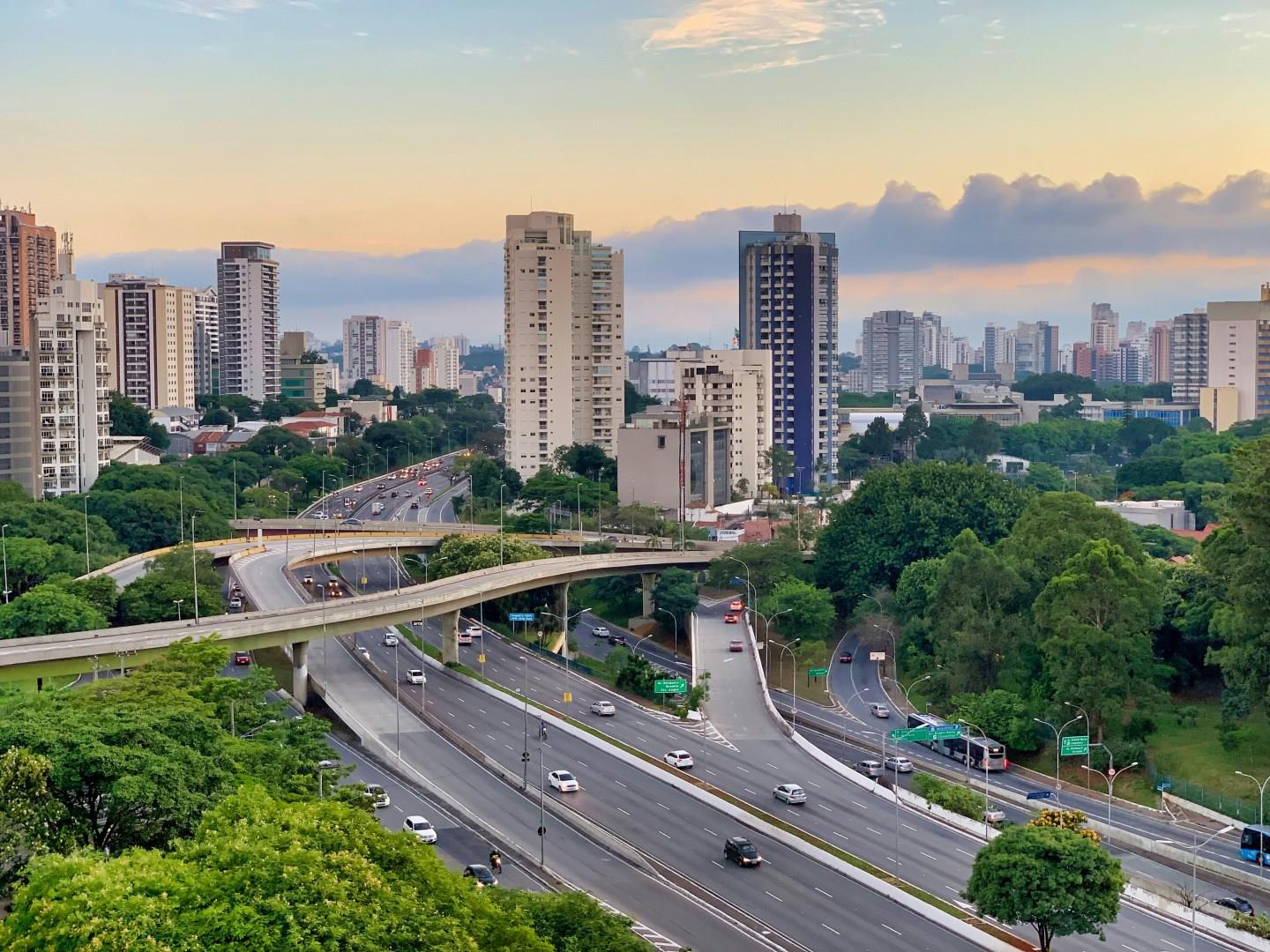
São Paulo
Sao Paulo is Brazil’s largest city and its economic engine, shaped by waves of migration that began in the late 19th century and never truly slowed. Italians, Japanese, Lebanese, and migrants from across Brazil all left visible marks on the city’s neighborhoods, food, and cultural life.
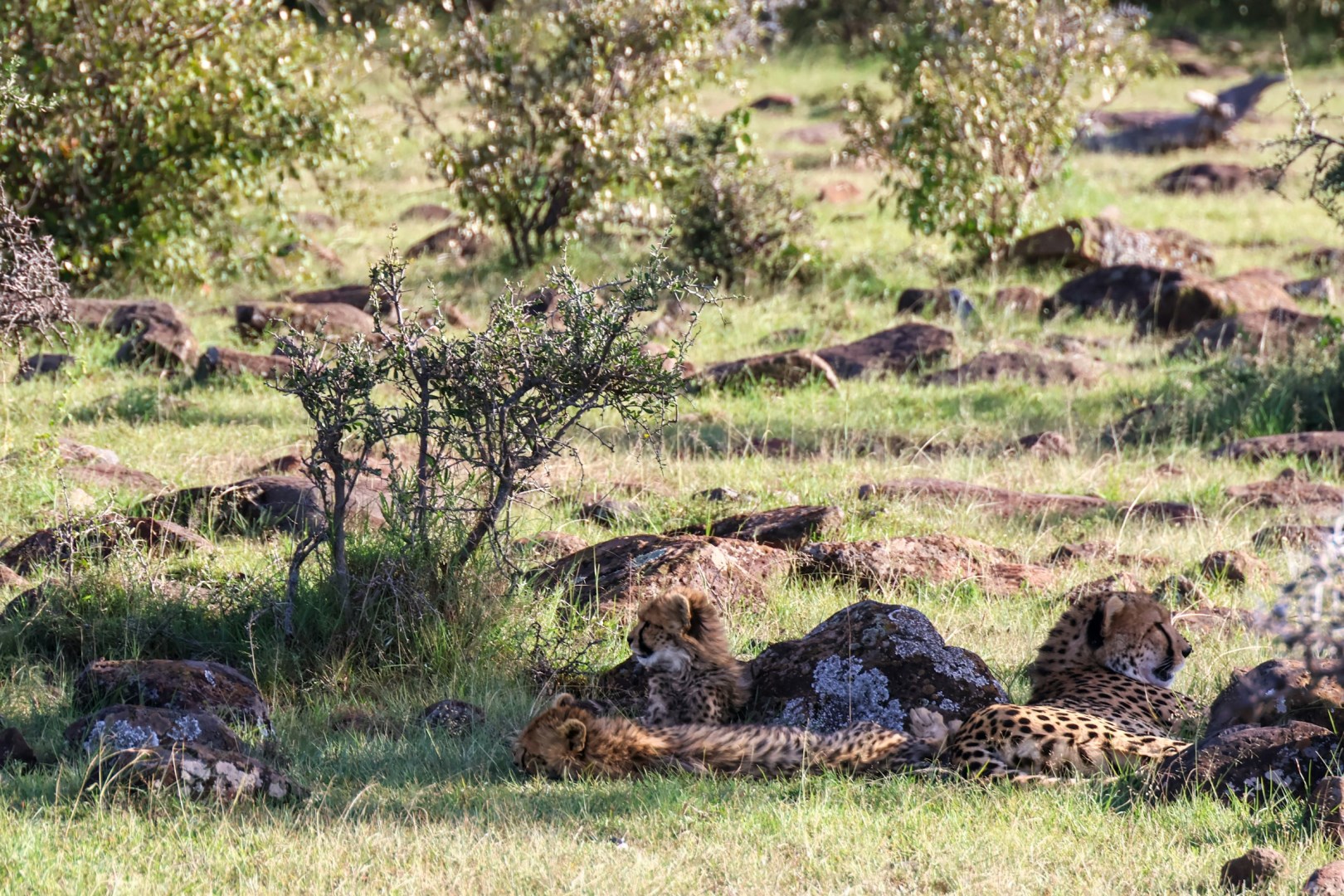
Naboisho Conservancy
Naboisho Conservancy is a community-owned wildlife conservation area bordering Kenya’s Maasai Mara National Reserve in Narok County. The conservancy protects open savanna, grasslands, acacia woodland, and seasonal rivers that provide habitat for a wide range of wildlife. It was established through agreements between local Maasai landowners and conservation partners, creating a model in which tourism revenue supports communities while land is maintained for wildlife.
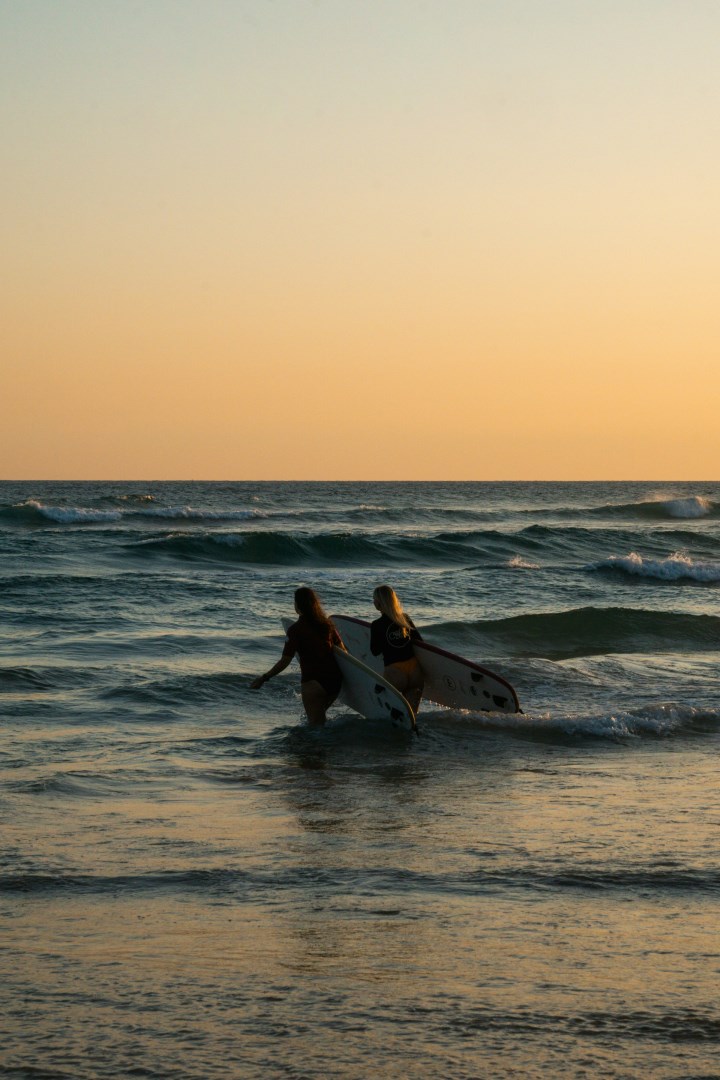
Ahangama
Ahangama is a coastal town in Sri Lanka’s Southern Province, situated between Galle and Weligama along a shoreline of sandy bays, rocky reefs, and coconut palms. The town has traditionally been connected with fishing, while surfing has become an important part of its modern identity. Kabalana Beach is one of the area’s best-known surf locations, with reef breaks attracting experienced surfers as well as surf schools catering to learners.
