
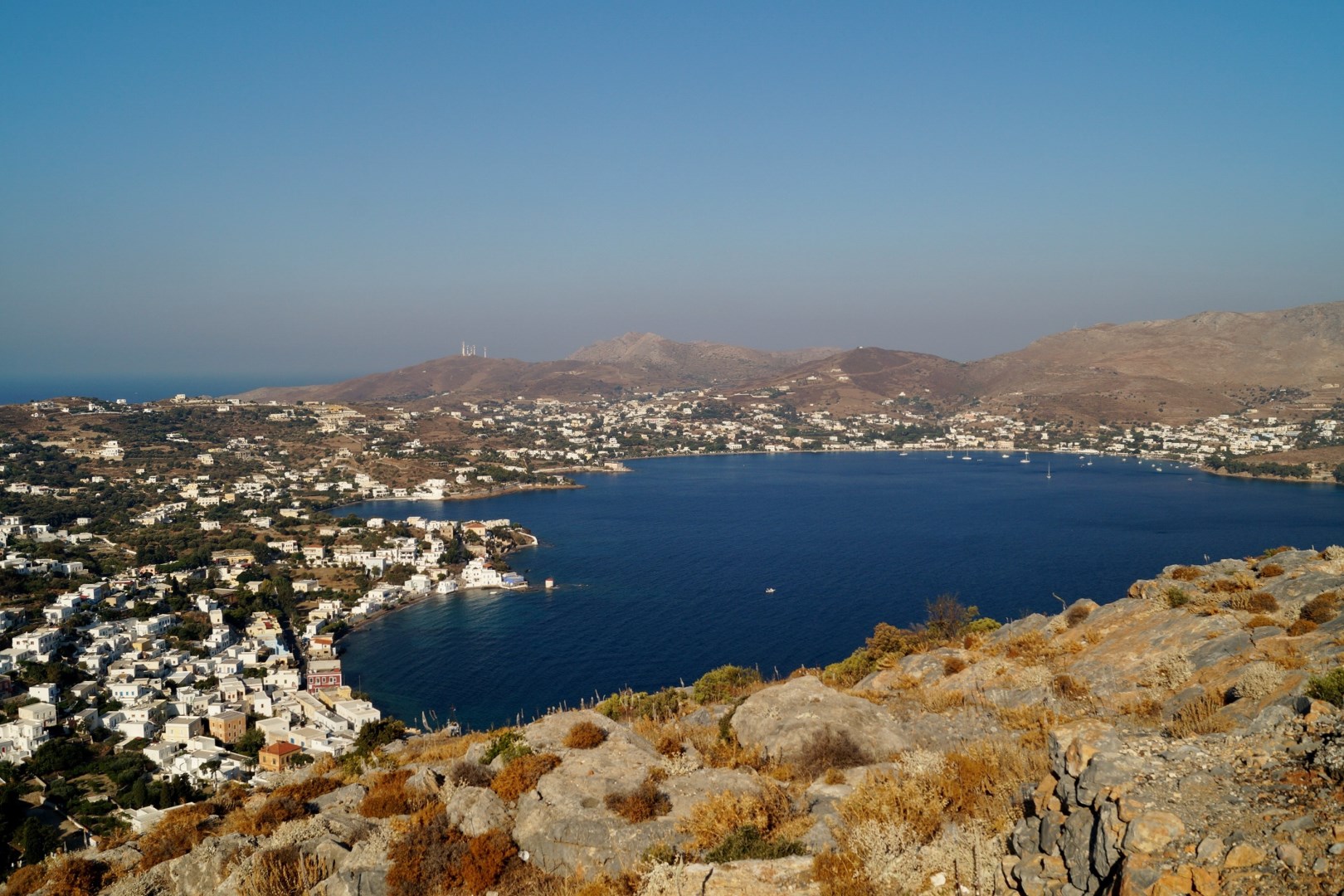
Leros Island
Leros Island, Greece, rests quietly in the Aegean Sea, offering a combination of sun-drenched beaches and historical landmarks that invite exploration. The main town, Agia Marina, spreads along a natural harbor, where fishing boats and small yachts sway gently against the backdrop of colorful houses climbing the hillside. Winding streets reveal a mix of architecture, from traditional whitewashed homes to neoclassical buildings.
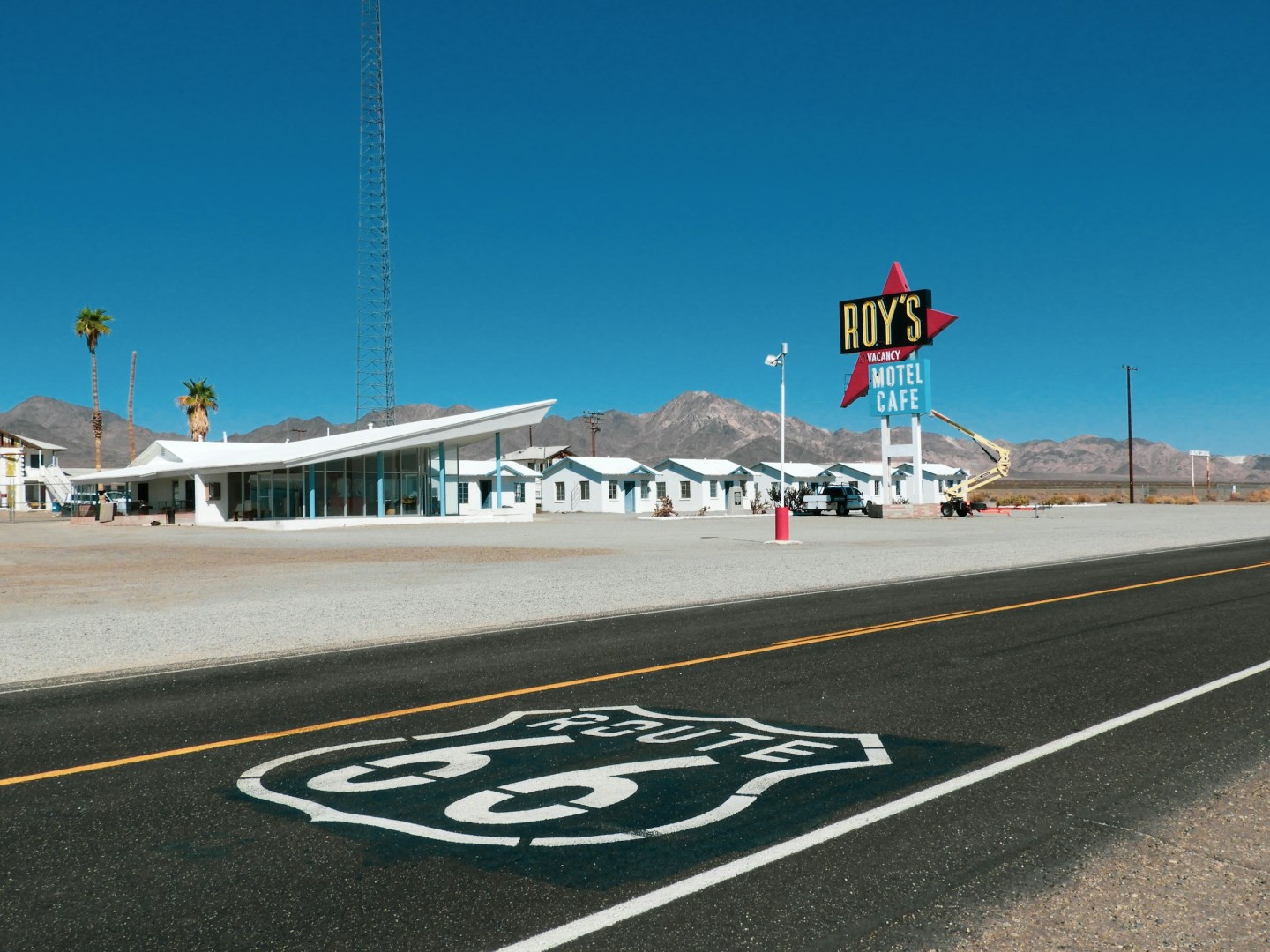
Amboy
Amboy is a small desert community in San Bernardino County, California, located along the historic U.S. Route 66 in the Mojave Desert. The settlement sits near Amboy Crater, a broad volcanic cinder cone rising from a largely open lava field. Its isolated location and surviving roadside structures provide a clear sense of the distances once traveled by motorists crossing the desert.
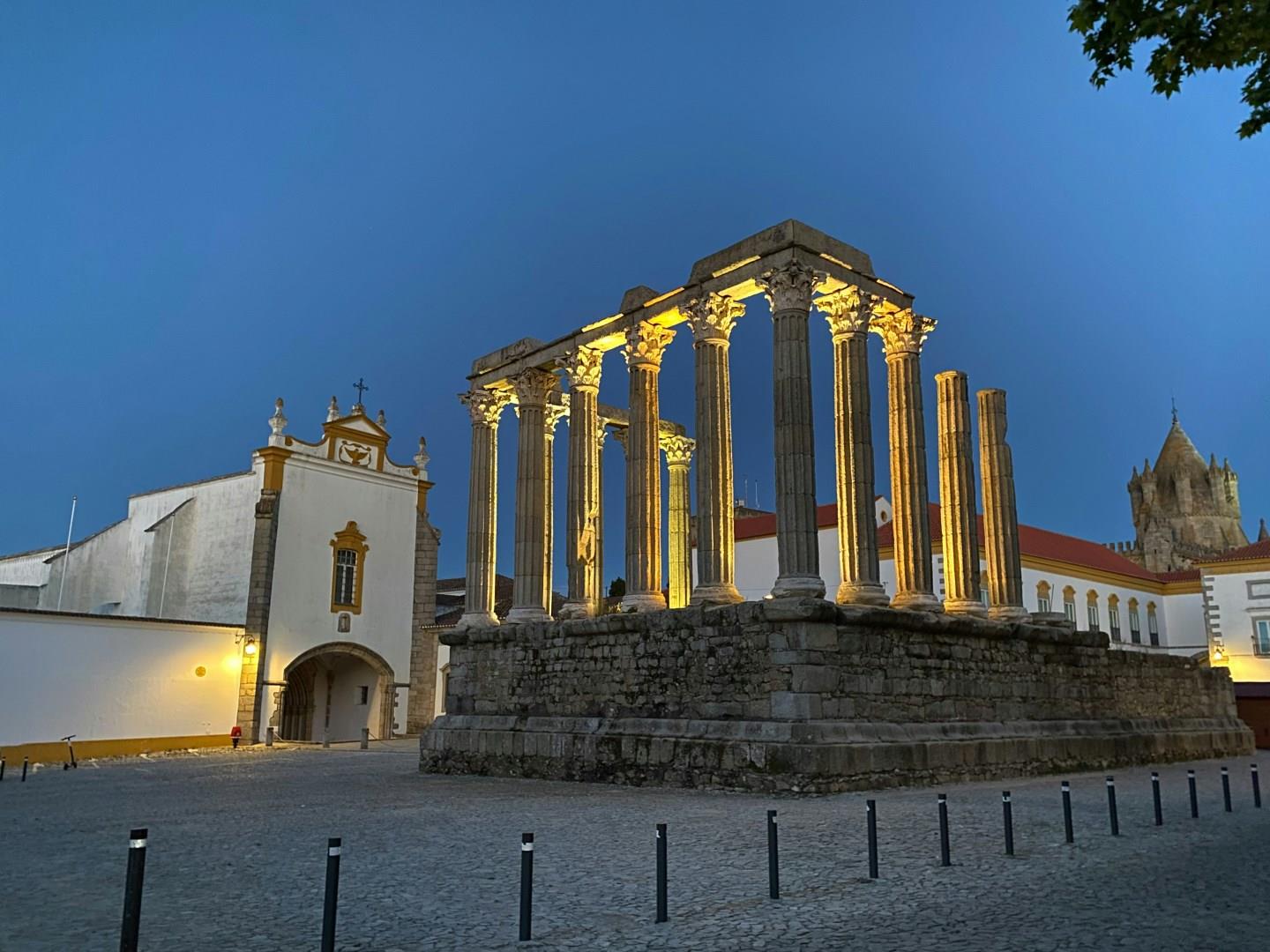
Evora
Évora, in Portugal’s Alentejo region, feels like stepping into a story that spans more than two thousand years. Its Historic Centre was named a UNESCO World Heritage Site for good reason with its ancient walls, homes with wrought-iron balconies, and narrow streets quietly preserve traces of Roman, Moorish, and medieval life. Beyond architecture and monuments, Évora reveals lesser-known treasures that reward exploration.
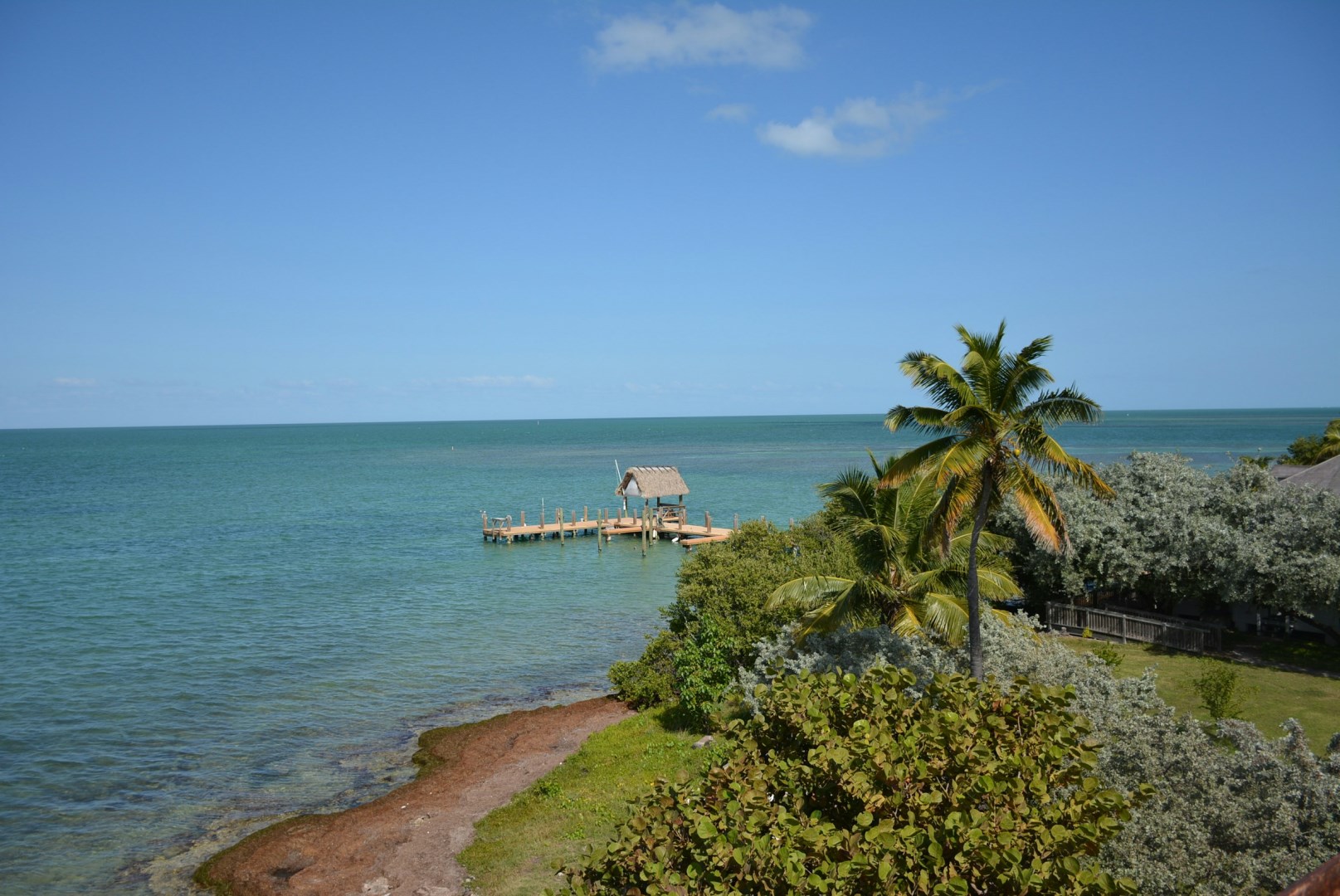
Pigeon Key
Pigeon Key is a small historic island in the Middle Keys, located just offshore from Marathon beneath the Old Seven Mile Bridge. The island occupies only a few acres, yet its position within the Florida Keys gives it an unusual combination of maritime history and tropical surroundings. Today, Pigeon Key is preserved as a historic and educational site, with restored buildings, a small museum, and facilities for marine science programs.
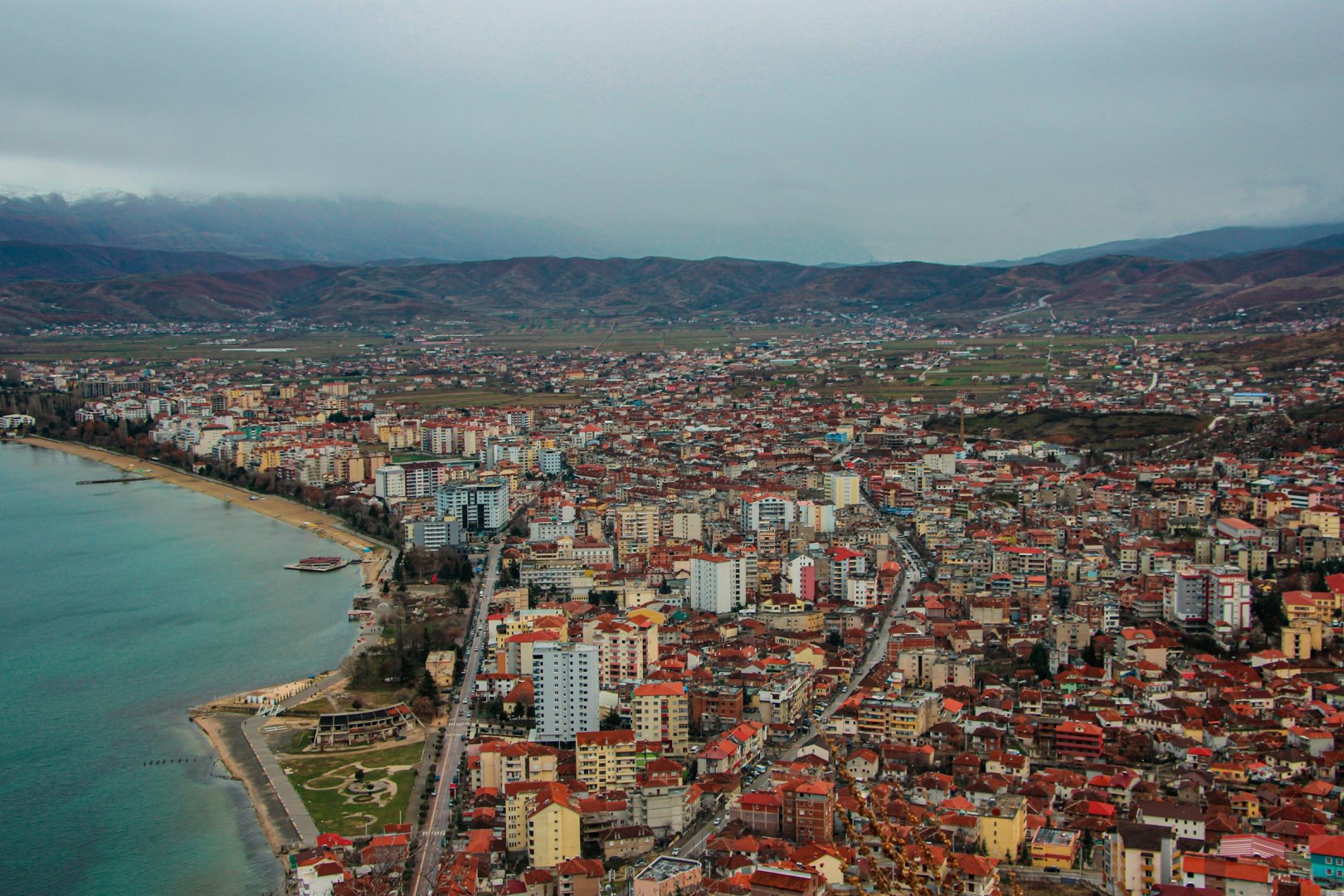
Pogradec
Pogradec is a lakeside town in southeastern Albania, situated on the southwestern shore of Lake Ohrid beneath the surrounding mountains. The lake is part of the UNESCO World Heritage property known as the Natural and Cultural Heritage of the Ohrid Region and is recognized for its exceptional freshwater biodiversity.
