
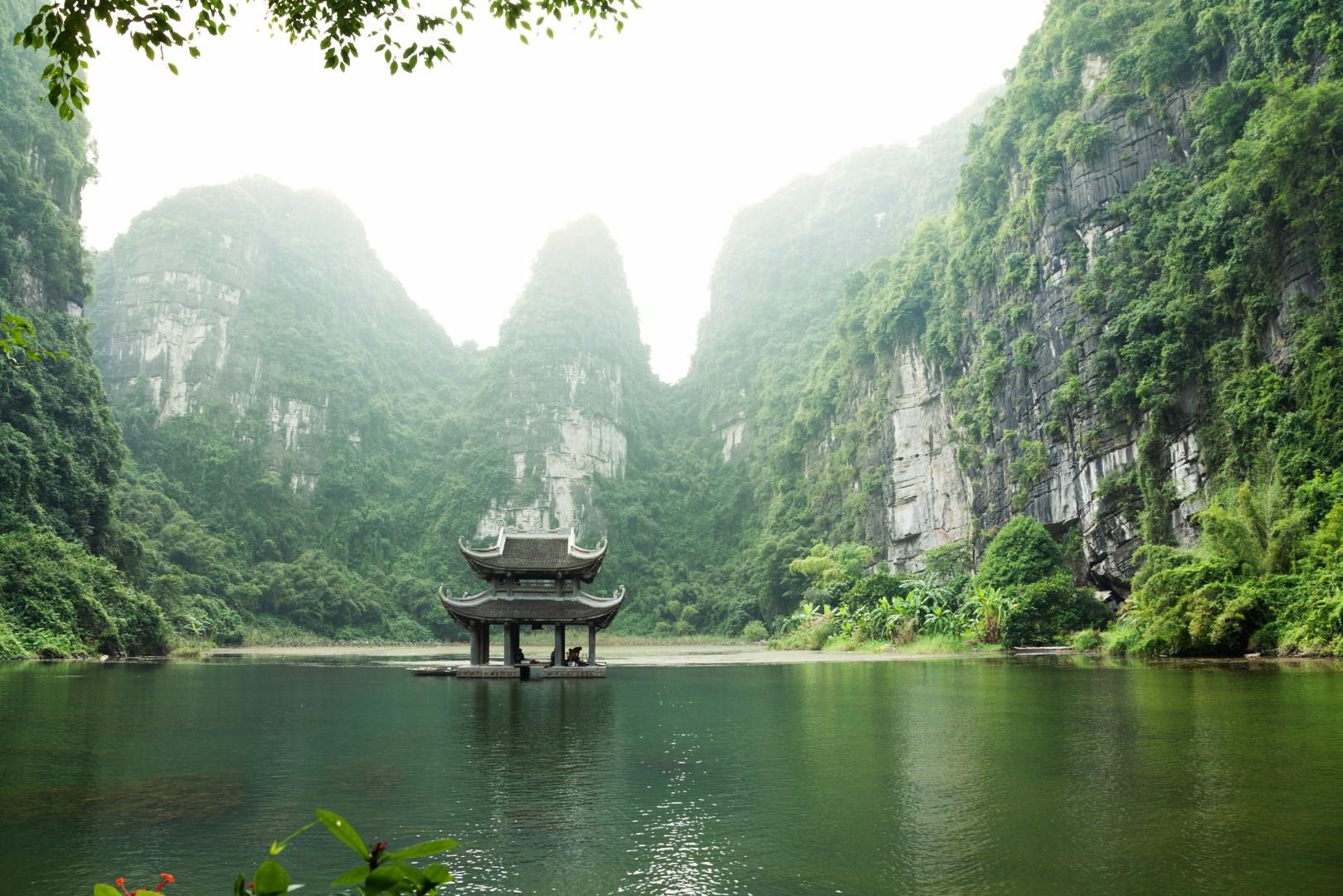
Ninh Binh
Ninh Binh, located about 100 kilometers south of Hanoi, offers a landscape shaped by limestone karsts, winding rivers, and flooded rice paddies. Often referred to as “Ha Long Bay on land,” the area is best explored by rowboat. At Trang An Scenic Landscape Complex, boat routes pass through caves, ancient pagodas, and valleys surrounded by towering cliffs. Local rowers often use their feet to paddle, an unusual technique that surprises many first-time visitors.

Oregon
Oregon invites travelers to experience landscapes and stories that shift dramatically from one region to the next. In the south, Crater Lake National Park holds the title of deepest lake in the U.S., formed inside the remains of an ancient volcano. With its intense blue color and dramatic cliffs, the lake draws visitors year-round for hiking, snowshoeing, or simply standing in awe.

Tampico
Tampico, located on the Gulf Coast of Tamaulipas, is a port city with a layered history shaped by trade, oil, and immigration. Its downtown district is known for neoclassical buildings, many of which were constructed with imported bricks and ironwork from Europe during the oil boom of the early 20th century. One of Tampico’s most photographed structures is the Mercado Municipal, rebuilt in recent years but still functioning as a central hub for daily life.

Easter Island
Easter Island, or Rapa Nui, is a remote gem in the southeastern Pacific Ocean that promises an extraordinary journey into the mysteries of Polynesian culture and history. Famous for its monumental stone statues known as moai, Easter Island captivates visitors with its enigmatic past. These colossal statues, crafted between 1400 and 1650 AD, are scattered across the island and are a testament to the islanders' sophisticated artistry and social organization.
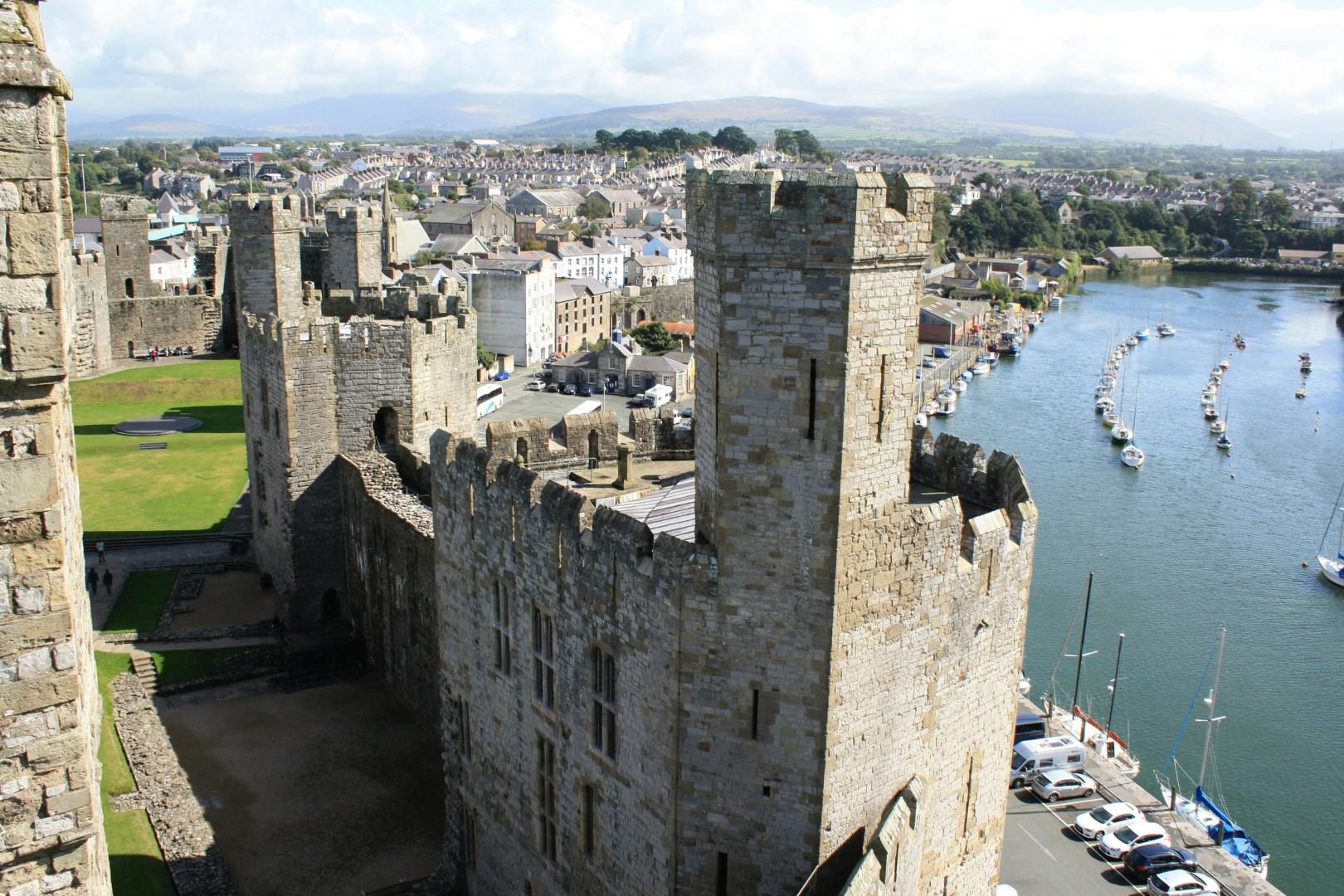
Caernarfon
Caernarfon, a town in northwest Wales, is famed for its medieval heritage, most notably Caernarfon Castle, a UNESCO World Heritage Site built by Edward I in the late 13th century.
