

Oaxaca
Oaxaca, nestled in the heart of southern Mexico, is a city where ancient traditions and vibrant culture thrive. Renowned for its rich history and indigenous heritage, Oaxaca offers a unique blend of pre-Columbian, colonial, and modern influences. The city's historic center, a UNESCO World Heritage site, is a testament to its past, featuring stunning colonial architecture such as the Santo Domingo de Guzmán Church, a masterpiece of Baroque art.
Mount Rainier National Park
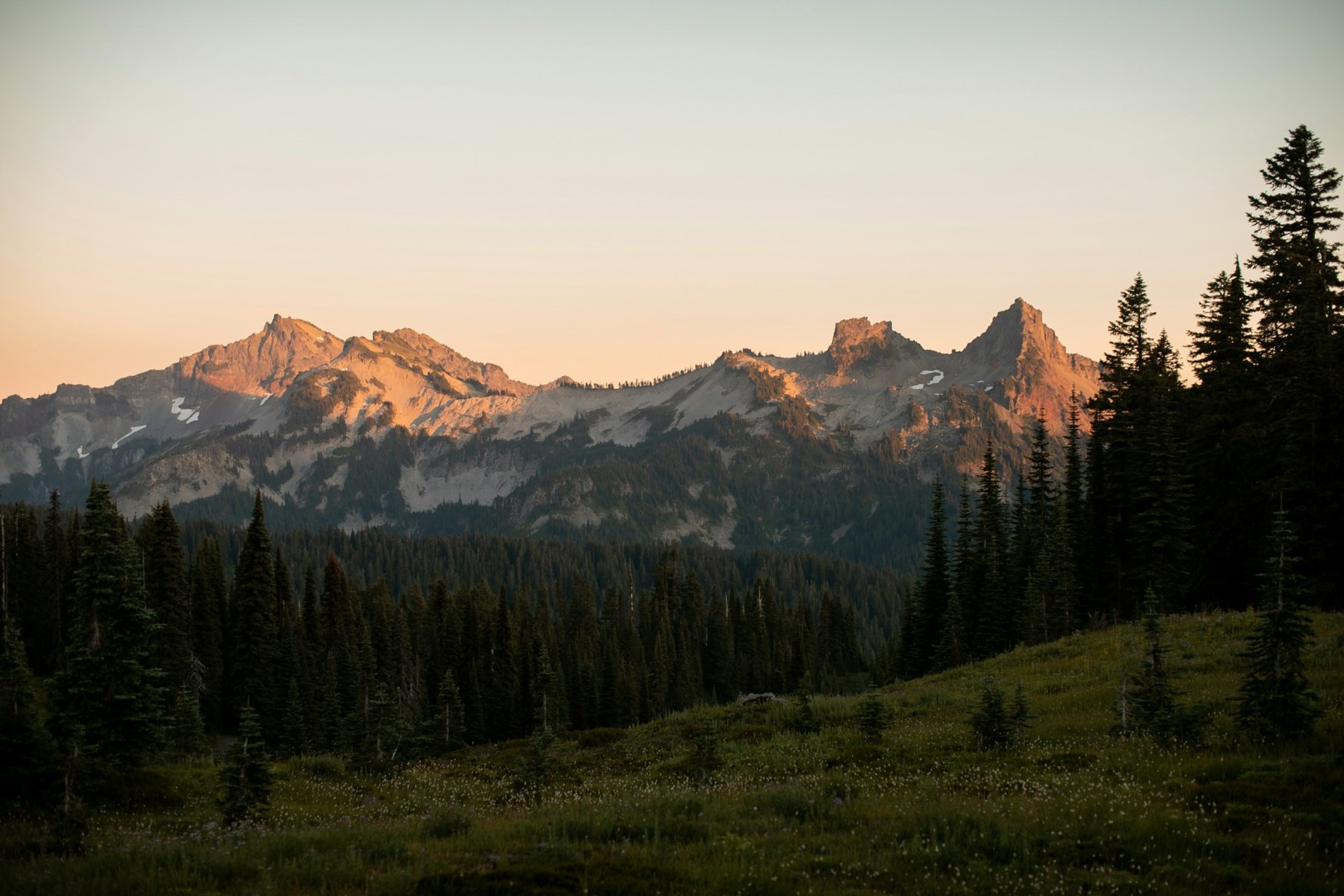
Mount Rainier National Park is centered on Mount Rainier, a massive glaciated volcano rising above the forests and valleys of Washington’s Cascade Range. The mountain dominates the surrounding landscape, with glaciers, snowfields, alpine meadows, old-growth forests, rivers, and waterfalls extending across the park. Its varied elevations create distinct environments, from dense lowland forest to open subalpine terrain and rugged alpine slopes.

Dominica
Dominica, known as the “Nature Island of the Caribbean,” is a haven for eco-tourists and adventure seekers. Nestled between the French islands of Guadeloupe and Martinique, this lush island boasts a remarkable landscape of volcanic mountains, dense rainforests, and stunning waterfalls. Dominica’s most iconic natural wonder is the Boiling Lake, the second-largest hot spring in the world.
Querétaro
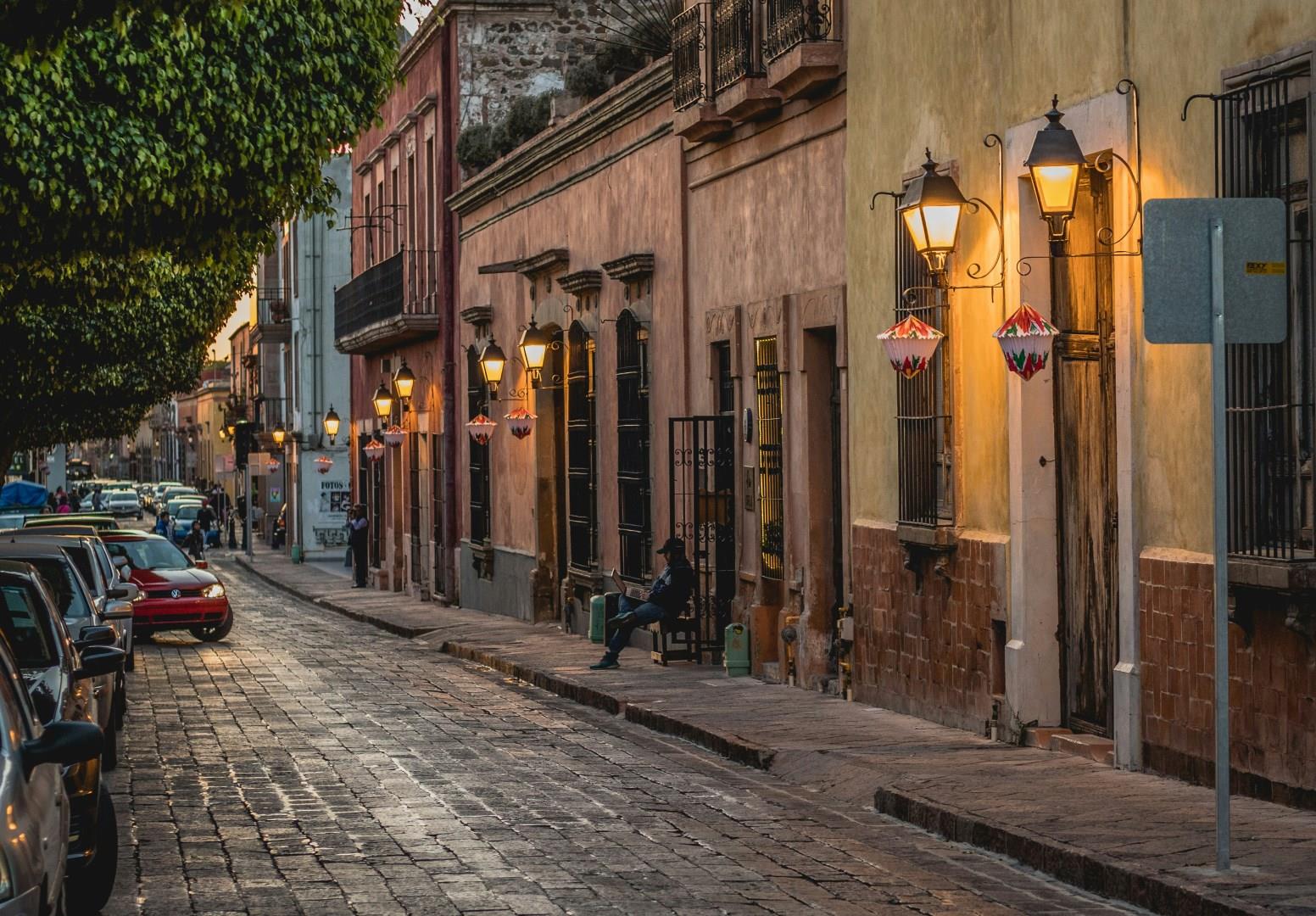
Querétaro, located in the heart of central Mexico, is a city where centuries of history are still visible in daily life. Its historic center, a UNESCO World Heritage Site, features narrow streets, elegant plazas, and baroque churches that reflect its colonial past. One of the city’s most iconic landmarks is the massive aqueduct, built in the 18th century with 74 stone arches stretching nearly a mile across the landscape.

Kumasi
Kumasi is the capital of Ghana’s Ashanti Region and one of the country’s main cultural centers. Often called “Oseikrom” by locals, the city is closely connected to the traditions of the Ashanti Kingdom and remains an important place for trade, ceremonies, and craftsmanship.
